Category: Blog

  • What to Know About AB Phylline N Tablet?

    Understanding AB Phylline N Tablet: A Comprehensive Guide

    AB Phylline N Tablet, manufactured by Sun Pharmaceutical Industries Ltd., is a prescription medication combining Acebrophylline (100mg) and Acetylcysteine (600mg). Primarily used to treat and prevent asthma and symptoms of chronic obstructive pulmonary disease (COPD), such as coughing, wheezing, and shortness of breath, it works by relaxing the muscles in the air passages, making breathing easier. This tablet is taken orally, with or without food, as directed by a healthcare professional.

    It’s essential to adhere to the prescribed dosage and duration to ensure optimal effectiveness. Common side effects may include vomiting, heartburn, stomach upset, rash, itching, and nasal inflammation, but these usually subside over time. It’s crucial not to self-medicate or recommend the medication to others.

    Before starting AB Phylline-N Tablet, inform your doctor about any existing medical conditions, especially liver or kidney disease, and if you are pregnant, planning pregnancy, or breastfeeding.

    With proper usage and under medical guidance, AB Phylline N Tablet can significantly improve respiratory symptoms and enhance the quality of life for individuals with asthma and COPD.

    Uses of AB Phylline N Table

    • Treatment of Asthma
    • Treatment of Chronic Obstructive Pulmonary Disease (COPD)
    • Treatment of Pneumonia

    How AB Phylline N Tablet Works:

    AB Phylline N Tablet works through a combination of its two components:

    1. Acebrophylline: This ingredient serves as both a mucolytic and a bronchodilator. It functions by calming the muscles in the airways, which aids in easier breathing. Moreover, it helps to thin and loosen mucus, making it simpler to expel.
    2. Acetylcysteine: Another mucolytic agent, Acetylcysteine, also aids in thinning and loosening mucus, thus assisting in its removal through coughing.

    Benefits of AB Phylline N Tablet:

    1. Treatment of Asthma: AB Phylline-N Tablet can be particularly beneficial for individuals with asthma. Relaxing the muscles in the airways it helps prevent asthma attacks triggered by factors such as exercise, dust, pollen, pets, and cigarette smoke.
    2. Treatment of COPD: For individuals with COPD, AB Phylline N Tablet offers relief from symptoms like chest tightness, shortness of breath, wheezing, and coughing. It works by keeping the airways open, making breathing easier.
    3. Treatment of Pneumonia: This medication is also effective in treating bacterial infections such as pneumonia. By killing the bacteria responsible for the infection, AB Phylline-N Tablet helps alleviate symptoms and promotes recovery.

    Usage and Dosage:

    It’s essential to follow the dosage and duration recommended by your healthcare provider when taking AB Phylline N Tablet. You can take it with or without food, ideally at the same time each day.

    Side Effects:

    While AB Phylline-N Tablet is generally well-tolerated, some individuals may experience side effects such as vomiting, heartburn, stomach upset, rash, itching, and nasal inflammation. If any side effects persist or cause concern, it’s important to consult a doctor.

    Safety Precautions:

    • Alcohol: It is advisable to avoid alcohol consumption while taking AB Phylline-N Tablet, as it may lead to excessive drowsiness.
    • Pregnancy and Breastfeeding: If you are pregnant, planning pregnancy, or breastfeeding, it’s essential to consult your doctor before using this medication.
    • Driving: AB Phylline N Tablet typically does not impair driving ability.
    • Kidney and Liver Function: Patients with kidney or liver disease should use AB Phylline-N Tablet with caution. 

    What to Do If You Forget a Dose:

    If a dose of AB Phylline N Tablet is missed, it should be taken as soon as possible. However, if it’s nearly time for the next dose, the missed dose should be skipped, and the regular dosing schedule resumed.

    Conclusion:

    In conclusion, AB Phylline N Tablet is a valuable medication for managing asthma, COPD, and certain respiratory infections. When used as directed and under the supervision of a healthcare provider, it can significantly improve symptoms and enhance the quality of life for individuals with these conditions. As with any medication, it’s important to follow the prescribed dosage, adhere to safety precautions, and consult a doctor if any concerns arise.
  • Sofokast 400mg Tablet: Uses, Side Effects, and Safety Precautions

    Sofokast 400mg Tablet:

    Sofokast 400mg Tablet is a prescription medication marketed by Aprazer Healthcare Pvt Ltd. It contains Sofosbuvir (400mg) as its active ingredient and is primarily used in the treatment of chronic hepatitis C virus (HCV) infection. This article aims to provide a clear understanding of Sofokast 400mg Tablet, including its uses, benefits, side effects, how to use it, and safety precautions.

    What is Sofokast 400mg Tablet?

    Sofokast 400mg Tablet is an antiviral medication that works by reducing the load of hepatitis C virus in the body and eliminating the virus from the blood over time.

    Uses and Benefits:

    Sofokast 400mg Tablet is mainly prescribed for the treatment of chronic hepatitis C virus (HCV) infection. It helps in controlling the infection, improving the immune system, and lowering the risk of complications, thereby enhancing the patient’s quality of life. It should always be used in combination with other antiretroviral medicines. However, it is essential to note that Sofokast 400mg Tablet is not a cure for HCV infection and should not be used for prevention purposes.

    Side Effects:

    Like any medication, Sofokast 400mg Tablet may cause some side effects. These side effects are generally mild and temporary, including fatigue, nausea, headache, insomnia (difficulty sleeping), and anemia (low red blood cell count). Most side effects do not require medical attention and tend to fade as the body adjusts to the medication. However, if any side effects persist or cause concern, it is advisable to consult a healthcare professional.

    Common Side Effects:

    • Fatigue
    • Nausea
    • Headache
    • Insomnia (difficulty sleeping)
    • Anemia (low number of red blood cells)

    These side effects are generally mild and temporary, and most individuals do not require medical attention for them. However, if they persist or cause concern, it is advisable to consult a healthcare professional.

    How to Use Sofokast Tablet:

    Sofokast 400mg Tablet should be taken exactly as prescribed by a doctor. It is usually taken orally with food to enhance absorption. The tablet should be swallowed whole. It is essential to complete the full course of treatment even if symptoms improve, and doses should not be skipped unless advised by a healthcare provider.

    If a dose is missed, it should be taken as soon as possible. However, if it is almost time for the next dose, the missed dose should be skipped, and the regular dosing schedule should be resumed. Doubling the dose is not recommended.

    Safety Precautions:

    • Alcohol: It is advisable to consult a doctor regarding the consumption of alcohol while taking Sofokast 400mg Tablet.
    • Pregnancy and Breastfeeding: Sofokast 400mg Tablet is generally considered safe to use during pregnancy and breastfeeding, but it is essential to consult a healthcare professional before use.
    • Driving:  Sofokast 400mg Tablet may cause dizziness and blurred vision, which can affect the ability to drive or operate machinery.
    • Kidney and Liver Function: Patients with severe kidney disease should use Sofokast 400mg Tablet with caution and may require dose adjustments. However, no dose adjustment is usually needed for patients with mild to moderate kidney disease or liver disease.

    What to Do If a Dose is Missed:

    If a dose of Sofokast 400mg Tablet is missed, it should be taken as soon as possible. However, if it is almost time for the next scheduled dose, the missed dose should be skipped, and the regular dosing schedule should be followed. Doubling the dose is not recommended.

    Conclusion

    In conclusion, Sofokast 400mg Tablet is an essential medication for the treatment of chronic hepatitis C virus (HCV) infection. It is essential to use it as prescribed, adhere to the recommended dosage, and follow safety precautions for optimal effectiveness and minimal side effects. Any concerns or questions about the medication should be discussed with a healthcare professional.

  • The Benefits of Instgra Tablet in HIV Management

    Instgra Tablets: Managing HIV with Precision:

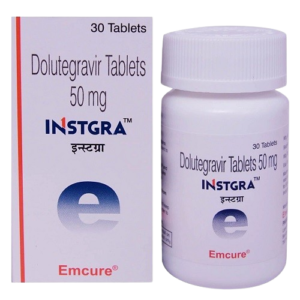
    Instgra Tablets, containing Dolutegravir (50mg), are a potent antiretroviral medication manufactured by Emcure Pharmaceuticals Ltd. It forms a cornerstone in the treatment of HIV (human immunodeficiency virus) infection, working to suppress viral replication within the body. This medication is prescribed alongside other antiretroviral drugs to create a comprehensive treatment regimen.

    By inhibiting the action of the HIV enzyme integrase, Instgra Tablets prevent the virus from multiplying in human cells, thereby reducing the viral load and slowing down disease progression. This not only helps in controlling the infection but also improves immune function, lowering the risk of developing opportunistic infections and enhancing overall quality of life for individuals living with HIV/AIDS.

    However, like any medication, Instgra Tablets may cause side effects such as headache, insomnia, nausea, and fatigue, though these are usually mild and transient. It’s essential to follow the prescribed dosage regimen diligently and inform healthcare providers of any persistent side effects.

    Overall, Instgra Tablets stand as a vital tool in the fight against HIV/AIDS, offering hope and improved outcomes for individuals affected by this challenging condition.

    Uses  of Instgra Tablets:

    • HIV infection

    Benefits of Instgra Tablets in Managing HIV

    Instgra Tablet, containing Dolutegravir (50mg), offers several benefits in the management of HIV (human immunodeficiency virus) infection:

    • Viral Suppression: Instgra Tablets effectively suppress the replication of HIV within the body, reducing the viral load. This helps in controlling the progression of the infection and prevents damage to the immune system.
    • Improved Immune Function: By lowering the viral load, Instgra Tablet helps in preserving and enhancing immune function. This reduces the risk of developing opportunistic infections and AIDS-related complications.
    • Enhanced Quality of Life: With HIV infection being a chronic condition, Instgra Tablet plays a crucial role in improving the overall quality of life for individuals living with HIV/AIDS. By managing the infection effectively it enables patients to lead healthier and more fulfilling lives.
    • Reduced Transmission Risk: By lowering the viral load in the body, Instgra Tablets also reduce the risk of transmitting HIV to others. This is particularly important in preventing the spread of the virus within communities and populations.
    • Part of Combination Therapy: Instgra Tablet is often prescribed as part of a combination therapy regimen, where it complements other antiretroviral medications. This comprehensive approach to treatment enhances its effectiveness and reduces the likelihood of developing drug resistance.

    Overall, Instgra Tablet offers significant benefits in the management of HIV infection, helping individuals lead healthier lives while reducing the transmission of the virus to others.

    Side Effects of Instgra Tablets

    While the Instgra Tablet, containing Dolutegravir (50mg), is effective in managing HIV (human immunodeficiency virus) infection, it may also cause some side effects. It’s essential to be aware of these potential side effects and to consult a healthcare provider if they occur:

    Common Side Effects:

    • Headache
    • Insomnia (Difficulty Sleeping)
    • Dizziness
    • Diarrhea
    • Nausea
    • Fatigue
    • Muscle Pain
    • Increased Liver Enzymes

    Safety Advice for Instagra Tablets:

    • Alcohol: Caution is advised when consuming alcohol with Instgra Tablet. Please consult your doctor.
    • Pregnancy: Instgra Tablet is generally considered safe to use during pregnancy if prescribed.
    • Breastfeeding: Consult your doctor before using Instgra Tablet while breastfeeding, as it may be unsafe. Driving: Instgra Tablet may cause side effects that could impair your ability to drive. 
    • Kidney: Instgra Tablet is safe to use in patients with kidney disease. No dose adjustment is recommended if prescribed.
    • Liver: Use Instgra Tablets with caution in patients with liver disease. Dose adjustment may be necessary. Please consult your doctor for personalized advice.

    Conclusion: 

    In conclusion, Instgra Tablets, containing Dolutegravir (50mg), stands as a vital tool in the management of HIV infection. By effectively suppressing viral replication, it helps control the progression of the disease, enhances immune function, and improves the overall quality of life for individuals living with HIV/AIDS. While offering significant benefits, it’s essential to heed safety advice, including precautions regarding alcohol consumption, pregnancy, breastfeeding, and driving. With proper adherence to treatment and regular monitoring, Instgra Tablet plays a pivotal role in mitigating the impact of HIV/AIDS and improving outcomes for patients worldwide.

  • Enzana Capsule: Managing Prostate Cancer Symptoms and Improving Quality of Life

    Safety and Efficacy of Enzana Capsule in the Treatment of Prostate Cancer

    Enzana Capsule, containing Enzalutamide as its active ingredient, is a crucial medication used in the treatment of prostate cancer. It effectively inhibits the growth of cancer cells by blocking the effects of testosterone, the natural hormone in males. 

    By doing so, it helps to shrink tumors and slow down the progression of the disease. Additionally, Enzana improves urinary function, easing difficulties with urination commonly experienced by prostate cancer patients. Its benefits extend beyond just treating the cancer itself; it also enhances the overall quality of life for individuals battling this condition.

    The efficacy and safety of Enzana Capsule have been well-documented through extensive research and clinical trials. Patients prescribed this medication can expect significant relief from symptoms and a better prognosis in their fight against prostate cancer

    Uses of Enzana Capsule

    • Prostate cancer


    Benefits of Enzana Capsule

    Enzana Capsule offers notable benefits in the management of prostate cancer. This medication, containing Enzalutamide as its active ingredient, effectively combats the disease by inhibiting the growth of cancer cells and shrinking tumors. By blocking the effects of testosterone, it slows down disease progression and improves urinary function, thereby alleviating symptoms associated with prostate cancer. Enzana plays a crucial role in enhancing the quality of life for individuals battling this condition. Its proven efficacy, coupled with a well-established safety profile, solidifies its position as a valuable treatment option for prostate cancer patients.

    Side Effects of Enzana Capsule

    Enzana, containing Enzalutamide, may induce various side effects. Common ones include headaches, hot flashes, weakness, and elevated blood pressure. These symptoms are generally manageable but should be reported to a healthcare provider if persistent. Additionally, less frequent side effects may include yellowing of the skin, loss of appetite, shortness of breath, abdominal pain, dark urine, and skin rashes. Regular blood tests are often necessary to monitor blood cell counts and liver function. Patients should also be cautious of increased skin sensitivity to sunlight while using this medication.

    Common side effects:

    • Headache
    • Hot flashes
    • Weakness
    • High blood pressure

    Less common side effects:

    • Yellowing of the skin
    • Loss of appetite
    • Shortness of breath
    • Abdominal pain
    • Dark urine
    • Skin rashes


    Safety Advice for Enzana Capsule (Enzalutamide):

    It’s crucial to adhere to prescribed dosages and never alter the medication regimen without consulting a healthcare professional. Regular monitoring through blood tests is essential to track any adverse effects on blood cell counts and liver function. 

    Protecting your skin from sunlight exposure is important due to increased sensitivity while using Enzana Capsule. Any side effects should be promptly reported to your doctor for evaluation. Provide a detailed medical history to your healthcare provider to ensure safe usage. 

    Enzana Capsule is not recommended during pregnancy or breastfeeding, and effective contraception is advised. Store the medication properly in a cool, dry place below 30°C, away from children and pets. Lastly, consult your healthcare provider for any concerns or questions regarding Enzana Capsule.

    Conclusion:

    In conclusion, while Enzana offers effective treatment for prostate cancer with its active ingredient Enzalutamide, it’s imperative to prioritize safety during its usage. Adhering to prescribed dosages, monitoring for side effects, and following recommended precautions such as sun protection and proper storage are crucial steps in ensuring the medication’s efficacy and minimizing risks. 

    By maintaining open communication with healthcare providers and promptly addressing any concerns, patients can maximize the benefits of Enzana Capsule while safeguarding their well-being throughout the treatment journey.

  • Letrozole’s Role in Advancing Breast Cancer Treatment – 3 Trending Medicines

    Letrozole’s Role in Advancing Breast Cancer Treatment

    In this article, we’ll explore three trending medications for breast cancer treatment, focusing on three medications that are currently making waves in the medical community. All three medications share the same active ingredient, Letrozole, and have emerged as leading options in the fight against breast cancer. As the landscape of oncology evolves, these medications have garnered attention for their efficacy and impact on improving patient outcomes. Join us as we explore the significance and advancements brought about by these trending medicines in the realm of breast cancer treatment.

    Stimucor 2.5 Tablet:

    Stimucor 2.5 Tablet, containing Letrozole 2.5mg, is a medication used primarily in the treatment of breast cancer in post-menopausal women. It functions as an aromatase inhibitor, which means it reduces the production of estrogen, a hormone that can fuel the growth of certain types of breast cancers. By lowering estrogen levels, Stimucor inhibits the progression of estrogen-dependent breast tumors, either alone or in combination with other therapies like surgery or radiation.

    Moreover, Stimucor 2.5 Tablet has shown efficacy in addressing infertility due to anovulation in women. It facilitates the development and release of eggs from the ovaries, thereby improving the chances of conception.

    While generally well-tolerated, Stimucor may cause some side effects, including hot flashes, fatigue, increased sweating, joint and bone pain, dizziness, and swelling. These effects are usually mild and transient, but patients should consult their healthcare provider if they persist or become bothersome. Patients need to adhere to their prescribed dosage and regimen for optimal therapeutic outcomes. Prior medical history, especially concerning liver or kidney disease, and concurrent medications should be disclosed to the healthcare provider to avoid interactions or adverse effects.

    In summary, Stimucor 2.5 Tablet (Letrozole) serves as a valuable therapeutic option for both breast cancer treatment and infertility management, offering hope and improved quality of life for affected individuals.

    Letsi 2.5mg Tablet

    Letsi 2.5mg Tablet, marketed by Serum Institute Of India Ltd, contains the active ingredient Letrozole (2.5mg) and is primarily used in the treatment of breast cancer in post-menopausal women. It can be employed either alone or in combination with other therapeutic modalities such as surgery or radiation. Additionally, Letsi tablet is indicated for advanced breast cancer to impede the spread of tumors to other body parts.

    This medication is also beneficial in managing infertility due to anovulation. It aids in the normal development of eggs in the ovaries and stimulates ovulation, thereby increasing the chances of successful pregnancy. Letsi tablet should be taken as prescribed by the doctor, with or without food, preferably at the same time each day for optimal efficacy.

    Common side effects of Letsi tablet include hot flashes, fatigue, increased sweating, joint and bone pain, dizziness, swelling, and flushing. Most of these side effects are temporary and subside as the body adjusts to the medication. However, if any side effects persist or become bothersome, medical advice should be sought. Letsi 2.5mg Tablet functions as an aromatase inhibitor, reducing the production of estrogen in the body. This decrease in estrogen levels can slow down or halt the growth of estrogen-dependent breast cancers. Moreover, it aids in infertility treatment by promoting the release of hormones necessary for ovulation.

    Before initiating treatment with Letsi tablet (Letrozole), patients should inform their healthcare provider about any pre-existing liver or kidney conditions, history of osteoporosis, or ongoing medication regimen, as certain drugs may interact with Letsi and affect its efficacy. Additionally, pregnant or breastfeeding individuals should consult their doctor before using this medication.

    In summary, Letsi 2.5mg Tablet (Letrozole)  serves as a valuable therapeutic option in the management of breast cancer and infertility, offering benefits while necessitating close monitoring for side effects and drug interactions.

    Letpro 2.5mg Tablet:

    Letpro 2.5mg Tablet operates as an aromatase inhibitor, curbing the synthesis of estrogen in the body. This reduction in estrogen levels impedes the proliferation of estrogen-dependent breast cancers. Moreover, it facilitates infertility treatment by augmenting the secretion of hormones necessary for ovulation.

    Prior to commencing treatment with Letpro tablet, patients should disclose any history of liver or kidney ailments, osteoporosis, or concurrent medication usage to their healthcare provider. Pregnant or breastfeeding individuals should seek medical advice before initiating therapy.

    In summary, Letpro 2.5mg Tablet (Letrozole) serves as a valuable therapeutic agent in the management of breast cancer and infertility, offering substantial benefits while necessitating vigilant monitoring for possible side effects and drug interactions.Letpro 2.5mg Tablet, marketed by Aristo Pharmaceuticals Pvt Ltd, contains the active ingredient Letrozole (2.5mg) and is indicated for the treatment of breast cancer in post-menopausal women. It can be utilized as monotherapy or in conjunction with other therapeutic interventions like surgery or radiation. Additionally, Letpro tablet is effective in advanced breast cancer to hinder the metastasis of tumors to distant sites in the body.

    Furthermore, Letpro 2.5mg Tablet (Letrozole) is instrumental in managing infertility arising from anovulation. By fostering the normal maturation of eggs within the ovaries and triggering ovulation, it enhances the prospects of conception in women struggling with infertility. It is crucial to adhere to the prescribed dosage and duration of treatment for optimal results.

    Common side effects associated with Letpro tablet include hot flashes, fatigue, increased sweating, elevated cholesterol levels, bone and joint pain, dizziness, swelling, and flushing. While most of these side effects are transient and resolve as the body adjusts to the medication, persistent or severe symptoms should be reported to a healthcare professional.

  • Maximizing the Benefits of Temirazer Tablets: Safe and Effective HIV Management

    Understanding Temirazer Tablets: A Comprehensive Guide to HIV Treatment

    Temirazer Tablets, comprising Emtricitabine and Tenofovir disoproxil fumarate, are integral to antiretroviral therapy (ART) for HIV treatment. They effectively inhibit HIV replication and reduce viral load, thereby slowing disease progression and enhancing immune function. These tablets are also utilized for pre-exposure prophylaxis (PrEP), significantly lowering the risk of HIV transmission.

    Careful consideration is required for individuals with known hypersensitivity to the active substances or severe renal impairment. Temirazer Tabs are contraindicated in patients with end-stage renal disease not receiving hemodialysis.

    It’s crucial to inform healthcare providers about all medications to prevent possible interactions. Storage at temperatures between 20°C to 25°C in the original packaging, away from moisture and light, ensures stability.

    Adherence to prescribed dosages and precautions is vital for optimal outcomes. Patients should avoid excessive alcohol intake and be cautious while driving due to possible side effects like dizziness and fatigue.

    While generally well-tolerated, Temirazer Tabs may lead to side effects such as nausea, diarrhea, headache, and fatigue. Serious adverse effects like kidney problems, bone density loss, and hepatic steatosis necessitate monitoring and prompt medical attention.

    In summary, Temirazer Tablets are pivotal in managing HIV infection, offering both therapeutic and preventive benefits when used as part of comprehensive HIV care.

    Uses of Temirazer Tablet

    Temirazer Tablet is used to treat HIV-1 infection.

    Benefits:

    Temirazer Tablets offer significant benefits in the treatment and prevention of HIV infection. As part of antiretroviral therapy (ART), they effectively suppress HIV replication, reducing viral load and slowing disease progression. This not only improves immune function but also enhances overall health outcomes for individuals living with HIV.

    Additionally, Temirazer Tablets are utilized for pre-exposure prophylaxis (PrEP), greatly reducing the risk of HIV transmission in high-risk populations. By providing antiviral activity and helping maintain a low viral load, Temirazer Tabs play a crucial role in improving the quality of life for those affected by HIV.

    Safety Advice for Temirazer Tablet:

    • Pregnancy: Consult a healthcare provider before taking Temirazer Tablets if pregnant or planning pregnancy.
    • Breastfeeding: Discuss possible risks with a doctor before breastfeeding while using Temirazer Tabs.
    • Lung Conditions: Individuals with a history of lung disease or experiencing respiratory symptoms should consult healthcare providers before taking Temirazer Tablets.
    • Liver Health: Consult with a healthcare provider regarding the safety of Temirazer Tabs in individuals with liver disease.
    • Alcohol: Avoid excessive alcohol consumption, as it may interact with Temirazer Tabs and affect liver function.
    • Driving: If experiencing side effects like dizziness or fatigue, refrain from driving or operating heavy machinery.
    • Regular Monitoring: Close monitoring and communication with healthcare providers are essential for safe and effective use of Temirazer Tablets.

    Side Effects of Temirazer Tablet:

    Temirazer Tablets, similar to any pharmaceuticals, have the possibility of inducing side effects, although not everyone may encounter them. It is crucial to be mindful of possible adverse reactions and promptly notify healthcare providers should they manifest.

    Serious Side Effects:

    Kidney problems or renal toxicity

    Decreased bone mineral density or bone loss

    Lactic acidosis

    Hepatic steatosis (fat accumulation in the liver)

    Immune reconstitution syndrome (paradoxical worsening of pre-existing infections or inflammatory conditions)

    Common Side Effects:

    • Nausea
    • Diarrhea
    • Headache
    • Fatigue
    • Dizziness
    • Insomnia
    • Rash

    It’s crucial to monitor for these side effects and seek medical attention if they persist or worsen. Additionally, healthcare providers should be informed of any new symptoms experienced while taking Temirazer Tablets.

    Conclusion:

    In conclusion, Temirazer Tablets represent a vital component of HIV treatment and prevention, offering significant benefits in suppressing viral replication and improving immune function. While they carry the side effects, careful monitoring and adherence to safety precautions can mitigate risks.

    The effectiveness of Temirazer Tabs in managing HIV infection underscores their importance in enhancing the quality of life for individuals living with HIV and reducing the risk of transmission.

    By following prescribed guidelines and maintaining open communication with healthcare providers, patients can maximize the therapeutic benefits of Temirazer Tabs while minimizing possible adverse effects.

  • How to Use Sovihep V Tablet: Dosage and Administration Guidelines

    Sovihep V Tablet: A Step Towards Better Liver Health

    Sovihep V Tablet is a prescription medication developed by Zydus Cadila, combining two potent antiviral drugs: Sofosbuvir (400mg) and Velpatasvir (100mg). This combination is specifically formulated to combat chronic hepatitis C virus (HCV) infection, a condition that affects the liver. By targeting the hepatitis C virus, Sovihep V Tablet works to suppress its replication and spread within the body, ultimately aiming to eliminate the infection and promote liver health restoration.

    The recommended dosage of Sovihep V should be strictly adhered to, and it can be taken with or without food at the same time each day. Patients should refrain from exceeding the prescribed dosage and complete the full course of treatment as directed by their healthcare provider. It’s crucial to inform your doctor about any existing health conditions, particularly liver or kidney disease, before starting Sovihep Tablet.

    While most side effects of Sovihep V Tablet are mild and transient, such as headache and tiredness, patients should consult their doctor if they persist or cause concern. It’s also important to disclose any other medications or supplements being taken to avoid possible interactions. Sovihep Tablet offers a promising solution for individuals with chronic hepatitis C virus infection, paving the way towards improved liver health and overall well-being under proper medical supervision.

    How to Use Sovihep V Tablet:

    It is imperative to adhere to the prescribed dosage and duration when using Sovihep V Tablet. The tablet can be taken with or without food, but it is advisable to consume it at the same time each day. Refrain from exceeding the recommended dosage, and ensure completion of the prescribed course for optimal results. It’s crucial to inform your healthcare provider about any existing health conditions, particularly liver or kidney disease, before initiating treatment with Sovihep V Tablet.

    Benefits of Sovihep V Tablet:

    Sovihep plays a pivotal role in the treatment of chronic hepatitis C virus (HCV) infection. By inhibiting the replication and spread of the hepatitis C virus within the body, this medication aids in controlling the infection and expediting the recovery process. Adhering strictly to the prescribed dosage regimen, as advised by your doctor, is essential for maximizing the therapeutic benefits of Sovihep V Tablet.

    Side Effects:

    While most side effects of Sovihep V Tablet are mild and transient, such as headache and tiredness, it’s important to consult your doctor if they persist or cause concern. Staying hydrated and maintaining a nutritious diet can help mitigate these side effects. Prior to commencing treatment, inform your doctor about any other medications or supplements you may be taking to avoid possible drug interactions.

    Safety Precautions:

    Before consuming Sovihep V Tablet, it’s crucial to consider certain safety precautions:

    • Alcohol Consumption: Avoid or limit alcohol intake while on Sovihep, as it may exacerbate possible side effects and hinder the effectiveness of the medication.
    • Pregnancy and Breastfeeding: While Sovihep is generally considered safe during pregnancy and breastfeeding, it’s advisable to consult your doctor for personalized guidance and risk assessment.
    • Driving: Sovihep V Tablet may cause dizziness and blurred vision, which can impair your ability to drive safely. Exercise caution and refrain from driving or operating heavy machinery if you experience these side effects.
    • Kidney and Liver Function: Individuals with severe kidney disease should use Sovihep V Tablet with caution, and dose adjustment may be necessary. Regular monitoring of liver function tests may also be recommended for patients with kidney disease or liver issues.

    Conclusion:

    Sovihep offers a promising solution for individuals battling chronic hepatitis C virus (HCV) infection. By adhering to the prescribed dosage regimen and following necessary safety precautions, patients can effectively combat the virus and pave the way towards improved liver health and overall well-being. Always consult your healthcare provider for personalized medical advice and treatment recommendations.

  • The Role of Cazanat 40 Tablet in Liver, Kidney, and Thyroid Cancer Treatment

    Understanding Cazanat 40mg Tablet: A Comprehensive Guide to Its Uses, Benefits, and Side Effects

    Cazanat 40mg Tablet contains Cabozantinib (40mg) and is classified as a tyrosine kinase inhibitor. It is prescribed for liver, kidney, and thyroid cancer treatment. Taken on an empty stomach, its dosage and timing are determined by the physician for optimal effectiveness. Side effects like fatigue, nausea, and diarrhea may occur, necessitating medical attention if severe or persistent.

    This medication works by blocking abnormal protein action, hindering cancer cell multiplication. Liver cancer symptoms like weight loss and yellowed skin are managed with its use. For kidney cancer, Cazanat 40mg Tablet alleviates symptoms such as blood in urine and unexplained back pain. Thyroid cancer, initially asymptomatic, sees restricted cancer cell growth and spread with this medication.

    Despite its benefits, precautions are advised. Patients must disclose existing health conditions, especially heart disease or liver/kidney issues, and current medications to avoid interactions. Adherence to prescribed dosages and prompt reporting of adverse effects ensure safe and effective treatment. Cazanat 40 Tablet stands as a powerful medicine against various cancers, requiring careful administration under medical supervision for optimal outcomes.

    How to Take Cazanat 40mg Tablet?

    It is advised to take Cazanat 40 Tablet on an empty stomach, preferably at the same time every day to maximize its effectiveness. It is crucial to follow your doctor’s instructions carefully and not alter the dosage or stop taking the medication without consulting them.[

    Side Effects of Cazanat 40 Tablet:

    Like any medication, Cazanat 40mg Tablet may cause side effects. Common side effects include fatigue, nausea, loss of appetite, diarrhea, vomiting, and high blood pressure. Most of these side effects are temporary and subside as your body adjusts to the medication. However, if you experience severe or persistent side effects, it is essential to consult your doctor promptly.

    The side effects of Cazanat 40mg Tablet

    • Fatigue
    • Nausea
    • Diarrhea
    • Vomiting
    • Stomatitis (Inflammation of the mouth)
    • High blood pressure
    • Decreased appetite
    • Taste change
    • Low blood platelets
    • Anemia (low number of red blood cells)
    • Palmar-plantar erythrodysesthesia syndrome
    • Decrease in body weight
    • Increased liver enzymes
    • Dyspepsia

    Uses and Benefits of Cazanat 40 Tablet:

    • Treatment of Liver Cancer: Cazanat 40 Tablet is effective in killing cancer cells and preventing their further growth and spread in the liver. It helps manage symptoms such as weight loss, stomach pain, vomiting, and yellowed skin associated with liver cancer.
    • Treatment of Kidney Cancer: Cazanat 40mg Tablet is used to treat kidney cancer by inhibiting cancer growth and preventing the multiplication of cancer cells. It helps alleviate symptoms such as blood in the urine, unexplained low back pain or weight loss, fatigue, and loss of appetite.
    • Treatment of Thyroid Cancer: Thyroid cancer, occurring in the thyroid gland, may not initially present symptoms. Cazanat 40 Tablet restricts the oxygen supply to cancer cells, halting their growth and spread. It is essential to discuss the risks and benefits of this medication with your doctor before starting treatment.

    Conclusion

    Cazanat 40mg Tablet, containing Cabozantinib, is a valuable medication in the treatment of liver cancer, kidney cancer, and thyroid cancer. While it offers significant benefits in managing these conditions, it is essential to use it under the guidance of a healthcare professional and adhere to their instructions regarding dosage and administration. Additionally, be vigilant about side effects and inform your doctor promptly if you experience any adverse reactions.

  • Navigating HIV Management with Instgra Tablet: What You Need to Know

    Understanding Instgra Tablet: A Comprehensive Guide to HIV Treatment

    Instgra Tablet, manufactured by Emcure Pharmaceuticals Ltd, is a vital medication used in the treatment of HIV (Human Immunodeficiency Virus) infection. Containing Dolutegravir (50mg), it belongs to the antiretroviral class of drugs. Instgra works by inhibiting the replication of the HIV virus within human cells, thus reducing the viral load in the body and helping to prevent HIV-related complications. It is not a cure for HIV or AIDS but is prescribed alongside other antiretroviral medications to manage the infection.

    Administered orally, Instgra should be taken as directed by a healthcare professional, preferably at the same time each day, with or without food. While generally well-tolerated, common side effects may include headache, insomnia, dizziness, diarrhea, nausea, and fatigue. Close monitoring by a healthcare provider is necessary, especially during the initial stages of treatment.

    Safety precautions include avoiding alcohol consumption, consulting a doctor before use during pregnancy or breastfeeding, and exercising caution in patients with liver disease. If a dose is missed, it should be taken as soon as remembered, unless it is almost time for the next dose.

    Overall, Instgra Tablet plays a crucial role in managing HIV infection, improving patient outcomes, and enhancing quality of life.

    What is Instgra Tablet used for?

    Instgra Tablet is primarily prescribed for the treatment of HIV infection. It is not a cure for HIV or AIDS, but rather a means to control the virus, enhance immune function, and improve the patient’s quality of life. It is typically administered in combination with other antiretroviral medications, as determined by a healthcare professional.

    How does Instgra Tablet work?

    Instgra Tablet functions as an anti-HIV medication by impeding the replication of the virus in human cells. By disrupting the virus’s ability to generate new copies of itself, Instgra effectively curtails the progression of the infection and facilitates the clearance of the virus from the body.

    Administration and Dosage

    Instgra Tablet should be taken exactly as prescribed by a healthcare provider. It may be consumed with or without food, but it is advisable to adhere to a consistent dosing schedule. Crushing, chewing, or breaking the tablet should be avoided; instead, it should be swallowed whole. Consistency in medication intake significantly enhances its efficacy and reduces the risk of HIV developing resistance to antiretroviral therapy.

    Side Effects of Instgra Tablet:

    Instgra Tablets UsesSide effects of Instgra may include mild symptoms such as headache, insomnia, dizziness, diarrhea, nausea, and fatigue. While these side effects are generally temporary and not cause for concern, it’s important to consult a healthcare professional if they persist or become bothersome.

    Additionally, rare side effects like skin reactions or liver damage may occur, necessitating close monitoring during the initial stages of treatment. Overall, most individuals tolerate Instgra well, but any unusual or severe symptoms should be promptly reported to a doctor for further evaluation and guidance.

    Some individuals may experience mild side effects, including:

    • Headache
    • Insomnia (difficulty sleeping)
    • Dizziness
    • Diarrhea
    • Nausea
    • Fatigue
    • Muscle pain
    • Increased liver enzymes

    These side effects are typically transient and do not necessitate medical intervention.

    Safety Precautions and Considerations:

    • Alcohol: Caution is advised when consuming alcohol while on Instgra Tablet.
    • Pregnancy: Instgra is generally considered safe for use during pregnancy, with limited human studies showing minimal adverse effects on the developing fetus. However, pregnant individuals should always consult their healthcare provider before initiating any medication.
    • Breastfeeding: While data on the excretion of Instgra into breast milk is limited, caution is advised during breastfeeding.
    • Driving: Instgra Tablet may cause side effects such as dizziness, which could impair one’s ability to drive or operate machinery. Patients experiencing such effects should refrain from driving until they are certain of their capacity to do so safely.
    • Kidney and Liver Function: Instgra is generally safe for use in patients with kidney disease, with no dosage adjustment recommended. However, individuals with liver disease should exercise caution, as dose adjustments may be necessary.

    Conclusion:

    In conclusion, Instgra Tablet represents a vital component in the management of HIV infection. When used in conjunction with other antiretroviral medications and under the guidance of a healthcare professional, it can effectively suppress the virus, mitigate complications, and enhance the quality of life for individuals living with HIV. Adherence to prescribed dosing regimens, along with regular monitoring, is essential to maximize the benefits of this medication and minimize the risk of adverse effects.

  • Managing HIV Infection with Auroteg 50mg Tablet: What You Need to Know

    Unveiling Auroteg 50mg Tablet: Uses, Dosage, and Safety Precautions

    Auroteg 50mg Tablet, manufactured by Aurobindo Pharma Ltd., contains the active ingredient Dolutegravir (50mg) and belongs to a class of medications known as antiretroviral. It is primarily prescribed for the treatment of HIV (human immunodeficiency virus) infection, which can lead to AIDS (acquired immunodeficiency syndrome).

    By inhibiting the replication of the virus within human cells, Auroteg 50mg Tablet helps to reduce the viral load in the body, thereby improving the immune response and lowering the risk of HIV-related complications.

    This medication is not a cure for HIV or AIDS but is essential in managing the infection. It is typically used in combination with other antiretroviral drugs, as prescribed by a healthcare professional. Auroteg 50mg Tablet is usually taken orally, with or without food, at a fixed time each day to ensure consistent blood levels.

    Common side effects of Auroteg 50mg Tablet may include headache, insomnia, dizziness, diarrhea, nausea, and fatigue. While these side effects are generally mild and temporary, any persistent or severe symptoms should be reported to a doctor.

    Overall, Auroteg 50mg Tablet plays a crucial role in controlling HIV infection, improving the quality of life for individuals living with HIV/AIDS, and reducing the risk of transmission to others when used as part of a comprehensive treatment regimen.

    Usage and Benefits:

    Auroteg 50mg Tablet, when used in combination with other antiretroviral drugs, plays a pivotal role in reducing the viral load in the body. By inhibiting viral replication, it enhances immune function, minimizes the risk of complications associated with HIV, and ultimately improves the patient’s quality of life. It’s crucial to adhere strictly to the prescribed dosage regimen to maximize its efficacy and minimize the likelihood of developing drug resistance.

    Side Effects of Auroteg 50mg Tablet:

    While generally well-tolerated, Auroteg 50mg Tablet may occasionally cause mild side effects such as headache, insomnia, dizziness, diarrhea, nausea, and fatigue. These effects typically subside as the body adjusts to the medication. However, persistent or severe symptoms should be reported to a healthcare professional promptly.

    • Headache
    • Insomnia (difficulty sleeping)
    • Dizziness
    • Diarrhea
    • Nausea
    • Fatigue
    • Muscle pain
    • Increased liver enzymes

    These side effects are generally mild and may diminish as the body adjusts to the medication. However, it’s important to consult a healthcare professional if any of these symptoms persist or worsen over time.

    Safety Precautions:

    • Alcohol: Caution is advised when consuming alcohol while taking Auroteg 50mg Tablet, as it may exacerbate side effects. Consulting a healthcare provider is recommended.
    • Pregnancy and Breastfeeding: While considered safe during pregnancy with minimal adverse effects observed in animal studies, it’s essential to consult a doctor before use. Similarly, caution should be exercised during breastfeeding due to risks to the infant.
    • Driving: Auroteg 50mg Tablet may cause dizziness or other side effects that can impair driving ability. Patients should exercise caution while operating machinery or driving until they are familiar with the medication’s effects.
    • Kidney and Liver Function: Auroteg 50mg Tablet is generally safe for patients with kidney disease, but dose adjustment may be necessary for those with liver impairment. Close monitoring and consultation with a healthcare provider are advised in such cases.

    Conclusion

    In conclusion, Auroteg 50mg Tablet, with its potent antiretroviral properties, is a crucial component in the management of HIV infection. When used as directed and in conjunction with other medications, it aids in controlling the virus, improving immune function, and enhancing the overall well-being of patients living with HIV/AIDS. Close monitoring by healthcare professionals and adherence to safety precautions ensures optimal therapeutic outcomes while minimizing potential risks.