Category: Blog

  • Stress and Anxiety- a Modern-day Illness

    Stress and Anxiety- a Modern-day Illness

    Stress is an old issue or a modern illness. Stress used to cause earlier also, but nowadays, it is a repercussion of increased lifestyle demands, changes in diet, and habits.

    It is the distortion of the body–mind balance.

    Diets deficient in nutrition, inactive lifestyles, excessive workloads, and competitions have eroded the sheer space of balance.

    What is Stress?

    Stress is the way the body handles or gives a response to pressure or ups and downs in life. It can be short-term or long-term.

    The stress or pressure that lasts for a short while is helpful. It motivates people to complete their challenges and work.

    Long-term stress is not favorable for the body and the mind. It has a negative impact on both.

    It keeps the body and mind alert, and puts the body into a state of fear and anxiety.

    What Causes Stress?

    Stress could be caused by a single event or mishap. It can also be the result of the collection of small pressure events.

    It is often difficult to know the exact reason for stress.

    Chronic stress can be formed by –

    • • Life Incidents – Death in the family, a major failure, a divorce, or trauma. It leads to stress and fear that build negative thoughts.
    • • Demands and Pressure – It is caused, people feel stressed, when they are unable to meet the day-to-day demands of their lifestyle. Sometimes in school, not being able to complete homework leads to fear of punishment. Heavy workload and deadlines in the offices lead to the formation of fear, stress.
    • • Financial Burdens – It is always caused when unable to bear everyday expenses. It is a condition unable to fulfilling choices in life.
    • • Other Stress Stimuli – It consists of external stressors, like noise, pollution, etc. It can be caused by some illness also.
    • • Negative thoughts – It is a way of thinking, low about oneself, or overthinking about the past and future.

    The Impact of Stress on the Body

    Stress causes the mind to go into a survival mode. It causes the body and mind to fight the pressure.

    Long-term condition of stress harms the body and mind in many ways.

    The body continually reacts and leads to the release of stress hormones in excessive amounts.

    • • It increases blood pressure.
    • • Leads to a racing heart.
    • • Increases the blood sugar levels.
    • • Suppress the immune system.
    • • It causes mental alertness.
    • • It causes weakness in muscles.
    • • It lowers bone density.

    Symptoms of Unmanaged Stress

    Unmanaged stress affects the body in several ways.

    • • It affects the stomach issues.
    • • It causes a headache, increases muscular alertness.
    • • It leads to sleep disturbances or insomnia.
    • • It increases the heartbeat and palpitations.
    • • Weakness, sweating, and loss of libido.

    Cognitive Symptoms Caused by Prolonged Stress

    • • Overthinking
    • • Stucked thoughts
    • • Fear
    • • Phobia
    • • Memory loss
    • • Depression
    • • Anxiety

    How to Manage and Reduce Stress?

    Regular Exercise, Taking a Grip of Busy Schedules:

    The everyday exercise or physical work causes lower stress hormones and also helps muscular and digestive health.

    The mind can be relaxed by some breathing or yoga exercises.

    Taking rest and keeping pace to release stress.

    Taking Regular Sleep – It is always important to maintain regular sleep hours to have a sound mind and body.

    Reduce the screen time during the night.

    Manage an effective sleep schedule. Keep journals to read.

    Having a Balanced Diet – Overconsumption of synthetic diets, over-processed food, and high amounts of sugar leads to stress.

    The stress in return causes more to eat.

    The poor diet leads to cause deficiencies and lack of nutrients that can cause stress.

    Self-care

    It is always advised to practice healthy habits.

    • • Do not overwork yourself to accomplish extra work.
    • • Take breaks and pauses.
    • • Spend family time.
    • • Get a massage.
    • • Listen to music.
    • • Avoid alcohol and smoking.

    Conclusion

    Stress is an everyday issue to maintain. It cannot be left untreated or unhealed. It can lead to severe complications.
  • Over-the-Counter Drugs and the Best Alternatives

    Over-the-Counter Drugs and the Best Alternatives

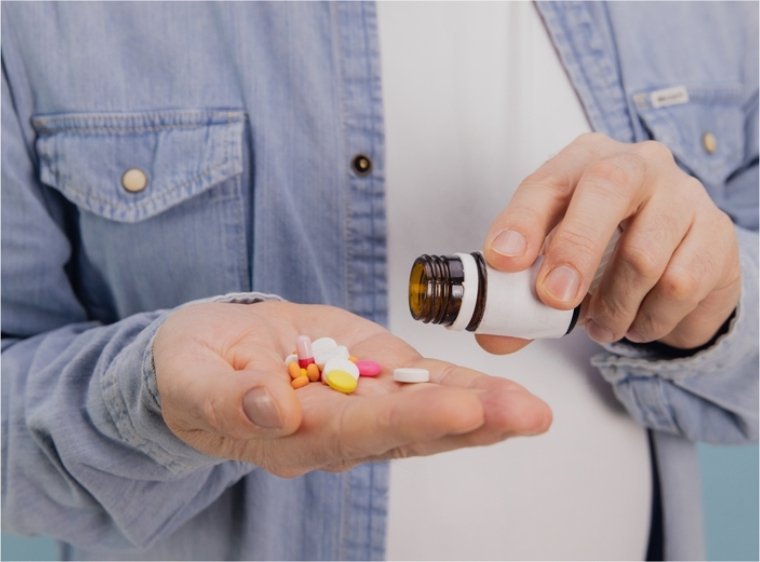
    Over–the–counter drugs are interchangeably called non-prescription drugs. Over-the-counter drugs are used in self-diagnosis and to relieve mild to moderate symptoms. These drugs do not offer a cure for chronic illness or any serious condition. These are no less than side effects. Long-term use of over-the-counter drugs may cause several adverse effects.

    What Are the Over-the-counter Medicines?

    Over-the-counter medicines are medicines that we can get directly from the market. They are easily available from any store, including drug stores, chemists, supermarkets, and household stores.

    Types of Over–the–counter Drugs

    Pain Releasing Medicine – These are the pain-relieving medicines used to reverse mild pain caused due to a small injury.

    The over-the-counter painkillers are used to treat headaches, body aches, or stomach pain. OTC painkillers include anti-pain, anti-fever, and anti-inflammatory medicines.

    The commonly used pain killers over the counter include:

    • • Acetaminophenone- It is used to treat mild pain, headaches, and colds.
    • • NSAIDS – They treat fever, pain, inflammation, and swelling. It includes – Ibuprofen, Naproxen, and Aspirin.

    Acid Neutralizer- These medicines are used for indigestion, heartburn, and include antacids, anti–gastric agents, and diarrhea drugs.

    Medicines for cold and cough – The medicines for cold are used to treat a runny nose, cough, and sneezing.

    Medicines for skin or topical use – The OTC skin preparations include medicines and lotions for itching, acne, and other anti-septic preparations.

    Medicine for allergy or mild symptoms – It includes antihistamines, steroids, and mast cell stabilizers.

    Medicine for loose stool – These are the medicines used to treat watery stool and alleviate muscle cramping and abdominal pain.

    Constipation Medicines – These are the stool-releasing medicines or the stimulants that cause gastrointestinal movement.

    Risk Factors for Taking Over-the-counter Drugs

    • • Abuse or Misuse – Many drugs are used for party or enjoyment can lead to addiction, euphoria, etc.
    • • Drug Combinations – Many other drugs given in combination with OTC drugs may cause certain side effects.
    • • Illness or Medical Condition – The OTC drugs can affect the underlying medical condition or health issue, like diabetes or cardiovascular issues.
    • • Incorrect Dosage – Due to unawareness of the dosage, many people are involved in overdosing or overusing.
    • • Incorrect Use – Some of the OTC drugs are taken incorrectly without having proper knowledge.
    • • Older Age – The OTC drug should be used cautiously in older age due to decreased GIT motility or absorption.

    The Best Alternatives for the Various Combinations

    • • Esomeprazole – Eprakast-40
    • • Esomeprazole and Domeperidone – Eprakast DSR
    • • L-leucine, L-isoleucine, L-valine – Hepakast

    Important Considerations for Buying OTC Drugs

    It is always recommended before buying OTC medicines to read carefully:

    • • Labels and ingredients
    • • Proper usage
    • • Expiry date
    • • Check out crucial warnings
    • • Consider drug interactions
    • • Clearly identify symptoms

    The Best OTC Drug Supplier

    Gandhi Medicos is the leading drug supplier and distributor, specializing in the distribution of both branded and generic drugs.

    Our diverse portfolio includes:

    • • Prescribed Medicines
    • • Non-prescription medicines
    • • Over-the-counter medicines
  • Urinary Retention – Muscular Dysfunction or Obstructive Disorder

    Urinary Retention – Muscular Dysfunction or Obstructive Disorder

    Urinary retention is often caused in adults or after surgery. It includes various causes like muscular weakness or physical obstruction.

    What is Urinary Retention?

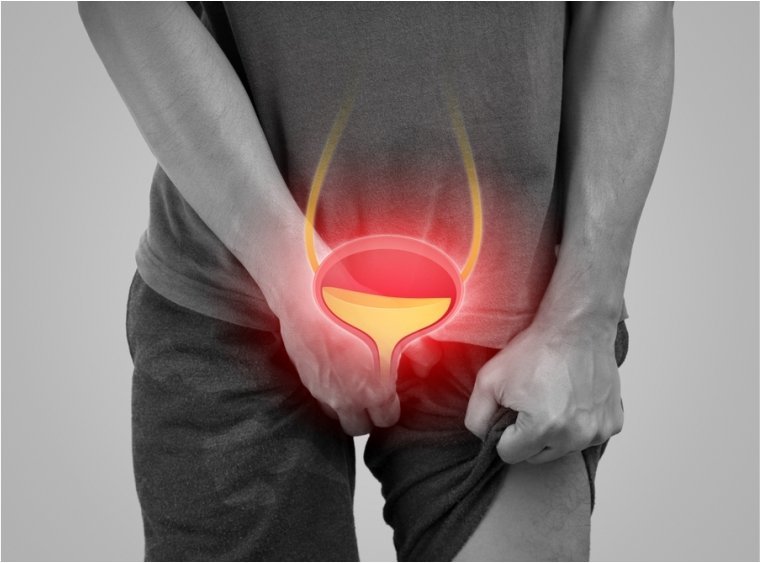
    It is a loss of urination or inability to empty the bladder. It may arise suddenly or may be a chronic condition. Acute urinary retention is the sudden loss of urination and is painful. Chronic urinary retention is a long-term condition that is slow and may progress to damage the kidneys.

    Urinary Retention Causes

    Physical Obstruction – It is the blockage to the flow of urine.

    • • Prostate Growth – Enlargement of the prostate gland exerts pressure on the urethra, obstructing the flow of urine.
    • • Relapse of the pelvic floor muscles – It is the weakening of the pelvic floor muscles in women after childbirth. The muscles lose their contractility, or other pelvic organs press against the urethra.
    • • Narrowing of the urethra – It is the tissue or scar that develops in the urethral tube, reducing the flow of urine.
    • • Tumors and stones – Uterine fibroid or tumors that obstruct the uterine opening causes urinary retention.
    • • Infection and swelling – Urinary tract infections or prostatitis in men cause inflammation and swelling, leading to obstruction in urinary flow.

    • Nerve disorder – It is a condition in which nerves are unable to send proper signals. It includes nerve injury, neuropathy, or brain disorders.

    • Muscle dysfunction – Its inability to contract or empty the bladder. It occurs due to muscular weakness or injury.

    • Post-operative Urinary Retention – After surgery or childbirth, the muscle loses its contractility due to some medications, etc., leading to urinary retention.

    Certain Medications – Several medications are proven to affect urinary functions.

    • • Antidepressants
    • • Muscle relaxants
    • • Anti-hypertensive

    Difference between Urinary Retention and Urinary Incontinence

    Urinary retention is the inability to urinate while urinary incontinence is the leakage of urine, it is inability to retain urine.

    Urinary Retention Symptoms

    Acute Urinary Retention

    • • Complete inability to pass urine.
    • • Painful urination
    • • Pain in the pelvic area or the lower abdomen.

    Chronic Urinary Retention Includes

    • • Increased urination frequency
    • • Difficulty in urination at the start.
    • • Uncontrolled or weak urine stream.
    • • Urine leakage
    • • Increased urination at night
    • • Always feeling to urinate even after immediate urination.

    Treatment and Medications for Urinary Retention

    • • Draining Urine – It is generally done in acute urinary retention to empty the bladder using a catheter. It immediately relieves symptoms like pain and urinary pressure.
    • • Treatment for Chronic Urinary Retention – Chronic urinary retention is treated by:
    • • Medication – It involves a group of treatments to improve various underlying causes, like infections, an enlarged prostate, etc.
    • • Surgery – Surgical methods are used to remove scar, tumor, enlarged prostate, or the urethral stent to remove the blockage.
    • • Non-surgical Approaches – It includes pelvic floor muscle exercises, vaginal suppositories, or bladder control training.

    The primary urinary retention medicine used after surgery or muscular atony –

    Urinary retention caused by muscular distention or after surgery due to the effect of anesthesia.

    • • Bethkast (Bethanechol Chloride) – it is widely used to treat urinary retention caused by muscular atony. Bethanechol mimics the cholinergic effect and causes the detrusor muscle to contract and empty the bladder. It is widely used in urinary retention caused by surgery or childbirth.
    • • Alpha-adrenergic Agonists – it is used in urinary retention caused by an enlarged prostate, it relax the muscles of the bladder neck and the prostate to reduce urinary restriction.
    • • 5-alpha Reductase Inhibitor – It shrinks the prostate gland and is widely used in urinary obstruction caused by an enlarged prostate.

    Why Gandhi Medicos is the Trusted Pharmaceutical Distributor?

    Gandhi Medicos leads the way in global pharmaceutical distribution due to its extensive supply chain networks and strong customer relationships.

    We are positioned as the trusted healthcare partners, wholesalers, and distributors, supplying top-quality (WHO-GMP certified) products to patients and global healthcare entities, including hospitals, clinics, and pharmacies.

    Our extensive portfolio comprises a range of life-saving medicines, offering tailored solutions for specific healthcare needs.

  • Does Erectile Dysfunction Last Forever, and What Are the Effective Medicines

    Does Erectile Dysfunction Last Forever, and What Are the Effective Medicines

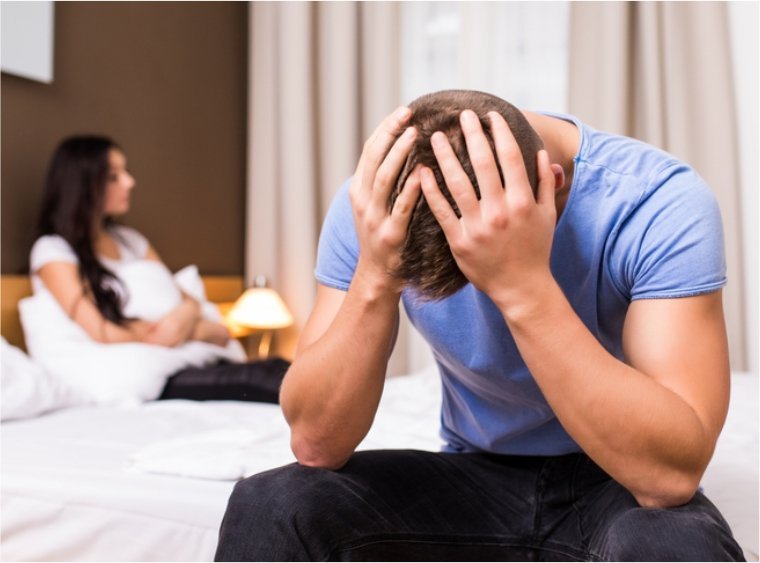
    Erectile dysfunction may not be the normal part of life, but it’s common, whether young or old. Several factors cause sexual dysfunction, including lifestyle, emotional or any other chronic disease.

    Erectile dysfunction, to a large extent, is highly treatable and manageable. ED dysfunction medicines like sildenafil, vardenafil have evaded the temporary erectile issues, helping achieve a stronger, firmer erection, even in cases when the underlying cause is not reversible.

    What is Erectile Dysfunction?

    Erectile dysfunction is a sexual disorder in which a man is unable to achieve a desired erection during sexual intercourse.

    Temporary Forms of Erectile Dysfunction

    • Situational ED – This is difficulty in sexual arousal or erection in certain specific situations and is highly sporadic. It may involve a relationship issue, a stressful situation, or any psychological condition. It is often linked to performance anxiety, depression, stress, sexual trauma, etc.
    • Temporary ED – It consists of persistent difficulty in erection due to an underlying disease, a cardiovascular problem, chronic stress, or long-term medication. It may involve pathological conditions like impaired blood flow, weak muscle contractions, or reduced testosterone levels.

    Erectile Dysfunction Symptoms

    Erectile dysfunction is the inability to erect during sexual activity or requires much stimulation for an erection. It includes either a complete loss of erection or a condition in which a person can erect, but it does not last longer, and fails to achieve orgasm.

    Causes of Erectile Dysfunction

    • Age – Sexual dysfunction increases with age. Men above 50 years have reduced secretion of sexual hormones.
    • Lifestyle causes – The massive sexual dysfunction in youth is more of a lifestyle issue than a medical condition.
    • Smoking – Long-term smoking and use of nicotine causes narrowing of blood vessels, obstructing blood flow to the penis to cause an erection.
    • Alcohol – Alcohol reduces sexual desire and causes premature ejaculation. Lowering the testosterone levels causes erection difficulty.
    • Other drugs – Drugs like marijuana, cocaine, heroin, etc. believed to induce erection, cause chronic erectile dysfunction, and can lead to permanent inability.
    • Being overweight – Excessive weight causes several health conditions like blocked arteries, insulin resistance, and reduced blood flow, which inadvertently affects erection.
    • Watching excessive porn – Watching a lot of porn causes dependency on sexual stimulation before intercourse. It also reduces psychological sexual desire.
    • Lack of physical activity – Long time sitting in jobs or loss of physical activity reduces blood circulation or muscular contractions in the penis, deterring an erection.
    • Stress and emotional well-being – The psychological condition affects the secretion of hormones and also affects erection. Stress, mental trauma, and depression reduce sexual arousal and cause performance anxiety or fear.
    • Medication and health condition – Various health issues and chronic conditions like diabetes, heart complications, cause inflammation, blockage, etc., and reduce blood flow to the penis. The medications for blood pressure, tranquilizers, or other hormonal medicines can cause erectile dysfunction. The injury to the penis or neuropathy or nerve damage obstructs the blood flow to the penis, causing difficulty in erecting.

    What Are the Best Erectile Dysfunction Medicines?

    • Viabest (Sildenafil) – improves erectile dysfunction and slows down disease progression.
    • Tadabest (Tadalafil) – improves erectile dysfunction and offers long–lasting effect.
    • Super Viabest (Sildenafil & Dapoxetine) – used in erectile dysfunction and premature ejaculation.
    • Dapobest (Dapoxetine Hydrochloride) – widely used in premature ejaculation.

    Gandhi Medicos – Top ED Medicine Supplier and Distributor

    Gandhi Medicos is the leading erectile dysfunction medicine supplier, offering the widest range of effective, safe sexual dysfunction medicines.

    Gandhi Medicos is the global exporter of ED medicines to countries in South America, Southeast Asia, and Africa.

    • • WHO-GMP certified medicines
    • • Global shipment
    • • Timely delivery
    • • 300 + generic ED medicines
    • • Top leading ED medicine brands
    • • Affordable PE medicines

    Choose Gandhi Medicos When Men’s Health Matters

  • A Deep Dive into Liver Transplants: How Does the Liver Regenerate?

    A Deep Dive into Liver Transplants: How Does the Liver Regenerate?

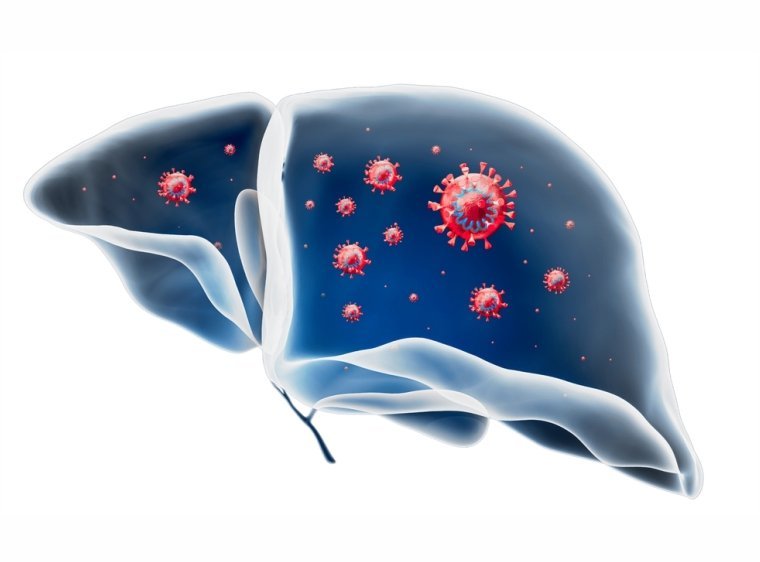
    The liver is the only organ that regenerates itself from a small tissue to a fully functional organ.

    It is this process that is widely used in liver transplant, in which a portion of the donor liver is placed in the recipient to regrow into a full organ.

    The unique feature of the liver to regenerate itself offers a horizon of hope for both the donor and the recipient.

    What is a Liver transplant?

    Liver transplant is a process in which the liver that is not working is replaced by a healthy liver from a donor. The liver is taken from the deceased donor or the live donor.

    Why is There a Need for a Liver Transplant?

    Liver transplant is widely needed in conditions when the liver fails to regrow or regenerate. The healthy hepatocyte cells are replaced by a tissue scar, the scar grows in size, and loses its ability to regrow or regenerate.

    • • Cirrhosis – It is the last stage where the liver fails to function normally. All the healthy cells are replaced by a scar.
    • • Liver Cancer – It is a cancer, which liver cells grow abnormally and lose their function.
    • • Severe Fatty Liver Disease – It is an accumulation of fat inside the liver that causes inflammation and liver scarring.
    • • Hepatitis – It is a condition that causes inflammation and leads to fibrosis and the formation of liver scars.
    • • Chronic Liver Diseases – Long-term liver infection, jaundice, Hepatitis B and C, and autoimmune diseases of the liver.

    How Liver Regenerate After a Transplant?

    Liver, with its regenerating nature, regains its full functions and size in both donor and recipient within a couple of months.

    • • The Priming Phase – It is the first phase where the liver cells respond to the growth factors.
    • • The Proliferation Phase – It is the secondary phase, where liver cells rapidly divide to grow.
    • • The Termination Phase – After the restoration of the liver size and functions, it is the inhibitory phase, where the hepatocytes stop dividing or multiplying.

    The Role of Anti-Rejection Medicines in Liver Transplantation

    Liver transplant recipients need lifelong medications to protect the graft and to reduce rejection.

    The antirejection medicines work in 3 phases –

    • • Induction Phase – The immunosuppressants are given before the surgery to prepare the body to accept the graft.
    • • Maintenance Phase – It includes the long-term use of immunosuppressant to suppress immune system to prevent organ rejection.
    • • Rejection Treatment – It is the use of a combination of anti-rejection medicines when the body starts to reject the graft after a successful transplant.

    Top-Quality Anti-Rejection Medicines, Available Worldwide

    • Tacrolimus (Xgraf) – Tacrolimus suppresses the immune system, attacking the new liver. It works by blocking T-cells, responsible for the immune response.
    • Mycophenolate Mofetil (Myfocept) – These inhibit the immune system by down-regulating white blood (Lymphocytes) cell formation. It inhibits cell-mediated antibody response.
    • Sirolimus (Rocas) – It inhibits the signal to lymphocytes to divide and multiply and to attack the new graft.
    • Corticosteroids – They include steroids like prednisone, which reduce inflammation and suppress immune cell activity.

    Gandhi MedicosTransplant Medicine Supplier and Exporter

    Gandhi Medicos, with two decades of pharmaceutical excellence in global supply and export, Gandhi Medicos marks a leadership in global pharmaceutical distribution.

    We strive to make essential healthcare accessible and within reach for everyone, supplying global standard, WHO-GMP certified medicines. Gandhi Medicos is a leading distributor of specialty medicines, covering various therapeutic segments such as oncology, hepatology, antivirals, and HIV.

    Your top-notch healthcare partner for trustworthy, authentic pharmaceuticals.

  • Gandhi Medicos –The leading Anticancer Drug distributor in Nairobi, Kenya

    Gandhi Medicos –The leading Anticancer Drug distributor in Nairobi, Kenya

    Gandhi Medicos is the leading pharmaceutical distributor of anticancer medicines from India to the global markets.

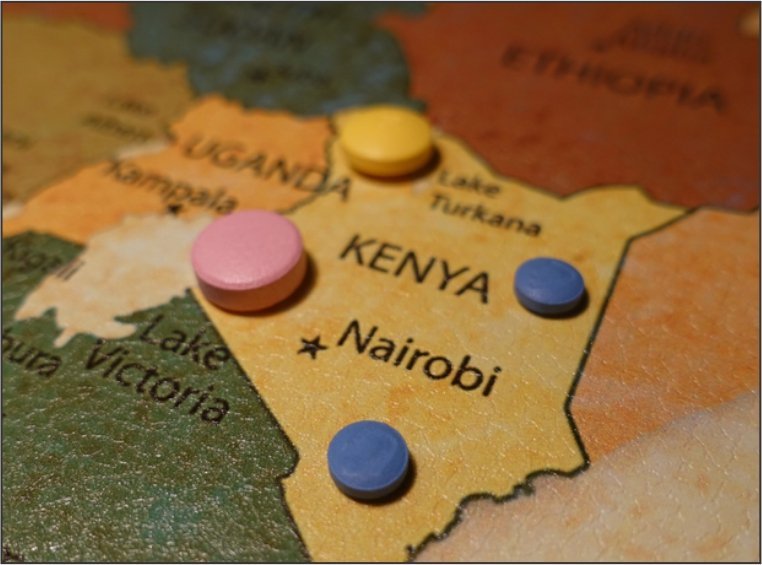
    In Kenya, Cancer is one of the leading causes of death. With the expanding oncology care and demand for advanced cancer care, Gandhi Medicos is positioned to ensure the distribution of top-quality anticancer medicines across Kenyan hospitals and pharmacies.

    With a remarkable presence in Kenya, Gandhi Medicos bridges the affordability gap in cancer care, making advanced anticancer treatment and medicines accessible across Kenya.

    Gandhi Medicos – Bulk Supplier of Life-Saving Cancer Medicines in Nairobi, Kenya

    Serving the Kenyan population, we are the leading distributor, wholesaler, and bulk supplier of anticancer medicines in Kenya.

    • • Strong Supply Chain Network – With strong logistics and temperature-controlled shipments, Gandhi Medicos ensures to preservation of the therapeutic efficacy of the medicines.
    • • Global Distribution – With global collaborations, Gandhi Medicos facilitates bulk supplies to the global hospitals, clinics, and medical centers, offering a wide range of alternative generics.
    • • Regulatory Harmonization – Our regulatory team aligns with the evolving regulatory standards in the countries.

    A Trusted Healthcare Partnership

    Gandhi Medicos supports cancer care programs through collaborations with local healthcare systems and international organizations. Working together with our global partners, we provide quality healthcare affordable to the Kenyan population.

    • WHO-GMP certified products
    • • Global shipping to 50+ countries
    • • Temperature-Controlled Delivery
    • • 400+ ethical brands
    • • 500+ generics
    • • Affordable medicines

    A Wide Range of Anticancer Medicines Only at Gandhi Medicos

    We offer a range of advanced oncology care medicines:

    • • Chemotherapy medicines
    • • Targeted therapy medicines
    • • Hormonal therapy medicines

    Nairobi’s Leading Specialty Pharma Distributor

    We are the top specialty care distributors in Nairobi, offering a comprehensive range of specialty medicines and pharmaceuticals tailored for the Kenyan and African markets.

    We specialize in Oncology, Hepatology, Antiviral, HIV, Nephrology, and Rheumatology. Our business spans the export, wholesale, and distribution of branded generics and generics across East Africa. With unwavering customer satisfaction and a robust distribution network, we have emerged as the leading pharmaceutical wholesaler in Kenya.

    Open for Partnerships and Collaborations

    We are open to long-term partnerships, licensing agreements, and marketing collaborations to bring the advanced healthcare solutions approachable to the Kenyan population.

    Expanding our therapeutic range, we aim to partner with certified manufacturers, importers, hospitals, and distributors in Kenya.

    Top Selling Anticancer Medicines in Nairobi

    • Abirakast (Abiraterone Acetate) – Widely used for resistant prostate cancer that does not respond to hormonal deprivation therapy.
    • Indenza (Enzalutamide) – Next-generation Anti-androgen drug with improved survival and fewer side effects. Widely used for advanced-stage prostate cancer.
    • Lenvakast (Lenvatinib) – Targeting Multiple Cancers. Effectively used against kidney cancer, liver cancer, and thyroid cancer.

    Gandhi Medicos – Global Pharmaceutical Leadership and Trusted Healthcare Partner in Kenya.

  • The Affordable Anticancer Medicines in Ghana from India

    The Affordable Anticancer Medicines in Ghana from India

    Driven by a singular purpose: to turn scientific progress into real hope for patients. It’s a vision of healthcare without borders. With over 19 years of pharmaceutical distribution, Gandhi Medicos is the leading supplier and exporter of anticancer drugs in Ghana.

    Living with cancer is not just a health repercussion; the high cost of treatment and medicine imposes severe financial burdens.

    At Gandhi Medicos, we strive to bridge the gap through affordable access to advanced treatments.

    Gandhi Medicos—The Leading Generic Anticancer Medicine Exporter, Wholesaler in Ghana

    India, recognized as a global pharmaceutical hub, is the hub for manufacturing world-class generic anticancer drugs due to its lower development costs, world-class manufacturing capabilities, and global regulatory compliance.
    We aim to bring affordable generics to your doorstep, ensuring that no one is deprived of essential healthcare.

    • • Generic Anticancer Medicines – We deliver the widest range of affordable generic anticancer medicines. 300 + anticancer generic drugs.
    • • Branded Anticancer Medicines – We offer a range of top leading anticancer medicines and brands. 400 + top leading anticancer drugs.
    • • A Wide Product Portfolio – We encompass a range of advanced anticancer treatment medicines.
    • Hormonal therapy medicines
    • Targeted therapy medicines
    • Chemotherapy medicines

    Gandhi Medicos—Your Trusted Healthcare Partner in Ghana

    Our stringent quality controls and verification processes have earned us a trusted name as a leading anticancer medicines supplier in Ghana.

    • • Global Standard Medicines – We outsource medicines from WHO-GMP certified manufacturers.
    • • Robust Supply Chain and logistics – Our strong logistics partnerships ensure timely deliveries and temperature-controlled shipments aimed at preserving product integrity.
    • • Good Distribution Practices – We adhere to standard distribution practices for storage and handling throughout the entire supply chain to ensure safe and effective product delivery.
    • • Regulatory Compliance – We adhere to global import and export regulations and supply chain standards.
    • • Product Portfolio and Competitive Pricing – We encompass a wide range of generic anticancer medicines that are quality-efficient and affordable.
    • • End-to-end Customer Support – Our team of customer care representatives offers full support and guidance at every step, from order placement to order procurement.
    • • Leveraging Innovative Technology – We implement digital solutions like: Modern cloud-based ERP software for transparent and smooth working.
    • • Safe and Easy Transactions – We implement trusted, encrypted technology standards to ensure safe transactions, protecting customer information.

    Partnerships and Collaborations with Top Pharmaceutical Manufacturers

    Partnering with top pharmaceutical manufacturers, we deliver authentic, premium-quality products.

    • Cipla – The leaders in oncology care, manufactures the advanced anticancer medicines and innovative therapies.
    • Aprazer Healthcare – The top leading anticancer medicine manufacturer from India, with world-class infrastructure, manufactures a wide range of affordable generic anticancer medicines.

    Why Choose Gandhi Medicos for Affordable Anticancer Medicines in Ghana?

    • WHO-GMP certified medicines
    • • Global Delivery
    • • 100 percent authentic medicines
    • • Temperature-controlled shipment
    • • Timely delivery and customer support
    • • Affordable range of generic anticancer medicines
    • • 300 + generic anticancer medicines
    • • 400+ top leading anticancer brands

    Partnering with distributors, hospitals & healthcare providers across Ghana, Gandhi Medicos is the leading anticancer medicine supplier in Ghana.

  • Most Patients Don’t Realize They Have Bone Loss Until They Break a Bone

    Most Patients Don’t Realize They Have Bone Loss Until They Break a Bone

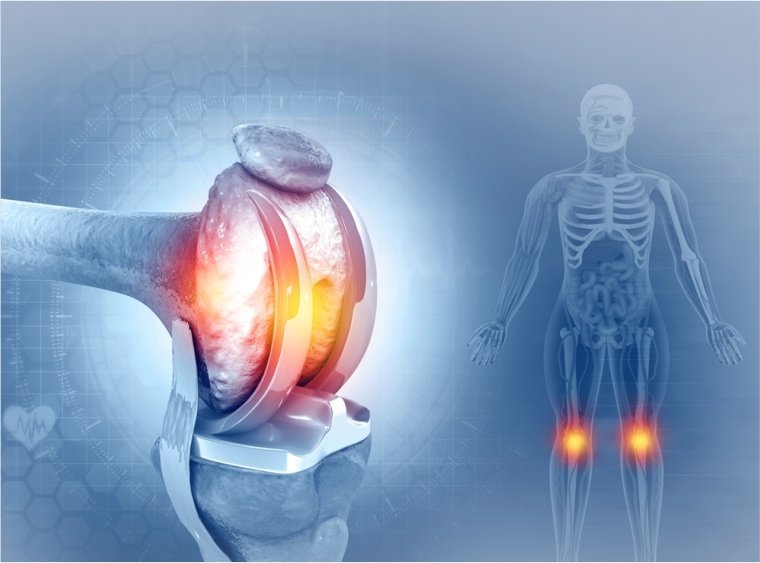
    Bone loss is common with age. The bones lose minerals like calcium and thins to form perforations. However, certain illnesses, cancer, or various treatments also cause bone loss regardless of age.

    What is Bone Loss?

    Bone loss is a serious condition that causes minerals to be lost from the bone, lowering its strength. It is a condition body is unable to produce new bone cells to replace the old cells.

    The Causes of Bone Loss

    • • Growing Age – Age causes the reduced secretion of hormones. The reduction in estrogen secretion and testosterone secretion weakens the bone, delays new bone formation.
    • • Less Physical Activity- The inactive lifestyle, use of less nutritious food (vitamin D or calcium), amusement drugs, etc., increases bone resorption.
    • • Tobacco Use – Smoking tobacco increases the risk of bone loss, excretes calcium, and reduces calcium absorption.
    • • Alcohol Use – The use of excess alcohol causes GIT disturbance, malabsorption of essential nutrients.
    • • Hormonal Shifts – Hormonal fluctuation, like reduced estrogen or testosterone, and hyperthyroidism, increases the risk of bone resorption.
    • • Chronic Diseases and Conditions- The diseases of the joint or bone tissues and the chronic liver or kidney diseases increase the risk of bone demineralization.
    • • Cancer and its Treatment- The cancers that occur in the bone marrow or are metastasized cancers of the bone reduce the new bone formation. The cancer therapies, chemotherapy, hormonal, or radiation therapy distort the formation of new bone cells and tissues and increase the bone degradation.
    • • Long–Term Use of Medicines- Prolonged use of medicines reduces the formation of new bone cells, inhibits calcium absorption, and increases bone degradation.
      Proton-pump inhibitors,
      Anti-epileptic drugs,
      Anticoagulants,
      Corticosteroids, and
      Hormonal drugs

    Cancer-related Issues-

    • • Hypercalcemia – certain cancers cause bone thinning by releasing bone calcium into the blood, causing a condition of hypercalcemia.
    • • Multiple Myeloma – it is used in the bone marrow cancer, helps reduce bone pain, and delays bone degradation.
    • • Bone Metastases – it is used in cancers that have spread to the bones, it delays bone degradation and other skeletal issues.

    Symptoms of Bone Loss

    Early symptoms of bone thinning:

    • • Brittle nails
    • • Loosening of the denture
    • • Low grip in hands
    • • Receding of gums

    Advanced-stage symptoms and disease progression:

    • • Frequent bone fractures
    • • Collapsing vertebrae
    • • Pain in the back
    • • Losing height
    • • Development of bent or stooped posture.

    The Commonly Used Medicine for Bone Loss

    Zoldokast – Zelderonic acid
    It is a class of bisphosphonates and a highly prescribed medicine used in oncology care settings for supportive cancer therapies to reduce bone loss side effects caused by cancer treatments. These are the drugs that slow down the bone degradation process. They increase the bone density.

    Other Uses of Bone Loss Medicine (Zoldokast)

    • • Osteoporosis
    • • Paget’s disease
    • • Corticosteroid-induced osteoporosis
    • • Osteogenesis imperfecta

    How Do Bone Loss Medicines Work?

    Bisphosphonates reduce the formation of osteoclasts, which causes a reduction in bone degradation. Osteoclasts are naturally formed cells in the body that cause the breakdown of old bone cells, damaged cells, and generate space for the formation of new bone cells. Osteoblasts cause the formation of new bone cells and tissues.

    Benefits of Bone Loss Medicines

    • • Reduce fracture risk
    • • Prevent bone loss
    • • Increases bone density

    What Are the Side Effects of Bone Loss Medicines?

    • • Allergic reaction
    • • Pain in the jawbone
    • • Pain in the thigh bone
    • • Fracture in the thigh bone
    • • Nausea
    • • Tiredness
    • • Headache
    • • Pain throughout the body
    • • Redness in the eyes
    • • Vision changes

    Gandhi Medicos – The Leading Distributor and Supplier

    Gandhi Medicos, with 19 years of legacy and excellence in pharmaceutical services, is the leading pharmaceutical distributor, supplying a range of life-saving medicines. Our product portfolio includes a range of anticancer medicines, osteoporosis medicines, HIV medicines, Hepatitis medicines, etc.

    • WHO-GMP certified medicines
    • Affordable anticancer medicines
    • • Assured quality and safety
    • • 300+ generic anticancer medicines
    • • Temperature-controlled shipment
    • • Timely delivery
  • Myeloma and the Link to Ocular Manifestations

    Myeloma and the Link to Ocular Manifestations

    The eye dysfunctions may be caused due to several diseases or as a side effect of various treatments. Blurring of vision or other eye defects can be an early sign or symptom of myeloma.

    What is Myeloma?

    Myeloma is a blood cancer that affects white blood cells, which help the body fight back against the cancer. It is a type of plasma cell cancer. The abnormal plasma cells produce excess antibodies that lose their function to fight cancer cells, and damage other organs like the kidney, liver, etc.

    How Does Myeloma Affect the Eyes?

    Plasma Cell Infiltration—

    The plasma cells directly infiltrate into the orbit (eye socket) or the other eye tissues. It leads to various issues like –

    • • Bulge in the eyes,
    • • Double vision,
    • • Pain, swelling in the eyes, and the eyelid.

    Increased Thickness of the Blood (Hyperviscosity)

    The excessive amount of plasma cells in the blood causes thickening of the blood, slows down blood flow to the retina, and forms blood clots in the eye, leading to –

    • • Blurred vision
    • • Bleeding in the eye (retinal hemorrhage)
    • • Double vision
    • • Difficulty to focus
    • • Retinal detachment
    • • Formation of blind spots

    Crystalline Deposits

    The abnormal paraproteins produced by excess secretion of immunoglobulin build up around the eyes, leading to crystalline deposits in the cornea or other structures.
    It causes pain, bulging of the eyes, and double vision.

    Optic Nerve Compression

    It is the plasma cell tumor or lesion in the orbital bone that exerts pressure on the optic nerve, leading to vision loss, eye pain, and double vision.

    POEMS Syndrome

    It is a rare condition that occurs due to a blood disorder. It causes the optic nerve to damage and swell, leading to vision loss and dysfunction.

    Increased Risk of Infections

    Myeloma is a cancer of the immune cells. Reduction in the body’s immunity increases the vulnerability to infections like shingles, herpes, etc., and other eye infections.

    Myeloma Causes Eye Symptoms as –

    • • Changes in the vision
    • • Dry eyes
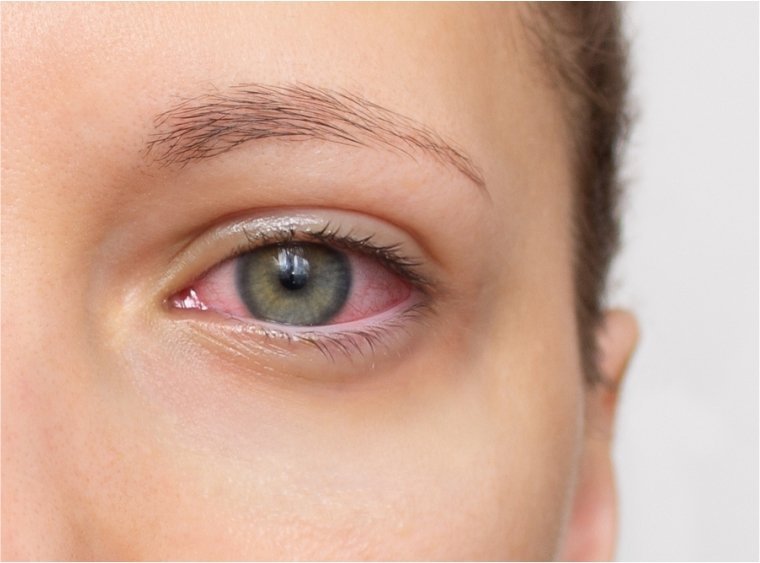
    • • Redness in the eye
    • • Irritation in the eye
    • • Photosensitivity
    • • Easy bruising
    • • Watery eyes
    • • Unusual discharge

    Ocular Side Effects From Myeloma Treatment?

    The myeloma treatment, involving the high-dose corticosteroids and other chemotherapy drugs, causes ocular side-effects like retinal hemorrhage, conjunctivitis, and cataracts, etc.

    • Corneal Damage– It is the use of corticosteroids that causes a lesion of the epithelial layer of the cornea, or damages the cornea, leading to gritty or sore eyes.

    • Dry Eyes – The stem cell transplantation or chemotherapy suppresses tear formation by damaging or inhibiting the lacrimal glands, or the neuropathy (nerve damage) reduces eye movement and leads to dryness and irritation in the eye.

    • Cataracts: long-term use of steroids causes changes in the structure of the lens, clumping together lens protein, leading to the formation of patches.

    • Glaucoma: The corticosteroid or other immunomodulatory drugs reduce the ability to drain intraocular fluid, causing fluid retention and increasing intraocular pressure. Excessive pressure may cause optic nerve damage, leading to peripheral vision loss.

    • Eye Infections: The myeloma and its treatment reduce immunity, increasing the risk of eye infections like conjunctivitis, etc.

    • Other Health Conditions – various conditions like diabetes, high blood pressure, and thyroid disease increase the risk of eye dysfunction in myeloma patients.

    Key Takeaways –

    Myeloma or its treatment commonly affects the eyes. The regular screening and early detection of ocular symptoms help take timely measures to prevent eyesight loss and improve quality of life.

    A Trusted Name in Anticancer Drug Distribution and Export

    Gandhi Medicos is at the forefront of cancer care and anticancer drug distribution. It is the trusted anticancer drug exporter to countries worldwide, offering global standard care and premium quality products.

    • • WHO-GMP certified anticancer medicines
    • • Extensive catalogue – 300 + generic, 400 + brands
    • • 100 percent authentic medicines
  • The BRCA Gene and Cancers of the Reproductive System

    The BRCA Gene and Cancers of the Reproductive System

    BRCA-1 (breast cancer gene -1)

    BRCA-2 (breast cancer gene 2)

    What are the BRCA-1 and BRCA-2 Genes?

    These are the genes inherited from the parents, one copy from either. The BRCA genes help repair damaged DNA. These are tumor suppressant genes that inhibit uncontrolled cell division and proliferation. The mutations in the BRCA genes initiate excessive cell proliferation in both males and females.

    Risk Factors for BRCA Gene Mutations—

    • Family history – If any of the close family members have breast or ovarian cancer, or any other cancer, like pancreatic cancer or prostate cancer, it increases the risk of BRCA gene mutation. A family member having breast cancer at an age of less than 50 years indicates a risk of BRCA gene mutation.
    • Personal history of cancer – Cancer history of breast cancer, prostate or pancreatic cancer increases the risk of BRCA mutations. A person having multiple cancers causes mutations in the BRCA genes.
    • Ethnicity / Ancestry – people of Ashkenazi Jewish descent are at higher risk for BRCA gene mutations. Compared to the general population, the risk of BRCA gene mutation increases 10 times in Ashkenazi Jews (Central and Eastern European ancestry) because their ancestors had certain mutations which carried on to the next generations.
    • Recurrent breast cancer or cancer in both breasts – The cancer that occurs in both the breasts and that which returns indicates harmful mutations of the BRCA genes, which may pass into the next generation.

    Types of Cancers Caused by BRCA-1 Gene Mutations

    • Breast Cancer – The mutated BRCA-1 gene has an early onset of triple-negative breast cancer or cancer in both breasts. The cancer caused by a BRCA mutation has a chance of coming back and recur after 20 years or before.
    • High-Grade Serous Ovarian Cancer – It is a common cancer that develops in the epithelial cells or the surface cells of the ovaries or fallopian tubes. It comprises 60-80 percent of ovarian cancers.

    Other cancers less likely to be caused by the BRCA-1 mutation include –
    Pancreatic cancer, prostate cancer, and skin cancer.

    Types of Cancers Caused by BRCA-2 Gene Mutations

    • Breast cancer – The BRCA-2 gene mutation alleviates the risk of breast cancer in both females and males. It is strongly linked to breast cancer in men in both breasts.
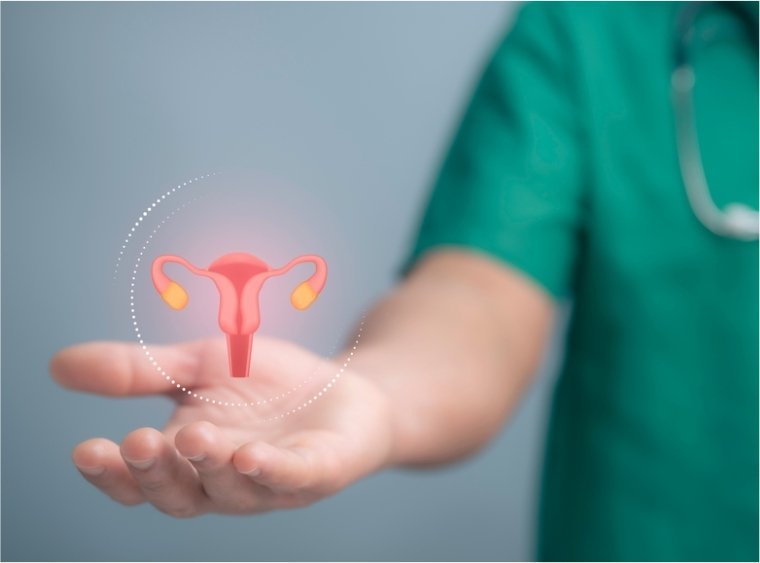
    • Ovarian cancer – Both BRCA-1 /2 mutations elevate the risk of ovarian cancer. The risk caused by the BRCA-2 mutation is lower than that caused by the BRCA-1 mutation.
    • Prostate cancer – Men with the BRCA-2 mutation have a high risk of getting aggressive prostate cancer that spreads rapidly to bones and lymph nodes. They usually have an early onset of prostate cancer before 60 year age of.
    • Pancreatic cancer – BRCA-2 gene mutations increase the risk of highly aggressive and fast-spreading pancreatic cancer at a younger age.
    • Melanoma (skin cancer) – The changes in the DNA or the BRCA-2 gene caused by UV radiation increase the risk of skin cancer, melanoma in the eye, and the skin.

    How to Manage the Risk of the BRCA Gene Mutation?

    Knowing the risk of BRCA gene mutations helps in taking early preventive steps for effective management.

    • Enhanced Screening – People bearing the risk of BRCA mutations should strictly start regular breast cancer screening and other cancers, like pancreatic cancer or prostate cancer, at a younger age.
    • Preventive Surgeries – The tissues that are likely to develop cancer are being removed, like the removal of both the breasts, ovaries, and fallopian tubes.
    • Risk-reducing Medicines – Tamoxifen and raloxifene are often used as preventive treatment to reduce the risk of BRCA gene-mediated breast cancer. The pills used to avoid childbirth (oral contraceptives) also reduce the risk of ovarian cancer.
    • Lifestyle Measures – An active lifestyle with optimum physical activity and controlling weight, alcohol, limiting UV exposure, and smoking reduces the risk of developing cancer.
    • Targeted Therapies – The various chemotherapy drugs used in BRCA-related cancer include –
    • Platinum Chemotherapy – Carbokast (Carboplatin), Cycokast (Cisplatin). PARP inhibitors – Niraparib, Talazoparib, and Olaparib (Olaparib) are highly effective in breast cancer, ovarian cancer, and prostate cancer.

    Gandhi Medicos – A leading Oncology Drug Distributor

    Gandhi Medicos, with 19 years of legacy in pharmaceutical drug distribution, is the bulk oncology medicine supplier serving the leading hospitals, oncology care centers, and clinics globally.

    Drugs sourced from WHO-GMP certified manufacturers, verified quality, and assurity.