Category: Blog

  • Choosing Myfortic 360 mg Tablet for Kidney Transplant Patients?

    Choosing Myfortic 360 mg Tablet for Kidney Transplant Patients?

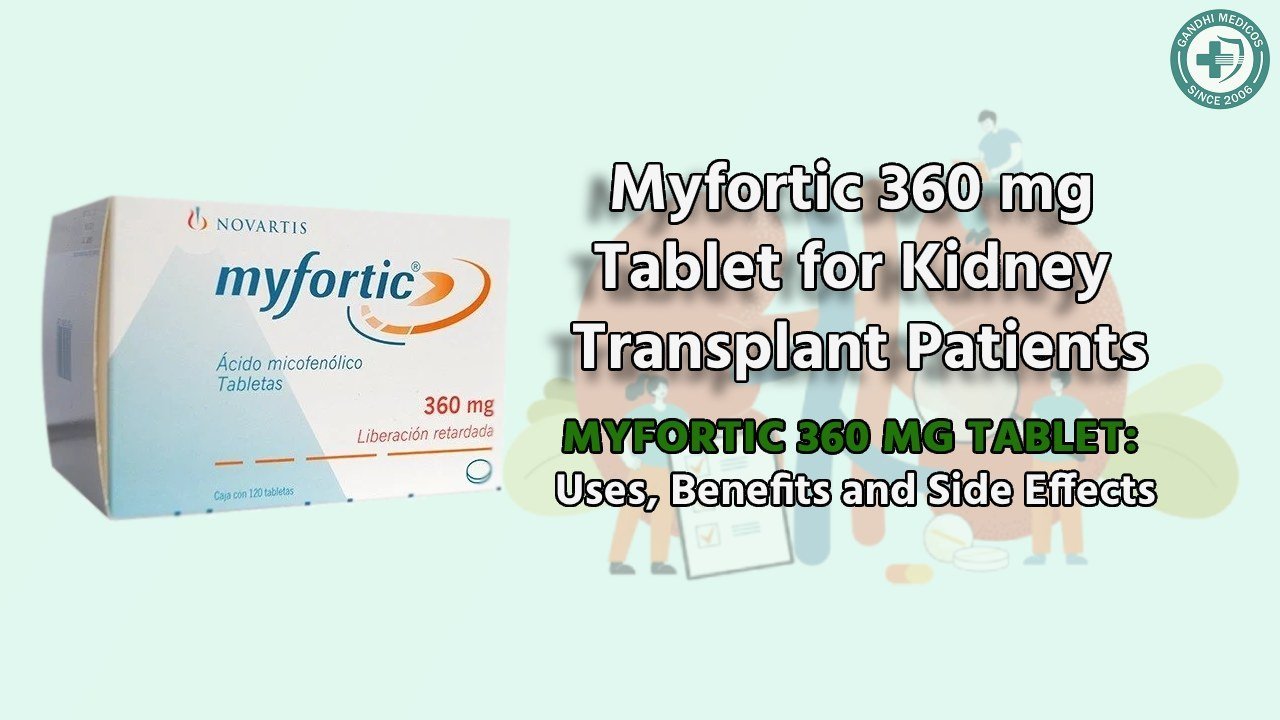
    Myfortic 360 mg Tablet: Uses, Benefits, and Side Effects

    Myfortic 360 mg tablet is a prescription medication commonly used for immunosuppression in patients who have received a kidney transplant. Its active component, mycophenolic acid, works to stop the transplanted organ from being rejected. The Myfortic 360 mg tablet uses, advantages, and possible side effects will all be covered in this article.

    Myfortic 360 mg Uses

    Prevention of organ rejection: Patients who have had kidney transplantation are typically prescribed Myfortic 360mg tablet to stop the rejection of transplanted kidneys. It works by suppressing the immune system, thus reducing the risk of rejection.

    Benefits of Myfortic 360 mg Tablet:

    Increased transplant success: Myfortic 360 mg tablet considerably improves the chances of a successful kidney transplant by reducing organ rejection. It enables patients to experience greater kidney health and a higher standard of living.
    Lower dosage frequency: A special delayed-release formulation of the Myfortic 360mg tablet enables less frequent administration. In contrast to other immunosuppressive medications that might need to be administered more frequently, patients can take them twice a day.
    Reduced side effects: Myfortic 360mg tablet has been observed to have a lower incidence of various side effects, such as high blood pressure and high cholesterol levels when compared to several other immunosuppressive medications. This may have a favourable effect on transplant patients’ overall health.

    Myfortic 360 Side Effects:

    Gastrointestinal disturbances: The Myfortic 360 mg tablet’s typical side effects include indigestion, stomach pain, nausea, vomiting, and diarrhoea. By taking the drug with food or as directed by the healthcare professional, these symptoms are frequently manageable.

    Increased risk of infections: Myfortic 360mg tablet’s immunosuppressive characteristics can reduce the body’s capacity to fight infections. Patients using this medication need to be careful to practise proper hygiene and keep their distance from those who are infected.

    Blood disorders: Myfortic 360mg tablet occasionally can impair the creation of blood cells, resulting in diseases such as leukopenia (lower white blood cell count) or anaemia. For the detection and management of these side effects, routine blood testing and close supervision by a healthcare practitioner are important.

    Conclusion:

    Myfortic 360 mg tablet is a valuable medication for preventing organ rejection in kidney transplant patients. While it provides several benefits, it’s essential to be aware of potential side effects and consult with your healthcare provider for proper management. When purchasing medicines like Myfortic 360mg tablet, consider reliable sources like Gandhi Medicos can provide peace of mind, ensuring you receive genuine medications at competitive prices, with efficient delivery services. How should I take Myfortic 360mg Tablet? You should take Myfortic 360 mg Tablets exactly as directed by your doctor. Normally, it is taken twice daily, either with or without food. Avoid breaking, chewing, or crushing the tablet. Along with a glass of water, swallow it whole.What should I do if I miss a dose of Myfortic 360mg Tablet? If you forget to take a dose, do so as soon as you remember, unless your next dose is practically due. Skip the missed dose in that situation and carry on with your normal dosage plan. Do not take both dosages at the same time. Can I take other medications along with Myfortic 360mg Tablet? All of the medications you are currently taking, including prescription, over-the-counter, and herbal supplements, must be disclosed to your healthcare physician. The effectiveness of Myfortic 360 mg Tablet may be impacted by interactions with other medications, which may also raise the possibility of negative side effects. How long do I need to take Myfortic 360mg Tablet? Your healthcare professional will decide how long you will need to take Myfortic 360mg Tablets. It is typically administered for long-term usage to protect transplant patients against organ rejection. Continue taking the medication according to the prescription as prescribed by your doctor. Can I drink alcohol while taking Myfortic 360 mg Tablet? Alcohol consumption should be avoided or kept to a minimum when using Myfortic 360mg Tablet. Alcohol and medication can interact, which could make some side effects more probable pregnant or breastfeeding women take Myfortic 360 mg Tablet? Myfortic 360 mg Tablet might be harmful to an unborn child. If the hazards are not outweighed by the potential benefits, it is not advised during pregnancy. Additionally, because it could contaminate breast milk, it is not advised for women who are breastfeeding. You should get advice from your healthcare provider in these circumstances.


  • Prostate Cancer is a Leading Cancer in Men – Causes, Symptoms & Treatment

    Prostate Cancer is a Leading Cancer in Men – Causes, Symptoms & Treatment

    Prostate Cancer – One of the Leading Cancers in Men

    Prostate cancer is one of the leading cancer in men, In the last few years prostate cancer is increasing in youngsters also. We examine the causes, signs, and therapies for prostate cancer in this article, as well as two popular medications used to manage it: Glenza 40mg Capsule (enzalutamide) and Abirapro Tablet (abiraterone acetate). Although there is evidence that these medications are beneficial, it is important to be aware of both their possible advantages and negative effects before choosing them as a treatment option.

    Understanding Prostate Cancer: Causes and Symptoms

    The prostate gland, a tiny walnut-shaped organ situated in front of the rectum and just below the bladder, is where prostate cancer is born. There are a few risk factors that have been identified, despite the fact that the exact causes of prostate cancer are not completely known. Age is a key issue because it increases the chance of prostate cancer, especially beyond the age of 50. Other risk factors include a family history of prostate cancer, ethnicity, and certain genetic mutations.

    Prostate cancer symptoms might change based on the disease’s stage and course. Prostate cancer frequently has no symptoms at all in its early stages. Men may, however:

    • Frequent urination, especially during the night
    • Weak urine flow or difficulty in starting and stopping urination
    • Blood in the urine or semen
    • Erectile dysfunction or difficulty achieving/maintaining an erection
    • Painful ejaculation
    • Pelvic pain or discomfort
    • Back pain, particularly in the lower back
    • Bone pain or fractures which may indicate that cancer has spread to the bones
    • Unexplained weight loss and fatigue
    • Swelling in the legs or pelvic area due to lymph node involvement

    These are the symptoms of prostate cancer. Consult a medical expert right away for an accurate diagnosis if you or a loved one experiences any of these symptoms.

    Introducing Glenza 40mg Capsule (enzalutamide): A Prostate Cancer Medication

    Glenza 40mg Capsule (enzalutamide) is a widely recognized medication used in the treatment of prostate cancer. It contains the active component abiraterone acetate, which reduces the synthesis of testosterone, a hormone that feeds the growth of prostate cancer cells, by inhibiting an enzyme called CYP17. Glenza 40mg Capsule (enzalutamide) significantly inhibits the progression of prostate cancer and aids in managing the condition by inhibiting testosterone production.

    It is crucial to remember that Glenza 40mg Capsule (enzalutamide) must be taken exactly as directed by a certified healthcare provider. Depending on the patient’s unique condition and pharmaceutical reaction, the dosage and length of the course may change. Even though Glenza 40mg Capsule (enzalutamide) has demonstrated notable advantages in the treatment of prostate cancer, it is critical to be aware of potential negative effects. Fatigue, joint pain, muscular aches, hot flashes, and hypertension are some typical adverse effects. To completely grasp the potential risks and advantages of this medicine, it is necessary to speak with a healthcare provider.

    Exploring Abirapro Tablet (abiraterone acetate): Option for Prostate Cancer Treatment:

    Another medication that is frequently used for the treatment of prostate cancer is Abirapro Tablet (abiraterone acetate). Similar to Glenza 40mg Capsule (enzalutamide, its active component, abiraterone acetate, blocks the synthesis of testosterone, which prevents the growth of cancerous cells in the prostate gland. To increase the efficiency of Abirapro Tablet (abiraterone acetate), other drugs are frequently taken with it. Abirapro Tablets are highly demanded in Egypt and Malaysia because prostate cancer is increasing in these countries.

    It is necessary to take Abirapro Tablet exactly as prescribed by a doctor, as is the case with other medications. Depending on the patient’s specific needs, the dosage and treatment plan may change. Although Abirapro Tablet has shown positive results in the treatment of prostate cancer, it is important to be aware of potential adverse effects. Fatigue, fluid retention, hypertension, liver toxicity, and electrolyte abnormalities are a few of the side effects frequently linked to Abirapro Tablet. It’s important to go over these possible side effects with your healthcare professional and to get help if any negative reactions happen.

    Gandhi Medicos: Your Trusted Provider of Prostate Cancer Medications in Malaysia

    Gandhi Medicos is aware of the value of accessible and reasonably priced pharmaceuticals for Malaysians facing prostate cancer. We ensure that patients have access to these important medicines by providing Glenza 40mg Capsule (enzalutamide) and Abirapro Tablet (abiraterone acetate) at affordable costs as a trusted supplier. Gandhi Medicos is dedicated to providing high-quality healthcare products, and this commitment helps Gandhi Medicos to support people in their fight against prostate cancer.

    Serving Malaysia: Covering Key Locations

    Gandhi Medicos provides services around Malaysia to make sure those in need have easy access to their prescriptions. The following are some of the areas Gandhi Medicos serves:

    • Kuala Lumpur
    • Bandar Saujana Utama
    • Puchong, Selangor
    • Petaling Jaya
    • Jelebu, Negeri Sembilan
    • Seri Kembangan
    • Melaka
    • Klang
    • Chemor, Perak
    • P.J., Selangor
    • Ipoh, Perak
    • Selangor

    Gandhi Medicos works to make prostate cancer treatments widely accessible to those who require them in Malaysia, whether you live in the busy capital city of Kuala Lumpur or the peaceful hamlet of Melaka. People can easily and affordably get the required prescriptions by contacting Gandhi Medicos.

    In conclusion, prostate cancer is a cancer that affects males in Malaysia frequently. In order to effectively manage this disease, it is important to understand its causes, symptoms, and potential treatments. Enzalutamide (Glenza 40mg Capsule) and abiraterone acetate (Abirapro Tablet) are two medicines that are frequently used to treat prostate cancer and have considerable advantages for patients. However, in order to choose the best course of therapy depending on unique circumstances, it is imperative to speak with a healthcare professional. Gandhi Medicos is a reputable supplier of these medications, serving numerous areas in Malaysia and making sure that patients have access to cost-effective and superior healthcare options.

  • How Do I Know If I Have Breast Cancer? Symptoms & Treatments

    How Do I Know If I Have Breast Cancer? Symptoms & Treatments

    Breast Cancer & Breast Cancer Symptoms

    Breast Cancer Symptoms and causesA person will have breast cancer if the cells in their breast start growing and dividing in an abnormal and uncontrolled way, forming a breast tumor. Although breast cancer is a severe type, with advancements in medical conditions and the availability of medicines like the Letrohope 2.5 Tablet, it is possible to treat breast cancer at any stage.

    Breast Cancer Symptoms:

    • Change in shape, size, and contour of the breast
    • A lump or mass that may feel like a pea
    • Redness of the skin on your nipple or breasts
    • The hardened area under your breast skin
    • Dimpled, puckered, or inflamed breast
    • Change in the feel or look of your breast skin
    • Clear fluid discharge or blood-stained discharge from the nipple
    • An area that may feel different from other areas of the breast
    Risk factors

    Research states that many risk factors can increase one’s chance of developing breast cancer, such as the following

    1. Age

    According to research, people who are 55 years or older than this age limit have a high risk of developing breast cancer.

    1. Genetics and family history

    If your siblings or close relatives have been diagnosed with breast cancer earlier, you are at high risk of developing this disease.

    1. Gender

    The chances of developing breast cancer are higher in women than in men.

    1. Smoking tobacco

    Consuming tobacco and alcohol has a direct link with cancer, such as breast cancer.

    1. Obesity

    A high-risk factor for cancer is obesity or increased weight gain.

    Treatment methods
    • Breast surgery

    Removing the cancerous cells or tumors from your breast is known as breast cancer surgery. However, you may have to take medications like Letrohope 2.5 Tablet even after breast surgery to prevent cancer from coming back. You can learn about the Letrohope 2.5 Tablet price from your healthcare professional or a nearby pharmacy store.

    • Chemotherapy

    Your healthcare professional will recommend chemotherapy before surgery to shrink the size of the breast tumor. It is often given after breast cancer surgery to kill the remaining cancerous cells and lower the risk of cancer returning. If cancer has progressed to an advanced stage, then your healthcare professionals will recommend primary treatment along with powerful medications like Letrohope 2.5 Tablet.

    • Radiation therapy

    Radiation therapy helps treat breast cancer, especially if given after a lumpectomy or mastectomy. This therapy kills the remaining cancer cells and treats metastatic tumors, which cause problems or pain in patients.

    • Hormone therapy

    Breast cancer depends on hormones like estrogen, which are produced for growth. Hormone therapy helps lower the estrogen level or stop the hormones from attaching to the cancerous cells.

    • Immunotherapy

    Immunotherapy uses the body’s immune system to target and attack breast cancer cells.

    • Targeted drug therapy

    Targeted drug therapy uses powerful drugs like the Letrozole tablet, kinase inhibitors, antibody-drug conjugates, and monoclonal antibodies.

  • Kidney Pain Can Mean Kidney Cancer – Common Symptoms of Kidney Cancer

    Kidney Pain Can Mean Kidney Cancer – Common Symptoms of Kidney Cancer

    Kidney Cancer

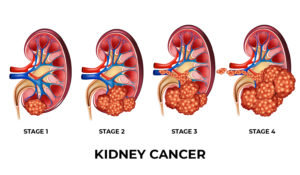
    kidney cancerIt is common cancer affecting people worldwide. It is diagnosed accidentally by people above 60 years of age when they go for imaging tests for other medical reasons. It can be treated with medications like Soranib Tablet.
    Symptoms of Kidney Cancer

    • Appetite loss

    Although appetite loss can be caused due to many other reasons, it is a common symptom of kidney cancer. Growing kidney tumors affect the overall digestion process or production of hormones and result in appetite loss.

    • Kidney pain

    People who are more than 40 years of age experience extreme lower back pain, which is usually caused by disk degeneration or musculoskeletal injury. Back pain and kidney pain are common kidney cancer symptoms; however, many people do not experience these symptoms unless the cancer has progressed to a later and advanced stage.

    • Hematuria

    Blood spots while urinating is known as hematuria, a common symptom of kidney cancer. Your urine color may change to brown, pink, or red because of the presence of inconsistent blood.

    • Kidney lump

    If you feel a lump or a mass in your abdomen or the back region, this is a potential warning sign of kidney cancer. Kidney lumps are challenging to feel as they are located quite deep in the abdomen, so they can be diagnosed only when a healthcare professional asks you to go for diagnostic tests like a CT scan or ultrasound. In addition, lumps will be noticed only when the tumor grows in size.

    • Fatigue

    Kidney cancer-related fatigue is persistent and not because of lack of sleep. Fatigue can also be experienced during your kidney cancer treatment. Soranib 200 mg tablets are a highly effective medication for kidney cancer that doctors prescribe to suppress symptoms and prevent cancer progression to its advanced stages.

    • Anemia

    Anemia is a potential symptom or warning sign of kidney cancer. A healthy kidney will signal your body to produce more red blood cells however, cancer cells in your kidney can intervene in this signal and result in anemia. Anemia can also result in breathlessness, dizziness, pale skin, and worsening fatigue.

    How to lower the risk?

    You can take practical measurements and steps to lower or prevent your risk of developing kidney cancer, like

    • Eating a healthy and balanced diet
    • Manage your high blood pressure by changing your lifestyle.
    • Quitting tobacco products and cigarettes to keep your kidneys healthy.
    • If you are diagnosed, do not forget to take effective medications like Soranib Tablet, as per your doctor’s prescription, and do not miss any dose.

    Conclusion

    It often shows no signs or symptoms until the condition progresses to later stages. Prompt diagnosis and medications such as Soranib tablets will increase your prognosis and will help you to lead a healthy, long, and better life. You can learn about the Soranib tablet price, benefits, doses, side effects, and other details from your healthcare professional.

    kidney cance early symptoms

  • Can we treat HIV with Medicines?

    Can we treat HIV with Medicines?

    Treat HIV with Medicines

    Human Immunodeficiency Virus can damage your immune system by damaging CD4T cells. CD4T cells are white blood cells that help to fight against infection, but the loss of these cells can result in losing the body’s capability to fight against HIV-related diseases and cancers. Without proper treatment and medication, HIV will destroy the body’s immune system and will progress to the advanced HIV or AIDS stage. However, it is possible to control and treat HIV infection with proper medication like Trustiva. HIV treatment includes taking effective medication and drugs as prescribed by doctors so that the viral load can be reduced in the body. The two popular HIV treatment options are PrEP and PEP.

    How do medications work to treat HIV?

    Doctors prescribe tenofovir disoproxil fumarate (TDF) 300 mg to help people living with HCV lead healthier and longer lives. The risk of transmitting the virus to others also gets reduced by ART treatment. In addition, the medications help your immune system to recover and be strong enough to fight HIV-related cancers and infections.

    Different types of HIV medication

    There are different classes or types of HIV medications available today that help to treat HIV without progressing to an advanced stage. Many of these medicines change or block the enzymes that HIV requires to make replicas of itself. HIV fails to copy and multiply itself; therefore, the amount of virus in the body gets reduced to a large extent. Different types of HIV medication are as follows.

    • NRTIs or nucleoside reverse transcriptase inhibitors, which block or change an enzyme named reverse transcriptase.
    • INSTIs or integrase inhibitors, sometimes also referred to as integrase strand transfer inhibitors, block or change an enzyme named integrase.
    • NNRTIs or non-nucleoside reverse transcriptase inhibitors bind and block the reverse transcriptase.
    • PIs or protease inhibitors, which block an enzyme named proteasome, thus slowing the progression of HIV.
    • Pharmacokinetic enhancers are another class of medication that is given with other types of HIV drugs. These enhancers work by increasing the effectiveness of other drugs by slowing the process of medicine breakdown and enabling medicines to stay in the body for a long time at high concentrations.
    • Attachment inhibitors prevent HIV from entering and binding to CD4 cells.
    • Fusion inhibitors help in blocking HIV from entering normal cells.
    • Post-attachment inhibitors and CCR 5 antagonists block the molecules and prevent HIV from entering normal cells.
    • Apart from these, your healthcare professional may also recommend a combination of different drugs such as Efavirenz (antagonists) and Emtricitabine (FTC) 200 mg that help cure your condition and get rid of HIV permanently.

    An early diagnosis will result in better treatment outcomes. In addition, due to modern advancements in HIV treatment and medications like Trustiva tablets and antiretroviral therapy, severe complications like opportunistic infection in people have been reduced. Today, because of this treatment, people can live a long, healthy, and better lifestyle.

  • How do Immunosuppressants help Organ Transplants?

    How do Immunosuppressants help Organ Transplants?

    Organ Transplant

    image-descriptionImmunosuppressant drugs keep your immune system in proper check. Your body’s immune system fights germs and infections that cause diseases and illness. However, most of the time, the immune system attacks healthy tissues and cells mistakenly. This response is slowed down or stopped by immunosuppressant drugs.


    Role of Immunosuppressant in Organ Transplantation

    Immunosuppressants help organ transplantation by preventing your body’s immune system from damaging healthy tissues and cells. Doctors prescribe immunosuppressant drugs to avoid problems and damage to the newly transplanted organ. There are a variety of medications, such as Siromus 1mg Tablet, that your doctor will prescribe to protect your newly transplanted organ and suppress the natural immune response of your body. Immunosuppressants work by tricking your immune system and making it believe that your newly transplanted organ is not a foreign object and should not be attacked. After undergoing organ transplantation, patients must take these medications for the rest of their lives.

    Who needs immunosuppressant drugs?

    Immunosuppressant drugs are required by the following people undergoing the following

    • Organ transplantation
    • Bone marrow stem cell transplantation
    • Autoimmune diseases

    Immunosuppressant drugs like sirolimus help to prevent new transplant rejection and treat autoimmune diseases. The immune system of a person having an autoimmune disease can mistakenly damage healthy cells and tissues for germs or foreign invaders. An immunosuppressant holds the immune system back to prevent cell inflammation and damage. These drugs are also given to minimize warning signs or symptoms and result in the remission of autoimmune diseases. Talk to your physician to understand how to take the medication, the potential side effects of the medication, the sirolimus price, etc.

    Why should you take immunosuppressants regularly if you undergo organ transplantation?

    The key to ensuring successful organ transplantation throughout your lifetime is to take immunosuppressant medications like Sirolimus and Siromus 1mg as your doctor prescribes, without missing any dose. It is essential to ensure to take the medication as per the instructions given by your healthcare professional. Your body’s immune system recognizes and attacks everything that appears different from what is usually present in the body. An immunosuppressant even treats a newly transplanted organ as a foreign object. Immunosuppressants does not discriminate between transplanted organs and harmful substances; therefore, taking immunosuppressants helps as your immune system cannot respond to your newly transplanted organ as a foreign substance attacks it.

    Benefits and risks

    Immunosuppressants are potent drugs prescribed by doctors to people who have undergone the following

    • Stem cell transplants,
    • Bone marrow transplants,
    • Organ transplantation,
    • Those suffering from autoimmune diseases like
    • Rheumatoid arthritis
    • Lupus, sorosis
    • Multiple sclerosis, etc.

    High doses of immunosuppressants can cause potential side effects like

    • Diabetes
    • Acne
    • Fatigue
    • Tremors
    • Mouth Sores
    • Osteoporosis
    • Weight Gain
    • Vomiting
    • Nausea
    • Stomach Upset

    As they are powerful medications, you must take them at the same time every day without skipping any dose; otherwise, the risk of organ rejection may increase.

  • What is the Survival Rate of Mantle-Cell Lymphoma?

    What is the Survival Rate of Mantle-Cell Lymphoma?

    Mantle Cell Lymphoma

    It is an aggressive and rare form of blood cancer that develops in a person’s lymph nodes and white blood cells. There isn’t a permanent cure for this disease; however, with current treatment options and improved drugs like Ibrunat 140 mg, the aggressive condition can be put in remission. Healthcare providers and researchers worldwide are finding new ways and treatments to make this remission period last for a long time. This article will help you to know the prognosis, symptoms, causes, and treatment procedure of Mantle cell lymphoma.

    Prognosis of Mantle Cell Lymphoma

    Mantle cell lymphoma cannot be cured properly using standard treatments. This is why the prognosis or outlook for this severe disease is poor. Around 50% to 70% of individuals living with mantle cell lymphoma respond to treatment regimes; however, there is are chance that this cancer will progress after receiving chemotherapy. On average, mantle cell lymphoma patients life expectancy is about six to seven years. The 10-year survival rate for People affected with mantle cell lymphoma ranges between 5% to 10%.

    How can mantle cell lymphoma affect your body?

    It is a rare and serious blood cancer that develops gradually before growing rapidly. Even though there isn’t any cure for this condition, advanced treatment options today can improve the prognosis, such as Ibrutinib 140 medication.

    Medical researchers are still examining new treatments and drugs to make remission last longer. In the advanced mantle cell lymphoma cell stage, cancer can spread to the digestive system and bone marrow from the lymph nodes through the bloodstream. It is a severe disease that spreads quickly and becomes advanced cancer. It is also not a curable and easy-to-treat lymphoma. However, with new targeted treatments like Ibrutinib capsules for mantle cell lymphoma outlook for this dangerous disease has increased significantly.

    Treatment 

    Treatment depends on the specific health condition of a person. A person can have this disease without showing any warning signs or symptoms.

    The best treatment processes for managing mental cell lymphoma are chemotherapy, immunotherapy, autologous stem cell transplantation, maintenance therapy, monoclonal antibody therapy, and effective medications like ibrutinib 140 mg. You can learn more about ibrutinib 140 mg uses and its side effects from your healthcare professional.

    What is the survival rate for people living with mantle cell lymphoma?

    Survival rates for this aggressive and rare cancer are much lower than for other types of cancer. Cancer Research is progressing rapidly, resulting in a significant improvement in the overall survival rate of mantle cell lymphoma patients over the past few years. However, it is a rarely curable cancer, with chemotherapy as the only standard treatment. Relapses of this cancer are also quite common. On average survival rate for people diagnosed with mental cell lymphoma ranges between three to five years after diagnosis. In other words, around 50% of cancer-affected people stay alive for three to five years after diagnosis and treatment.

  • What is hormone-dependent breast cancer?

    What is hormone-dependent breast cancer?

    Hormone-dependent breast cancer

    Substances that act as a means of chemical messengers of the body are called hormones, and these hormones affect the action of body cells and tissues that are present at different locations in the body. Two hormones mainly promote the growth and development of breast cancer. They are-

    • Estrogen
    • Progesterone

    Cancer cells that depend on hormones for their growth and survival are known as hormone-sensitive breast cancer or hormone-dependent cancer. Hormone-dependent breast cancer cells comprise a protein named estrogen receptor or hormone receptor, or progesterone receptor, that becomes activated as soon as the hormones bind to them.

    Activated hormone receptors cause changes in specific genes and stimulate the growth of cells. The prognosis for hormone-dependent breast cancer looks good because newer treatments are better with effective medications like Palbociclib capsules.

    Diagnosis of hormone-dependent breast cancer

    Hormone-dependent breast cancer, or hormone-sensitive breast cancer, depends on hormones for its survival or growth. To determine if breast cancer cells comprise hormone receptors, healthcare professionals test samples of breast tumor tissues and remove them surgically.

    If the breast tumor cells comprise estrogen receptors, then this type of breast cancer will be called estrogen receptor-positive or ER-positive. If the breast tumor cells comprise progesterone receptors, then this type of cancer will comprise positive or PR-positive progesterone receptors.

    Symptoms

    The symptoms of hormone-dependent breast cancer are similar to other types. The most common warning sign is the formation of a lump in the breast, while other symptoms include the following

    • Breast Lump
    • Nipple Discharge
    • Dimpling
    • Skin Irritation
    • Pain in the nipple or breast
    • Change in the shape or size of the breasts
    • Color changes like nipple redness or changes in the breast skin color.
    Can hormone therapy help prevent hormonedependent breast cancer?

    Hormonal therapy or endocrine therapy helps treat hormone-dependent breast cancer as it slows down or prevents the growth of hormone-sensitive breast tumors and block the ability of the body to produce these hormones. Hormone-insensitive breast tumors do not respond to hormonal therapy as they lack hormone receptors. Hormone therapy combined with effective medications as your doctor prescribes, like Paleno 125mg, blocks the growth of HR-positive breast cancer.

    Treatment

    Effective drugs like the Paleno 125mg capsule help suppress the production of estrogen or progesterone in the ovaries, which are mainly responsible for supporting the growth of breast cancer. Hormone therapy and highly effective drugs treat this type of breast cancer. The outlook for people diagnosed with hormone-dependent breast cancer is optimistic if diagnosed in the early stages. The five-year survival rate for a person diagnosed with hormone-dependent breast cancer in the early stages is 99% prognosis.

    In other words, a person diagnosed with hormone-dependent cancer has a 99% survival rate for a minimum of five years after diagnosis and treatment. But if this cancer progresses to an advanced stage and spreads to the body’s other organs, then the five-year survival chance comes down to 29% only.

  • Docetaxel Injections: Benefits, Uses and Side Effects

    Docetaxel Injections: Benefits, Uses and Side Effects

    Docetaxel Injections

    Docetaxel is sold under the Taxotere brand name and helps treat a wide range of cancers, such as the stomach, head, prostate, lung, neck, and breast. It is a popular chemo drug, which healthcare professionals use mainly for treating breast cancer.

    Research and studies have shown that using Docetaxel injections  can extend survival and prevent tumors from spreading to other regions of the body. However, being a solid chemo drug, it is toxic and can cause different side effects in the body.

    What is Docetaxel?

    Docetaxel is a potent chemotherapy or antineoplastic medication prescribed mainly to treat various cancers, particularly breast cancer. In addition, healthcare professionals recommend Docetaxel injections to patients suffering from head or neck cancer, non-small cell lung cancer, stomach cancer, and metastatic or advanced prostate cancer.

    Uses of docetaxel

    The Food and Drug Administration approved docetaxel as a combination or standalone drug to treat advanced or metastatic stomach, gastric and renal, breast, and nonsmall lung cancer. In addition, Docetax 120mg Injection can be used with many other chemotherapy medications for patients in advanced cancer stages who are not responding to any other treatment.

    Side effects of using docetaxel

    Docetaxel contains active ingredients like cytotoxic agents; therefore, being a powerful chemotherapy medication, it can sometimes cause side effects such as the following

    • Nausea and vomiting“
    • Swelling of the abdomen area and joints
    • Loss of appetite and Constipation
    • Temporary hair loss
    • Weakness and fatigue
    • Redness of the eyes
    • Allergic reactions like dryness of the eyes, irritation, and skin rashes

    Like any other chemotherapy drug, Docetaxel injections cause hair thinning and hair loss. This is why precautions such as wearing a scalp cooling cap at the time of chemotherapy and limiting the drug dose are necessary to reduce the risk of permanent hair loss.

    Docetaxel is often combined with radiotherapy and hormone therapy to relieve symptoms and signs of prostate cancer and provide better outcomes. Bone pain can also be associated with this medication for two to three days; over counterdrug like painkillers can help eliminate this side effect.

    How Does Docetaxel Work?

    Cancer cells are abnormal cells that tend to multiply and divide continuously and may spread to other body regions. Chemotherapy medication functions by preventing cancer cells from multiplying and dividing abnormally. Docetaxel is a potent chemotherapy drug that kills cancer cells that are growing rapidly. As this medication travels throughout your body, it can also affect healthy and normal cells and cause specific side effects.

    You need to consult your healthcare professional and discuss all the side effects before taking this medication because not every drug has its benefits and risks. The common side effects of taking this medication are temporary and will go away without requiring medical attention. This medicine is not used to shrink the size of the tumor. However, it works by inhibiting the growth of cancer tumor cells.

  • How Long can you Live with Metastatic Breast Cancer?

    How Long can you Live with Metastatic Breast Cancer?

    Palbocib-125 – Metastatic Breast Cancer 

    Metastatic breast cancer is a severe form of cancer. In recent years, new medications, such as Palbocib-125, have been developed that have improved survival rates and quality of life for some patients.

    Survival rate and health outcomes

    According to a survey, about 28 percent of women having this cancer may survive for five years or less.

    However, survival statistics are based on huge groups of individuals and might not properly predict the progress of the person. Every patient is unique, and factors such as reaction to treatment and overall health can dramatically affect their life expectancy.

    Methods of Treatment:

    Proper treatment can reduce the growth of cancer cells and health problems and improve physical and mental issues. The methods to reduce cancer cells include chemotherapy, hormone therapy, or radiation therapy. Palbociclib is a drug that is often used in combination with other medicines to treat metastatic breast cancer.

    Survival factors:

    Many factors are essential for determining the life span of a patient. This factor includes the location of cancer, available treatment, the person’s age, and also the person’s medical history. Treatment plans should be different for every individual according to health disorders.

    Treatment:

    Palbocib-125 (Palbociclib) is a form of targeted medicine known as a cyclin-dependent kinase 4/6 (CDK4/6) inhibitor. It acts by blocking specific proteins that cancer cells need to divide and develop. Palbociclib is used to treat HR-positive, HER2-negative advanced or metastatic breast cancer in conjunction with other therapies such as hormone therapy.

    According to clinical trials, Palbociclib can considerably increase progression-free survival (PFS) in women with HR-positive, HER2-negative advanced, or MBC. PFS is the amount of time that cancer remains dormant or contained. In one study, the median PFS was 24.8 months for women who got Palbociclib with hormone therapy, compared to 14.5 months for those who received hormone therapy alone.

    It is important to note that the median PFS is just an average, and individual outcomes may vary. Some women may experience prolonged PFS, while others may not respond as well to Palbociclib. As previously mentioned, age, health condition, and location can influence treatment.

    In addition to enhancing PFS, Palbociclib has also been proven to improve overall survival (OS) in some clinical trials. OS is the length of time from the start of treatment until death from any cause.

    In one study, women who received hormone therapy together with palbociclib had a median overall survival (OS) of 39.7 months as opposed to those who just received hormone therapy, who had a median OS of 29.7 months.

    Palbocib-125 (Palbociclib capsules) is often well tolerated. However, it can cause low white blood cell counts, tiredness, nausea, and diarrhea. Patients should discuss their medical histories, such as disorders or allergies, to properly adjust their medication dose.

    Conclusion:

    Palbocib-125 (Palbociclib) is not a cure for metastatic breast cancer. Palbocib-125 is vital to remember this. It is employed to control the condition and lengthen survival, but it is unable to entirely get rid of the cancerous cells. Cancer affects patients both physically and emotionally. Maintaining health conditions and spending time with family members and close friends influence mental conditions. Communicating with other patients about their thoughts and experiences can also help to support mental health. Good mental health also supports and comforts people with advanced cancer and their families.