Category: Blog

  • Can Treatment Save People from Developing AIDS?

    Can Treatment Save People from Developing AIDS?

    Abacavir 300 Mg – HIV/AIDS

    Human Immunodeficiency Virus belongs to a group of viruses named retroviruses which destroy CD4 cells in our body. CD4 cells play a key role in protecting the body against harmful bacteria, germs, and viruses. HIV and AIDS are two different concepts, and when HIV is left untreated for many days, then it slowly develops into AIDS. This infection can be prevented if people avoid sharing syringes, common needles, and personal items and use barrier methods during their sexual intercourse.

    Still, if you develop this infection, the only life-saving way is to ensure early diagnosis and start an early treatment procedure. With advancements in treatment procedures, medications like Abacavir 300 mg (abamune tablet) and antiretroviral therapy can save people who have developed AIDS.

    AIDS treatment to tackle HIV efficiently

    Until today there is no cure or vaccine for HIV or AIDS; however, treatment is possible for people who have developed chronic HIV or AIDS. The introduction of effective medicines like Abacavir 300 mg helps in treating HIV and has also reduced the death rate caused by AIDS dramatically. HIV is a treatable condition now, and many people who have developed acute HIV have successfully gotten rid of the virus after taking effective medications and therapy. These medications work by preventing the infection from replicating or copying itself.

    Causes

    The main cause of AIDS is HIV infection. A person cannot get infected with AIDS if he or she has not contracted HIV infection. A healthy individual will have 500 to 1500 cubic millimeter cd4 cells; without proper treatment, HIV will destroy the CD4 cells. A person whose CD4 cells fall below 200 will develop AIDS. By taking antiretroviral treatment and Abacavir 300 mg (abamune tablet) as prescribed by doctors, people living with HIV and AIDS can keep their viral load low and strengthen their immune systems.

    Outlook

    AIDS is the advanced stage of HIV infection, which occurs in people who have been exposed to the HIV virus. The outlook of people taking antiretroviral drugs and a proper treatment procedure is positive. A person will be diagnosed with AIDS if he or she has HIV and develops an opportunistic infection or cancer.

    Usually, untreated HIV slowly progresses to AIDS, and there is no permanent cure for AIDS. Without treatment, life expectancy of people after a diagnosis of AIDS is around three years. However, if the person is treated with antiretroviral drugs and medications like Abacavir 300 mg (abamune 300 mg tablet, it can be prevented, and people will live a long life. A person living with AIDS is vulnerable to several illnesses, such as the following

    • Tuberculosis
    • Lymphoma
    • Kaposi sarcoma, cancer
    • oral thrush
    • pneumonia
    • toxoplasmosis
    • cryptococcal meningitis etc.

    Untreated AIDS leads to shortened life expectancy as AIDS weakens the immune system.

    Treatment options for AIDS

    Although AIDS is an incurable disease, you can increase your life expectancy by adhering to strict treatment and taking all the medications as prescribed by your healthcare provider. Doctors recommend a combination of different medications so that the virus cannot replicate and not harm the CD4 cells in the body.

    Besides taking the medications, regular blood testing must be performed to check the CD4 count and viral load. With medications and treatment procedures, you may not get completely cured of the infection, but your CD4 count cells can increase, which will help manage other opportunistic infections.

  • How to Determine Whether I have Breast Cancer? Symptoms of Breast Cancer and Treatment

    How to Determine Whether I have Breast Cancer? Symptoms of Breast Cancer and Treatment

    Breast cancer

    It usually occurs when cells around your breast develop mutations, dividing and multiplying uncontrollably. Breast cancer-affected people notice several symptoms like changes in the breast texture, lumps or tumors, and discoloration of breast skin. This cancer affects mostly women compared to men worldwide.

    Signs or Symptoms  of breast cancer

    In the initial stages, breast tumors are too small, and an abnormality in your breast can be noticed on a mammogram. The initial symptoms of breast cancer start with lumps. However, an important point to be noted is that not all breast lumps are cancerous. The common symptoms of breast cancer are the following.

    • Breast pain
    • Inverted nipple
    • Bloody discharge from the nipple
    • Nipple discharge apart from breast milk
    • Swelling in the breasts
    • Discolored or colored and pitted skin around the breast
    • Scaling, peeling, or flaking of skin on the breast or nipple
    • Unexplained and sudden change in the shape and size of the breast
    • Swelling or lump under your arms
    • Changes in the appearance of breast skin

    Effective medications like Letrozole tablets attack the mutation or irregularities within breast cancer cells and control these symptoms or signs. This medicine helps block the formation of proteins that are mainly responsible for growing cancerous cells in your body.

    Breast cancer diagnosis

    Your doctor may ask you to go for a diagnostic test to better understand the situation causing these symptoms. Your healthcare professional will recommend you perform certain tests to diagnose your breast cancer, like

    • Ultrasound
    • Breast biopsies
    • Mammograms

    Taking medications like Stimucor 2.5 will slow breast cancer as well as the signs and symptoms of breast cancer.

    Breast cancer treatment

    The breast cancer treatment process depends on several factors, such as

    • cancer stage
    • How far has the cancer spread
    • the size of the tumor
    • your age
    • your health condition, etc.
    Your doctor will determine your cancer’s size, grade, and stage to provide effective medications.


    • The most common treatment procedure for breast cancer is surgery. Some surgical procedures for removing breast cancer include Lumpectomy, Mastectomy, Sentinel node biopsy, Axillary lymph node dissection, Contralateral prophylactic mastectomy, etcetera. If you have a previous family history of breast cancer or any other cancer, then your risk of developing this cancer increases. You can take estrogen-blocking medicines or preventive medication after consultation with your doctor to lower your risk.
    • These medications and drugs can come with certain side effects; therefore, doctors prescribe these medications only to those women who have a very high chance or risk factor of developing breast cancer.
    • Other treatment procedures include radiation therapy, chemotherapy, hormone therapy, and effective medications like Stimucor 2.5 Tablet. Radiation therapy includes using high-powered radiation beams to target and kill cancerous cells. Chemotherapy is a type of drug treatment for destroying breast cancer cells. Hormone therapy is another treatment process that blocks the production for months, stimulating the growth of tumors and breast cancer.
  • Hepatitis C: Symptoms, Dos and Don’ts, Causes & Treatment

    Hepatitis C: Symptoms, Dos and Don’ts, Causes & Treatment

    Hepatitis C

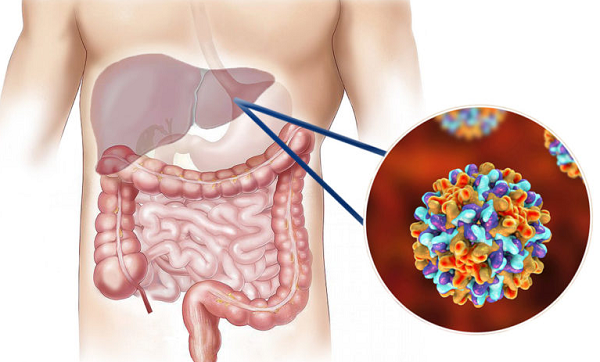
    It is a type of viral blood-borne disease or infection that is caused mainly by to hepatitis C virus. Whenever hepatitis C is left untreated, it can cause inflammation or swelling of the liver and other serious damage to the organs. But HCV infection spreads when a person comes in contact with contaminated or infected blood. Even though it is a serious infection, with effective medications like MyHep LVIR and other modern treatments, it is now possible to treat HCV infection. Many infected individuals are also leading normal and healthy lives.

    Symptoms of Hepatitis C

    The incubation period for hepatitis C ranges from weeks to six months. Some of the common hepatitis C symptoms are as follows.

    • Clay or Gray-colored stools
    • Fever
    • Weakness
    • Dark yellow colored urine
    • Joint pain
    • Loss of appetite
    • Abdominal pain
    • Jaundice or yellow discoloration of skin and eyes
    • Vomiting
    • Nausea

    If you notice any of the above symptoms and you need to consult your healthcare provider immediately, who will recommend you go for lab tests to confirm your  HCV infection and then will prescribe you effective medications like ledipasvir 90 mg and sofosbuvir 400 mg.

    Do’s
    • Using sterilized syringes and needles for injection.
    • Getting vaccinated for both hepatitis A&B.
    • Avoid consuming illicit drugs.
    • Avoid unprotected sexual intercourse and take preventive measures or barrier methods.
    • Eat a healthy diet and maintain a healthy lifestyle.
    • Taking effective medications like myhep lvir tablet
    Don’ts
    • Consuming alcohol.
    • Tobacco smoking.
    • Gaining weight.
    • Eating junk and processed food.
    • Sharing personal objects or items that are of HCV-infected persons, such as razors and toothbrushes.


    Causes of Hepatitis C

    Hepatitis C is mainly caused by the Hepatitis C virus or HCV exposure. This infection is transmitted when you come in contact with a person’s infected blood in the following ways.

    • Using unsterilized syringes, needles, poorly sterilized surgical equipment, infusion bags, or other drug components contaminated with the HCV virus.
    • When a person gets a sudden prick from a contaminated needle.
    • Blood transfusions take place with infected blood.
    • When a person uses hepatitis C-contaminated toothbrushes, razors, pedicure rings, or manicuring equipment and nail clippers.
    • Being pierced or tattooed with unsterilized tools or inks that were previously used on a hepatitis C-infected person.
    • Coming in contact with open wounds or the blood of an infected person.

    Treatment of hepatitis C

    Treatment for hepatitis C is possible with the help of antiviral medications like myhep lvir. You can find out about myhep lvir tablet prices from your local pharmacy or any online store. In the initial Hep C stage, patients are given HIV medications to suppress the virus. After a few months of treatment, the patient will again be recommended by his or her doctors to undergo another blood test to ensure that the person’s body has recovered from HCV. People in the chronic hepatitis C phase will be given hepatitis C medication and will be recommended to perform liver function tests to assess liver damage.

  • What are the Different Treatment Options for Prostate Cancer?

    What are the Different Treatment Options for Prostate Cancer?

    Enzalutamide – Prostate Cancer

    Prostate cancer is a common cancer that affects men worldwide. Healthcare professionals treating prostate cancer must develop comprehensive treatment methods tailored for every patient, depending on their health condition. This guide will provide an overview of common treatment methods for both localized as well as advanced cancers.

    Localized prostate cancer is a stage when cancerous cells remain confined only in the prostate glands. In metastatic prostate cancer, the cancerous cell spreads to bones and lymph nodes. As per CDC reports, 77% of prostate cancer cases diagnosed every year are found to be localized prostate cancer which can be treated with effective medications like Enzalutamide.

    Treatment methods for prostate cancer

    Prostate cancer has different types of treatment methods, and your healthcare professional will decide which treatment method is the right for you.

    1. Active surveillance

    Your doctor will monitor your prostate cancer stage closely and will prescribe you to undergo prostate-specific antigen tests and prostate biopsy tests. Cancer treatment will begin only if cancer grows rapidly or shows warning signs or symptoms.

    1. Surgery

    Surgery for prostate cancer is known as a prostatectomy when a healthcare professional removes the cancer-affected prostate along with the surrounding tissues.

    1. Radiation therapy

    Healthcare professionals will use high-energy rays similar to X-rays to kill the cancerous cells in your prostate glands. Radiation therapies are of two types.

    • Internal radiation therapy is known as brachytherapy, where radioactive pellets or seeds are placed surgically near or into the cancerous area to destroy the cancer cells.
    • External radiation therapy known is when a machine is placed outside the body to direct radiation at the cancerous cells.
    1. Cryotherapy

    It is known as cryotherapy when a special probe is placed near or inside the prostate cancer region to freeze and kill the cancerous cells. Experts are still investigating this therapy to determine its effectiveness in prostate cancer treatment.

    1. Chemotherapy

    Chemotherapy implies using specialized drugs to kill cancer or shrink the cancer tumor. Chemotherapy drugs or pills can be given through your veins.

    1. Biological therapy

    Biological therapy is the treatment procedure for prostate cancer which works with your immunity system to fight cancer or to control the symptoms and side effects caused because of cancer treatments.

    1. High-intensity focused sound waves

    This treatment therapy directs ultrasound or high-intensity sound waves and the cancer region to kill the cancerous cells.

    1. Hormone therapy

    Hormone therapy acts by blocking the cancerous cells to get the hormones that encourage them to grow and multiply. It helps in treating advanced prostate cancer, and cancer shrinks in size and also reduces its growth rate. This therapy prevents your body from producing testosterone. Prostate cancer cells grow aggressively on testosterone, and cutting off the testosterone supply will make the cancer cell grow slowly.

    1. Immunotherapy

    Immunotherapy treatment option utilizes your body’s immune system to fight against cancer. The immune system of cancer-affected patients may not attack the cancer cells since these cells produce proteins that help them hide from the disease-fighting immune system. Immunotherapy interferes with this process and helps fight against cancer. It is an ideal treatment option for advanced prostate cancer.

    1. Targeted drug therapy

    Targeted therapy is an effective treatment that targets specific abnormalities that are present within the prostate cancer cells. Effective medication such as Enzalutamide 40 mg capsules (Enzalutamide) helps to block such abnormalities and makes cancerous cells die prematurely. When hormone therapy fails to work effectively, Indenza 40 (Enzalutamide)helps to treat recurrent or advanced prostate cancer

  • Keep Your Kidneys Healthy: World Kidney Day 2023

    Keep Your Kidneys Healthy: World Kidney Day 2023

    World Kidney Day

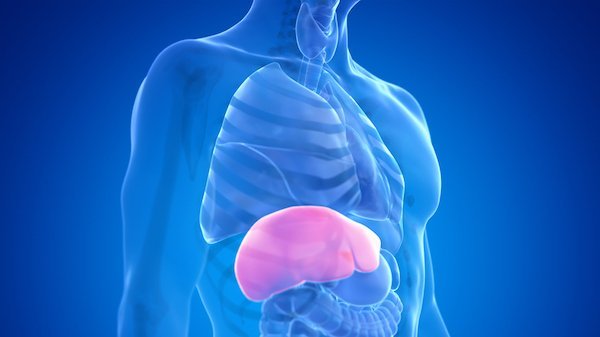
    world kidney day 2023 - Gandhi medicosThe kidneys are the most vital organ in the human body, which purifies the blood and helps our body get rid of waste. Most people die from kidney failure or kidney diseases globally, while some suffer from fatal chronic kidney diseases. Kidney diseases can be fatal.
    However, with medical advancement and the introduction of effective medicines like Abitate 250mg, managing and controlling kidney diseases is not so challenging today. There are better outlooks and prognoses for people who suffer from kidney diseases.

    World kidney is celebrated on March 9 every year to make humans aware of the importance of this vital organ and how to get rid of kidney diseases and stay healthy. The 2023 campaign by the World Kidney Day joint steering committee will work together to narrow knowledge gaps and take better care of their kidneys. This campaign will emphasize increasing awareness and education about kidney health.

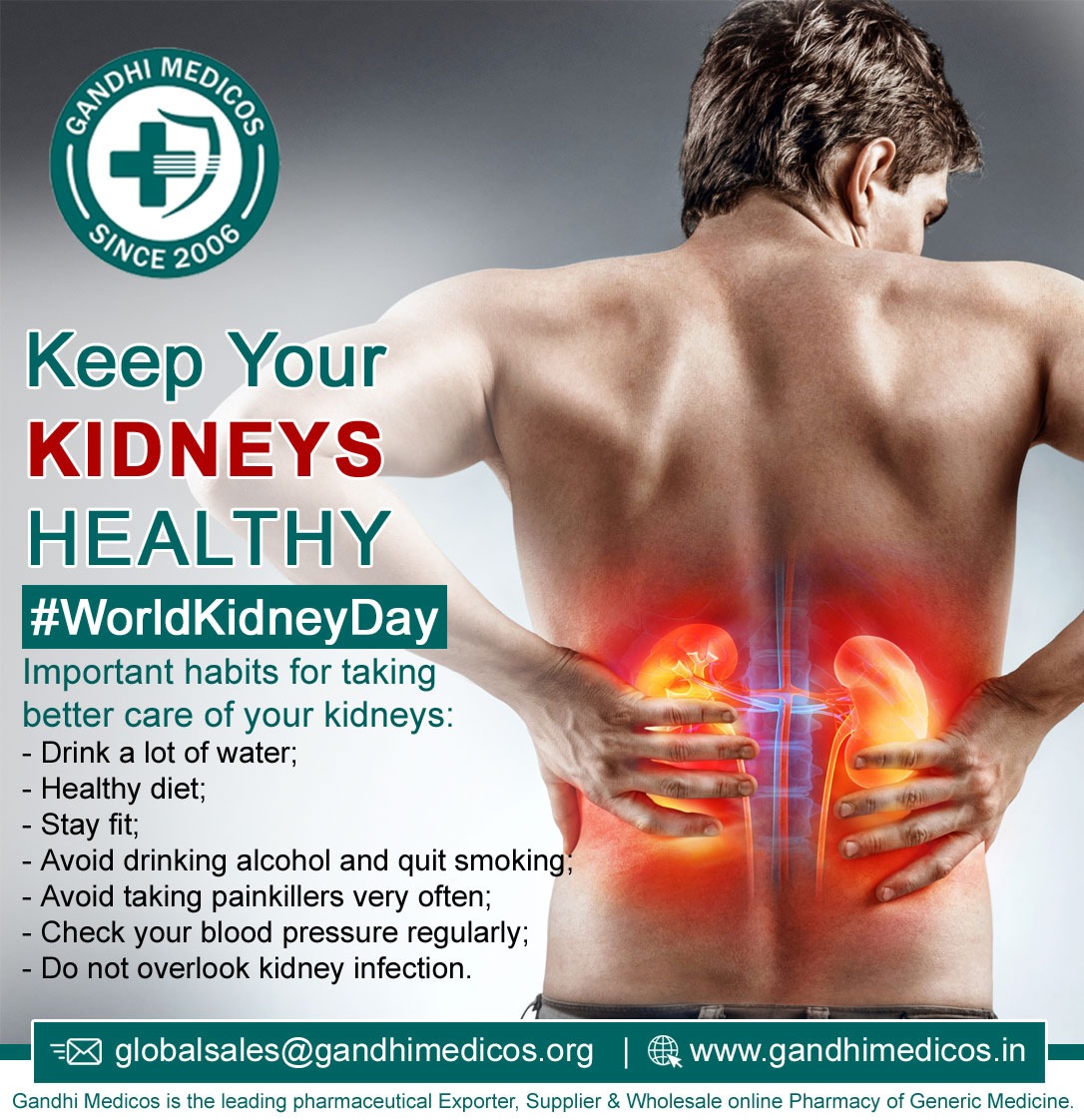
    Important habits for taking better care of your kidneys

    World kidney day is celebrated so that more people can become aware of the importance of this organ and take better care of it. On World kidney day, 2023, follow the below important habits to better care for your kidneys and keep kidney problems and diseases at bay.

    1. Drink a lot of water.

    Always try to keep yourself hydrated by ensuring to drink enough water throughout the day. Drinking water consciously is an important and healthy habit that will lower your chance of getting chronic kidney diseases or kidney stones. This habit will keep your organ in a healthy state.

    1. Healthy diet

    It is mandatory to have a healthy diet to maintain your overall health condition. Avoid consuming junk food or processed foods. Instead consume fruits, vegetables, healthy seeds, and nuts in your diet regularly. Eating a balanced diet has several benefits, as your body gets adequate nutrients for functioning properly. Eating kidney beans, green leafy vegetables, and sweet potatoes can benefit your kidneys.

    1. Stay fit

    Keep yourself active and exercise daily. Regular exercise will improve and strengthen your immune system and keep your heart healthy. This step will further lower your risk of getting affected by chronic kidney diseases. Ensure to keep your Body Mass Index or BMI in control.

    1. Avoid drinking alcohol and quit smoking.

    Drinking or smoking addiction is very dangerous to your health. Refrain from drinking alcohol or smoking cigarettes to prevent chronic kidney diseases. These two are bad habits that will damage your kidneys and blood vessels. Alcohol consumption will affect the capability of your organ to filter blood.

    1. Avoid taking painkillers very often

    Taking painkillers will provide temporary relief to people suffering from different types of health problems but never consume painkillers frequently for minor issues. Consuming painkillers daily without your healthcare professional’s recommendation will cause severe health problems. Certain medicines, especially painkillers, and analgesics, are harsh on the kidneys.

    1. Check your blood pressure regularly.

    If you want to avoid getting affected by kidney diseases, you must keep your blood pressure in check. Routine check-ups and blood pressure examinations will help you detect abnormalities in kidneys in the initial stages so that you can get early treatment. High blood pressure usually causes some kidney diseases; therefore, go for routine blood pressure check-ups.

    1. Do not overlook kidney infection.

    You should never take kidney infections lightly. People who get kidney stones and suffer from urine infection should consult their doctor immediately and get the right medication. You can keep your kidneys healthy by following these habits regularly.

  • Prostate Cancer and Enlarged Prostate – Causes, Symptoms, Prevention and Treatment

    Prostate Cancer and Enlarged Prostate – Causes, Symptoms, Prevention and Treatment

    Prostate Cancer and Enlarged Prostate

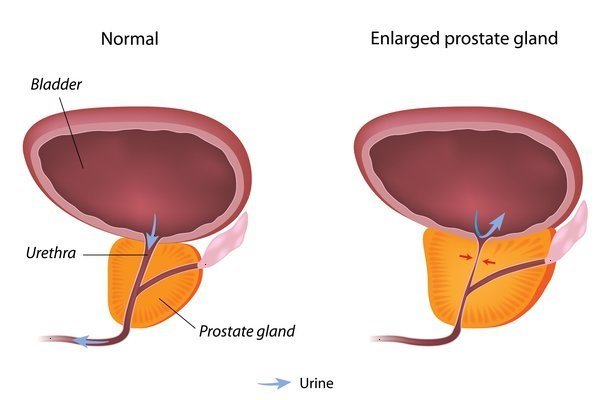
    Cancer that develops in the prostate glands is known as prostate cancer, and it is one of the most commonly affecting cancers in men. While some prostate cancer grows gradually and does not require any treatment, some can spread rapidly and become aggressive.

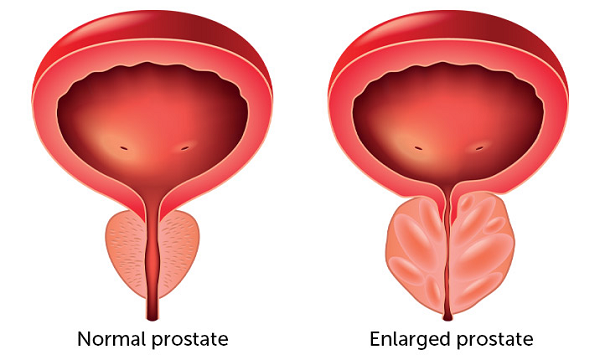
    What is an enlarged prostate?

    An enlarged prostate is a condition in which the prostate becomes larger in size. Enlarged prostate can be treated by changing lifestyle, taking effective medications like Enzamide 40mg Capsule, and opting for surgery.

    Symptoms of Prostate cancer and enlarged prostate


    Symptoms of prostate cancer are:
    • Bone pain
    • Blood in the urine
    • Erectile dysfunction
    • Weight loss
    • Blood in the semen
    Symptoms of enlarged prostate are: 
    • Urgent need to pee
    • Bleeding, bladder stones, bladder damage
    • Urinary tract infection

    Causes

    Doctors are not specific about what are the causes of prostate cancer and enlarged prostate. This type of cancer usually begins when prostate cells start developing changes in their DNA. The sudden change in the DNA of the prostate cells makes them divide and grow more rapidly than other normal healthy cells. When abnormal prostate cells accumulate, this leads to the death of healthy cells and causes the formation of a tumor in the nearby tissues. With time these abnormal states metastasize to other regions of the body.

    Risk factors

    The following are the risk factors for enlarged prostate or prostate cancer in men.

    • Research says that men who are 50 years or above run a higher risk of prostate cancer than men who are young or less than 50 years.
    • If you have obesity, you are at increased risk of prostate cancer compared to those with proper body weight. Cancer will become aggressive and is more likely to return after treatment if you have obesity.
    • Black people are at a high risk of developing prostate cancer and enlarged prostate in contrast to other races. Black people also have a high-risk factor for developing advanced or aggressive prostate cancer.

    Prevention

    If you want to lower your risk of enlarged prostate or prostate cancer, then you must follow the following prevention and treatment methods.

    1. Always eat healthy foods instead of taking supplements. In order to maintain a healthy weight, you must take food that are rich in both vitamins as well as minerals. Instead of taking supplements, take good food rich in nutrients to lower your risk of an enlarged prostate or prostate cancer.
    2. Lifestyle and diet changes will lower your prostate cancer or enlarged prostate risk factors. Consume a lot of fruits and vegetables and limit alcohol consumption.
    3. Exercise daily and maintain a healthy and fit body. If you have obesity, talk to your doctor and make an effective plan for managing weight. Obese people are at increased risk of prostate cancer as well as enlarged prostate. You must exercise and eat healthy food to manage your weight.
    4. If you think you have a risk factor for prostate cancer and enlarged prostate, seek a doctor’s appointment immediately, assess your risk, and make an effective treatment plan. Regular screening and taking effective medications like Enzalutamide, and Enzamide 40 mg will help to control the enlargement of prostate cancer and prevent your condition from becoming more aggressive.

    Treatments

    The right treatment procedure for prostate cancer and enlarged prostate will depend on the following factors

    • Age of the patient
    • Size of prostate tumor
    • Their present health status
    • Symptoms or warning signs etc.

    Your doctor will recommend medications like enzamide to get the best results. These medications will relax the muscles in your bladder and prostate. If changes in medications and lifestyle do not work, then your healthcare provider will suggest you go for a surgical procedure to remove the prostate cancer. Know about the enzamide 40 mg price, side effects, and benefits from your healthcare team. Treatment procedures for prostate cancer and enlarged prostate include the following

    • Immunotherapy
    • Targeted therapy
    • Active surveillance
    • Radiation therapy
    • Chemotherapy
    • Hormone therapy
  • How Long will a Person Live with Hep C?

    How Long will a Person Live with Hep C?

    Sofosbuvir 400 mg for Hep C

    Hep C is a liver infection that seriously damages the liver and causes liver inflammation. When the Hep C virus becomes aggressive, it can even lead to scarring of the liver or liver cirrhosis. Research says that a person with hep C can stay alive for many years without noticing any signs or symptoms. Symptoms or signs tend to show up when a person has already undergone severe liver damage that can negatively impact the treatment as well as the prognosis.

    Hepatitis C has two stages- Acute and Chronic stage. Nearly 75% to 85% of acute hepatitis C cases become severe and advance to the chronic stage. Signs of liver inflammation or damage may appear when a person suffers from chronic hep C that becomes detected after blood screening. Chronic hepatitis C requires strong medications like Daclatasvir 60mg + Sofosbuvir 400 mg and other effective forms of treatment for preventing liver damage, cirrhosis, and other health complications. Liver scarring and liver cancer can impact overall life expectancy and prognosis.

    Acute HCV

    Most of the people living with help C get cleared of this virus from their immune system on their own without receiving any treatment or medication. Acute HCV is a short-lived viral infection that does not cause severe complications. Sofosbuvir and daclatasvir are effective medications that help treat HCV. You can learn about the side effects, sofosbuvir 400 mg and daclatasvir 60 mg price and strength from your healthcare team.

    Outlook of acute HCV

    If your healthcare team can diagnose and detect acute hepatitis C infection in the early stages, then they can monitor the virus and prevent the progression of the infection to the chronic stage. The risk of serious complications and death due to acute HCV is very low. However, if your immune system does not get cleared of this virus spontaneously within six months of hep C infection, then the stage can aggravate and advance to the chronic stage. Drugs like sofosbuvir 400 mg can help a person living with hep C to lead longer and healthier lives.

    Chronic HCV

    People who are diagnosed and treated with acute HCV before developing any liver scarring or damage lead a better life. The outlook of those individuals is better than those who do not receive timely treatment and have already developed liver damage or scarring. Diagnosing and detecting hep C infection in the early stages enables a person to live longer and get cured of the virus. Potential symptoms for chronic hep C cirrhosis are liver damage, liver failure, and liver cancer. Sofosbuvir is a targeted treatment that helps to improve the outcome for people suffering from this infection. You can know about the sofosbuvir 400 mg price from your local pharmacy.

    Outlook of chronic HCV

    The liver becomes severely damaged with hep C as a result of inflammation. It can also lead to cirrhosis which is a scarring of the liver. Around 10% to 20% of people living with this virus can develop liver cirrhosis within a period of 20 or 30 years, while 3 to 6% suffer from liver failure, and only 1- 5% suffer from liver cancer. Nearly 25% of people get this virus cleared from their system on their own, while the majority suffer from chronic infection.

    Treatment

    The right treatment for hep C will be determined by factors such as health conditions and the genotype of the hep C virus. More advancements are taking place in medical science to enable a person to lead a normal, healthier, and active life after getting diagnosed with HCV. Effective medications like Sofokast Plus(sofosbuvir 400 mg and daclatasvir 60 mg) help to treat the hep C virus in a better way. Other treatments include oral medication, direct-acting antivirals, etc. The prognosis for hep C depends on the right diagnosis and treatment plan. Early detection and screening can help people get clear of this virus quickly.

  • 7 Things to Know about Immunosuppressants

    7 Things to Know about Immunosuppressants

    Rapacan 1mg Tablet

    Patients in the last stage of renal disease undergo a kidney transplant, which is the most effective treatment process to improve survival and quality of life. Immunosuppressant drugs such as Rapacan 1mg Tablet combined with long-term care should be taken both during and after the organ transplantation. Here are the following seven things to know about immunosuppressants.

    1. What are immunosuppressants?

    Immunosuppressants are medicines or drugs that lower the ability of the body to reject a newly transplanted organ. Immunosuppressants are also known as anti-rejection drugs, and there are two kinds of immunosuppressants available:

    • Induction Drugs

    Induction drugs are strong anti-rejection medicines that are given to patients at the time of organ transplantation.

    • Maintenance Drug

    Maintenance drugs are anti-rejection medications that are for the long term. There are four main classes of maintenance drugs such as the following.

    – Antiproliferative agents

    – Calcineurin inhibitors

    – Steroids

    – MTOR inhibitors

    1. What are the uses of immunosuppressants?

    When patients undergo kidney transplantation, their body tries to attack the new organ by damaging or destroying it since the body knows that the new organ is foreign and not an original part of the body. Rapacan 1mg is an immunosuppressant drug that helps suppress the body’s ability to destroy or damage the new kidney. The main goal of Rapacan 1mg tablet is to prevent damage or rejection of the newly transplanted organ. You can learn about the rapacan 1mg price and other benefits by contacting your local pharmacy.

    1. Does everyone who undergoes a new kidney transplantation need to take an immunosuppressant?

    Everyone who has undergone organ transplantation must take these drugs. In case your new organ comes from an identical twin, you need not take them. Missing even one dose of an immunosuppressant would cause organ rejection. Unless your healthcare team doctor advises you to skip a dose, you should not miss any dose.

    1. What should you do in case you miss a dose?

    In case you miss a dose, you should call your doctor immediately. If it is time to take the next dose, avoid taking a double dose.

    1. Does taking an immunosuppressant cause any side effects?

    There are a few side effects of taking immunosuppressants, such as the chance of causing infection, a burning sensation at the time of passing urine, cold or cough, fever, etc. Another common side effect of taking immunosuppressants is stomach upset. The side effects will be higher in the earlier period of organ effects of the drugs will be higher. After six months of organ transplantation, the dosage of the immunosuppressant gets lower, and so the chances of side effects tend to be low.

    1. How are immunosuppressant drugs administered?

    Immunosuppressant drugs are available only with a doctor’s prescription. These drugs are administered as capsules, injections, liquids, and tablets. Immunosuppressant therapy aims to find a way to prevent the rejection of a newly transplanted organ and have fewer side effects. A patient taking these drugs must regularly intake them in the exact way prescribed. Even a slight change in the drug regimen will trigger organ rejection.

    1. Are there any symptoms or signs that you must watch for?

    Although you take immunosuppressant drugs such as Rapacan 1mg regularly, you can still develop the risk of rejecting the newly transplanted organ. Following are the signs or symptoms that you must watch for and call your healthcare provider immediately:

    – Bloody urine

    – High fever

    – Tenderness around your new kidney

    – Weight gain

    – Flu-like feeling

    Successful and long-term kidney transplantation would require regular follow-up and regular blood tests.

  • What Should You do to Lower Your Risk of Breast Cancer?

    What Should You do to Lower Your Risk of Breast Cancer?

    Risk of Breast Cancer

    Searching for ways so that you can improve your health condition and lower your risk of breast cancer? You can protect your health and prevent breast cancer in several ways. But the risk of developing breast cancer due to certain factors like ethnicity, genetic communities, history, breast density, etc., is out of human control.

    Studies have shown that around 50% to 70% of breast cancer cases can be prevented by adopting healthy lifestyle changes and risk-reducing behaviour. Although researchers have yet to discover the main causes that lead to breast cancer and find an ultimate way to prevent it entirely, an early diagnosis, smart screening, effective vaccination, and medications like Letoval Tablet can help people reduce their risk of breast cancer.

    • Have a healthy weight

    Maintaining a healthy weight for everyone is important, as being overweight or having obesity can increase the risk of several kinds of cancer, especially breast cancer after menopause.

    • Exercise

    Exercising regularly is one of the most effective ways to keep your weight in check and lower the risk of developing breast cancer. Exercise is the key to good health, and it has been seen that women who perform exercises for a minimum of 30 minutes every day have low chances of breast cancer.

    • Limit alcohol intake and eat healthy fruits and vegetables

    Having a healthy balanced diet will reduce the risk of breast cancer. Eat healthy fruits and vegetables and try to limit alcohol consumption. If you’re diagnosed with breast cancer, then your doctor will suggest effective medications like letoval. The letoval tablet uses are immense in treating breast cancer. Take your medications timely along with a healthy diet.

    • Don’t Smoke

    Smoking causes breast cancer as well as fifteen other types of cancers. It is always the best solution to quit smoking to reduce your risk of breast cancer. Powerful drugs like Letrozole significantly lower the risk of breast cancer or the progression of breast cancer into advanced stages.

    • Family History

    If you have a family history of breast cancer, you must take measures to protect yourself. A woman is at high risk of breast cancer if her mother or sister has previously suffered from ovarian or breast cancer. If you have multiple members in your family who suffer from prostate, ovarian, and breast cancer, then you must consult a genetic counselor or doctor and discuss whether you are at risk of developing breast cancer.

    • Avoid taking hormone therapy

    Hormone therapy during menopause should be avoided for the long term to prevent cancer and other chronic diseases. Research has shown that hormone therapy causes adverse effects on health and increases the risk of certain cancers and diseases. If you are taking hormone therapy for menopause, it should not be for the longest time. You can talk about the benefits and health risks of hormone therapy for menopause with your doctor.

    • Avoid taking birth control pills

    There are both benefits and risks involved in birth control medications. For a young woman, the chances are lower; however, women about 35 years of age are at high risk of developing breast cancer by taking birth control pills. Long-term use of such pills can negatively affect your health and lead to breast, urinary, and ovarian cancer. Women who are worried about breast cancer should avoid taking such pills.

    • Never Forget Mammograms

    Screening for breast cancer regularly with the help of mammograms helps in saving lives. Screening for breast cancer will not prevent it; however, it will make it more treatable. Regular breast self-examinations have also proved beneficial and are one of the recommended options for breast cancer screening. You must consult your doctor immediately if you notice any changes in your breasts.

  • How to Manage Castrate-Resistant Prostate Cancer (CRPC)

    How to Manage Castrate-Resistant Prostate Cancer (CRPC)

    Castrate resistant prostate cancer

    It also known as hormone-resistant or hormone-refractory prostate cancer, grows when the testosterone levels are below or at the castrate level. Your healthcare provider will determine whether you have castrate-resistant prostate cancer if your blood test reports show that your PSA (prostate-specific antigen) level is increasing while your testosterone level is significantly low. PSA doubling time and imaging tests will help doctors plan your treatment procedure.

    Management for castrate resistant prostate cancer

    The following are the suitable treatment options for people having nonmetastatic castrate resistant prostate cancer. Your doctor or healthcare team will suggest ideal treatment plans according to your health condition, age, and other factors.

    • Hormone therapy

    Hormone therapy is one way to manage this cancer if your PSA level is increasing, even though there are no signs or symptoms of prostate cancer. With the help of hormone therapy, certain hormones will be changed or blocked in order to slow down the spread and growth of cancerous cells. Along with your current hormone therapy, doctors will suggest effective medicine such as Indenza to treat CRPC. Chemotherapy can also be combined with hormone therapy in order to provide the best outcome.

    • Chemotherapy

    One of the ideal options to treat castrate-resistant prostate cancer and reduce the symptoms is chemotherapy. The chemotherapy management process includes using anti-cancer drugs or medicines to destroy the cancerous cells.

    • Targeted therapy

    Targeted therapy includes effective drugs and medications such as Indenza 40 mg that help target particular molecules or proteins in cancerous cells and stop the spread and growth of cancer to limit the damage caused to normal cells. Targeted drug therapy is mostly used to treat metastatic castrate-resistant prostate cancer, which includes a particular type of genetic mutation.

    • Radiation therapy

    It is one of the main treatment processes for destroying cancer cells, relieves patients from urinary problems caused by the tumor, and relieves the pain if cancer has spread to the bones. Radiation therapy is especially given to the areas that cause symptoms, including using high-energy particles or rays to destroy cancerous cells.

    • Bone-targeted therapy

    According to research, around 90% of individuals with metastatic castrate resistant prostate cancer tend to develop bone metastasis, where cancer spreads through the bone regions and causes severe pain. Patients are also at high risk of developing pathological fractures, skeletal complications, spinal cord compression, etcetera. The most common options for treating bone metastasis are bisphosphonates like zoledronic acid, corticosteroids like dexamethasone and prednisone, pain medicines, kyphoplasty, systematic radiation therapy, and external radiation therapy.

    • Clinical trials

    You must consult with your healthcare provider regarding clinical trials and more ways to manage prostate cancer. Clinical trials are a new and innovative way to treat and prevent cancer. Along with clinical trials, you need to regularly perform imaging and phase testing to know if the prostate cancer has spread or grown to other regions. Effective medicine like Enzalutamide helps to treat castrate resistant prostate cancer. You can learn about enzalutamide price and the right dose or strength from your healthcare provider.

    Conclusion 

    All the above methods are the best management process for metastatic castrate-resistant prostate cancer, help slow the growth and spread of cancerous cells, improve quality of life, increase life expectancy, and relieve castrate resistant prostate cancersymptoms. As CRPC is a fatal and incurable illness, early diagnosis and treatment options would help improve the prognosis. There are several other treatment and management ways that are under investigation and research and will soon add to therapeutic options and would be available to patients.