Category: Blog

  • Types of Breast Cancer

    Types of Breast Cancer

    A disease that primarily affects women and causes abnormal growth of breast cells is fairly frequent in India. Commonly known as “Breast Cancer,” a range of symptoms hint towards it, including a hard mass in the breast, blood flow from the nipple, and changes in the appearance of the nipple or breast. The severity will vary depending on the cancer stage at the time of discovery. Breast cancer can start in various locations, and the type of breast cancer depends on which breast cells progress to malignancy. Although there are several different types of breast cancer, there are mostly two main categories: invasive and noninvasive.

    Invasive Breast Cancer

    Most cancer cases are invasive, meaning the disease has progressed from the primary site to surrounding breast tissue, lymph nodes, or other parts of the body. In this type, the breast cancer cell breaches the protective boundaries of healthy breast tissue and disseminates to other body parts via the circulation and lymph nodes. Invasive ductal and lobular carcinomas are the two most prevalent invasive breast cancers. IDC (Invasive Ductal Carcinoma) is a cancer that forms in a milk duct (tubes that carry milk to the nipple) and develops into other parts of the breast.

    On the other hand, ILC (Invasive lobular carcinoma) is the second most prevalent type of breast cancer. It begins in lobules (where breast milk is made) before spreading into the neighboring breast tissue.

    Non-Invasive Breast Cancer

    Breast cancer cells that are in situ are non-invasive and stay in one area of the breast without spreading to nearby tissue, lobules, or ducts. In situ breast cancer refers to cancer that only affects the milk lobule. Ductal and lobular carcinoma are the two forms of in situ malignancy. The initial stage of ductal carcinoma is a tumor that develops there. It is also regarded as stage 0 melanoma because it remains in one location.

    Technically speaking, lobular carcinoma is not a type of cancer but rather a development in the breast. To create breast milk, the breast has hundreds of tiny clusters called lobules. These lobules may develop cells that mimic cancer cells. LCIS usually stays put and doesn’t spread. However, having LCIS increases your risk of developing invasive breast cancer.

    Cancer-causing Protein

    The presence or absence of the growth-promoting protein HER2 (human epidermal growth factor receptor protein) in the cancer cells determines whether breast cancer is HER2-positive or HER2-negative. High amounts of the HER2 protein make HER2-positive breast tumors more likely to grow quickly, compared to other kinds of cancer. But they can also be treated using medications that attack the HER2 protein directly. HER2-negative cancers don’t react to the same medications.

    Treatment

    One medication to prevent HER-2 positive breast cancer is Herduo 250mg tablet. It contains Lapatinib, a member of the antineoplastic agent class of medications. The HER2 and epidermal growth factor receptor (EGFR) receptors, which are in charge of cell proliferation, are inhibited by it. This is how it prevents malignant cells from spreading and triggering downstream signaling channels.

    Treating advanced-stage breast cancer can be used alone or in conjunction with another drug like capecitabine or trastuzumab. It is advised that it should be consumed one hour before or after eating. Due to its numerous side effects, including diarrhea, vomiting, headaches, dark urine, and constipation, Lapatinib is prescribed by a doctor.

    Lapatinib price

    This tablet is easily available in pharmacies all over India and on online websites like needs at a price of approximately. Rs 3480 per strip (30 tablets).
  • What can People with Chronic Hepatitis B do to Care for their Liver?

    Chronic Hepatitis B

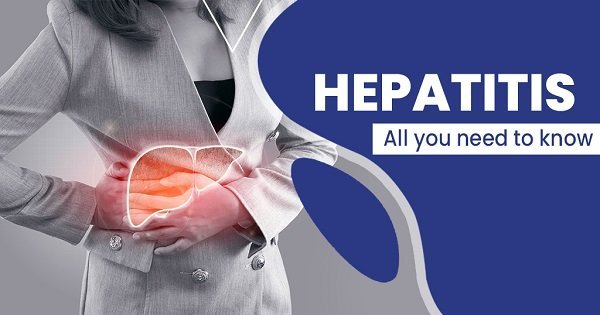
    Hepatitis B is a serious liver disease. It can cause chronic inflammation and scarring of the liver and lead to cirrhosis, cancer, and other serious health problems. Chronic hepatitis B is caused by infection with the hepatitis B virus (HBV) that can be passed through blood contact, sexual contact, or mother-to-infant transmission.

    Eat right

    • You should eat right. Eating a healthy diet is one of the most important things that you can do to help your liver function well.
    • Avoid fatty foods and processed foods, including fast food and sugary drinks.
    • Eat plenty of green vegetables, whole grains (like brown rice or whole wheat bread), fruits (especially citrus), nuts, and seeds.
    • Drink lots of water throughout the day in addition to fluids like coffee or tea without sugar added.

    Exercise

    Exercise is a great way to take care of the liver. It can help improve blood flow, which provides nutrients and oxygen to the organ and helps it perform its functions. Exercise may also reduce stress and enhance your mood, which helps prevent depression or anxiety disorders.

    If you have chronic hepatitis B, you must talk with your doctor about how much exercise is right for you. Some types of exercise are more beneficial than others; for example:

    Walking briskly for 30 minutes at least three times per week can help with weight loss and overall health benefits—especially if combined with other healthy habits like eating well and exercising regularly.

    Swimming laps daily can help improve cholesterol levels in people with high blood pressure or diabetes since it improves heart function by increasing blood flow throughout the body via increased cardiac output (the amount of blood pumped out by each ventricle).

    Avoid alcohol, drugs, and smoking

    Alcohol, drugs, and smoking can damage your liver. They also cause cancer of the liver. If you are addicted to alcohol, drugs, or smoking, get help before it’s too late.

    Avoid exposure to hepatitis B virus (HBV). If you have chronic hepatitis B infection, avoid contact with others who may be infected with HBV and blood donations from such individuals until four months after completing treatment with Entekor 1 mg every day for 12 weeks.

    How to take Entekor 1 mg

    Take medicine with food. The recommended dose of Entecavir is 1 mg per day in two divided doses, with or without food.

    What are the side effects of taking Entekor 1 mg?

    Side effects that may occur while taking this medication include nausea, vomiting, headache, dizziness, and diarrhea (also may include a yellowing of the eyes).

    What are the precautions for taking Entekor 1 mg?

    • Tell the doctor if you are pregnant or breastfeeding.
    • If you have liver disease, you must talk to the doctor about what dose of this drug is right for you.
    • You should not take this medication if you have had an allergic reaction to entecavir 1 mg.

    Entecavir uses include situations when an individual has diabetes, high blood pressure, or other diseases that damage the liver. The doctor may prescribe medications to help manage these conditions.

    If you are already feeling good and want to live a healthy lifestyle with chronic hepatitis B, but aren’t sure what steps to take next, talk with a healthcare provider about the goals for living well despite having the virus in the body.

    If you have chronic hepatitis B, you must take simple steps to protect your liver.

    • Sleep enough.
    • Stay away from alcohol and drugs.
    • Control diabetes and high blood pressure.

    Conclusion

    If you have chronic hepatitis B, you must protect your liver with regular exercise and a healthy diet. Don’t forget to talk with the doctor about taking Entekor 1 mg tablets if needed.

  • Different Treatment Options to Improve the Survival Rate of CML Leukemia?

    Different Treatment Options to Improve the Survival Rate of CML Leukemia?

    Introduction of  CML Leukemia

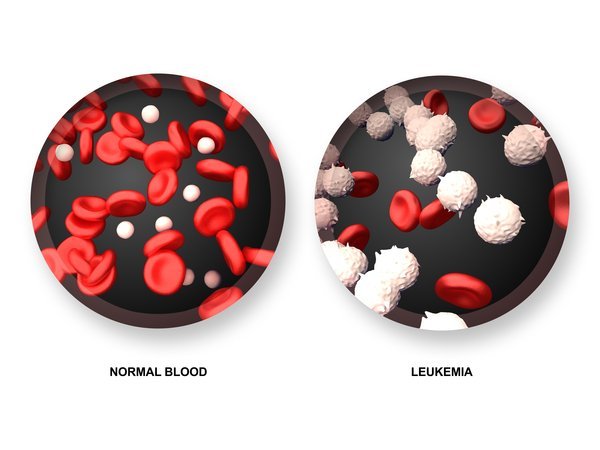
    Leukemia is a type of blood cancer affecting white blood cells. The survival rate of CML leukemia can be improved if the treatment is started in time. To increase the survival rate of leukemia patients, the diagnosis should be made as early as possible.

    Different treatment options include:

    • Chemotherapy and radiation therapy are used to treat cancer cells in the bone marrow, blood, liver, and other parts of the body.
    • Chemotherapy drugs are given intravenously (by vein) or into muscle tissue.
    • Radiation therapy is given to destroy cancer cells through high doses of radiation energy that damage DNA structures called chromosomes (the genetic material).
    • Treatment for CML leukemia starts with a targeted therapy known as a tyrosine kinase inhibitor (TKI). This type of therapy has increased the life expectancy of patients to an average of up to 30 years. TKI drugs such as Dasatinib tablets 50mg and Dyronib 50mg Tablets are prescribed.
    • The tablets, such as Dyronib 50mg Tablet, use the process to suppress the BCR-ABL tyrosine kinase enzyme that causes CML leukemia.
    • Patients also undergo other treatments, such as chemotherapy and radiation therapy, which may be needed if there is no remission after 6 months or more from taking the first TKIs.
    • If patients respond well to the TKI therapy, they are taken off this treatment after a few years if their blood cell counts remain normal. However, if there are signs of leukemia cells in the body, treatment will be continued until blood cell counts remain normal and stay normal for some time after treatment is stopped.
    • If blood cell counts remain normal, treatment is stopped, but if they do not, then treatment is continued. Blood cell counts are checked regularly during this period.
    • For patients who develop resistance to TKI drugs, Imatinib is prescribed them. This type of therapy is known as second-generation TKIs and can prevent or delay complications from occurring. Imatinib is a drug that was originally discovered in the laboratory by scientists at Bristol-Myers Squibb (BMS), which manufactures the drug under contract with Roche Laboratories. It treats chronic myelogenous leukemia (CML) in adults and children with Philadelphia chromosome-positive disease (Ph+). The FDA approved this medication on December 20th, 2002; however, it wasn’t until April 2005 that doctors began prescribing it widely because there were still concerns about its safety profile compared to other available treatments such as Gleevec/Imatinib mesylate tablets and Dasatinib tablets 50mg.

    With early diagnosis and proper treatment, survival rates can be improved in the case of CML leukemia.

    The survival rate of CML leukemia can be improved with early diagnosis and proper treatment. Early diagnosis is important because the earlier you are diagnosed, the better your prognosis.

    The best way to treat CML leukemia is through chemotherapy. Chemotherapy involves taking medicine that kills cancer cells while leaving healthy cells alone. Chemotherapy drugs work by damaging DNA or RNA molecules inside a cell’s nucleus (the part of a cell where genetic instructions are stored). This damage causes cancer cells to die because they’re no longer able to grow properly or reproduce fully; however, healthy cells do not die when exposed to chemo treatments because they have different DNA sequences than normal ones do (and therefore don’t become damaged).

    Conclusion

    Leukemia is often treated at the advanced stages of the disease. However, in the case of early diagnosis and proper treatment, survival rates can be improved. Early detection can help identify patients who might respond well to tyrosine kinase inhibitor therapies like Dasatinib tablets 50mg and Dyronib 50mg Tablet, increasing their life expectancy to an average of up to 30 years.

  • Is Hepatitis B Curable or Not?

    Is Hepatitis B Curable or Not?

    Tenof 300 mg for Hepatitis B 

    Hepatitis B infection is not curable; however, it can be controlled and managed if it is intervened and treated early. If a person feels that he or she has come in contact with the hepatitis B virus or bodily fluids of a person, then they must consult a healthcare provider immediately. Hepatitis B is a serious liver function that is caused when a person contracts the hepatitis B virus. As per sources, 8,62,000 people in the United States have chronic hepatitis B infection. It is difficult to diagnose hepatitis B at an early stage since it shows no signs or symptoms, and it can be detected only when a person undergoes a blood test.

    Hepatitis B can prove fatal since it results in severe liver damage if it is not treated promptly; however, most people you get recover within a few months of getting this infection.

    Can you get cured of hepatitis B or not?

    Presently there is no cure for hepatitis B; however, as per sources, most people recover within one or three months of transmitting this virus. Many people do not require treatment, especially those with acute hepatitis B that lasts for a short time. However, the majority of people develop chronic hepatitis B, and this infection can last for more than six months. Young children and newborns have a high risk of developing chronic hepatitis B infection. If you want to protect your liver from further damage, avoid tobacco and alcohol consumption, go for regular checkups and eat a balanced diet.

    Treatment for hepatitis B

    If a person has come in contact with the bodily fluids of a person living with hepatitis B, they must consult a doctor immediately. Your healthcare provider will suggest you take the hepatitis B vaccine. They may also prescribe medication like hepatitis B immune globulin, which prevents this infection from becoming aggressive. If a person gets hepatitis B vaccination and hepatitis B immune globulin, then they will be unlikely to develop this infection.

    Acute hepatitis B does not require any treatment as this infection gets cleared independently. Your doctor may suggest you rest, take medication like Tenof 300 mg, drink plenty of fluids, and have a nutritious diet. Regular blood tests will help your healthcare provider check whether the acute infection has developed into a chronic one. If a person is tested hepatitis B positive even after six months, then doctors will start diagnosing for chronic hepatitis B. People with chronic hepatitis B are at high risk of developing liver failure, cirrhosis, or even liver cancer.

    Chronic hepatitis B is curable when interferons and antiviral drugs are taken timely. Medications like Tenof 300 mg (Tenofovir disoproxil fumarate) help to strengthen immunity, remove the virus and prevent further damage to the liver. You must discuss Tenof 300 mg (tenofovir disoproxil fumarate) and the potential side effects with your doctor.

    Conclusion

    Hepatitis B is not curable; however, people can expect a healthy and long life if they go for routine monitoring and follow the treatment plan. Presently hepatitis B is underdiagnosed, as a result of which people develop complications like acute liver failure and liver cancer. The earlier the hepatitis B virus is diagnosed, the earlier he or she will be treated, so there will be less concern for experiencing liver damage. Hepatitis B is treatable; however, there is no cure.

    You can learn about the highly effective hepatitis B medication- Tenof 300 mg(tenofovir disoproxil fumarate price) from your nearby pharmacy store. A person with hepatitis B can manage the infection through routine checkups and follow-ups. A person with HBV must eat healthily and avoid alcohol and tobacco consumption if they want to maintain a healthy liver in their body.

  • What are the Signs of Blood Cancer?

    What are the Signs of Blood Cancer?

    Signs of Blood Cancer

    There are many blood cancers, including leukemia, lymphoma, and myeloma. But some signs can help you identify these diseases earlier in their progression. If you notice any of these signs, it’s important to get medical attention immediately so your condition can be monitored and treated properly by a team of experts at your local hospital or cancer center.

    • Bone pain that is often severe and located in the back or ribs

    Blood cancer can cause bone pain, which may be mild to severe. The most common causes of bone pain are multiple myeloma, leukemia, and lymphoma.

    • Swollen lymph nodes, most often in the neck, underarm, and groin

    Swollen lymph nodes, most often in the neck, underarm, and groin area, are common signs of blood cancer.

    • Frequent infections caused by suffering from a low count of infection-fighting white blood cells

    Frequent infections caused by a low count of infection-fighting white blood cells can also be a sign that you have blood cancer. This is because your body has fewer white blood cells to fight off infections, which means you are more likely to get an infection and become sick from it.

    • You may have frequent infections due to several different types of cancer:

    Leukemia affects the bone marrow and causes the production of abnormal red blood cells (red blood cell leukemia).

    • Excessive sweating, especially at night

    Excessive sweating, especially at night, can signify blood cancer. Sweating is not always a symptom of blood cancer and can also be caused by other medical conditions. If you are sweating more than usual, it is important to see your doctor so they can determine the cause and correct it.

    • Fatigue

    If you’re always tired, it’s important to get checked out by a doctor. Many different conditions, including cancer, can cause fatigue.

    • Fever, chills

    Fever, chills, and sweating are common symptoms of infection. They’re also signs of blood cancer.

    • Drenching night sweats

    Sweating is a symptom of blood cancer, but night sweats are not. Many things, including stress and exercise, can cause sweating. But it’s usually associated with a tumor in your body. So if you’re sweating at night and have no other symptoms of a tumor (like pain or feeling weak), then you may have an infection or inflammation somewhere on your body that’s causing this excessive sweating.

    • Loss of appetite or significant weight loss not attributed to dieting or exercise

    If you’ve lost a lot of weight, it’s important to ensure that your appetite isn’t affected by cancer. If your appetite is significantly reduced and not attributed to dieting or exercise, this could be a sign of blood cancer.

    Treatment

    A drug used to treat cancer is called Dasamaps 70mg tablet.

    A 70 mg dasamaps pill treats blood cancer (chronic myeloid leukemia). It is prescribed to persons whose leukemia was resistant to other leukemia treatments or who were unable to take those treatments because of side effects.

    Dasatinib tablets can be taken with or without food. However, for optimal results, take them at the same time every day. Your doctor will choose the right dose and the best administration schedule.

    Dasatinib uses

    Be sure to take this medication as prescribed by your doctor and for the full recommended time. At once, take it all in. It must not be eaten, broken, or crushed. Dasamaps 70mg tablets may be taken with or without meals, but it is advised that you take them at a predetermined time. By stopping the abnormal protein from signaling the expansion of cancer cells, it prevents the proliferation of cancer cells. This helps in stopping or slowing the spread of cancerous cells. Following consumption of this tablet, it is strictly forbidden to drive or breastfeed.

  • How Long can you Live with Liver Cancer?

    How Long can you Live with Liver Cancer?

    Live with Liver Cancer

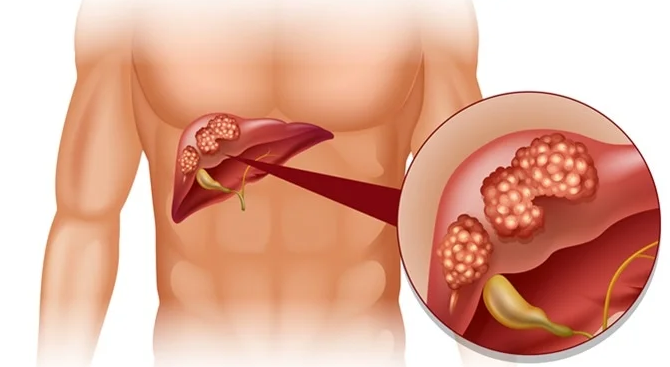
    Liver cancer is the most common type of cancer in the world. It usually causes symptoms such as pain and heaviness in the upper right side of the abdomen, nausea, vomiting, loss of appetite, fatigue, and weight loss. The expectancy for people live with liver cancer is about 6 months. However, the best medicine prescribed by doctors for maintaining liver function is hepakast sachet.

    The average life expectancy for people with liver cancer is about 6 months.

    This means that most patients die within 6 months of being diagnosed. However, some people live longer than this time frame, and some live shorter than this time frame. If you have been diagnosed with liver cancer, it’s important to understand what implications your diagnosis will have on your future health and quality of life. The usage of tablets such as L-valine, L-leucine, and L-isoleucine is also suggested only with a doctor’s recommendation.

    The average age at which someone dies from liver cancer is 60. Also, at certain ages, usage of L-isoleucine in a quantity of 1 to 2 grams three times a day is suggested for better functioning of digestive parts and breaking food at older ages.

    What affects your chance of survival?

    The chance of survival depends on several factors, including:

    Age. The older you are, the less likely it is that your cancer will be cured and the more likely it is that your condition will get worse. If you’re under 30 years old, it’s unlikely that liver cancer will cause symptoms or lead to death in most cases. However, if you have other diseases (such as chronic hepatitis B), your chances of surviving liver cancer may be lower than those who are younger or do not have these diseases at all; however, this is not always true as there have been many reports showing how some people who had advanced liver disease could live with their condition for decades before passing away from complications such as cirrhosis or liver failure caused by treatment side effects like radiation exposure during surgery which might occur later down the road if left untreated for the too long period time frame.”

    At stage 3, the 5-year survival rate for liver cancer is about 1 in 10.

    This means that 10% of people diagnosed with liver cancer will survive for at least five years after their diagnosis. To help the metabolism reactivate and production of the amino acids, L-leucine is suggested for protein synthesis.

    At stage 4, the 5-year survival rate for liver cancer is about 1 in 20.

    This means that if you have stage 4 liver cancer, there’s about a 5% chance that you will be alive five years from now.

    As with all cancers and other diseases, this number can change depending on many factors, including how fast your disease progresses and what treatments are given (for example, surgery or radiation therapy).

    This means that out of every 100 people diagnosed with liver cancer at stage 3, 10 people will live at least five years, and out of every 100 people diagnosed at stage 4, 5 will live at least five years.

    Many factors can affect your chance of survival, such as your age and other health problems that you may have.Live

    Age: The older you are, the less likely liver cancer will be cured with treatment. For example, if you’re older than 60, only about half of people with liver cancer survive for at least five years after a diagnosis.

    Gender: Men tend to die from liver cancer more often than women do because of their greater risk factors like alcohol abuse and diabetes mellitus type II.

    Race/ethnicity: Liver cancer tends to occur more often in African Americans than Caucasians or Hispanics because these groups have higher rates of obesity but lower rates of smoking than other races/ethnicities.

    You can live longer than predicted if you’re healthy, but it’s not easy. If you have a chronic illness or poor health habits, your chances of living longer are reduced.

    You’ll also need to stay active and eat well to maintain a healthy lifestyle. It’s important to stay connected with friends and family members who can help make sure that your life goes as smoothly as possible during those difficult times when things aren’t going well for you. Also, you can use L-valine for the metabolism and repair of muscle tissues.

    Conclusion

    When you have cancer, it’s natural to want to know as much as possible about how long you have to live. But remember that these statistics are based on what happened to large groups of people with the same type of cancer in the past – not a prediction of what will happen to you personally! The best way is still prevention through regular screenings, which can help reduce your risk of cancer and cardiovascular disease.

  • Frequently Asked Questions on HIV

    Frequently Asked Questions on HIV

    Frequently Asked Questions on HIV

    What is HIV?

    HIV stands for Human Immunodeficiency Virus. It is a kind of virus that attacks cells of the immune system and weakens our immune system. AIDS (acquired immunodeficiency syndrome) is the name of the disease spread due to HIV. HIV damages our immune system badly and hinders the ability of the body to fight infections and diseases.

    What are the causes of HIV/AIDS?

    Several reasons cause HIV/AIDS:

    • It is spread by sexual contact with an infected person.
    • It can also be spread by illicit injection or a drug shared with an infected person.
    • It can be spread through contact with infected blood.
    • During pregnancy, it can be transmitted from mother to child
    • It can also be spread during breastfeeding or childbirth from the infected mother to the child

    Can I catch HIV from someone coughing or sneezing on me?

    No, HIV is not caused by someone sneezing or coughing on you. Moreover, it is not passed from sweat or saliva either. It is only caused when the infected person’s blood gets in contact. Vaginal fluids, semen, and breast milk are some fluids that contain the highest concentrations of HIV.

    Is HIV/AIDS curable?

    There is no known cure for HIV/AIDS to date. But you can prevent it and even control it with some medications.

    Where to get an HIV/AIDS test?

    You can go to the nearest hospital and tell them about your problem and get tested. Most clinics and hospitals keep this information confidential.

    What are some preventive measures to prevent HIV/AIDS?

    There are several preventive measures that you can take to avoid HIV/AIDS:

    • Avoid intercourse with an unknown person because he might be infected
    • Never share needles
    • Using condoms during intercourse

    Is there any medication for controlling HIV/AIDS?

    Yes, Axentri 150mg or tablets are used to control HIV/AIDS. It is not a cure for HIV, but it helps to treat and control HIV. It prevents HIV from entering the human body and thus controls infection.

    Axentri/Marviroc uses: Marviroc 150mg helps decrease the amount of HIV in your body and improves your lifespan. It is generally prescribed with other HIV-treating medicines. A balanced dose of some medicines can treat HIV/AIDS efficiently and in less time.

    It is from a group of medicines known as CCR5 antagonists.

    How to use Axentri 150mg tablets: These are used as prescribed by your doctor. The doses, as well as the duration, are decided by your doctor. Marviroc 150mg can be taken with or without food, but it is advised to follow as your doctor says.

    How Marviroc 150mg tablets work: Axtentri 150mg is a CCR (chemokine receptor antagonist). The human chemokine receptor (CCR5) is on the CD4 cells’ membrane. The Axentri 150mg binds to the CCR5 and thus helps to prevent HIV’s interaction with CCR5.

    Axentri 150mg price: It costs 10 tablets for Rupees 1746. You can buy it from a nearby medical shop, or you can buy it online too, on various sites like TATA 1mg, Pharmeasy, etc.

    Side effects:

    • Nausea
    • Rashes
    • Weakness
    • Depression
    • Loss of appetite
    • Pain in abdomen
    • Insomnia
    • Increase in liver enzymes
    • Anemia
    • Flatulence

    If these side effects persist, immediately contact your doctor.

    Precautions to be taken while using Axentri 150mg:

    • Axentri 150mg is highly unsafe while breastfeeding
    • Marviroc can cause weakness due to low blood pressure. Avoid driving
    • For kidney patients, Marviroc can be used but with caution
    • Liver patients should not take Axentri 150mg
    • During pregnancy, it can be used, and it is safe.
  • What are the Early Signs and Symptoms of Thyroid Cancer?

    What are the Early Signs and Symptoms of Thyroid Cancer?

    Lenvenib 4mg for Thyroid Cancer

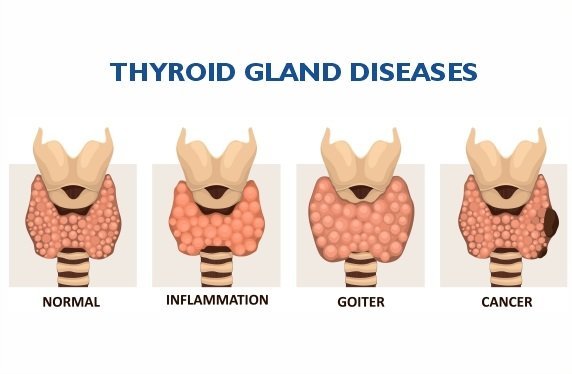
    The thyroid is a butterfly-shaped, quarter-sized gland present around the trachea. It helps produce hormones that control our body’s heart rate, body temperature, and metabolism rate. Thyroid hormones help in regulating the amount of calcium that must be present in the bloodstream. If thyroid cancer is in its early stages, it will hardly show any symptoms or signs.

    Thyroid cancer is diagnosed when a routine neck test or imaging scan is performed. Thyroid cancer is a common type of cancer that usually occurs in people between the ages of 25 to 65. This cancer leads to swelling or a lump around the neck, which makes it difficult to swallow or breathe properly and may even cause vocal hoarseness. If you are experiencing any symptoms, you must reach your healthcare provider for a proper diagnosis and treatment plan.

    Early symptoms or warning signs of thyroid cancer

    The common early symptom of thyroid cancer is swelling, nodules, or unusual lump in the neck region. If you notice a growing or new lump around your neck, you must consult your healthcare provider and go for testing to determine whether it is a thyroid tumor. The early signs of thyroid cancer generally include the following

    • Hoarseness
    • Persistent cough
    • Swollen neck glands
    • Fatigue
    • Difficulty in breathing
    • Neck pain
    • Trouble in swallowing food

    Early stages of thyroid cancer do not come with any symptoms. Therefore, it is important to go for regular screening and follow-up since, during this time, you may undergo blood tests for physical examination and imaging tests which will determine the size and stage of the tumor. 30% of people experiencing thyroid cancer may develop recurrent thyroid cancer. Around 80% of recurrent thyroid cancer patient develops this cancer in their neck region.

    In comparison, 20% develop recurrent disease, spreading to other body parts like bone, liver, and lungs. The treatment options for recurrent and primary thyroid cancer depend on the detection and early diagnosis.

    What should you do if you notice thyroid cancer’s early signs and symptoms?

    If you’re experiencing early signs or symptoms of thyroid cancer, you need to consult your healthcare provider and go for an accurate diagnosis. Your doctor will perform a physical exam and check your throat and neck to detect abnormal lymph nodes or thyroid nodes.

    He or she will ask you to undergo a blood test, MRI scan, chest X-ray, CT scan, biopsy, vocal cord examination, and radionuclide scanning to check the tumor. Lenvenib 4mg(lenvatinib 4mg) is a common and highly effective medication for thyroid cancer.

    Diagnosis and treatment of thyroid cancer

    Thyroid cancer can be caused by various reasons, such as a family history of thyroid cancer, having enlarged thyroid nodules, and exposure to radiation like childhood radiation therapy treatment. Generally, the common type of thyroid cancer has a good outlook and prognosis if detected early. Many people with thyroid cancer are given a combination of advanced treatments such as radiotherapy from radioactive iodine treatment, chemotherapy, thyroid hormone replacement therapy, surgery, and medications like Lenvenib 4mg capsules.

    The right treatment will depend upon your test results, the tumor growth, and size, your age, your type of thyroid cancer, etcetera. The five-year survival rate for thyroid cancer is around 97%. Before taking, you must consult the side effects and dosage of lenvenib 4mg.

  • Is Hepatitis C Curable?

    Is Hepatitis C Curable?

    Is hepatitis C curable?

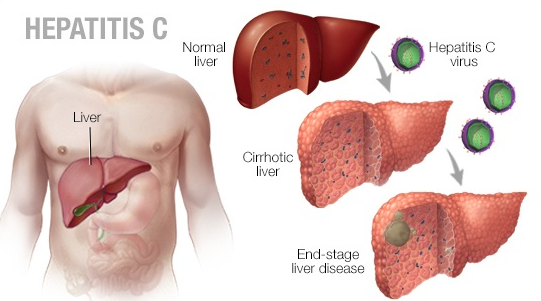
    There isn’t any vaccine for hepatitis C; however, modern treatment and medications are highly effective in reducing the viral load and making it reach an undetected level, and this can help to cure hepatitis C completely and even prevent recurrent hepatitis C. Hepatitis C is a serious infection caused by Hep C virus which leads to fatal consequences. However with modern treatments and medications, the prognosis and outlook of hepatitis C is better compared to the early years.

    Hepatitis C virus is considered to be cured when it is no longer detected in your bloodstream twelve weeks after the completion of the treatment process. This is also known as SVR sustained virologic response. Antiviral drugs like myhep dvir tablet help to cure hepatitis C and prevent the development of chronic liver disease.

    As per reports by the CDC, most people who contract hepatitis C virus get cleared of this virus from their bodies without undergoing treatment. This acute short-term hepatitis C infection does not require any treatment; however, most people who develop chronic hepatitis C show symptoms and require treatment. You can know about the myhep dvir price and other related details from your nearby pharmacy store or online stores.

    What new treatments and medications are available that help to cure hepatitis C?

    The antiviral drug is an eight-week hepatitis C treatment, which is given to children 12 years older and adults. This treatment is effective for people with any genotype of hepatitis C. Non-invasive methods have come up for testing the liver damage caused by contracting hepatitis C. Liver biopsy can also be performed by your healthcare provider to assess the damage cost to your liver by the hepatitis C virus.

    Imaging tests like transient elastography and magnetic resonance elastography helps in the diagnosis of hepatitis C and liver condition. Ongoing research is taking place to develop a vaccine that could prevent hepatitis C.

    Clinical trial is also taking place to study the effectiveness and safety of the DNA vaccine, which will help boost the ability of your immunity system and help the virus get cleared on its own.

    Is there any way to prevent the contraction of hepatitis C?

    Even though no vaccine has been developed to prevent hepatitis C, vaccines are available for other types of hepatitis viruses, such as hepatitis A and hepatitis B. On diagnosing hepatitis C, your doctor may advise you to get hepatitis A&B vaccines to prevent further liver damage. CDC also recommends individuals 12 years old or older, along with those who are pregnant, get regular check-ups and get screened for hepatitis C. Antiviral drugs like sofosbuvir 400 mg treat hepatitis C by preventing severe complications like chronic liver damage and cirrhosis. According to World Health Organization, these medications cure 95% of hepatitis C cases.

    Role of direct-acting antivirals

    Antiviral treatment includes effective drugs like MyHep DVIR that helps to cure hepatitis C by attacking the Hepatitis C virus directly. These drugs are known to have better success rates than older treatment methods. These medications may have potential side effects and have a variable success rate. Direct-acting antivirals help treat the hep C virus in adults and clear the virus from your system.

    The main aim of direct-acting antivirals like daclatasvir 60 mg is to make the hepatitis virus reach to undetected level in your bloodstream. If you develop chronic hepatitis C, this may cause liver failure or liver cancer. In such a situation, the ideal treatment option would be to undergo a liver transplant. Hepatitis C is one common reason why people undergo liver transplantation.

  • What is the Survival Rate of Thyroid Cancer?

    What is the Survival Rate of Thyroid Cancer?

    Survival Rate of Thyroid Cancer

    Thyroid cancer is the 7th most common type of cancer, which occurs mostly in women. In 202,0, approximately 586,202 individuals were diagnosed with this type of cancer. The five-year survival rate of cancer describes the percentage of individuals who will stay alive for a minimum of five years after being diagnosed with cancer in their body. The five-year survival rate for individuals with thyroid cancer in the United States is around 98%. The survival rates for thyroid cancer depend on several factors, such as the type of thyroid cancer the person has and the stage of cancer.

    Localized thyroid cancer

    If thyroid cancer remains confined to the thyroid glands, the stage is localized thyroid cancer. The five-year survival rate for follicular, localized papillary, and medullary cancer is 100%. The five-year survival rate for localized anaplastic cancer is around 34%.

    Regional thyroid cancer

    If cancer spreads to other organs, nearby tissues, and regional lymph nodes, the state will be referred to as regional thyroid cancer. Regional papillary thyroid cancer has a 99% five-year survival rate. Regional follicular cancer has a 98% survival rate. Regional medullary cancer has a 90% survival rate, whereas regional anaplastic cancer has only a 9% five-year survival rate.

    Anaplastic and medullary cancer

    Anaplastic and medullary cancer forms 3% of total thyroid cancer, which is more likely to spread to the nearby organs and lymph nodes. If this cancer spreads to distant body parts, it will be referred to as a metastatic disease. Metastatic papillary cancer has a five-year survival rate of 75%. The five-year survival rate for metastatic follicular cancer is 63%, and metastatic medullary thyroid cancer has a 40% survival rate. In contrast, the five-year survival rate for metastatic anaplastic cancer is only 4%.

    How is thyroid cancer treated or managed?

    Treatment option for cancer depends on several factors, such as how far the cancer has spread as well as the size of the tumor. Common treatment options for cancer include surgery, radioiodine therapy, radiation therapy, chemotherapy, hormone therapy, and targeted drugs like Lenvat 4 mg Capsule.  The cancer can spread to other body organs like bones, lungs, and liver; therefore, it is important to detect and treat cancer in the early stage to reduce metastasis risk. Surgery is one of the most common treatment options for cancer, and depending on the location and size of the tumor, your surgeon will remove a part of the tumor in the thyroid gland.

    Radioiodine therapy is a treatment that helps shrink and destroy the thyroid gland containing cancer cells and is one of the safest treatment options. Radiation therapy kills abnormal cancer cells and prevents them from growing and becoming aggressive. Chemotherapy prevents cancer from growing, and only a few people diagnosed with cancer require chemotherapy. Recovery from this cancer depends on your cancer stage, the tumor size, and the type of treatment you are receiving.

    Conclusion

    Cancer is a type of develops in the thyroid gland, which is an important part of the endocrine system. The thyroid gland helps to produce the hormones that regulate your body temperature, metabolism, and heart rate. Americans have a high risk of suffering from cancer, and 2000 individuals die yearly. You can learn about lenvatinib capsules 4 mg price from your nearest pharmacy or online. This cancer is highly curable if suitable treatment options like chemotherapy, surgery, radioiodine therapy, radiation, medicines like Lenvatinib 4mg Capsules, and hormone therapy are provided promptly.