Category: Blog

  • Can Hepatitis C be Treated?

    Can Hepatitis C be Treated?

    Trombopag 50mg 

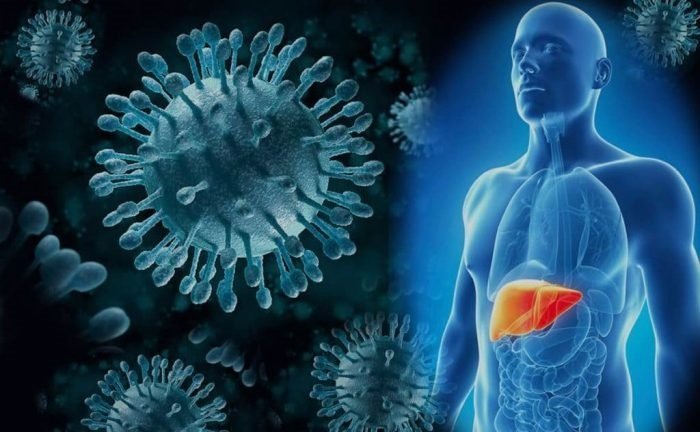
    Till today, there is no vaccination available for hepatitis C. However, treatment options are available that help in reducing the viral load to the level where the virus cannot be detected, and then the person can be considered to be cured of hepatitis C. You can be cured of the hepatitis C virus when the viral load is undetectable in your bloodstream twelve weeks after completion of the treatment. This is also known as SVR or sustained virologic response.

    One of the serious and life-threatening hepatitis viruses is known to be hepatitis C; however, with modern technology and improvement in science, new treatments are being developed with each passing day, which helps in managing the virus compared to the situation in the past. Antiviral drugs such as Trombopag 50mg help cure hepatitis C and even prevent serious health complications like chronic liver disease.

    As per reports by the CDC or Centers for Disease Control and Prevention, most people who contract the hepatitis C virus become cleared of it on their own without even requiring treatment. Such people suffer from short-term acute hepatitis C, so they don’t require any treatment. However, many people suffering from acute hepatitis C progress to a chronic condition that will require treatment to get rid of the virus from the body. There are hardly any symptoms that will be noticeable in your acute condition until the condition worsens and causes serious liver damage; therefore, getting screened for hepatitis C if you think you’re exposed to this virus is important.

    New treatments

    New treatments and medications, such as trombopag 50mghelp people to delay the symptoms or prevent chronic liver damage. Today noninvasive tests are available for liver damage that is caused due to hepatitis C and helps in the diagnosis of this virus. A liver biopsy also helps determine the extent of the hepatitis C virus in your bloodstream and the extent of liver damage. New imaging tests like transient elastography and magnetic resonance elastography help in measuring the condition of the liver to help in the treatment and diagnosis of hepatitis C. With the help of these tests, doctors can assess whether your liver has been damaged as well as the extent of damage caused to fibrotic tissues.

    Emerging treatments

    Researchers are working on making a vaccine that can help in the prevention of hepatitis C. Clinical trial is also taking place to study the effectiveness and safety of a DNA vaccine that can help boost the immunity system so that the virus can get cleared on its own. DNA vaccine would help in treating chronic hepatitis C.

    Current treatments

    Certain medications, such as eltrombopag 50mg (eltrombopag olamine tablets), helps in the treatment of chronic hepatitis C. Antiviral drug helps to boost the immunity system so that the strong immune system clears the virus. The goal of antiviral drugs and strong medications is to help the person get rid of the hepatitis C virus. However, these medications come with variable cure rates and certain side effects. The FDA has also approved certain antivirals since 2011 which directly attack the hepatitis C virus. Using these drugs and medications as treatment helps the person to increase their life expectancy rate. It seems to be better than older treatments and has better success rates.

    Trombopag 50mg (Eltrombopag olamine) uses are known to help treat hepatitis C virus in adults widely. Hepatitis C sometimes requires a liver transplant, especially for people who develop liver failure or cancer. A liver transplant replaces the damaged liver with a healthy one.
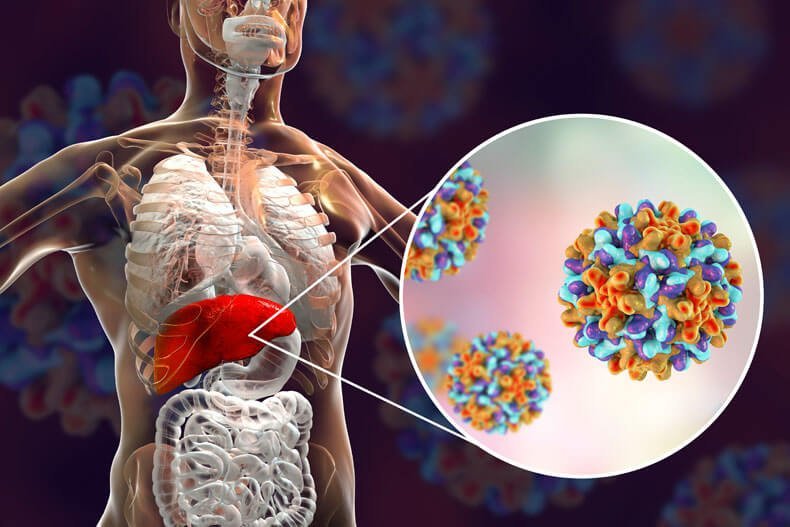

  • Difference Between Chronic and Acute Hepatitis C

    Difference Between Chronic and Acute Hepatitis C

    Hepcinat Plus Tablet

    What is Hepatitis, and what are its types?

    Hepatitis is the inflammation or swelling of the liver tissues caused by certain types of viral infections or chemical components. Hepatitis can also occur due to toxins or genetic disorders. If the inflammatory condition of the liver progresses, it can damage liver cells.

    Hepatitis can be categorized according to the types of hepatitis viruses.

    • Hepatitis A- Hepatitis A is a contagious liver disease resulting from the hepatitis A virus. Although Hepatitis can disrupt your liver function, it is considered an acute Hepatitis C infection that can be cured within a few months.
    • Hepatitis B- The Hepatitis B virus causes hepatitis B. It is a serious liver infection that a vaccine can only prevent.
    • Hepatitis C- Hepatitis C (Hep C) virus causes inflammation of the liver tissues and is highly contagious. The right treatment can only prevent the spread of the disease.
    • Hepatitis D- Hepatitis D occurs only in the presence of the Hepatitis B virus. Thus, this form of virus (HDV-VBC co-infection) is the most severe type of hepatitis that cannot be cured.
    • Hepatitis E- Hepatitis E is caused by the hepatitis E virus (HEV). It is a contagious disease found in the fecal matter of a Hepatitis E-infected person. Hepatitis is a long-term disease, and it is mainly spread through contaminated food or water.

    What are the causes of Hepatitis?

    Various forms of hepatitis viruses cause hepatitis. However, it can also be a result of other factors, which include-

    • Alcohol consumption- Drinking alcohol in excess can scar your liver tissues which may, in turn, cause permanent liver damage.
    • Drugs- The excess dose of certain drugs like NSAIDs, Erythromycin, Sulfa drugs, and certain painkillers are associated with Drug-induced hepatitis that can destroy your liver cells.
    • Autoimmune disorder- In rare cases, the body’s immune system attacks the liver cells, which may lead to liver damage.

    What is Acute Hepatitis C?

    Acute Hepatitis C is a serious liver infection caused by the hepatitis C virus (HCV). This virus spreads when a person comes in contact with an infected person’s blood. Although acute hepatitis c is highly contagious, it is a short-term infection that can be treated with various medicines. Acute hepatitis does not cause noticeable symptoms, which is why patients are diagnosed with the disease quite later. But if the infection is undiagnosed, it can turn chronic, and you will start seeing some symptoms afterward.

    What is Chronic Hepatitis C?

    Chronic Hepatitis C is the progressive stage of Hepatitis C. It is spread through contact with the contaminated blood of an infected person. Chronic Hepatitis is a serious disease that can cause liver disorders such as liver cirrhosis or liver cancer.

    The initial days of Chronic Hepatitis C do not specifically cause any symptoms, but some symptoms may begin to appear after several months, such as

    • Yellowing of eyes and skin
    • Dark urine
    • Fatigue
    • Loss of appetite
    • Itchy skin
    • Spider angiomas

    What is the difference between chronic and acute Hepatitis C?

    Acute Hepatitis C 

    • Acute Hepatitis C is a short-term infection of the liver.
    • The infection occurs within 6 months of getting infected through contact with the blood fluids of an infected person.
    • Acute Hepatitis C is often considered a flu-like viral infection.
    • If acute Hepatitis C is not treated within 6 months, it can lead to Chronic Hepatitis C.
    • Acute Hepatitis usually goes away on its own. But medication is still required to stop transmitting the infection.

    Chronic Hepatitis C

    • Hepatitis C is a long-term infection of the liver that requires medical attention.
    • When Hepatitis C (Help C) progresses to a chronic condition after 6 months of the infection, it is called Chronic Hepatitis C.
    • Chronic Hepatitis C may sometimes be a terminal illness because it can completely damage your liver.
    • Due to modern treatments, Chronic Hepatitis C can be treated to increase a normal life expectancy.

    What are the treatments for Chronic Hepatitis C?

    Acute Hepatitis C can be normally treated with medicine that intends to kill the virus from your body. However, chronic Hepatitis C is a complicated stage of liver disease; hence, it may require surgery (liver transplantation) if it is not cured with medicines. Patients may opt for a liver transplant only if they fail to recover from Hepatitis C with drug therapies. But certain medicines have been proven to cure chronic Hepatitis C, such as sofosbuvir, entecavir, glucaprevir, and Hepcinat plus tablet. These medicines can also be used with other drugs to treat severe liver disorders, like Hepcinat Plus Tablet (Sofosbuvir 400 mg).

    Hepcinat plus tablet is an antiviral drug that blocks the growth of proteins from the blood, which increases the virus. The hepcinat plus tablet is often used with sofosbuvir or daclatasvir for treating hepatitis viruses. But the drug’s cost is expensive compared to other antiviral drugs. A single pack of hepcinat plus tablets may cost you around 9,000-10,000 or even more.

  • What is the Survival Rate of Brain Cancer?

    What is the Survival Rate of Brain Cancer?

    Brain Cancer

    The brain cancer survival rate is typically discussed in five years. In other words, Brain cancer survival rates for five years depend on the proportion of the cancer-affected patients who stay alive for five years after their treatment and diagnosis. The survival rate for brain cancer-affected people in the United States is around 32.6%.

    Important factors which contribute to the prognosis of brain cancer

    • Type of brain cancer

    Survival rate for brain cancer depends on the type of different brain tumors. For instance, the five years survival rate for glioblastoma is around 5.7%, whereas 5-year survival rate for astrocytoma is 43.6%. Other types of tumors have a five-year survival rate of 73.9%

    •  Treatment success

    An important criterion that influences the prognosis of this cancer individuals is their first treatment’s effectiveness and success, typically a surgery procedure. For example, temozolomide capsules help in treating brain cancer.

    Factors influencing the 5-year survival rate for brain cancer

    The survival rate for a person diagnosed with this cancer depends on several factors such as the type of tumor, location, grade of tumor, etc. There are variable statistics for the prognosis of this cancer-affected victims, and the survival rates differ in children, adults, and adolescents.

    One of the important determinants of this cancer survival rate is the kind of brain cancer the individual suffers from. Therefore, your doctor will prescribe Temonat after determining whether the type of brain cancer you are having is treatable.

    The survival rate for brain cancer without undergoing treatment

    If you or your family member has this cancer and do not receive timely treatment and medication like Temonat 250, then it will be a great difference in the survival rate. Individuals have factors that influence their survival rates, such as their illness and their immune system strength. Your physician will consider all important factors such as tumor great, type of tumor, and location before deciding the survival rate. For instance, aggressive tumors such as glioblastoma with no treatment option will have a survival rate ranging from approximately 3 to four months. Young adults aged 20 to 29 years having this cancer have a survival rate of 73%. People between the age of 15 to 19 years old suffering from adolescent brain tumors can have a five-year survival rate of 77%. Effective medication for treating this cancer today is temozolomide 250 mg.

    How is gender affect the survival rate?

    The main cause of how gender differences among people affect this cancer’s survival rate is not yet known. Researchers claim that hormones play a great role in influencing the survival rate of people who are suffering from this cancer. Gender differences, for instance, glioblastoma, affect males more than females.

    Grades 

    It is divided into 4 grades- such as grade 1, grade 2, grade 3, and grade 4. In the case of Grade 1, the cells look normal and grow slowly. This cancer is unlikely to spread, and treated this tumor. Surgery is the only way out. In the case of grade 2, cells do not appear much like normal cells. Although grade refers to slow growing tumor stage, cancer may spread to nearby brain tissues and can also return in the future. In the case of grade 3, the cells do not look like normal cells and grow faster. The tumor spreads to the nearby regions of the brain and even the spinal cord. Grade 4 this cancer looks much abnormal. So grade 4 cells are aggressive and spread to the spinal cord and brain regions.

  • Idiopathic Pulmonary Fibrosis: Dissecting the Mystery

    Idiopathic Pulmonary Fibrosis: Dissecting the Mystery

    Nintedanib Capsules 100mg for IPF

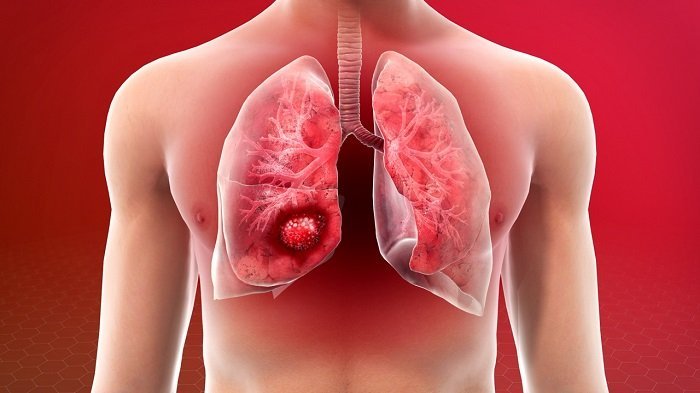
    Idiopathic Pulmonary Fibrosis (IPF) is a serious lung disease that causes inflammation or scarring of the lung tissues. These wounds (fibrosis) build up in the lungs over time and can affect the respiratory system. IPF is a very rare disease of the lungs, and the progression of the disease can be life-threatening.

    Causes and Risk Factors 

    The cause of Idiopathic Pulmonary Fibrosis remains unknown, but several risk factors can lead to acquiring the disease.

    • Age– IPF is most common in adults between 50 and 70.
    • Radiation exposure- Therapies used for cancer treatment can lead to higher exposure to radiation, which can cause damage to lung tissues.
    • Impact on other medical conditions- Pulmonary Fibrosis may also occur in patients diagnosed with a certain kind of autoimmune disease or viral infection.

    Signs and Symptoms 

    Chronic Coughing is the first sign that patients with IPF mostly suffer. During the last stages, patients may experience some serious symptoms, which may include-

    • Chest pain
    • Difficulty in breathing
    • Fatigue
    • Loss of appetite
    • Swelling of the leg
    • Joint and muscle pain
    • Weight loss

    Prognosis

    Idiopathic Pulmonary Fibrosis is a progressive disease that can get worse over time. The cause of the disease has not been found, so patients with IPF show no serious symptoms, which becomes difficult to identify the disease. Generally, dry cough or shortness of breath indicates the presence of IPF; however, these symptoms are also common in patients with other respiratory diseases such as Pneumonia, bronchitis, and asthma. In addition, the progression of IPF is hard to tell; hence, the disease’s severity depends on the stages.

    • Stage 1- Usually, patients with Stage 1 of IPF do not show any symptoms. However, they may develop dry cough or shortness of breath.
    • Stage 2- In stage 2 of IPF, dry cough or shortness of breath may seem to progress.
    • Stage 3- In this stage, the patient’s oxygen level can go down, and they may need oxygen 24/7.
    • Stage 4- This is the final stage of IPF, in which patients may require additional oxygen support.

    Diagnosis and tests

    A doctor or healthcare professional may suggest some of the following tests to look out for a patient who has symptoms of IPF.

    • Chest X-Ray- This is the most common type of test that a doctor may recommend to their patients to check the scars of the tissues in the lungs.
    • Breathing Test- A spirometer, a medical device, is highly used to measure the functioning of the lungs. The patient takes a deep breath and blows in the tube attached to Spirometer.
    • Blood Test- A doctor may take a blood test to check the patient’s oxygen and carbon dioxide levels. But unlike regular blood tests, this blood test does not use blood samples from veins. Instead, the blood sample is taken from an artery in your wrist.
    • Lung Biopsy- Lung Biopsy is suggested to the suspected patients only if they fail to diagnose IPF with the above tests. The biopsy procedure is invasive. Doctors remove a tiny amount of lung tissue to evaluate the disease in the lungs.

    Treatment

    Idiopathic Pulmonary Fibrosis is not curable. However, some treatments may help to slow down the progression of the disease, such as

    • Oxygen therapy
    • Lung transplant
    • Pulmonary rehabilitation
    • Medications

    Nintedanib capsules 100mg for Idiopathic Pulmonary Fibrosis

    Nintib-100(Nintedanib capsules 100mg) is an oral capsule from the Kinase tyrosine inhibitor drug, which is highly used as a medication for patients with Idiopathic Pulmonary Fibrosis. The capsule works by blocking the enzymes affecting the lung tissues. Nintedanib capsules 100mg are combined with docetaxel to treat metastatic lung cancer and other lung disorders. Although Nintib capsules (Nintedanib capsules 100mg) are effective when taken as per a doctor’s advice, some side effects may still occur during the initial days of Nintedanib capsules 100mg medication which may include-


    • High blood pressure
    • Abdominal pain
    • Nausea
    • Diarrhea
    • Loss of appetite

    However, these symptoms are temporary and will disappear within some days. If the symptoms show up for a prolonged period, it is advised to see a doctor and discontinue the medication immediately.

  • Frequently Asked Questions About Prostate Cancer

    Frequently Asked Questions About Prostate Cancer

    Enzalutamide Capsules for Prostate Cancer

    What is Prostate Cancer?

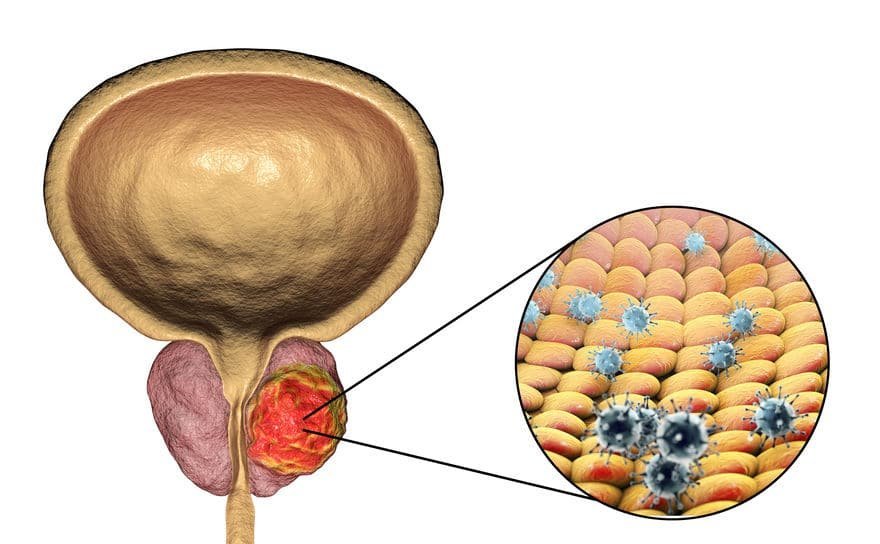
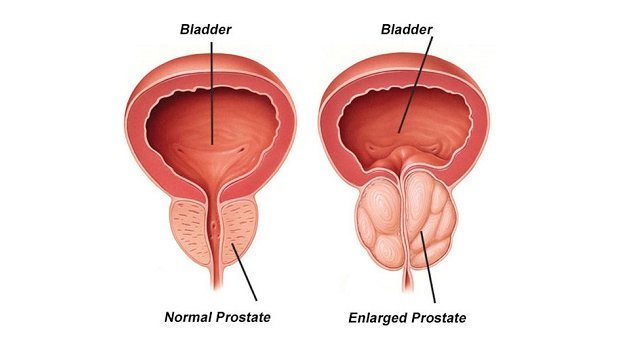
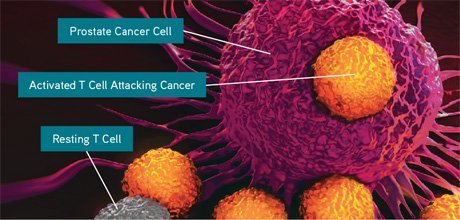
    The prostate is a small round-shaped gland located below the bladder in men that produces seminal fluid. Prostate cancer is a type of cancer in which the cancer cells develop in the tissues of the prostate gland. These cells tend to grow slowly but may spread to other body parts.

    What are the causes of Prostate Cancer?

    The exact cause of prostate cancer has not been known yet. However, some researchers have concluded that the growth of abnormal cells may occur due to changes in the DNA of cells, and as a result, the cells multiply rapidly and affect the growth of normal cells. These cells then accumulate in the nearby tissue and form cancer.

    What are the major types of Prostate Cancer?

    Adenocarcinoma is the most common type of prostate cancer that comprises more than 90% of men’s prostate cancer cases. Adenocarcinoma can be classified into two types-

    • Acinar adenocarcinoma- This type of cancer develops in the prostate gland cells, and it holds 99% of cases of prostate cancer.
    • Ductal adenocarcinoma- Cancer cells grow in the cells surrounding the prostate’s duct and spread faster than Acinar adenocarcinoma.

    The other types of prostate cancer include-

    • Transitional cell carcinoma- In this type of prostate cancer, the cells start growing in the tissue that carries urine to the urethra.
    • Squamous cell carcinoma- In this type of cancer, the flat cells that cover the prostate grow cancerous and then spread to all prostate tissues.
    • Small cell prostate cancer– This rare cancer tends to develop more rapidly than all kinds of prostate cancer.

    What are the risks factors for Prostate Cancer?

    Although there is no definite reason for the growth of cancer cells in the prostate, some factors may expose you to the risks of getting prostate cancer, such as-

    Age- The risk of prostate cancer is higher in men above 60.

    Family history- If a biological family member has been diagnosed with prostate cancer in the past, the chances of getting prostate cancer become higher.

    Changes in genes- Inherited mutation of the BRCA genes can increase the possibility of prostate cancer in men.

    What are the most common symptoms?

    Normally, prostate cancer does not show symptoms, especially early. Symptoms of prostate cancer are similar to the symptoms of enlarged prostate and may appear in the final stages, which may include-

    • Frequent urinating
    • Painful urination
    • Blood in urine
    • Loss of appetite
    • Pelvic pain
    • Irregularities in bowel habit

    Does Prostate Cancer affect sexual health?

    Prostate cancer can reduce the frequency of sexual intercourse. In some cases, it can cause erectile dysfunction during post-treatment especially, men who undergo prostate cancer surgery are more likely to see a negative impact on their sexual health.

    How is the screening for Prostate Cancer done?

    A certain type of screening is done to find out the presence of cancer before seeing the warning signs. For example, the prostate-specific antigen blood test is a common screening test that detects prostate cancer. The test measures the amount of PSA (Prostate-specific antigen), a protein produced by cancerous cells in the blood. However, the result of a blood test is not 100% reliable; in such cases, you may be advised to do a prostate biopsy.

    Is Prostate Cancer Curable?

    While prostate cancer is expected to be curable in the initial stages, stage 4 is very serious and cannot be cured. However, early diagnosis and treatment may help to reduce health complications. In most cases, a doctor may advise you on either surgery or chemotherapy. In addition, certain strong medications like Enzalutamide capsules are also used to treat metastatic prostate cancer.

    Is Enzalutamide capsules effective against Prostate Cancer?

    Enzalutamide capsules belongs to the group of medicine called Androgen receptor inhibitors. The dose of 80 mg of Enzalutamide is considered the most effective for treating Castrate-resistant prostate cancer (CRPC). Enzalutamide capsules(Glenza 80 mg) and glenza 40 mg contain Enzalutamide capsules and are prescribed to patients with prostate cancer after surgery or hormonal therapy.

  • 10 Facts about Hepatitis B

    10 Facts about Hepatitis B

    Tenofovir Alafenamide 25mg for Hepatitis B Virus: What is it?

    The hepatitis B virus, which can be fatal, causes a liver illness known as hepatitis B (HBV). It is the most severe form of viral hepatitis and a significant worldwide health issue. It can result in chronic liver disease and greatly increases the chance of liver cancer and cirrhosis-related deaths.

    Two billion people are thought to be HBV-infected worldwide, and 250 million of these people have symptoms of chronic Hepatitis.

    Since 1982, there has been an HBV vaccination available. The first vaccine against a serious human malignancy, the hepatitis B vaccine, is 95% successful in avoiding HBV infection.

    What signs or symptoms does HBV have?

    The symptoms of an acute hepatitis B infection can linger for several weeks and include jaundice, dark urine, excessive exhaustion, vomiting, nausea, and stomach discomfort. HBV infection is typically asymptomatic.

    Some patients may experience joint problems, muscular aches, rashes, jaundice, etc. Recovery from the symptoms can take up to a year for some people. These people might not often be aware of HBV infection, which could prevent them from seeking medical attention. People with chronic hepatitis B may eventually experience severe issues like liver failure and cancer. These people might not be aware that they are ill and consequently hesitate to seek medical attention. People who have had chronic (long-term) hepatitis B may eventually experience severe issues related to liver failure and cancer.

    Who is most susceptible to chronic illness?

    The age at which a person contracts HBV determines the possibility that the infection will become chronic, with young children contracting HBV having the highest risk of chronic infections.

    30 percent to 50 percent of kids get infected by Hepatitis B between the ages of one and four years, compared to 90% of infants who are infected within one year. A quarter of infected children pass away from cirrhosis or liver cancer attributable to HBV. Within six months, 90% of healthy persons with HBV infections will fully recover and be free of the virus.

    Facts about Hepatitis B

    1. Along with heart disease, hepatitis B is the second biggest global killer of cancer patients.
    2. Around 250 million people have persistent infection with the illness.
    3. Nearly 2 billion individuals worldwide are plagued by Hepatitis B, according to a report from the Hepatitis B Foundation.
    4. It is thought to be 100 times more contagious than AIDS.
    5. The virus is very contagious and can transmit through bodily fluids like saliva, blood, and seminal secretions.
    6. Hepatitis B is the reason for the death of around 10 lakh people worldwide.
    7. Additionally, the virus can be transmitted through human contact, blood transfusions, or pregnancy by infected mothers to their unborn offspring. Additionally, hepatitis B causes more preventable deaths globally than malaria and HIV.
    8. Although there is a vaccine, HBV is the reason for the death of one person per minute.
    9. HBV infection is not known to its victims in two out of every three cases.
    10. By using a secure and reliable vaccine, hepatitis B can be avoided.

    Tafsure 25 mg(tenofovir alafenamide 25mg )

    Tafsure 25 mg(tenofovir alafenamide 25mg) is used to cure HBV. It stops viruses from growing in human cells. This eliminates your infection and prevents the virus from spreading new viruses.

    Your doctor should do an HIV test before you take tenofovir alafenamide 25mg medicine. In addition, Tenofovir alafenamide 25mg shouldn’t be used alone if you also have HIV infection along with hepatitis B. HIV infection should only be treated with a combination of medications. Tenofovir alafenamide 25mg tablet is use for both hepatitis B and HIV infection.

  • Prostate Cancer Symptoms and Treatment: What to Check for

    Prostate Cancer Symptoms and Treatment: What to Check for

    Bdenza 40 mg Capsule for Prostate Cancer

    The prostate gland, a component of the male reproductive system, develops prostate cancer. Many men choose to employ active monitoring since prostate cancer typically spreads slowly and stays in the gland (no treatment). Targeted therapy, prostatectomy surgery, and brachytherapy are all possible treatments for tumors that spread quickly and proliferate quickly (internal radiation).

    The prevalence of prostate cancer

    Prostate cancer affects one in every nine males at some point in their lives. The second most frequent cancer in men, after skin cancer, is prostate cancer. Numerous effective therapies are available, and some guys don’t require care. Still, the illness claims 33,000 lives in men each year.

    What variations of prostate cancer are there?

    Adenocarcinomas make up almost all cases of prostate cancer (malignant tumors). This is because the cells of glands that produce secretions are where this type of cancer begins. Rarely do other cancer types spread to the prostate. These include:

    • Small cell carcinomas
    • Transitional cell carcinomas
    • Neuroendocrine tumors
    • Sarcomas

     Which signs and symptoms accompany prostate cancer?

    Rarely do symptoms of early-stage prostate cancer appear. As the illness advances, several issues could arise:

    • Frequent and occasionally urgent urination, especially at night
    • Weak pee flow or intermittent urine flow
    • Unpleasant urination (dysuria)
    • Bowel incontinence, or feces
    • Erectile dysfunction and painful ejaculation (ED)
    • Blood in the urine or sperm (hematospermia)
    • Chest pain, hip pain, and lower back pain
    • Foot or leg numbness

    The treatment of prostate cancer

    Because cancer grows slowly and doesn’t spread, some patients never need treatment. The majority of prostate cancers are highly treatable. Treatment choices comprise:

    Active surveillance: With active surveillance, you receive screenings, scans, and biopsies every one to three years to track the development of cancer. Active surveillance is most effective when the cancer is limited to the prostate, slow-growing, and asymptomatic.

    Watchful Waiting: Active surveillance sounds similar to watchful waiting. However, watchful waiting is frequently employed with elderly or weak patients. This method, like active surveillance, does not start therapy right away after a diagnosis. However, the testing concentrates on symptom management and is conducted significantly less frequently.

    Brachytherapy: Brachytherapy, a type of internal radiation therapy, involves implanting radioactive seeds inside the prostate. This strategy protects the nearby healthy tissue.

    Beam Radiation Therapy: Strong X-ray beams are directed directly at the tumor during external beam radiation therapy. External radiation therapy, called intensity-modulated radiation therapy, uses high radiation doses to treat the illness’s location.

    Systematic therapies: If the prostate gland is not the only site of cancer’s metastasis, your doctor can advise systemic therapy. Chemotherapy, androgen deprivation hormone therapy, and immunotherapy are some of these treatments.

    Focal Therapy: A more recent type of therapy called focal therapy exclusively treats the cancerous part of the prostate. If cancer hasn’t spread, you might be able to try this therapy. Options for focal therapy include cryotherapy, high-intensity focused ultrasound (HIFU), laser ablation, and photodynamic therapy.

    Prostatectomy: The diseased prostate gland is removed during this surgical surgery. Through small abdominal incisions, surgeons can conduct laparoscopic and robotic radical prostatectomy. Although both of these operations are efficient in removing cancer, they are less invasive than an open radical prostatectomy, which necessitates a bigger abdominal incision.

    Bdenza 40 mg Capsule

    Castrate-resistant prostate cancer (CRPC), a stage of prostate cancer where growth continues despite very low levels of testosterone in the body, is treated with Bdenza 40 mg Capsule. Most patients who receive it have disease progression during or following docetaxel therapy. Therefore, using Bdenza 40 mg in females, kids, and teenagers is not advised.

    An example of hormone therapy for males with prostate cancer that has progressed to other body areas is Bdenza 40 mg (advanced prostate cancer).

    Men who are not showing improvement from other treatments for prostate cancer are typically offered it. But as the first line of treatment for prostate cancer, you might be given Bdenza 40 mg (enzalutamide).

  • How to Live With HIV Infection?

    How to Live With HIV Infection?

    Estiva 600 mg tablet 

    Human immunodeficiency virus is referred to as HIV. It compromises your immune system by obliterating a specific type of white blood cell that aids infection resistance. Acquired immunodeficiency syndrome is referred to as AIDS. HIV infection doesn’t need to lead to AIDS.

    Treatments of HIV

    Although there is no cure, numerous medications are available to treat HIV infection and associated illnesses and malignancies. As a result, people with HIV can live long, robust lives thanks to the medications.

    Efavirenz

    Combined with other medications, Estiva 600 mg Capsule is an antiviral drug used to cure human immunodeficiency virus (HIV) infection. HIV cannot be cured with Estiva 600 mg tablet. Estiva 600 mg Capsule merely stops the virus from spreading throughout your body. Depending on the clinical situation, kidney and liver function monitoring may be required when taking this medication.

    What is Efavirenz?

    To cure human immunodeficiency virus (HIV), efavirenz (Estiva 600 mg tablet) is taken in combination with other drugs. It functions by lowering the blood’s HIV concentration. Estiva 600 mg tablet (Efavirenz) does not treat HIV, but it may lessen your risk of getting AIDS and other diseases connected to HIV, such as cancer or serious infections. In addition, it is possible to reduce the risk of spreading HIV to others by taking these medications, engaging in safer sexual behaviour, and changing other aspects of one’s lifestyle.

    How should you use this medication?

    Both oral tablets and capsules are available for efavirenz. It is typically taken once daily on an empty stomach with lots of water. Take Estiva 600 mg tablet every day at roughly the same time. Some negative effects of efavirenz may be tolerable if taken before bed. Administer efavirenz (Estiva 600 mg tablet) precisely as prescribed. Never take it in quantities or frequencies that your doctor recommends.

    How to live a happy life with HIV infection?

    You can assist yourself if you get infected by HIV as follows:

    • Receiving medical attention immediately when you learn you have HIV. Find a medical professional with knowledge of treating HIV.
    • Ensuring that you routinely take your medications
    • Maintaining routine dental and medical treatments.
    • Taking care of one’s mental health and receiving assistance from therapists, social service agencies, and other support systems
    • Do your best to educate yourself on HIV/AIDS and its treatments.

    What if my HIV treatment is put off?

    HIV will damage your immune system if therapy is put off. Delaying treatment increases your risk of getting sick, contracting HIV from partners, and having AIDS.

    Types of HIV treatments?

    HIV medication comes in two flavours: tablets and injections.

    • For those who are just starting HIV treatment, pills are advised. Numerous single-pill and combo medications have received FDA approval.
    • Those who have been virally suppressed for at least three months may think about getting injections.

    Estiva

    Benefits of taking HIV Treatment 

    HIV treatment lowers the level of the virus in the blood.

    • Your viral load will remain low if you take your HIV medication as directed.
    • The viral load might drop dramatically with HIV treatment (viral suppression). Less than 200 HIV copies per milliliter of blood are considered viral suppression.
    • The viral load from HIV treatment may be so low that a test might miss it.
    • If a load of your viral decreases after beginning HIV treatment, it is a sign that the medication is having an effect. Maintain your HIV medication regimen as directed.
    • Even occasionally skipping a dose of HIV medication gives the virus a chance to spread quickly. Your immune system can be compromised, and you might get sick.
    • The greatest method to remain healthy and defend others is to achieve and maintain a viral load that cannot be detected (or to maintain viral suppression).
  • What are the Five Warning Signs of Breast Cancer?

    What are the Five Warning Signs of Breast Cancer?

    What is Breast Cancer?

    Our body is made up of millions of cells. These cells are constantly multiplying and perishing to sustain life. Although a normal and fairly essential process in biological organisms, it becomes deadly when left uncontrolled. That is when the cell multiplication starts happening exponentially fast. Without restraint, it leads to clumps in various body parts, which can develop into life-threatening tumours if left unchecked. When this uninhibited growth occurs in the breast, it is called breast cancer. If this cancer spreads to other body parts, it is called metastatic breast cancer.

    What does a normal breast look like?

    Unfortunately, there is no definite answer to this particular question. Like all natural phenomena, variations exist in this biology section as well. A lumpy or uneven shape does not necessarily imply cancer, and soreness in breasts is also common during menstruation or pregnancy. Therefore, in most cases, there is no cause for alarm, and keeping this in mind, it becomes essential to focus on the major symptoms of the disease.

    Now that you know what this Cancer is and what it is not, the question is how one can detect it. Like most other diseases, It also has its telltale signs, which are listed below.

    1. A lump on the breast or underarm: The clumping of cells leads to the formation of an accumulated lumpy mass over or on the underside of the breast. This is the most prominent symptom of breast cancer.
    2. Changes in or around the nipple: Nipples that turn inward, become sore or dimpled and cause a sensation of burning or itching on touching is also an important sign of this cancer.
    3. Changes in the colouration or thickness of the skin: It is often characterized by the change in colour of the skin covering the breast, lending a pink or reddish hue to the affected area. It can also lead to thickened, flaky skin, especially under the breast, which appears hardened and is scaly to touch.
    4. An unhealed sore anywhere on the breast: A sore often develops on the breast, progressively worsens, and refuses to heal, leading to painful, flaky, and reddish swelling in the infected area.
    5. Unusual nipple discharge: Milk discharge from a breast is natural. However, blood or mucous discharge from the nipple is a breast cancer symptom and calls for urgent medical attention.

    Apart from these major breast cancer symptoms, many minor signs include:

    • Soreness or tenderness in the affected region.
    • A flat or indented area on the breast.
    • Swelling of lymph nodes near the armpit.
    • A swollen area on the collarbone.

    On detecting any of the symptoms mentioned above, a person should reach out to their local gynecologist and seek urgent medical attention.

    What are the treatments for Breast Cancer?

    Like any other form of cancer, breast cancer treatment also depends upon the cancer stage, that is, how advanced the disease is. Apart from surgeries, chemotherapies, and other medical procedures, an aromatase inhibitor called letrozole, found in medicines such as stimucor 2.5, is commonly used to treat breast cancer and prevent it from being prevented coming back. Used primarily in the treatment of hormonally responsive breast cancer, stimucor 2.5 tablets are usually administered to women who are no longer on their periods, either due to menopause or other reasons.

    Conclusion

    Breast cancer awareness is of paramount importance. We must know what to avoid and look out for to promote health and security. Knowing the right steps at the right time can save lives and promote happiness.

  • How to Treat Castrate-Resistant Prostate Cancer (CRPC)

    How to Treat Castrate-Resistant Prostate Cancer (CRPC)

    Castrate-Resistant Prostate Cancer

    Approximately 10% to 20% of prostate cancer cases are referred to as CRPC or castrate-resistant prostate cancer. This type of cancer develops in an individual when the prostate cancer stage doesn’t respond to the standard treatment options like ADT or androgen deprivation therapy and even blocks the signaling activity and production of hormones known as androgens which can increase the growth of cancer.

    Castrate-resistant prostate cancer is referred to as mCRPC or metastatic and signifies that cancer has spread beyond the regions of the prostate glands. As soon as castrate-resistant prostate cancer starts developing, potent drugs are used, reducing the androgens signaling and making the situation somewhat better. However, there are still high chances for cancer to resist these drugs. This is the reason why there are no permanent cures for mCRPC, but the survival outlook can be positive with the introduction of advanced new treatments like Bdenza 40mg Capsule as approved by the US FDA or Food and Drug Administration

    What are the new treatments for castrate-resistant prostate cancer?

    This type of cancer is a clinically challenging stage where cancer has advanced to the last stage, so there remains no curative treatment choice for the victim. Hormonal drugs can be used as first-line treatment for this type of cancer. Chemotherapy is also used for patients if other treatment options such as Enzalutamide capsules and abiraterone fail drastically. The treatment option will be decided by experienced oncologists who will consider several factors related to the patient. Bone metastasis is mostly used in prostate cancer and with radiation therapy to reduce pain.

    Other treatment options

    Treatment guidelines for castrate-resistant prostate cancer (CRPC) haven’t spread properly, and more careful monitoring of metastases’ growth is required by measuring blood levels containing PSC or prostate-specific antigen and imaging techniques that will indicate the progression of prostate cancer. PSC ADT doubling time helps to predict cancer progression, and if PSC doubling time is more than 10 months, then the affected victim should continue their treatment options with ADT; however, if it is less than 10 months, then patients should take drugs that can help them to prevent the development of metastases

    First-line systematic chemotherapy 

    Patients who develop castrate-resistant prostate cancer (CRPC) and are asymptomatic are given secondary hormonal manipulation. The doctor suggests for bone metastasis to monitor the progression of cancer as well as chest imaging. Imaging techniques are widely used, including chest X-rays, bone scans, abdominal computed tomography, etc. Systematic corticosteroid therapy combined with dexamethasone or low dose Prednisone has shown improvement in the outcome of PCA values for symptomatic and asymptomatic men. Many patients have been given first-line systematic chemotherapy, which has improved this type of cancer.

    Patients whose prostate cancer has advanced to further stages should participate in clinical trials. Patients whose prostate cancer has advanced are referred for chemotherapy and multidisciplinary care so that their quality of life improves under survival rate maximizes. Other treatment options include palliative radiation and bone-targeted therapy.

    Patients suffering from diffused bone pain or radioisotopes should be referred for palliative radiation. Men with CRPC are living a good healthy life, and their quality of life has also increased with better treatment options coming up with each passing day. New agents being researched in pre-chemotherapy settings show that more therapeutic options emerge for patients living with CRPC. As CRPC is a fatal and incurable illness, participating in clinical trials at every stage is important.

    Doctors also recommend zoledronic acid to lower the bone complication risk factors. Bdenza 40 mg is an effective medicine that helps to cure castrate-resistant prostate cancer (CRPC). Many treatments are presently under research so that people having CRPC and poor prognosis can’t improve their quality of life.