Category: Blog

  • What Causes Colon Cancer in Females?

    What Causes Colon Cancer in Females?

    Colon Cancer

    Females are called the better half of men. They rear our future generations as well. But God does play his game in a balanced approach. He gives both happiness as well as grief.

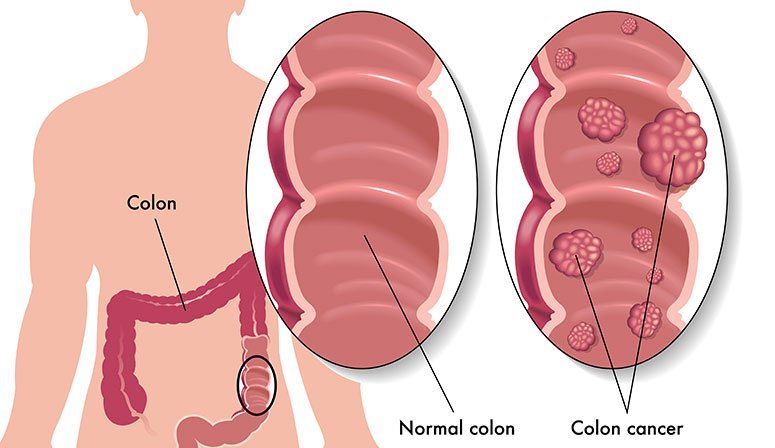
    Similarly, in the beauty of the female body, cancer can grow significantly in the breast, spines, stomach, colon, etc. It is the third most common type of cancer in females in the US. Here is the detailed overview and description of colon cancer in females: –

    Causes

    There are multiple reasons for colon cancer in females. Tiny cell growth begins in the inner walls of the colon, called polyps. Polyps are generally non-cancerous and non-malignant, but when it turns to cancerous nature, it spreads to the colon’s outer lining and other parts of the intestine. Some of the prevalent reasons are listed below: –

    •   Age factor: Women above 50 are more prone to colon cancer, but younger women can get colon cancer, too.
    •   Personal history of previous polyps: If a woman is diagnosed with a benign, non-cancerous polyp in the past, she has a very high chance of developing cancerous polyps.
    •   Family history and genetics of polyps: If someone in the older generation is already diagnosed with colon cancer, you may likely inherit his cancerous disease through genes.
    •   Radiation therapy: It is also seen in medical studies that females who were taking radiation therapy for some other diseases like stones in the kidney, cervical cancer, etc., may get cancer due to excessive radiations induced in the tissues of the colon.
    •   Unhealthy lifestyle: Eating Junk food daily, never doing exercises, excessive alcohol consumption, etc., are signs of an unhealthy lifestyle. And due to this indigestion, constipation and other gastrointestinal ailments can cover you, and your colon also gets harmed in this process. The colon can develop polyps which may be carcinogenic.
    • After menopause in women, the chances of getting all types of cancer, including colon cancer, increases significantly.
    • Hormonal therapy can also induce polyps growth.

    Since cancer is an ever-growing topic, our understanding of it increases day by day. But these are only some of the proven causes of colon cancer. Never hesitate to visit your doctor if you feel anything uncommon in your body.

    Symptoms

    Some of the common and generally seen symptoms are listed below: –


    • frequent constipation and diarrhea
    • blood in the stool or rectal bleeding often
    • Pain in the abdominal area or cramps.
    • Unpleasant and incomplete bowel movement
    • Weight loss due to unknown reason
    • fatigue, weakness, and tiredness

    Diagnosis and Treatment

    An early diagnosis is a very important step in treating this cancer. A study shows that if diagnosed early, the chances of getting cancer treated increase to 90 percent. Some of the common measures taken by doctors to diagnose cancer are: –

    • Fecal immunochemical testing (FIT) or high sensitivity guaiac-based fecal occult blood testing
    • Colonoscopy every year
    • Gene test
    • Biopsy of colon tissues
    • Computed Tomography CT scan
    • Ultrasound

    The treatment includes various processes and differs from person to person. Various points on which the treatment depends are age, lifestyle, localization of cancer, the spread of cancer, blood level, etc. Some of the prevalent medically successful treatment methods are: –

    • Surgery
    • Medication through medicines like regorafenib 40 mg inhibits the action of the protein, which helps multiply cancerous cells. Regorafenib 40 mg tablet is easy to use, and its side effects are also minimal. Regorafenib 40 mg prices are also affordable as compared to other similar treatments. Resihance tablets are recommended by doctors globally to kill cancer cells.
    • Radiation therapy like Chemotherapy is used when colon cancer spreads to lymph nodes. Sometimes it is used before the surgical procedure as well.
    • Targeted immunotherapies

    Hence seeing all these prospects, it is very easy to understand the causes and treatments of colon cancer. Compulsory and regular visits to the doctor help a lot in colon cancer early detection. So, we should take utmost care of our body by maintaining a good and healthy lifestyle and exercising.

    Colon Cancer

  • Is Hepatitis C Curable?

    Is Hepatitis C Curable?

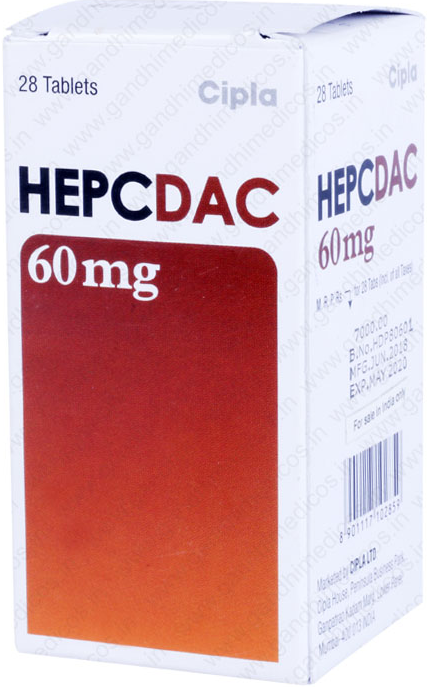
    Hepcdac 60 mg for Hepatitis C

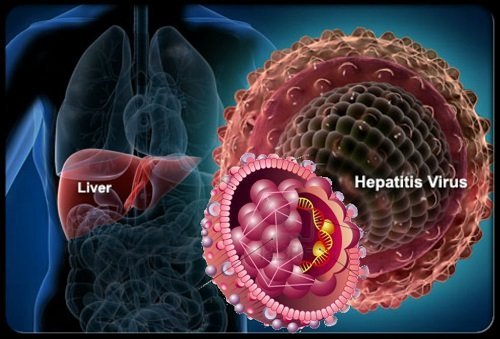
    Hepcdac 60 mgOne of the most serious viruses is Hepatitis C, as it has no vaccine. Hepatitis C has no vaccine, but there are still medical treatments that can reduce the load of the virus to the level in which it can’t be detected anymore and can be considered cured. You are considered to be cured of this disease when the virus is undetected in your bloodstream after twelve weeks of treatment. It is also called SVR or sustained virologic response. But with the development of new medical treatment in recent years, doctors can manage this virus better compared to the past centuries.
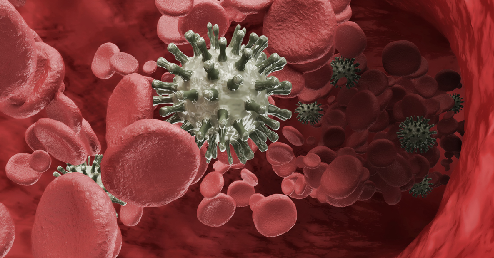

    There are antiviral drugs like Hepcdac 60 mg available these days, which help cure hepatitis c and save patients from chronic liver disease and other health complications. According to reports of CDC, half of the people who are affected with hepatitis C can clear this virus without any medical treatment as they belong to a short-term acute condition. However, this disease soon develops into a chronic disease that needs good treatment for maximum people. Hepatitis C is known to cause serious liver damage as there are no symptoms to show signs of the virus present and early testing to get cured. Hepcdac 60 mg is the best medicine for Hepatitis C.

    New treatment of Hepatitis C 

    Diagnosis of hepatitis C is now aided by many noninvasive methods that help in testing liver conditions and damage. The FDA has approved an antiviral drug as a treatment method (8weeks) for Hepatitis C in 2019 called MacyretTrusted Source. It has replaced the twelve-week treatment that took place in the early days and is utilized by maximum people. This 8-week treatment for Hepatitis C is approved for both children (12years or older who have no symptoms of cirrhosis or treated earlier for any virus) and adults.

    Besides this, MRE (magnetic resonance) and TE (transient Elastography) are two imaging tests that have come along with a liver biopsy to measure the stiffness, damage of the liver, and presence of the virus. These tests help detect fibrotic damage and can measure the liver completely.

    Emerging treatments

    Treatment and vaccine for Hepatitis C can be a subject matter for ongoing research researchers are conducting. Researchers are now planning to bring future vaccines and are in the stage of a clinical trial to measure the effectiveness of a vaccine to enhance the immunity system and treat chronic hepatitis C by killing the virus.

    Current treatment

    Certain medicines like Hepcdac 60 mg, daclatasvir, daclatasvir 60mg work by enhancing the person’s immune systems to kill the virus. Hepcdac 60 mg help the body to get rid of virus and consist of a variable cure rate with certain side effects. FDA has also approved many medications and antivirals that have directly attacked hepatitis C. These drugs have shown good success rates, especially in treating adults. Some recommended treatments among antivirals are- Hepcdac 60 mg, daclatasvir, daclatasvir 60mg.

    These drugs have DAAs (direct-acting antivirals) that attack the viral components directly and clear the virus from your system over eight to twenty-four weeks. It is said that hepatitis C can be cured if you receive SVR (sustained virology response) after medical treatment.

    Conclusion

    It is possible to cure hepatitis C with proper treatment. More than 95% of people affected with this virus are cured using antiviral medicines, as per the reports of WHO. A study in the year 2015 states that people can lower their risk of getting chronic liver disease and prevent death by achieving SVR, and they have a lapse relapse rate of one to two percent.


  • What is the Life Expectancy of Multiple Myeloma?

    What is the Life Expectancy of Multiple Myeloma?

    Multiple Myeloma

    It is a cancer of mature plasma cells in the bone marrow. This can cause bone pain in the chest or spine, nausea, fatigue, frequent infection, constipation and weight loss. It is a very common disease in India and treatable by medicines and other medical ways. It is common in people at the age of 60 years and above. It is common in male and is a life-threatening problem.

    Also, it is recommended to see the doctor as soon as one feels that he is suffering from this. The exact cause for the same is unknown but family history and exposure to certain radiation are two reasons. Few times it is asymptomatic but mostly, it shows one or all the symptoms. Symptoms are hypercalcemia, anemia and bone problems.

    Cause for multiple myeloma

    The specific reason for multiple myeloma is obscure. Nonetheless, it begins with one strange plasma cell that quickly increases in the bone marrow by a larger number of occasions than it ought to. The subsequent harmful myeloma cells don’t have a typical life cycle. Rather than duplicating and afterward in the end kicking the bucket, they keep separating endlessly. This can over power the body and impede the development of solid cells.

    Life expectancy of someone having multiple myeloma

    There are different stages in multiple myeloma. There are basically three stages of myeloma.

    • If it’s in stage 1, then there is a chance for a person to survive up to 62 months
    • In stage 2, the chance of survival is 44 months
    • And in stage 3, person can live up to 29 months

    Generally, people are able to live for 5 years after getting diagnosed. To diagnose multiple myeloma, physicians diagnose with bone marrow aspirations or biopsy. To determine bone lesions, there are two other tests such as blood monoclonal immunoglobulin and radiology test. This is not it. There are several other tests at different stages of multiple myeloma.


    Medication

    This disease is life threatening and once we fall trap to this, there is hardly any going back. You can just delay things but cannot avoid them. There are different medicines for this to be treated. One of them is Bortezomib whose brand name is Bortenet. This medicine is especially used to treat multiple myeloma and mantle cell lymphoma. This medicine is unsafe during pregnancy and shouldn’t be taken without the consultation of the doctor. This medication is given by injection into a vein.

    So, the bortezomib injection has to be taken almost since the day you get diagnosed. So, one should be mindful to change the place of injection every time to protect skin. This injection should always be given by a trusted medical professional and the number of doses will always be decided by the doctor. Taking it the wrong way or the wrong number of doses can have serious effects on the body and can affect your life too. The medicine is slow to react and it may take years sometimes to see the effects of medicine on oneself. So, have patience and trust your doctor.

    Conclusion

    To conclude, there is no concrete understanding about this even to health care professionals. It is a life-threatening problem and non-avoidable and non-preventable. Currently, there is no concrete cure. But bortezomib injection is one thing that can help a bit and doctors are using it. But no one should use it without a doctor’s permission. Doctors should always be consulted before using this as it has some of the worst side effects.

  • What are the First Signs of Prostate Problems?

    What are the First Signs of Prostate Problems?

    Bicalutamide 50 mg

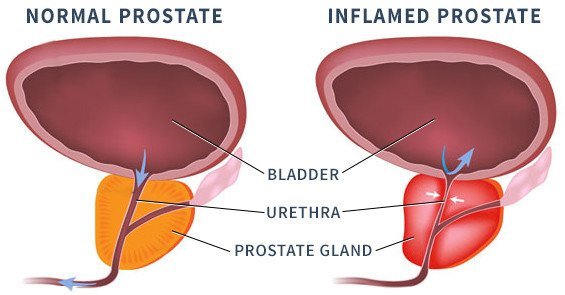
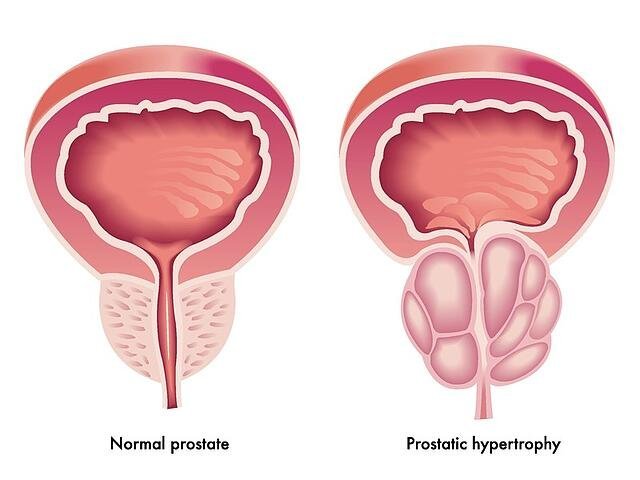
    Prostate is small gland present in the male reproductive part. It’s very small, almost the size of walnut. It surrounds the part of urethra which is a tube that carries pee from your bladder. It created a fluid which helps in carrying sperm while ejaculation. And this prostate can enlarge when you grow old and it’s a normal thing. But when it enlarges it can create some problems if it grows beyond a certain size. It is because as it grows it presses the tube and will make peeing difficult.

    At that point of time, one should consult doctor. Bicalutamide 50 mg is the best medicine to treat prostate cancer. It is a very common problem in men and cannot be avoided. 8 out of the 10 men develop this problem.

    Symptoms or signs of prostate problems


    1. Urge to go to washroom frequently
    2. Passing of urine in drops
    3. Weak urine stream
    4. Having the urge to use the washroom at night more frequently
    5. Pain while passing urine
    6. Feeling that bladder is not empty even though you have used the washroom
    7. Feeling of discomfort in lower abdomen
    8. Having blood in urine
    9. Having blood in sperm
    10. Erectile dysfunction

    How to diagnose?

    The first thing doctors do is ask about your family history because this has a lot to do with your family history. Then they might go for a physical examination, digital rectal exam of prostate. After that, certain tests are done which include urine test, blood test, cystoscopy, urodynamic studies, ultrasound, prostate biopsy and magnetic resonance imaging. All of them might not happen instead just one or two of them depending on the severity of the condition.

    When exactly to see a doctor?

    1. Urination may be painful and difficult.
    2. You feel the urge to urinate frequently. You may find it difficult to retain urine and sometimes you may see bloody urine. Sometimes the urine flow may not be in a smooth stream but it comes in drops.
    3. You’re experiencing chronic discomfort in your pelvis and lower extremity locations.
    4. You have swelling in legs, leg weakness, or difficulty walking.
    5. You’ve lost weight for no apparent reason.

     Medication

    There are a lot of medicines which can be used for treating this problem. Out of those, Bicalutamide 50 mg is one. Its most common brand name is Calutide. Bicalutamide 50 mg or Calutide tablet is a medicine for treating cancer of the prostate gland but it can also be used for treating other conditions as determined by doctors. But one should be aware and keep in mind not to consume this without consulting a doctor. There are some side effects of Bicalutamide 50 mg like rash, dizziness, breast enlargement in men, sleepiness and depression.

  • What is Hepatitis B & How do You Get it?

    What is Hepatitis B & How do You Get it?

    Entekor 1 mg

    Hepatitis B is caused by HBV. It’s a serious liver infection which is very common in India at least. Every year more than 10 lakh cases are registered. It is transmitted through direct contact with other people. If one wants to prevent it, he/she should go for a vaccine. To detect whether you are suffering from this disease or not, you have to go for blood tests. It is a disease which can persist for the whole life and Entekor 1 mg medicine can just help in getting better but cannot cure it completely.

    How do you get infected?

    It is a disease which spread through a virus by blood, semen, vaginal fluids, unsafe sex practice and from an infected mother to a child. Like every other disease, even this shows some symptoms like nausea, loss of appetite, body aches and fever. It mostly transfers to sexual activity, so, it is recommended to use condom while having sex to prevent it from transferring. It can also be transferred by using the same razor or toothbrush. Another mode of transfer is sharing the same needle for injections, tattoos or piercing. It does not spread through saliva, kissing, hugging, coughing, breastfeeding and coughing.

    Complications

    If one has chronic HBV, it can lead to some serious consequences:

    Scarring of the liver (cirrhosis) – The irritation related with a hepatitis B contamination can prompt broad liver scarring (cirrhosis), which might disable the liver’s capacity to work.
    Liver cancer – Individuals with persistent hepatitis B contamination have an expanded danger of liver disease.
    Liver damage – Intense liver damage is a condition where the crucial elements of the liver shut down. At the point when that happens, a liver transfer is important to support life.
    Different conditions – Individuals with persistent hepatitis B might foster kidney infection or aggravation of veins.

    HIV vs Hepatitis B

    If you have HIV and have intercourse with men, sell sex, or use drugs, you should talk to your doctor about obtaining the hepatitis B vaccine. This is because HIV-positive people are more prone to develop chronic hepatitis if they contract the virus. If chronic hepatitis is not treated, they are more prone to have liver problems.

    Hepatitis B will not make your HIV symptoms worse. However, if you test positive for hepatitis B, you should still tell your doctor so that they can keep a closer eye on your liver. The best method to stay healthy with HIV and hepatitis B co-infection is to take your antiretroviral treatment as directed.

    Medicine that can be taken

    Entekor 1mg is a tablet which is generally recommended for Hepatitis B patients. The generic name for the same is Entecavir. It helps in improving the condition of the liver by stopping the spread of virus cell. If patients are not taking any other medicine, then this can be suggested. But none of the medicines should be taken without consulting doctor and same is recommended for this as well. Entekor 1 mg has to be taken once daily after 2 hours of consuming food. There are very fewer side effects of this medicine. It is just headache, dizziness, tiredness and nausea. But Entekor 1 mg can have some serious side effects as well like lactic acidosis, enlarged liver or excessive amount of fat in liver.

    Conclusion

    It’s not a fatal disease and can be easily tackled with proper vaccination and practicing safe sex. There are certain medicines in the market like Entekor 1 mg which is easily available and can be consumed if one suffers from this but only if the doctor recommends.

  • What are the Different Stages of HIV Infection?

    What are the Different Stages of HIV Infection?

    Human Immunodeficiency Virus

    HIV infection symptoms will vary considerably from person to person and therefore do not appear for months or years in some people.

    If HIV infection is not treated with medicines like dolutegravir 50 mg, it will advance through the phases described below. Viral replication causes greater and more harm to the body’s immune system without antiretroviral treatment for HIV.

    However, you can keep the infection under control and prevent it from spreading further with the proper medication like Dolutegravir. The sooner you begin treatment after testing positive, the better your chances of success. Below are four primary stages of HIV Infection:

    1. Acute HIV Infection Stage

    Early signs of HIV can cause nausea and vomiting. Around 1-4 weeks after you get Human Immunodeficiency Virus, you will feel sick. Many of these symptoms don’t last very long (a week or two). Some individuals face just a few symptoms, while others experience none at all.

    Symptoms can be:

    • There was a fever (a rise in temperature)
    • Sore Throat
    • Lots of pain in your head, stomach, and your joints.

    You have infectious cells associated with HIV all over your body. They occur because your body is fighting with HIV. This is called seroconversion, and it happens when your body makes antibodies to fight the virus, like HIV antibodies. It can take up to only a few months for this process to occur.

    Having these signs by itself does not mean that you have Human Immunodeficiency Virus, but they are signs you might get if you are infected. Consult your healthcare professionals or go to the hospital and take a test to determine if you have HIV or not. You should always see your doctor if you’re worried about it or believe that you’ve been at risk for having HIV, even though you don’t feel sick and don’t have any signs. They can then set up a time for you to get checked out.

    An Human Immunodeficiency Virus (HIV) test does not always make an appearance at this preliminary phase. You might have to test once again later to make absolutely sure that your results are correct. Your doctor or nurse will talk to you about when your test will be and answer any questions you possess. If you’re concerned about HIV, don’t wait to consult with a healthcare professional.

    In the early stages of the infection, your bloodstream has a high concentration of Human Immunodeficiency Virus (HIV), making you more likely to transmit the virus to others. The best way to maintain yourself and your partner safe while having sex is to use contraceptives, specifically when you suspect that you’ve been infected with HIV.

    2. Asymptomatic Stage Of HIV

    The asymptomatic stage of HIV infection has no visible, noticeable symptoms, as the name implies. This stage can continue for several years (in general, 8 to 10 years), and many individuals are unaware that they are infected until they have an Human Immunodeficiency Virus (HIV) test. Even if a person appears to be in good health, HIV continues to damage their immune system and affect other parts.

    3. Symptomatic Stage Of HIV

    An infected person’s immune system becomes significantly damaged by the third stage of Human Immunodeficiency Virus infection. They’re more susceptible to get major illnesses or diseases that perhaps the body might normally be capable of fighting off at this time. Opportunistic infections are the term for these infections.

    Amongst some of the signs and symptoms are:


    • Loss of Weight.
    • Diarrhea for a long time.
    • Sweats at night
    • Fever/Sickness.
    • Coughing for a long time
    • Problems with the mouth and skin
    • Infections occur often.
    • A severe sickness or disease

    4. The Final Stage [AIDS]

    AIDS is the most advanced, most dangerous, and final stage of Human Immunodeficiency Virus (HIV) infection. The body cannot fight against opportunistic infections since HIV has severely impaired your immune system. If a person’s CD4 count is less than 200 cells/mm3 or whether they have specific opportunistic diseases, they will be diagnosed with AIDS.

    Once individuals are diagnosed with AIDS, they will have a higher viral load and are extremely susceptible to transmitting HIV to others. People with AIDS have a three-year survival rate if they do not receive any therapy, treatment, or medication.

    Naivex (Dolotegravir) is a pharmaceutical drug which is used in combination with other drugs to cure HIV infection.


  • Medication to Treat Chronic Hepatitis C

    Medication to Treat Chronic Hepatitis C

    Chronic Hepatitis C

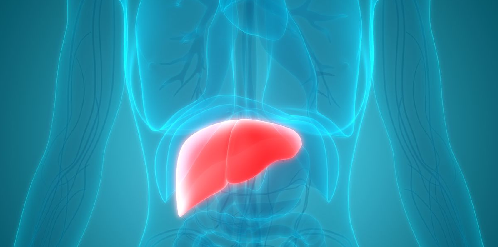
    Hepatitis is a condition that causes inflammation of the liver due to viral infection. The Hepatitis C Virus (HCV) causes Hepatitis C, which spreads through contaminated blood. Hepatitis C can both be acute and chronic, depending on its severity. Chronic Hepatitis C can lead to chronic conditions if left untreated, like liver necrosis, liver cirrhosis, liver cancer, and even death.

    Acute Hepatitis is a short-term disease in which generally the virus gets clear on its own by the body, but most people will develop a chronic infection.

    Whereas Chronic Hepatitis can last for years or maybe lifelong and can grow more fatal if untreated.

    Needles are the biggest risk factors for the transmission of chronic Hepatitis C. Therefore, the people who use syringes in day-to-day life are at higher risk to get chronic diseases like the people who inject illicit drugs for abuse, get tattooed, etc. Other risk factors can be having HIV, being born to a mother who had Hepatitis C infection, etc.

    Hepatitis C is also known as “a silent virus” as decades can pass by, and it can remain in your body without causing symptoms. Due to the lack of symptoms, approximately 75%-85% of HCV infections cases become chronic. Although the acute phase doesn’t show any symptoms when they appear, they can be fever, abdominal pain, nausea, vomiting, loss of appetite, dark urine, clay-colored stool, jaundice, joint pain.

    The treatment of this Chronic disease includes antiviral medications according to the severity of the disease, if the infection has become lethal, the last choice can be a liver transplant.

    Ledifos Tablet is currently a very well-suited medication for the treatment of chronic Hepatitis C. It contains Ledipasvir (90mg) + Sofobusvir (400mg). The combination of Ledipasvir and Sofosbuvir is due to the synergistic effect. Both these drugs inhibit the virus Hepatitis C and restrict them from causing more damage to the liver. Ledipasvir absorbs within 4 hours and 30 minutes after entering the system. The binding affinity of 99.8% binds efficiently with HCV cells without any fuss. It begins its activities by specifically restricting the multiplication of viral cells by inhibiting NS5A protein.

    Once these activities are done, and the viral load is suppressed, more than 50% of the drug is expelled from the body in 47 hours. Both of them have exactly the same mechanism of action and work synergistically together against the Hepatitis C Virus. Although Sofosbuvir differs in some aspects, absorption time is less up to 30 minutes to 2 hours with 60%-65% of binding affinity with HCV cells. Sofosbuvir inhibits NS5B protein, and its excretion time is somewhere up to 40 minutes to 27 hours for 50% of the drug. Although Ledifos tablet has a favorable safety profile, it has minimal side effects but can still show side effects like fatigue, headache, weakness. Other severe side effects which require immediate medical attention are bradycardia and hepatitis B viral reactivation.

    Although there is no vaccine for chronic hepatitis C, the treatment has improved to a really good level, providing the patients with relief. The awareness of the disease will also help inhibit the chronic phase and further fatal conditions to the liver.

  • Small Cell vs Non-Small Cell Lung Cancer

    Small Cell vs Non-Small Cell Lung Cancer

    Erlonat Tablet 100 mg (Erlotinib) for Lung Cancer

    Lung cancer is divided into two types: Small Cell and Non-Small Cell.

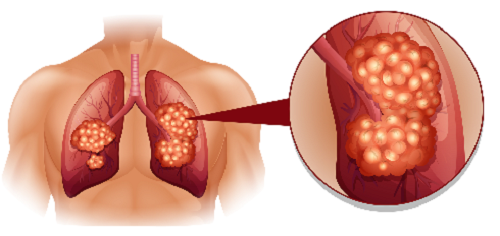
    Small cell lung cancer is a disorder in which malignant (cancer) cells develop in lung tissues. Small cell lung cancer is divided into two categories. These two categories of cells contain a wide range of cell types. Each type of cancer cell grows and spreads uniquely. The many varieties of small cell lung cancer are called after the different types of cells seen in the tumor and how they appear under a microscope.

    • Small cell carcinoma (oat cell cancer).
    • Combined small cell carcinoma

    After a diagnosis of small cell lung cancer, tests are performed to see if cancer cells have spread throughout the chest or to other areas of the body. Small cell lung cancer is diagnosed using some of the same techniques used to stage the illness. Staging is the procedure for determining whether cancer has migrated from the chest to other body regions. MRI of the brain, CT scan, PET scan, Bone scan.

    Small cell lung cancer is classified into the following stages:

    • Limited-Stage Lung Cancer with Small Cells

    Cancer in the limited stage has migrated to the space between the lungs or the lymph nodes above the collarbone from where it began in the lung.

    • Small Cell Lung Cancer in the Advanced Stage

    Cancer has gone beyond the lung, the space between the lungs, or the lymph nodes above the collarbone to other parts of the body at the widespread stage.

    • After treatment, small cell lung cancer might recur (come back).

    Cancer may return in the chest, central nervous system, or other body areas.

    Non-Small Cell Lung Cancer

    NSCLC (non–small cell lung cancer) accounts for over 85% of all lung cancers. NSCLC is classified histologically into adenocarcinoma, squamous cell carcinoma (SCC), and large cell carcinoma. Patients with NSCLC should get a comprehensive staging workup to determine the degree of their disease, as stage influences therapy options. Treatment options include surgery, chemotherapy, endoscopic stents, radiation therapy, targeted treatments, and immunotherapy.

    Major differences between Small and Non-Small lung cancer:

    • Under a microscope, malignant cells in a person with small cell cancer seem small and spherical whereas, non-small cell lung cancer cells are bigger.
    • Small cell lung cancer is, on average, more aggressive than non-small cell lung cancer. Small cell lung cancer spreads more rapidly than non-small lung cancer.
    • Small cell lung cancer symptoms and non-small cell lung cancer symptoms are similar. The symptoms include a persistent cough, hoarse throat, shortness of breath and wheezing, chest pain and discomfort, loss of appetite, swelling in the veins of the face and neck, etc. Symptoms may not develop until cancer has progressed to a later stage.
    • Small cell lung cancer has 2 stages of diagnosis: the limited stage and the extensive stage. Non-small cell lung cancer has 4 stages of diagnosis: stages 1, 2, 3 and 4.
    • Treatments for small cell lung cancer mainly include chemotherapy, radiation therapy, surgery. Whereas treatment for non-small cell lung cancer includes surgery, chemotherapy, immunotherapy, targeted treatments, radiation therapy, and endoscopic stents.

    Erlonat tablet 100mg is used to treat non-small cell lung cancer that has progressed to other body parts or is locally advanced. Erlonat tablet should be consumed one hour before or two hours after a meal. Diarrhea is a possible side effect.

    Erlonat tablet (Erlotinib ), often known by the brand name Tarceva, is a type of targeted cancer medication. Erlonat tablet is used in conjunction with the chemotherapeutic drug gemcitabine to treat non-small cell lung cancer (NSCLC) that has spread (advanced) and advanced pancreatic cancer.

  • What are the 5 Common Warning Signs of Prostate Cancer?

    What are the 5 Common Warning Signs of Prostate Cancer?

    Warning Signs of Prostate Cancer

    Cancer has one of the leading factors of untimely death in the world. It needs to be addressed as soon as possible as this is a noncontagious, deadly disease. Prostate cancer is a very common cancer faced by my men. The symptoms of prostate cancer surface at a later stage, making it worse. But certain signs and symptoms indicate that something is wrong within the prostate.

    5 common symptoms experienced in prostate cancer are as follows: –

    1. Feeling extreme pain during sex(ejaculation) and urination
    2. Urge for frequent urination during the night
    3. Having pain and difficulty starting urination
    4. Experiencing erectile dysfunction
    5. Presence of blood in urine and semen.

    There are a few more symptoms I would like to include. People with prostate cancer can experience weak urine flow and pain when sitting in the prostate area. If cancer has spread far beyond the prostate area, one would have swelling and pain in the hip area, irregular bowel movement, and huge weight loss without trying to lose weight.

    What should be done if any of the above symptoms persist?

    If any symptoms persist, you should contact a physician very soon. You don’t need to have cancer if you show any symptoms, but any other prostate condition needs medical attention. Like any other type of cancer, this can also be treated effectively if detected early.

    Medication for prostate cancer

    Claude 50 is a good medication for prostate cancer. It contains bicalutamide, which is an anti-cancerous drug. It inhibits the male hormones (androgens) such as testosterone to inhibit the growth of oncogenic cells. Bicalutamide 50 mg medication is only for men and should not be prescribed to women and children.

    Administration of bicalutamide 

    Bicalutamide 50 mg medicine is to be taken only after consulting a physician.

    The medication is to be taken by mouth with food or without the doctor’s direction. Bicalutamide 50 mg medicine is directed to be taken mostly once a day. This medicine is to be taken regularly every day without any failure. To remember, one should try to take medicine at the a fixed time daily. The dose must be fixed by a doctor, and increasing any dose by oneself might turn fatal. Over usage of this drug is to be avoided, leading to serious side effects. The skin and lungs can absorb this drug. Pregnant women should not handle or smell this drug. A newborn baby can also have serious consequences if left near the drugs.

    Side effects of this drug

    Like any other drug, this drug also has certain side effects, but one should always keep in mind that the benefits of Bicalutamide 50 mg medication are higher than the side effects, so it’s prescribed.

    Headache, sleeplessness, hot flashes, breast pain and swelling, nausea, diarrhea, stomach pain, weight loss, dizziness, and drowsiness are some of the side effects of this drug. If any side effects are observed, one should consult their doctors if any dosage can be altered.

    Precautions to be taken before consumption of this drug

    Before consuming calutide 50mg or bicalutamide 50 mg, one should go for an allergy test and let the doctor know if they have any previous allergies. The doctors check the medical history like diabetes, hepatitis, and cardiovascular disease (CVD) before prescribing this drug. The users of alcohol or drugs like marijuana should abstain as this drug already makes the patient feel drowsy and dizzy. This medication also makes the patient sensitive to the sun. One should also not drive any vehicle after intake of this medicine.

  • Types of Blood Cancer – Leukemia & Lymphoma

    Types of Blood Cancer – Leukemia & Lymphoma

    Blood cancer is a serious medical condition that affects the red blood cells and the bone marrow. The launch of blood cancer will change the normal functioning of these cells and affect the human body. There are three versions of the blood cells, platelets help in the proper clotting of blood at the time of the injuries, white blood cells help in infection preventives, and finally, the red blood cells help take oxygen to the tissues of the body. So once the versions of these blood cells get injured and do not work the way they should be working, it has a serious implication for the body. The use of ibrutinib is recommended for treating blood cancer.

    Analyzing the types of blood cancer

    The two main versions of blood cancer are:

    • Leukemia
    • Lymphoma

    Leukemia

    Individuals facing this condition produce many white blood cells. However, the extra cells that have been created do not serve the purpose of fighting infections. So based on the type of blood cells that get affected, the following are the versions of Leukemia:

    • Acute Lymphocytic Leukemia: Here, the lymphocytes serve as the starting point for this version of Leukemia. Here, the disease progresses can be too quick if the right treatment is not received at proper time.
    • Acute Myeloid Leukemia: Here, the starting point is the myeloid cells that usually grow into other functioning cells like red blood cells or platelets. However, this version of Leukemia will reduce all the blood cells of the body. It is a quickly growing version of Leukemia.
    • Chronic Lymphocytic Leukemia: It is one of the commonly seen Leukemia versions among adults. It is slow growth, and the body will show no major symptoms in the initial years until they get older.

    Lymphoma

    It is a version of cancer that mainly affects the body’s lymphatic system. The lymph system is a major network containing lymph nodes and the spleen. Here the starting point for this type of cancer is in the white blood cells, whose main function is to prevent the onset of infections in the body. The different versions of Lymphoma are:

    • Hodgkin’s Lymphoma: Here, the starting point of the cancer is in the B cells. These B cells are also called B lymphocytes. These are the cells that help the body create the proteins that will be helpful for the body to keep off infections and fight the foreign germs that enter the body. So people experiencing this cancer were observed to have large lymphocytic cells in the body.
    • Non-Hodgkin’s Lymphoma: Here, cancer can start in the B cells or the T cells. It is more common in individuals than Hodgkin’s s leukoma.

    It is often seen that individuals who have a weaker type of immune system are more vulnerable to exposure to Lymphoma. People aged 15-30 and more than 50 were observed to get exposed to this cancer.

    Treatment methods for the blood cancer

    • Chemotherapy: It is one of the main treatments of cancer.
    • Radiation therapy: Use targeted X-rays or other high-energy beams to destroy the leukemia cells.
    • Use of Nitib 140 mg for the treatment of blood cancer
    • Use of bone marrow transplant which is observed as an attempt to re-launch the healthy version of the stem cells and the replacement of the unhealthy versions of the bone marrow
    • Clinical trials help in discovering new types of treatment for fighting cancer.