Category: Blog

  • Gandhi Medicos – Two Decades of Global Pharmaceutical Distribution and Excellence

    Gandhi Medicos – Two Decades of Global Pharmaceutical Distribution and Excellence

    With over two decades of pharmaceutical wholesale and distribution, Gandhi Medicos is recognized as the leading specialty distributor. We are the trusted global partners for bulk and wholesale supplies to the leading hospitals, clinics, dispensaries, community centers, and government healthcare programs.

    With a patient-centric approach for affordable healthcare accessible to all. We strategically partner with the leading pharmaceutical giants and the manufacturers to deliver affordable, authentic life–saving medicines, without compromising the quality.

    We offer a wide range of pharmaceutical products, including generics, ethical brands, prescription drugs, wellness products, and other pharmaceutical preparations. Expanding our global reach and penetrating emerging markets, we are the top anticancer medicine supplier across more than 50 countries.

    With our strong, reliable logistics and cold chain supplies, we specialize as the largest distributor of specialty medicines – Anticancer, Hepatitis, and HIV.

    Why is Gandhi Medicos the leading global pharmaceutical exporter and distributor?

    A Vast Pharmaceutical Wholesale Portfolio:

    Our extensive portfolio comprises more than 3000 products, including a wide range of generics, OTC, ethical brands, rare disease medicines, biosimilars, and ICU care medicines.

    • • Anticancer drugs
    • • Hepatitis C medicines
    • • Hepatitis B medicines
    • • HIV medicines
    • • Liver care products
    • • Ayurveda medicines
    • • Transplant medicines
    • • Erectile dysfunction medicine
    • • Respiratory medicines

    Global Standards and Certification

    We outsource pharmaceutical supplies from the WHO-GMP certified manufacturers, with guaranteed authenticity and originality.

    A Secured Wholesale Supply Chain

    We offer comprehensive supply chain management, from sourcing pharmaceutical products to last-mile delivery, for wholesalers, hospitals, pharmacies, and government tenders.

    Cold Chain Management and Supply

    We implement advanced temperature control measures and monitors for the reliable supply of temperature-sensitive medicines like oncology drugs, vaccines, and antivirals.

    International Pharmaceutical Export

    With global footprints in world markets, we lead the way in pharmaceutical supply and export to countries in South Africa, Southeast Asia, South America, and the CIS group of countries.

    Regulatory Support and Expertise

    Our team of regulatory experts specializes in seamlessly managing the end–to–end regulatory and export processes.

    It includes –

    • • Dossier submissions
    • • Country-specific Regulatory approvals
    • • Customs documentation
    • • Cold chain logistics
    • • Packaging compliance

    Good Distribution Practices

    We strive to ensure good distribution practices, verifying and validating suppliers and customers. We ensure storage at requisite temperatures and proper documentation of products to ensure authenticity.

    We have stringent protocols and checks to prevent non-GDP practices, including the distribution of expired or counterfeit products.

    Why Choose Gandhi Medicos?

    • • Assured quality, safety
    • • Original medicines
    • WHO-GMP, EU-GMP certified products
    • • Temperature-controlled shipments and global delivery
    • • Timely delivery
    • • Safe and easy transactions
    • • Expert advice
    • • Responsive customer support

    Gandhi Medicos-A reliable platform for pharmaceutical export and distribution.
  • Organ Transplant – Risks, Benefits, Rejection, and Medications

    Organ Transplant – Risks, Benefits, Rejection, and Medications

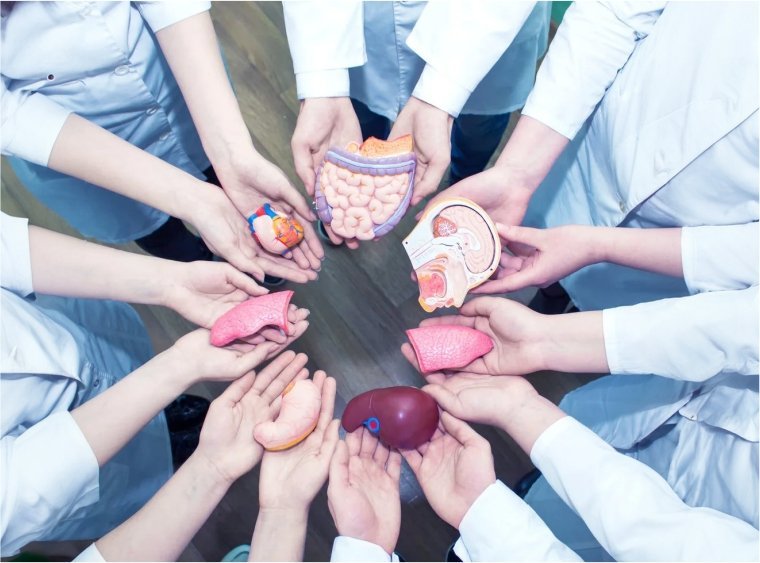
    An organ transplant extends beyond saving lives; it restores quality of life, dignity, and hope. Organ transplant gives a new chance at life, giving sight to the blind, a hope for children born with heart failure, and to women to regain motherhood in conditions of infertility.

    What is an Organ Transplant?

    It is a procedure where a failed organ or a non-functional organ is replaced by a healthy organ from the donor.

    Reasons for Organ Transplant

    • • Chronic Condition – Certain chronic diseases like diabetes, kidney disease, or hepatitis which damage organ health, leading to a severe decline in organ functioning.
    • • End-stage Organ Failure – The last stage of the organ’s functioning, after which the organ can no longer sustain life. Conditions like liver failure (cirrhosis), end-stage kidney disorder, etc.
    • • Accidents and Injuries – Certain traumas or injury and accident leading to complete organ damage.

    How Is an Organ Transplant Done?

    It involves various steps-

    • • Identification of the donor and evaluation – The donor may be alive or deceased.
      A deceased donor is someone who has died suddenly or whose organs are still safe and functioning well. A live donor gives a part of their tissue or organ, such as in a liver transplant or when donating one of their two kidneys.
      The donor’s health is checked for suitability for donation. It includes examining the donor’s consent and willingness, organ condition, any other diseases, and overall health status.
    • • Matching test – Before organ transplantation, various factors like blood type, tissue type, and overall health are evaluated and matched for compatibility with the recipient.
    • • Removal & Transplantation surgery – The organ is removed surgically from the donor and preserved in some solution to secure viability or simultaneously transplanted into the recipient.
    • • Post-Surgical care and Monitoring – The patient is monitored closely for the critical functioning of the organ, organ rejection, infection, bleeding, and overall health.
      Immunosuppressants are taken during the transplant to prevent organ rejection and are to be continued lifelong for successful graft functioning.

    Types of Organ Transplants

    • • Heart Transplant
    • • Lung Transplant
    • • Liver Transplant
    • • Cornea Transplant
    • • Kidney Transplant
    • • Pancreas Transplant
    • • Skin Transplant
    • • Bone Marrow Transplant
    • • Intestine Transplant

    Benefits of an Organ Transplant

    • • An organ transplant is a life–saving procedure that saves life at the end stage of organ failure.
    • • Organ transplant improves life expectancy, increases the survival rate.
    • • It helps restore organ functions, and a person can lead a normal life.
    • • It relieves long-term body insufficiencies like tiredness, breathlessness.
    • • It aids remission of chronic illness.

    Risk of Organ Transplant

    • • Surgical complications – They include bleeding, risk of infection, severe fall in BP, and pulse rate.
    • • Risk of organ rejection – It is the stage when the body is unable to accept the graft, which induces an immune response that attacks the transplanted organ.
    • • Risk of infections – Immunosuppressants are used to lower immunity to accept the foreign organ and prevent immune attack, hence the lowered immunity increases the risk of various chronic and acute infections.
    • • Risk of chronic illness – Long-term usage of anti-rejection medicines lowers body functioning and increases the risk of metabolic disorders, diabetes, demineralization of bone, and high blood pressure.

    Organ Rejection Symptoms

    General symptoms include –

    • • Fever, nausea, diarrhea, vomiting
    • • Kidney transplant rejection – swelling, high blood pressure, and weight gain.
    • • Liver transplant rejection- yellowish urine, abdominal pain, dark urine.
    • • Heart transplant rejection – chest pain, drowsiness, insufficiency of breathing, arrhythmia.

    The Role of Anti-Rejection Medicines

    The immunosuppressant medicines are given during transplant surgery to protect the graft.
    The body generates antibodies against the antigens, like viruses, bacteria, etc., and also recognizes a transplanted graft or organ as a foreign element and attacks it, producing antibodies against the transplant.
    The anti-rejection medicines prevent the immune response by suppressing the immune system.

    • • Tacrolimus
    • • Mycophenolate mofetil
    • • Mycophenolate sodium
    • • Prednisone
    • • Cyclosporine
    • • Sirolimus
    • • Everolimus
    • • Basiliximab
    • • Anti-thymocyte globulin

    Organ Transplant Medicines at Gandhi Medicos

    Gandhi Medicos, offering the widest range of generic medicines, is the leading distributor and wholesaler for organ transplant medicines.

    • • WHO-GMP certified medicines
    • • 300+ generic medicines
    • • 200+ branded ethical medicines

    Doctors Prescribed & Top-selling Medicines

    • • Tacrolimus – Xgraf
    • • Mycophenolate mofetil – Myfocept
    • • Mycophenolate sodium – Myfocept-S
  • Types of Blood Cancer and Treatments

    Types of Blood Cancer and Treatments

    Blood is an important component of the body that regulates its functioning from head to toe.
    Any disruption in the blood formation affects several functions-

    • • Impairs immunity and the lymphatic system
    • • Inhibit oxygen transport
    • • Causes Bone marrow damage
    • • Inhibit the transport of nutrients and fat

    What is Blood Cancer?

    It is a chronic condition in which extra blood cells are formed. Bone marrow makes the blood, and bone marrow dysfunction leads to the formation of faulty blood cells.

    The Types of Blood Cancer

    • • Leukemia – It is a cancer that occurs in the white blood cells, producing excess amounts from the bone marrow.
    • • Lymphocytic cancer – It is a cancer that forms in the lymphocytes, a type of WBC. It is also called lymphatic system cancer, affecting the lymph nodes.
    • • Plasma cell cancer – It is a cancer in which excess antibodies are produced in the blood due to the overproduction of plasma cells.

    The Symptoms of Blood Cancer

    • • Weakness
    • • Shortness of breath
    • • Swollen lymph nodes
    • • Painful joints and bones
    • • Fever
    • • Enlarged liver and spleen
    • • Unusual bleeding
    • • Sweating

    Who is at Risk of Blood Cancer?

    • • Age – growing age increases the risk of blood cancer.
    • • Sex – men exhibit more cases of blood cancer.
    • • Smoking – tobacco and its substitutes contain cancerous elements.
    • • Harmful chemicals – the use of dyes, colors, or exposure to other industrial chemicals and gases alleviates the risk.
    • • Family history – family history of blood cancer.
    • • Disorders of the metabolism – obesity, diabetes, and mitochondrial dysfunction.
    • • Cancer treatments – exposure to radiation therapy or chemotherapy may increase the risk of blood cancer.
    • • Auto-immune condition – inherited genetic disorders like Gaucher disease, Fanconi Anemia.

    How to Detect Blood Cancer?

    • • Blood test – complete blood count
    • • Imaging – CT scans and MRI
    • • Bone Marrow Biopsy

    Which Types of Blood Cancer Are Highly Curable?

    Hodgkin’s lymphoma – Highly responsive to chemotherapy and radiation therapy, with an 80 percent remission and cure.

    Childhood ALL – It is an acute condition and highly treatable, offering permanent remission and long–term survival.

    Hairy Cell Leukemia (HCL) – It is a slow-growing cancer of lymphocytes; it is treatable and offers long-term survival.

    The Treatment Options for Blood Cancer

    • • Chemotherapy
    • • Radiation therapy
    • • Immunotherapy
    • • Targeted therapy
    • • Stem-cell transplant

    Chemotherapy – The Common Treatment for Blood Cancer

    Systemic chemotherapy – The anticancer drugs are administered through the systemic route and the drug reaches all parts of the body. The anticancer drugs are given through IV, IM, or intrathecal route.

    The main functions of chemotherapy in blood cancer management-

    • • Kill cancer cells – The cytotoxic drugs are used to directly kill the cancer cells.
    • • Stops disease progression – The anticancer drug controls or inhibits cancer cell proliferation, thus stopping disease progression.
    • • Enhancing the effect of other therapies – when used in combination with radiation therapy or stem cell therapy, offers a synergistic inhibition of cancer cell proliferation.
    • • Palliative care – For the last stage of blood cancer, it is used in advanced cases to relieve cancer pain and other symptoms.

    Chemotherapy for Blood Cancer is Given in 3 Phases

    • • Induction phase – It is an intense therapy to kill cancer cells and control cancer cell proliferation. It lasts for 4 weeks.
    • • Consolidation phase – It is the chemotherapy treatment to prevent cancer cell proliferation.
    • • Maintenance phase – To prevent relapse of cancer. It is given for 2 or more years.

    Anticancer Medicine Used for Blood Cancer

    • Cytarabine – Cytarzer
    • • Daunorubicin – Daunozer
    • • Doxorubicin – Dorucin
    • • Methotrexate – Trexazer
    • • Imatinib – Imatikast
    • • Dasatinib – Dasakast
    • • Ibrutinib – Ibrukast

    Leadership in Pharmaceutical Distribution and Export

    Gandhi Medicos, as the leading distributor for anticancer drugs, exports the widest range of oncology care medicines worldwide.

    • • WHO-GMP certified medicines.
    • • Affordable range of generic medicines
    • • 300+ generic drugs
    • • 200+ ethical medicines
    • • Timely delivery
  • Gallstone Risk and Treatments

    Gallstone Risk and Treatments

    Gallstones do not remain uncommon. The changing lifestyles and diet led even the young to develop gallstones. It affects people of all age groups and sexes.
    The gallstones are formed through a disorder or imbalance in the composition of the bile juice.

    What Are Gallstones?

    Gallstones lie in the gallbladder. The gall bladder is present below the liver.
    These are hard masses formed by the deposition of bilirubin, cholesterol, and calcium.

    Symptoms of Gallstones

    • • Pain in the upper abdomen
    • • Nausea
    • • Vomiting
    • • Pain after meals
    • • Burping or gas formation
    • • Jaundice
    • • Fever
    • • Dark urine
    • • Pale stools

    How Are Gallstones Formed?

    Gallstones are formed by three processes–

    • • Cholesterol Accumulation – when the liver is unable to process bile juice, it gets deposited in the form of hard masses.
    • • Concentrated Digestive Fluid— The gallbladder is unable to empty, forming a concentrated solution that causes gallstones.
    • • Excess Bilirubin – Certain liver diseases cause an excess of bilirubin, which accumulates to form stones.

    How Do Gallstones Affect Body Functioning?

    • • Indigestion – Gallstones block the bile duct, which affects the bile flow to the intestines, causing indigestion.
    • • Pain and inflammation – The forceful contraction leads to pain and inflammation, causing fever, nausea, and infection.
    • • Infection – The excess bile buildup may cause toxicity or infection.
    • • Bile juice build-up – The backflow of bile juice in the liver causes accumulation of bile in the liver, leading to inflammation.

    Risk Factors for Gallstones

    • • Growing age – increasing age decreases gall bladder mobility.
    • • Women – pregnant women, or those taking hormone therapy or birth control pills, pose a risk for gallstone formation. The high levels of estrogen cause increased cholesterol secretion.
    • • Obesity – obesity causes fat deposition and cholesterol secretion.
    • • Diabetes Mellitus – the glucose resistance leads to an increased level of triglycerides, which can form gallstones.
    • • Diet – The low fiber diets and high saturated fats increase the risk of fat deposition.
    • • Sedentary lifestyle – decreased physical activity reduces gall bladder contractions.
    • • Chronic illnesses – chronic liver diseases that increase bilirubin secretion.
    • • Family history – a genetic factor may influence gall bladder functioning or bile formation.

    What Are the Treatments for Gallstones?

    Asymptomatic gallstones without pain can be harmful and need to be watched.
    Depending upon the size, the large gallstones that cause pain are removed through surgery, and the smaller ones can be dissolved through medicines.

    The Medicines Used for Gallstones

    Ursodeoxycholic acid – Udikast

    • • It dissolves the gallstones.
    • • Improve bile flow.
    • • Prevent the formation of new gallstones.

    Gandhi Medicos Supplies Advanced Gastrointestinal Medicines

    Gandhi Medicos is the bulk medicine supplier to the leading hospitals, clinics, and dispensaries.
    We export gastrointestinal medicines across 50 + countries.
    WHO- GMP-certified medicines, globally accepted and prescribed.

  • Uterine Cancer – Treatment and Affordable Medicines

    Uterine Cancer – Treatment and Affordable Medicines

    What is Uterine Cancer?

    The cancer that is caused in the uterus.

    The Types of Uterine Cancer

    Uterine cancer is of two types –

    • • Cancer of the epidermal layer – It is a cancer that develops in the innermost layer of the uterus.
    • • Myometrial sarcoma – It is a cancer that develops in the tissues of the uterus.

    Symptoms of Uterine Cancer

    • • Unusual vaginal bleeding
    • • Pelvic pain
    • • Pain during intercourse
    • • Abrupt weight loss
    • • Indigestion
    • • Changes in urination
    • • Pain in the back
    • • Pain in the legs
    • • Weakness
    • • A lump in the pelvis and swelling
    • • Vaginal discharge

    What Are the Risk Factors of Uterine Cancer?

    • • Post Menopause – The risk of cancer arises in women reaching an older age due to hormonal changes.
    • • Thickened uterus lining – When the endometrium layer is unable to shed, it becomes dense, increasing the risk of cancer.
    • • Early onset of periods – Early periods and lifelong exposure to estrogen, without progesterone balance, increase the risk of cancer.
    • • Obesity – Fats get converted to androgen and thus increase estrogen levels, which thicken the endometrium.
    • • Diabetes – High insulin levels in the blood increase the risk of the propagation of endothelial cells.
    • • Early cancer or cancer treatment – Ovarian tumor or breast cancer, and the cancer treatment, increases the risk of uterine cancer.
    • • Family history – When cancer runs in the family, any close relative has had uterine cancer.
    • • Genetic condition – Inherited mutations or genetic conditions like Lynch Syndrome.
    • • Ovarian tumors – The tumors in the ovary increase the risk of developing hormone-sensitive cancer.
    • • Polycystic ovary syndrome – Irregular ovulation or an excess of ovulation, causing hormonal imbalance, leading to increased estrogen levels.
    • • Contraceptive or other hormonal therapy – Estrogen therapy causes an imbalance in progesterone levels, increasing the risk of cancer.

    Treatments For Uterine Cancer

    • • Surgery – It is the surgical removal of the uterus and cervix, or the fallopian tubes and ovaries, to prevent cancer recurrence, as the ovaries produce estrogen.
    • • Radiation therapy – It is the use of external radiation or a radioactive material placed internally in the uterus.
    • • Hormone therapy – Usually given in recurrent cancers. Progesterone-based drugs are used to shrink tumors and control cancer symptoms.
    • • Chemotherapy – Chemotherapy is given for cancers that are not responding to hormone therapy.
    • • Targeted therapy – It is the drug combination that targets the cancer cells with less harm to the healthy cells. Lenvakast (lenvatinib) is widely used and highly prescribed by oncologists for endometrial cancer that has spread or has come back.
    • • Immunotherapy – It consists of the administration of antibodies effective against the cancer.

    What Are the Medicines for Uterine Cancer?

    • • Paclitaxel – Paclikast, Nab-paclikast
    • • Carboplatin – Carbokast
    • • Cisplatin – Cycokast
    • • Doxorubicin – Dorucin
    • • Docetaxel – Docekast
    • • Gemcitabine – Apragem
    • • Lenvatinib – Lenvakast

    Gandhi Medicos—Trusted Cancer Care Within Reach

    Gandhi Medicos, with leadership in pharmaceutical distribution, is the trusted exporter and supplier of anticancer medicines.

    We export anticancer medicines to the leading hospitals, oncology care centers, clinics, community centers, and government institutions. Reaching 50+ countries, we are committed to healthcare equity, believing that nobody is left behind in access to essential healthcare.

  • Know How Brain Tumors Are Harmful?

    Know How Brain Tumors Are Harmful?

    Brain tumors, when formed, significantly affect brain functioning, despite being cancerous.
    The harmful effects of brain tumors depend on the size and the location of the area of tumor.

    Increase Intracranial Pressure –

    As the tumor expands, the skull is unable to expand, causing pressure on the fluid inside the skull or the spinal cord.

    Compression of The Vital Brain Structures –

    It affects movement, cognitive functions, sensory nerves, memory, and also causes seizures. The tumor presses against the blood vessels, blocking the flow of blood and cerebral fluid. The tumor present in the pituitary gland suppresses hormone secretion.

    What is a Brain Tumor?

    Excessive mass or growth in the brain.

    The Types of Brain Tumors

    Brain tumors may be primary or metastasized brain tumor.

    • Primary brain tumors – These are the tumors that occur in the brain at first.
    • Secondary brain tumors – These are the tumors that are metastasized or occur due to the spread of tumors from other organs, like breast cancer, lung cancer, etc.

    What are the types of Benign Brain Tumors?

    • • Membrane tumor – it is a tumor that forms in the protective layer of the brain and spinal cord.
    • • Pituitary Adenoma- it occurs in the pituitary gland or cells.
    • • Acoustic Neuroma – a tumor that is in the cranial nerves.
    • • Choroid Plexus Papilloma- a tumor in CSF-producing cells
    • • Epidermoid and Dermoid Cysts- tumors formed from the skin cells in the brain, they are usually by –birth.
    • • Vascular bed tumor – Tumor of capillaries (blood vessels) in the brain.

    Types of Cancerous Brain Tumors

    • • Astrocytoma – The cancer that arises from the glial cells.
    • • Ependymomas – the ependymal cells become cancerous.
    • • Glioblastoma (GBM) – Aggressive cancer of the glial cells.
    • • Oligodendroglioma – oligodendrocyte cells of the brain, causing cancer.

    Symptoms of Brain Cancer

    • • Severe headache
    • • Seizures
    • • Cognitive decline
    • • Paralysis
    • • Impaired vision
    • • Hearing issues
    • • Facial numbness
    • • Nausea
    • • Vomiting

    What are The Treatments for Brain Cancer?

    • • Surgery – surgical removal of brain tumors through open surgery.
    • • Radiation therapy – destroying cancer cells through radiation.
    • • Chemotherapy – Temozolomide (Temzokey) is highly prescribed in brain cancer. It is used orally for glioblastoma multiform (GBM) as it effectively crosses the blood-brain barrier.
    • • Targeted therapy – various drug molecules to target specific proteins or enzymes involved in cancer growth.

    What are The Medicines for Brain Cancer?

    • (Carboplatin) Carbokast
    • (Cisplatin) Cycokast
    • (Etoposide) Posiact
    • Temozolomide (Temzokey)

    How are Chemotherapy Drugs Given for Brain Cancer?

    • • Intravenous – Drugs are directly administered into the bloodstream as an injection or through infusion.
    • • Oral – orally chemotherapy drugs are taken in the form of tablets, capsules.
    • • Intrathecal – certain drugs, which cannot cross the blood-brain barrier, are given through the intrathecal route or directly into the brain.

    Gandhi Medicos – Powering Access to Oncology Care

    Gandhi Medicos is changing the healthcare landscape through excellent pharmaceutical distribution. As the leading anticancer medicine bulk supplier, Gandhi Medicos supplies a range of affordable anticancer medicines to the leading hospitals, clinics, and oncology care settings. We are the leading exporters to Middle Asia, Africa, CIS countries, and South America.

  • Bladder Cancer: Recurrence, Treatment, and Top Oncology Medicines

    Bladder Cancer: Recurrence, Treatment, and Top Oncology Medicines

    In the majority of cases, bladder cancer recurs after 3 months of treatment. It is the highest recurring cancer.

    What is Bladder Cancer?

    Bladder cancer occurs in the urinary bladder. It mostly begins in the urothelial cells lining the bladder. It can affect uterine or the urinary tract.

    What Are the Types of Bladder Cancer?

    • • Transitional cell Carcinoma (Urothelial Carcinoma) – It accounts for 90 percent of bladder cancer. It occurs in the urothelial lining of the bladder.
    • • Squamous cell carcinoma – the cancer caused due to irritation or chronic infection on the skin that lines the organs.
    • • Adenocarcinomas- it is the cancer of the glandular cells that produce mucus. It is usually caused due to chronic inflammation of the cells. It is diagnosed at the advanced stage.
    • • Small cell carcinoma- It is a neuroendocrine tumor affecting the hormonal cells in the bladder.
    • • Sarcoma- it is a cancer that develops in the muscle or the connective tissue in the bladder.

    Symptoms of Bladder Cancer

    • • Frequent urination
    • • Blood in urine
    • • Back pain
    • • Pain during urination

    The Risk Factors for Bladder Cancer

    • • Smoking
    • • Growing age
    • • Use of hazardous chemicals and dyes.
    • • Family history of cancer
    • • Previous cancer and treatments
    • • Chronic inflammation in the bladder

    Can Bladder Cancer Come Back?

    Bladder cancer is a type of cancer that can come back even after early-stage cancers have been treated and cured. It has the highest risk of returning after 3 months.

    Types of Bladder Cancer Recurrence

    • • Non-muscle invasive cancer recurrence – It is the cancer that occurs in the inner lining of the bladder. The urothelial layer.
    • • Muscle Invasive Cancer recurrence – It is the cancer that has spread to the muscular layer, and has extended from the inner lining.
    • • Regional cancer recurrence- The cancer that has spread to the nearby lymph nodes or the pelvic organs.
    • • Metastatic cancer recurrence – The cancer that has spread to other organs. Like – lungs, liver, bones.

    Prevention of Bladder Cancer Recurrence

    Regular monitoring and personalized surveillance are important to prevent recurrence, including cystoscopies at 3 or 12 months.

    Treatment and the Anticancer Medicines for Bladder Cancer

    Surgery

    It is the surgical process involving the removal of a tumor through transurethral resection, in which the tumor is used for both biopsy and treatment.

    Chemotherapy

    It is the anticancer drug or the cytotoxic chemotherapy drugs that are used before surgery to shrink the tumor and after surgery to prevent cancer cell progression.

    Chemotherapy is Given by Two Processes –

    • • Systemic chemotherapy: The anticancer drugs are administered through intravenous infusion into the blood circulation.
    • • Instillation chemotherapy: In this, the anticancer drugs are used to irrigate the bladder lining to prevent recurrence.

    The Oncology Medicines Used in Chemotherapy Include

    • • Carboplatin (carboakst)
    • • Cisplatin (Cycokast)
    • • Doxorubicin (Dorucin)
    • • Fluorouracil (5-FU)
    • • Gemcitabine (Apragem)
    • • Methotrexate (Trexazer)
    • • Mitomycin (Mitomycin)
    • • Paclitaxel (Nab-paclikast), (paclikast)
    • • Mitomycin and gemcitabine (Apragem)

    Radiation Therapy

    It is treating the cancer through an external beam of radiation, targeted at the areas with cancer.

    Immunotherapy

    Boosts the immune system and the killer–cell activity.

    Targeted Therapy

    These are the targeted therapy drugs that block specific enzymes or proteins, affecting the cancer cells without harming the normal cells.

    Gandhi Medicos—Trusted Supplier of Anticancer Drugs

    Gandhi Medicos is the leading oncology medicine supplier, offering premium-quality chemotherapy medicines, targeted therapy medicines, and hormone therapy anticancer medicines

    • • 400 + Branded ethical medicines
    • • 500+ generic anticancer medicines
    • • WHO-GMP-certified anticancer medicines
    • • Global delivery to 50+ countries
    • • Temperature-controlled shipment
  • The Next Generation Hepatitis Medicines – Affordable and Reliable

    The Next Generation Hepatitis Medicines – Affordable and Reliable

    Gandhi Medicos, trusted worldwide, is the leading Hepatitis Medicine supplier and distributor.

    Gandhi Medicos is a name built on trust and authenticity, with 19 years of legacy in pharmaceutical services, supplying original hepatitis B and C medicines.

    Hepatitis caused by viral infection can lead to life-threatening consequences like cirrhosis, fibrosis, and liver cancer. Viral hepatitis mandates a treatment to manage and cure the disease.

    Hepatitis B necessitates lifelong treatment, which inadvertently increases financial constraints.

    Gandhi Medicos leads the way in hepatitis Care across West Africa

    With global collaborations and partnerships, Gandhi Medicos encompasses a wide range of generic hepatitis medicines, over 300+ leading brands, and 400+ generic alternatives.

    Gandhi Medicos, with its remarkable reach across West Africa, is the largest exporter and supplier of affordable Hepatitis medicines in Ghana.

    Affordable Hepatitis B medicines, Ghana

    • • Tafnext/Tafsure (Tenofovir Alafenamide)
    • • Entekor – ( Entecavir)
    • • Tudobest – Tenofovir Disoproxil Fumarate

    Affordable Hepatitis C medicines, Ghana

    • • Velakast- Sofosbuvir + Velpatasavir
    • • Sofokast Plus – Daclatasvir and Sofosbuvir
    • • Ribasure -Ribavirin 200mg
    • • Ledikast – Ledipasvir & Sofosbuvir

    Hepatitis Medicine Bulk Supplier Ghana

    Gandhi Medicos supplies in more than 50 countries across the globe and is the leading bulk medicine supplier to top hospitals, clinics, government agencies, and NGO health initiatives.

    • • WHO-GMP certified medicines
    • • Verified quality and efficacy
    • • 100 percent authentic medicines

    Beyond hepatitis treatment, Gandhi Medicos supports research and drug development, supplying bulk samples, placebos, and comparator drugs to leading medical institutes and research centers.

    Integrated Supply Chain

    Gandhi Medicos is committed to delivering safe medicines, preserving their potency and efficacy through its effective distribution system.

    • • Uninterrupted supply chain
    • • Timely delivery
    • • Intact cold chain supply
    • • Traceable shipment
    • • Regulatory compliant shipments

    End-to-end customer support

    Our compassionate team of customer care services assists at every step from order placement to order procurement.

    • • Timely response
    • • Multichannel communication
    • • Expertise Advice
    • • safe and easy transactions

    Gandhi Medicos –Reliable Hepatitis Medicine Supplier Ghana

  • Gandhi Medicos – Addressing Cancer Treatment Challenges, Ensuring Access to Anticancer Medicines

    Gandhi Medicos – Addressing Cancer Treatment Challenges, Ensuring Access to Anticancer Medicines

    Gandhi Medicos is an India-based pharmaceutical company and is the leading global anticancer medicine supplier and distributor, ensuring access to advanced treatment and medicines.

    Cancer treatment involves several therapies, surgery, radiation, chemotherapy, targeted therapy, etc. High drug costs add another share of financial burden, especially in low –and middle-income countries.

    Cancer drugs are expensive, and costs are rising faster than inflation.

    The host of other critical issues that hinder access to essential healthcare include-

    • • Counterfeit drugs
    • • Drug shortages
    • • High cost of branded drugs
    • • Less availability of biosimilars
    • • Inadequate cold chain supply and storage
    • • Regulatory and import hurdles
    • • Inconsistent quality
    • • Geopolitical issues

    Gandhi MedicosAnticancer Medicine Supplier and Distributor in West Africa

    Gandhi Medicos leads the way, addressing these challenges through bulk procurement models and global collaborations, delivering global standard anticancer medicines.

    • • WHO-GMP certified Medicines
    • • 100 % Authentic and original
    • • Assured quality and safety
    • • Temperature-controlled shipment
    • • Timely delivery
    • • Regulatory compliant delivery
    • • Consistent quality

    Anticancer Medicine Bulk Supplier West Africa

    Gandhi Medicos, with 19 years of legacy in quality pharmaceutical services, is the bulk supplier serving the top oncology centers, government healthcare programs, NGOs, and the leading hospitals in Nigeria, Ghana, Senegal, Ivory Coast, and Cameroon.

    Trusted by top doctors and patients, Gandhi Medicos emerged as a trusted and affordable anticancer medicine and injection supplier West Africa.

    Affordable Anticancer Drugs West- Africa –

    • Abirakast (Abiraterone Acetate) – Ant– androgen therapy, widely used for metastatic prostate cancer. Abirakst is available in 250mg and 500 mg.
    • • Indenza(Enzalutamide) – Affordable alternative to Xtandi, widely used for castration resistant prostate cancer.
    • • Inlybest – Axitinib – available in two strengths, 1mg and 5mg, is used for advanced renal cancers. Generic equivalent of Inylta.
    • • Lenvakast – Lenvatinib – available in two potencies- 4mg and 10 mg, it is widely used for thyroid cancer, hepatic cancer, and renal cancer. Can be used as an alternative to Lenvima.

    Affordable Anticancer Injection West Africa

    • • Fulvekast – Pre-filled syringes of Fulvestrant for hormone sensitive breast cancer.
    • • Nab-paclitaxel – Paclitaxel (Nanoparticle Albumin-Bound Paclitaxel) – solvent-free preparation used for breast cancer, lung cancer, and pancreatic cancer.
    • • L-Aparkast – L-Asparaginase – Enzyme-based anticancer injection for blood cancers in children and adults.
    • • Apragem (Gemcitabine) – Ready-to-use injection available in 200 and 100mg vials, widely used against cancers of the ovaries, breast, and lung.
    • Dacarzer (Dacarbazine) – lyophilized powder widely used for lymphoma, skin cancer, and soft tissue sarcomas.

    Gandhi Medicos, as the leading anticancer medicine exporter West Africa, supplies all products with Certified Quality, Cold Chain Assurance, and complete Regulatory Documentation.

    Fast shipping to Lagos, Accra, Dakar, Abidjan, and beyond.

  • Affordable High-Quality Cancer Medicines from Trusted Exporter

    Affordable High-Quality Cancer Medicines from Trusted Exporter

    Over 19 years of excellence and trusted services, Gandhi Medicos remains at the forefront of the global fight against cancer.

    Gandhi medicos is a trusted global name, reaching the low-income countries and the remotest regions, committed to delivering affordable healthcare.

    Supplying worldwide, Gandhi Medicos is the leading anticancer medicine supplier and exporter to Ghana.

    • • WHO-GMP certified medicines
    • • Verified quality and efficacy
    • • 100 percent authentic medicines

    Gandhi Medicos Reshaping the Cancer Care Landscape

    Gandhi Medicos is shaping the healthcare ecosystem by providing reliable access to –

    • • Affordable generic anticancer medicines
    • • Advanced, innovative therapies and treatments.
    • • selective alternative to high-cost ethical anticancer medicines

    As the leading generic anticancer medicine supplier in Ghana, Gandhi Medicos provides an unbeatable range of generics and cost-effective alternatives directly sourced from the manufacturer.

    High-quality, WHO- WHO-GMP-certified medicines that are both affordable and accessible.

    Collaborating and partnering with pharmaceutical manufacturers all across the world, Gandhi Medicos offer a complete range of generic anticancer medicines.

    Affordable Oral anticancer medicines

    Advanced anticancer treatments for castration resistant prostate cancer

    • • Abirakast (Abiraterone Acetate)
    • • Indenza(Enzalutamide)

    Anticancer Drugs Targeting Multiple Cancers

    Inlybest and Lenvakast are widely used and prescribed anticancer medicines used for various cancers like thyroid cancer, liver cancer, and kidney cancer.

    • • Inlybest- Axitinib
    • • Lenvakast – Lenvatinib

    Affordable Anticancer injections –

    Gandhi Medicos offers the latest advanced technology anticancer injections and is the leading oncology injection exporter to Ghana.

    • Fulvekast Fulvestrant
    • • Nab-paclitaxel – Paclitaxel (Nanoparticle Albumin-Bound Paclitaxel) for better solubility and bioavailability.
    • • L-Aparkast – L-Asparaginase- Enzyme-based Chemotherapy for blood cancers
    • • Apragem (Gemcitabine) – Ready-to-use injection widely used against ovarian cancers.
    • • Dacarzer(Dacarbazine) – lyophilized anticancer injection used against breast cancer, lung cancer.

    Supportive care for anticancer therapy –

    Widely prescribed supportive care treatment is used as an adjunct with chemotherapy treatments to reduce harmful side effects like bone loss and healthy cell damage.

    • Zoldokast(Zolderonic acid)
    • Glutakast (Glutathione)

    Gandhi Medicos, with global pharmaceutical leadership and expertise in cancer care treatments, is the trusted anticancer medicine supplier and distributor.