Category: Blog

  • Frequent Asked Questions on Hepatitis C

    Frequent Asked Questions on Hepatitis C

    Hepatitis C Awareness

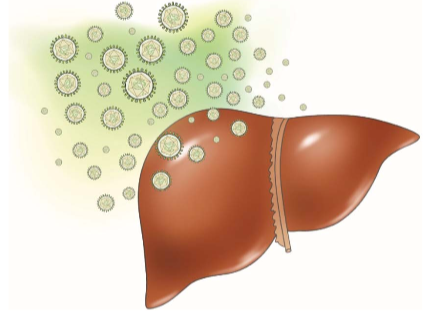
    Hepatitis C is an infection in the liver caused due to the virus Hepatitis C. It can lead to the inflammation of the liver. It can become problematic at a later time and lead to damage to the liver. The spread of the virus is routed via contaminated blood. One of the common treatments given to the patients was oral medicines and weekly injections. However, most of the individuals refrained from taking medications due to the fear of side effects or the presence of other health issues. Nowadays, the efficiency of the treatment is changing. The disease can be cured by oral medications taken for a period ranging from two to six months. However, these medications have to be taken every day to get the best results.

    Appearance of symptoms

    Most individuals are not aware if they are infected with the virus. The main reason behind this is the absence of symptoms which can take a much longer time to appear. It can appear in a short illness for some. However, it can become fatal for some. A chronic case of hepatitis C can lead to the development of serious health problems such as liver cancer or cirrhosis. The only way to prevent fatal casualties is to get the initial screening done even when the chances of getting infected by the virus or liver disease are few.

    Common symptoms related to Hepatitis C

    Chronic hepatitis C is a severe case of infection with the Hepatitis C virus. It remains a silent disease for a couple of years. The long time aids the virus to damage the liver, leading to the appearance of symptoms of the infection. Common signs include:

    1) Bleeding

    2) Bruising

    3) Tiredness

    4) Bad appetite

    5) The skin and eyes can become yellow-colored

    6) Change in the color of the urine

    7) Irritation in the skin

    8) Building up of fluid in the abdomen

    9)Legs can get swelled

    10) Loss in weight

    11) Feeling of drowsiness

    12) Slurring of speech

    The diverse phases of Hepatitis C

    The initial state of the infection is an acute phase. It is not possible to detect the virus at this stage due to the non-appearance of any symptoms. Mild symptoms are likely to appear for one to three months after virus exposure and can stay up to three months. However, acute hepatitis C infections do not always become chronic. The acute phase does not cause many symptoms. It can be treated effectively by antiviral therapy. Some people get their Hepatitis C Virus cleared from their bodies after the completion of the acute phase.

    Causes of Hepatitis C infection

    Hepatitis C Virus is responsible for the cause of the infection. The infection is likely to spread when the contaminated blood enters the bloodstream of the non-infected individual. The virus exists in many forms. Nearly sixty-seven subtypes of the virus have been identified. One of the most common genotypes of the virus is type 1. The treatment for the infection can vary based on the genotype of the virus.

    Assessing the risk factors of the infection

    The risk associated with the virus increases if

    1) You are infected with HIV

    2) Inhaled or injected illicit drugs

    3) If your mother has been infected with Hepatitis C infection

    4) Recipient of blood transfusion or organ transplant

    Complications of the infection

    1) Liver cancer

    2) Failure in liver working

    3) Liver cirrhosis

    Treatment

    Velakast (Sofosbuvir 400 mg and Velpatasvir 100 mg) is effective in treating long term Hepatitis C infection.


  • The Cure to Erectile Dysfunction Begins by Talking About it

    The Cure to Erectile Dysfunction Begins by Talking About it

    Erectile Dysfunction Causes & Treatment

    When you have erectile dysfunction, you are not capable of having erections or cannot keep them up. The number of men with this problem has nearly tripled since 1990. Although erectile dysfunction is a common problem among men, especially 65 or older, it isn’t a natural sign of aging. It is common to have occasional performance lapses. However, many men find it difficult to discuss what they are experiencing, even with their doctors.

    A diagnosis and treatment of impotence can only begin with the identification of the cause. Therefore, it is important to talk about this problem. Erectile dysfunction can be addressed and treated with a variety of solutions. This problem has many causes. Some of them are:

    Low levels of Testosterone

    Male sex drive is fueled primarily by testosterone, which is produced in the testes. Low testosterone is said to play a part in one-third of all cases of erectile dysfunction. When a man’s testosterone level is low, his sexual ability can be reduced. An erectile dysfunction diagnosis may lead to testosterone therapy, which involves changing your diet and exercise as well as undergoing injections or medications. Medicines like Vilitra 40 contain Vardenafil that helps in getting and maintaining an erection.

    An injury to the brain

    The brain controls every aspect of the body, so messages cannot be transmitted properly to the rest of the body when it is injured. This is also true for the penis. An erection may be difficult to obtain or maintain after a man has sustained a traumatic brain injury or spine and nervous system trauma. Then your doctor may recommend medication; however, he may also suggest that you see a therapist or someone else who specializes in mental health if the trauma has caused depression or feelings of inadequacy. Medications like Vilitra 60 (Vardenafil) are hormone inhibitors and can help the user have an erection for long periods.

    An injury to the pelvis

    It becomes difficult to have an erection and maintain it if the blood supply to the pelvis is interrupted or if nerves in that area are damaged. As a result of pelvic or perineal trauma, erectile dysfunction can be treated through revascularization, which, in essence, is a surgical strategy used to replace blocked blood vessels with new ones to restore adequate blood flow. It can also be helped by taking medication and drugs like Vilitra 60 (Vardenafil), which help in increasing the blood flow to the penis and enable the user to get an erection.

    Vascular Disease

    Sexual organs are affected by vascular diseases because these diseases cause reduced blood flow. Poor blood flow due to vascular diseases is the root cause of erectile dysfunction in men (50-70 percent). It can be treated with vascular disease treatments. You may be prescribed medication for blood flow, such as Vilitra 40 (Vardenafil), by your doctor once the condition has been diagnosed. Vilitra 60 (Vardenafil) increases the flow of blood to the penis and helps in the treatment of this problem. Your health care professional may also recommend lifestyle changes. It may occur as a result of smoking.

    Underlying Conditions

    Erectile dysfunction can occur as a symptom of other conditions as well. Blood vessel obstruction, diabetes, nerve damage, HIV, high blood pressure, and cancer contribute to erectile dysfunction. If one treats those conditions, then one will also treat erectile dysfunction. Medication like Vilitra 40 (Vardenafil) can help deal with the problem of erectile dysfunction and is known to be the most effective drug for this problem.

  • Know about HCQS 200 (hydroxychloroquine tablet)

    Know about HCQS 200 (hydroxychloroquine tablet)

    HCQS 200 (hydroxychloroquine tablet)

    The active ingredient in HCQS 200 (hydroxychloroquine tablet) is hydroxychloroquine, which corresponds to the class of drugs known as antimalarials. It is an anti-rheumatic medication that changes the course of the disease. The active ingredient in HCQS 200 (hydroxychloroquine tablet) 15’s is hydroxychloroquine, which belongs to the therapeutic family of quinolone medications. It kills the parasite and prevents the parasite from producing the heme compound hemozoin.

    Hydroxychloroquine works by interfering with immune system cell communication, making it useful in treating autoimmune disorders. Rheumatoid arthritis and systemic lupus erythematosus (SLE) are treated with hydroxychloroquine, which reduces inflammation, discomfort, edema, and joint stiffness. It also helps people living with lupus with their rash.

    HCQS 200 (hydroxychloroquine) Precautions and Additional Information

    • If you are allergic to this medication, contact your doctor right away.
    • Inform your doctor right away if you notice any complications.
    • During pregnancy and nursing, consult with your doctor.
    • HCQS 200 (hydroxychloroquine tablet) should be kept out of reach of children.
  • What does the Detection and Diagnosis of Prostate Cancer Entail?

    What does the Detection and Diagnosis of Prostate Cancer Entail?

    Like all other types of cancer, men with prostate cancer must get diagnosed to determine the root or origin of the cancerous cell growth. It is primarily because early detection can help the doctors in deciding and suggesting a suitable treatment regime. It also aids in curing the ailment efficiently and promptly.

    As such, scientists have developed several methods to help diagnose prostate cancer. Let us see what they are.

    Imaging

    The two chief imaging methods utilized for prostate cancer detection include:

    1. Ultrasound: Transrectal ultrasound, employed during biopsies, uses sound waves sent from a probe in the patient’s rectum to receive an image of the unusual cell growth.
    2. Magnetic Resonance Imaging (MRI): Since 2011, MRIs have played a vital role in target identification for prostate biopsies. It has accurately and precisely detected clinically significant prostate cancer in 80% of men. Dynamic contrast-enhanced MRI and combined diffusion-weighted (DW) imaging help distinguish between malignant and benign prostate lesions. The merged images of MRI and DW, with an enhancement in the dynamic contrast, helps visualize areas of fast wash-out effect and low-intensity signal. These aid in cancer discovery as they are the carcinoma characteristics.

    Biopsy

    A biopsy helps considerably in prostate cancer diagnosis. During the process, a radiologist or urologist acquired tissue samples from the patient’s prostate by inserting a biopsy gun through the rectum or the perineum and removing special hollow-core needles in a matter of mere seconds.

    Systematic biopsies can accurately detect up to 63% of cases of prostate cancer successfully. However, antibiotics are necessary to prevent further complications like sepsis, fever, and urinary tract infections.

    Tumor Marker

    Doctors can determine the origin of malignant cells of prostate cancer that have metastasized by staining the tissue samples for the presence of PSA.

    Biochemical Diagnosis

    Alkaline phosphatase levels are more elevated in metastasizing cells. Detection of the intensity of these levels can help in detecting carcinomas cells in the prostate gland.

    Gleason Score

    The Gleason grading system helps in evaluating the prediction of prostate cancer and guides the therapeutic process. It depends predominately on the appearance of the tumor. A high score indicates a worse prognosis and a higher possibility of mortality.

    Advanced prostate cancer is arduous to cure. Nevertheless, doctors trust the use of Zytiga when the cells move to the other parts of the body. It interrupts the androgen-making process at a crucial step, stopping the spread of cancer cells.

  • What can we do to prevent the Development of Prostate Cancer?

    It is a fact that one cannot halt the onset of prostate cancer once the initial symptoms kick in. Additionally, there is no surefire way to prevent it as we cannot control the various associated risk factors. These can include bodyweight, genetic disposition, age, dietary and medical influences, etc.

    Nevertheless, not everything is out of hand. There are still a few ways to minimize the risk of developing prostate cancer.

    Maintaining a Balanced Diet

    The data on the relationship between prostate cancer and a balanced diet is inadequate. Nonetheless, a few prior cases have proven that Vitamin D deficiency can act as a factor leading to prostate. Studies have shown and discovered that men who have a calcium-rich and dairy product-filled diet are more susceptible to getting it.

    Thus, it is imperative to have a balanced diet that has all the essential nutrients like carbohydrates, proteins, fats, and so on, and minerals. Curbing calcium supplement intake and inducing a fish-based diet may also help.

    Regulating of Body Weight

    Research has revealed that men with higher body mass and those suffering from obesity have a greater risk of developing prostate cancer that can even get to the advanced stages.

    Hence, it is best to maintain optimum body weight as its regulation helps to a certain extent.

    Sustaining a Healthy Body

    A healthy body is capable of fighting off most diseases. It works somewhat for prostate cancer. Going to sleep and waking up early with a nourishing eating pattern can minimize the risk of the ailment. Additionally, regular exercise, especially the vigorous kind, helps substantially.

    Soy and Isoflavone Supplements

    Early research discovered that soy proteins, called isoflavones, have some positive effects on the body. Their supplements can help in lowering the risk of prostate cancer.

    Medications

    In the body, the enzyme 5-alpha reductase is responsible for converting the male hormone testosterone. It changes it to dihydrotestosterone (DTH) which causes the growth of the prostate and the formation of tumors in specific cases.

    Dutasteride (Avodart) and finasteride (Proscar) block the creation of DTH. They treat a non-cancerous prostate growth called benign prostatic hyperplasia (BPH).

    Overall, for the treatment of metastatic hormone-sensitive prostate cancer (mHSPC), high-risk non-metastatic castration-resistant prostate cancer (CRPC), and metastatic CRPC in adult men, Xtandi 40 mg has shown wonders. It is an androgen receptor inhibitor that helps to slow down the growth and spread of cancer cell growth.

  • Prostate Cancer: Symptoms, Causes, Types and Treatment

    Prostate Cancer: Symptoms, Causes, Types and Treatment

    Cancer refers to the unusual and abrupt growth of cell mass that starts to spread or metastasize to other body parts.

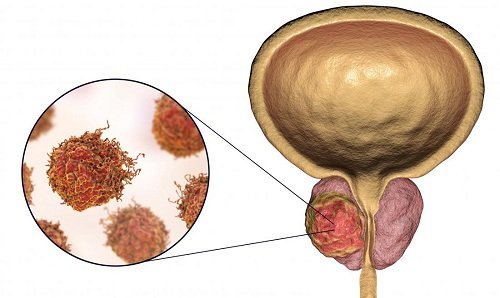
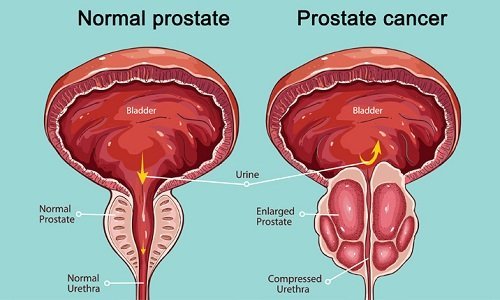
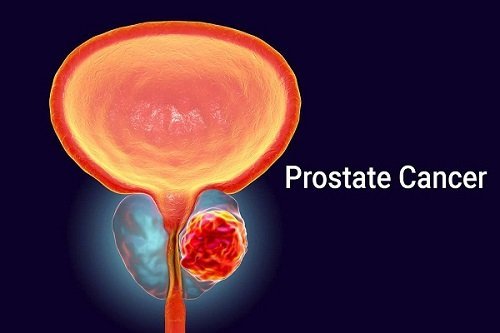
    For prostate cancer, this tumor develops in the prostate region. It forms just below the urinary bladder and in front of the rectum, occurring only in males as they have the walnut-shaped prostate gland.

    Symptoms of Prostate Cancer:

    In the early stages, this cancer shows no indications. However, as the ailment progresses, specific symptoms show up. They can include:

    • Frequent urination
    • Hematuria- urine in blood
    • Skeletal pain, primarily in the vertebrae, ribs, and pelvis
    • Nocturia- increased urination at night time
    • Fatigue and drowsiness
    • Anemia
    • Dysuria- pain during urination
    • Fecal incontinence

    Causes and Risk Factors:

    Prostate cancer may develop due to a variety of reasons. Some of them are:

    • Genetic Disposition: If an individual has a particular gene variant associated with prostate cancer, he becomes susceptible to developing the disease. Those with first-degree relatives, like fathers or brothers, suffering from the ailment have a higher chance of getting it. As such, it can pass on from one generation to the next.
    • High blood and testosterone levels: Men suffering from high blood pressure linked to lack of exercise or other associated disorders or having an elevated level of the male hormone testosterone in the blood are at risk of developing prostate cancer.
    • Obesity: Obesity is a primary factor that increases the death rate associated with prostate cancer by over 34%.
    • Age: Those in their advanced ages, predominately over 45 years, are more likely to suffer from the ailment.
    • Genetic Mutations: Abnormal changes in genes like hereditary prostate cancer gene 1 (HPC1), vitamin D receptor, and androgen receptor can lead to prostate cancer. TMPRSS2-ERG or TMPRSS2-ETV1/4 promote the growth of cancer cells, accelerating prostate cancer.
    • Infections: Infectious diseases like prostatitis and specific Sexually Transmitted Diseases (STDs) like syphilis, Chlamydia, and gonorrhea may enhance the possibility of getting prostate cancer.

    Types of Prostate Cancer:

    Predominantly, all prostate cancers are adenocarcinomas. They develop from the gland cells secreting the prostate fluid. In addition to it, its other types are:

    • Sarcomas
    • Neuroendocrine tumors
    • Small cell carcinoma
    • Transitional cell carcinoma

    Treatment:

    Enzalutamide is a non-steroidal antiandrogen (NSAA) drug that stops the effects of androgen, ceasing the growth and spread of cancer cells. Doctors use it in combination with castration to treat metastatic castration-resistant prostate cancer (mCRPC), metastatic castration-sensitive prostate cancer (mCSPC), and non-metastatic castration-resistant prostate cancer.

  • Prostate Cancer- A Treatable Health Condition among Men

    Prostate Cancer- A Treatable Health Condition among Men

    The uncontrolled division of the cells causes cancer. Prostate cancer is the uncontrolled division and corresponding growth of prostate cells of the human body. Almost all types of prostate cancer fall under the category of adenocarcinomas- cancers that develop from the gland cells.

    Sarcomas, small cell carcinoma, neuroendocrine tumors, and transitional cell carcinoma are other types of prostate cancer. However, these are rare types of prostate cancer. Prostate cancer is most likely to develop slowly, though some cancers grow faster. Autopsy reports have shown that many men, both young and old, who died due to other reasons, had prostate cancer that neither they nor their doctors knew about.

    Risk factors for Prostate Cancer

    As one gets older, the risk of prostate cancer also increases. Prostate cancer is primarily seen in men above 50 years of age. If a person has a family history of prostate cancer, he may likely suffer from the same. A family history of breast cancer is an adequate factor for vulnerability to prostate cancer. Obesity may also lead to prostate cancer. Cancer becomes more aggressive in obese people and is more likely to return in them.

    Complications 

    Like other types of cancer, prostate cancer can lead to metastasis or the spreading of cancerous cells to other parts of the body. It can spread to the bladder, bloodstream, lymphatic system, bones, or tissues. Once prostate cancer spreads to the bones, it is likely to cause the bones to break. Moreover, it can also cause urinary incontinence and erectile dysfunction.

    Precautions against Prostate Cancer

    Though there are treatments for prostate cancer, it is better to be safe than sorry. Therefore, a few precautions can be taken to reduce the risk of prostate cancer.

    • Switch to fruits and vegetable-rich diet
    • Switch to healthy food over supplements
    • Regular Exercise
    • Maintain a healthy weight
    • Seeking medical advice about the increased risk of prostate cancer

    Medications

    Abiraterone acetate is a hormone therapy used for patients with advanced stages of prostate cancer, which has spread to other body parts. Abiraterone works by preventing the body from producing testosterone. It is a second-line therapy used when the patient has stopped responding to different types of hormone therapy. It is also sometimes prescribed for patients as the first treatment for prostate cancer. However, Abiraterone is not a cure for prostate cancer. Instead, it is a medication.

  • Cancer – A Curable Disease with the right Diagnosis and Medical Intervention

    Cancer – A Curable Disease with the right Diagnosis and Medical Intervention

    Cancer is used to denote the group of diseases that affect various parts of the body. It is caused by uncontrolled cell division and their spreading to other parts of the body. Since the disease revolves around cells, which are basic human body units, it can start from anywhere.

    Formation of Cancer

    Every cell has a specific function to perform and a period until it has to complete the process. After some time, the cell is instructed to die and give way to new and improved cells. Sometimes, the order is broken, and the message may not reach the cells. Then the cells will keep multiplying without dying, creating bumps on the body known as tumors. These tumors can be cancerous and non-cancerous.

    Cancerous tumors spread from the infected organ to other parts of the body and form tumors there. These tumors are called malignant tumors. In contrast, benign tumors are those tumors that are non-cancerous. They will not grow back after removing them through surgery, unlike malignant tumors. However, some benign tumors cannot be removed through surgeries like the benign tumor of the brain.

    There are over hundreds of cancers, each named after the tissue or organ they affect.

    However, there are a few broad categories into which cancers are classified: carcinoma, which are cancers formed on the inner and outer surface of the body; sarcoma, which targets the soft tissues and bones; leukemia; lymphoma; multiple myeloma; melanoma; and brain and spinal tumors.

    Sources of Cancer

    Cancer can be attributed to genetic changes in the body. It could be caused due to errors in a cell’s ability to divide, damages to the DNA due to external factors like UV radiation and chemicals from smoking, and inheritance from parents with a history of cancer.

    Young people are less likely to contract cancer as the body eliminates the cells with faulty DNA before becoming cancerous. However, this ability of the body slows down once a person gets older. Therefore, it is adults and older people who are at a greater risk of contracting cancer.

    Medication for Cancer

    Lenvakast is an anti-cancer drug prescribed against diseases like Differentiated Thyroid Cancer and Renal Cell Carcinoma. It is either prescribed to be used alone or with other prescription drugs for diseases like kidney cancer. The dosage varies according to the disease it is used against. However, the dosage can be reduced as instructed by the doctor if the side effects become severe.

  • Hepatitis C- Symptoms, Complications, Risk Factors, Transmission and Treatment

    Hepatitis C- Symptoms, Complications, Risk Factors, Transmission and Treatment

    Hepatitis C is a viral and transmissible disease caused by the Hepatitis C Virus (HCV). Chronic hepatitis refers to the advanced stages of the ailment if it is left untreated for extended periods.

    Symptoms of Chronic Hepatitis C:

    Although Hepatitis C shows little to no indications in the initial stages, a few symptoms appear as the disease progresses. Some of them include:

    • Continual bleeding
    • Yellow discoloration of the eyes and skin
    • Red or purple spots on the skin
    • Itchy skin and red palms
    • Fatigue, nausea, and dizziness
    • Loss of appetite
    • Dark color of urine
    • Light-colored stool
    • Fever and weakness
    • Easy bruising
    • Jaundice
    • Abdominal swelling and pain
    • Abrupt weight loss
    • Confusion, incoherent speech, and headache

    Complications due to Chronic Hepatitis C

    Untreated Hepatitis C can lead to a barrage of complications that may even turn lethal for the affected individual. They include:

    • High pressure in the blood veins of the liver (portal hypertension)
    • Spleen enlargement (splenomegaly)
    • Fluid collection in the stomach (ascites)
    • Multi-organ failure
    • Liver cancer or failure
    • Internal bleeding
    • Anemia
    • Cirrhosis
    • Loss of bone strength and weight
    • Type 2 diabetes
    • Blood discharge from mouth or rectum
    • Disproportionate swelling of the abdomen and legs
    • Toxin buildup in the brain (hepatic encephalopathy)

    Risk Factors of Chronic Hepatitis C

    It is a fact that Hepatitis C reaches a chronic state if untreated for a long time. Nevertheless, specific factors can make one susceptible to developing the ailment and lead to a worsened condition. A few of them are:

    • Excessive intake of alcohol and injection drug use
    • An undue and unwarranted buildup of fat in the liver
    • Obesity
    • Coronary artery diseases
    • Liver inflammation
    • Steroid treatments
    • Excessive buildup of copper and iron in the blood
    • Genetic disposition
    • Autoimmune disorders
    • Continued exposure to radiation

    Transmission of Chronic Hepatitis C:

    Chronic Hepatitis C can be transmitted from one individual to another through body fluids. Hence, its communication can be through the following methods:

    • Blood transfusions
    • Organ transplants
    • Shared personal items like toothbrush, razer, cutlery, and so on with the affected individual
    • Unprotected sexual intercourse
    • Passing of body fluid through kissing, used needles, etc.
    • Transmission from mother to child through the placenta

    Treatment:

    Doctors use a combination of 100 mg of Velpatasvir and 400 mg of Sofosbuvir, called Velpatasvir and Sofosbuvir, for the treatment of chronic Hepatitis C. It slows down the process of multiplication of the virus and stops it from spreading to other parts of the body.

  • Symptoms and Risk Factors of Renal Cell Carcinoma, Neuroendocrine Tumor, Meningioma and Gastrointestinal Stromal Tumor

    Symptoms and Risk Factors of Renal Cell Carcinoma, Neuroendocrine Tumor, Meningioma and Gastrointestinal Stromal Tumor

    Cancer is a genetic anomaly resulting in the unrestrained and abnormal growth of cell mass. This cell growth has the potential to spread to and invade the other parts of the body.

    In this article, let us discuss the symptoms and risk factors of four different types of cancer.

    Renal Cell Carcinoma

    Renal Cell Carcinoma (RCC) is the most common type of kidney of cancer, originating in the kidney, in the proximal convoluted tubule lining.

    Symptoms: 

    • Haematuria- blood in the urine
    • Pain on the side of the body, generally between the ribs and the hips
    • An increase in abdominal mass or bloating
    • Malaise- a general feeling of unwellness
    • Anemia
    • Hypertension
    • Hypercalcemia- elevated calcium level in blood
    • Recurrent fevers and chronic fatigue

    Risk Factors:

    • Obesity
    • High blood pressure
    • Exposure to certain chemicals like lead, cadmium, petrochemicals, chlorinated solvents, Polycyclic Aromatic Hydrocarbon (PAH)
    • Extended use of non-steroidal anti-inflammatory drugs (NSAIDs)
    • Genetic disposition to the ailment
    • Hyperparathyroidism-jaw tumor syndrome, sickle disease, Birt–Hogg–Dube syndrome, etc.

    Neuroendocrine Tumor

    Neuroendocrine tumors (NETs) are cancerous cell growths arising from the endocrine gland and nervous system cells. They originate in the intestine and are called carcinoid tumors and in the lungs, pancreas, and other parts of the body.

    Although there are different types of NETs, their overall symptoms are similar.

    Symptoms: 

    • Diarrhea
    • Congestive Heart Failure (CHF)
    • Flushing
    • Abdominal cramp
    • Bronchospasm- muscle tightening in the windpipe
    • Tachycardia- abnormally rapid heart rate
    • Breathing difficulties
    • Weakness, nausea, and weight loss
    • Neuralgia- severe irritation

    Risk Factors:

    • Excessive alcohol consumption
    • Exposure to radiation like during chemotherapy and radiofrequency ablation
    • Imbalanced diet and nutrient deficiency

    Meningioma

    Also known as a meningeal tumor, meningioma is a slow-growing cancerous cell growth forming from the meninges in the brain and spinal cord.

    Symptoms:

    • Seizures
    • Incoherent speech
    • Confusion
    • Dementia
    • Vision problems
    • Loss of bladder control

    Risk Factors:

    • Exposure to ionizing radiation
    • Genetic disposition
    • Neurofibromatosis type 2

    Gastrointestinal Stromal Tumor

    As the name suggests, gastrointestinal stromal tumors (GISTs) are a type of cancer that originates in the gastrointestinal tract.

    Symptoms:

    • Swallowing troubles
    • Metastases
    • Gastrointestinal bleeding
    • Abdominal pain

    Risk Factors:

    • Age
    • Gender- females are more susceptible
    • Genetic disposition

     Although the above four are different types of cancer, there is a generic medication for treatment. Sunitinib can cure renal cell carcinoma, neuroendocrine tumor, meningioma, and gastrointestinal stromal tumor. It works by interfering with a protein responsible for cell division and blocking the two processes that permit cancer cell growth.