Category: Blog

  • HIV vs HBV- Symptoms, Transmission, Working, and Treatment

    HIV vs HBV- Symptoms, Transmission, Working, and Treatment

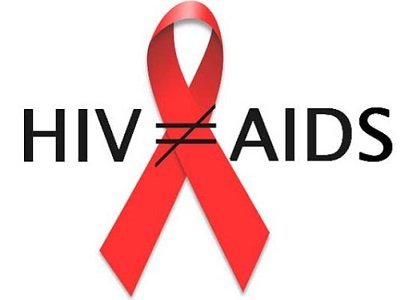
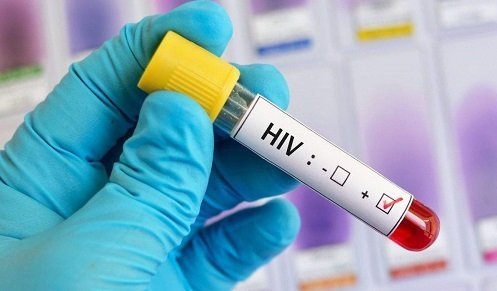
    The Human Immunodeficiency Virus (HIV) is a retrovirus responsible for the progressive degradation of the body’s immune system. It leads to the life-threatening Acquired Immuno-Deficiency Syndrome (AIDs), resulting in ailments like cancers, tuberculosis, and the development of other opportunistic infections.

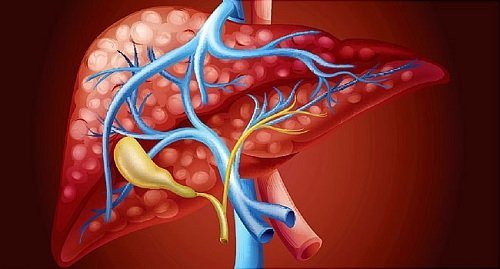
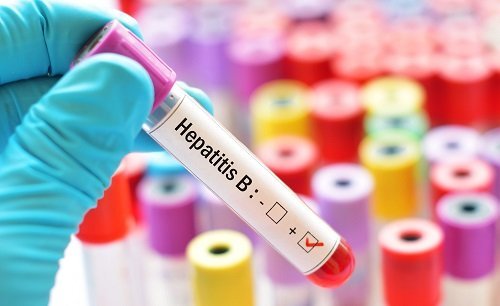
    On the other hand, Hepatitis B is an infectious disease that results from the Hepatitis B Virus (HBV). If left untreated for an extended period, the ailment progresses. It advances to a complicated stage and develops into chronic Hepatitis B.

    In this article, let us compare and contrast the two diseases.

    Symptoms

    HIV Infection:

    • Prolonged lymph node and gland swelling
    • Sore muscles and joints
    • Extreme fatigue and dizziness
    • Recurring fevers and night sweat
    • Abrupt weight loss
    • Pink blotches inside nose, eyelids, and mouth
    • Rashes on or under the skin
    • Confusion and depression
    • Memory loss and other neurological disorders

    Chronic Hepatitis B:

    • Acute viral hepatitis
    • Jaundice
    • Chronic liver inflammation
    • Fulminant hepatic failure
    • Loss of appetite
    • Vomiting, nausea, and general ill-health
    • Body aches and mild fever
    • Skin rashes
    • Aplastic anemia

    Transmission

    Both Hepatitis B and HIV infections are Sexually Transmitted Diseases (STDs). Although the former is over 50 times more infectious than the latter, their modes of transmission are similar. Some of the are:

    • Unprotected copulation
    • Body fluid transfusions
    • Organ transplants
    • Sharing of personal items like towels, razors, toothbrushes
    • Placental transmission from affected mother to child
    • Re-use of contaminated syringes and needles
    • Breastfeeding by infected mother

    Working of the Virus

    HIV Infection: HIV immediately attacks the Helper T cells, which interact with the other immune cells to fight infections, on entry into the body. It breaks off a vital point of communication between the immune cells, making the body susceptible to numerous diseases. The body is then no longer able to detect and deal with the ailments promptly. It becomes weakened to a great extent, resulting in AIDS.

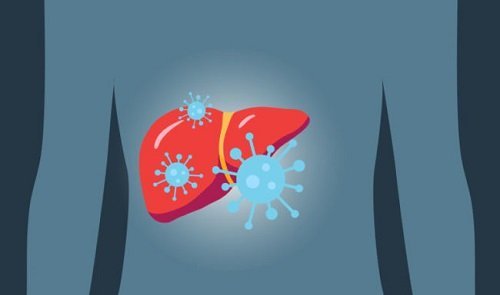
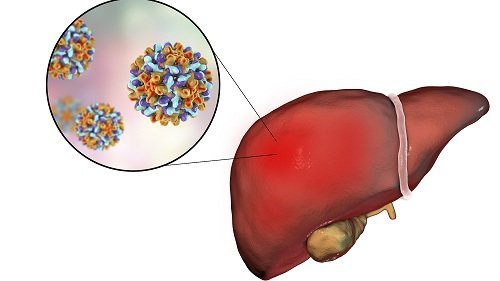
    Hepatitis B: On entry to the body, HBV makes the functional cells of the liver, the hepatocytes, their host. They replicate in these cells, creating more viral DNA and proteins. It leads to the host’s immune response causing hepatocellular damage and viral clearance. It begets interference in liver functions, resulting in severe liver damage.

    Treatment

    Treatment of both HIV infection and chronic Hepatitis B is possible using Tafero tablets. It blocks the function of the reverse transcriptase enzyme to slow down and reduce HIV replication. Additionally, it controls HBV infection to prevent its multiplication.
  • Renal Cell Carcinoma- Causes, Diagnosis, Treatment and Medication

    Renal Cell Carcinoma- Causes, Diagnosis, Treatment and Medication

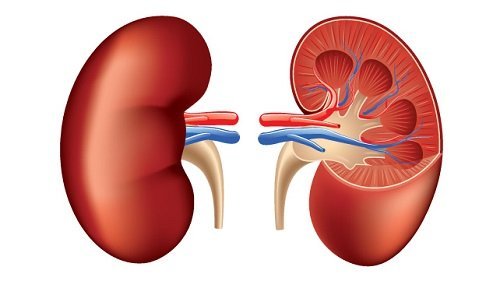
    Renal Cell Carcinoma, commonly known as kidney cancer or RCC, occurs when the uncontrolled division of cells crowds the linings of the tubules leading to the kidney. It is a fast-spreading type of cancer that can spread to other organs like the lungs and other surrounding organs.

    What causes RCC?

    There is uncertainty within medical circles about the exact cause of RCC. It can be found in almost anyone but is more commonly found in men aged above 50. Some of the most common sources of RCC include a family history of RCC, dialysis treatment, obesity, smoking, polycystic kidney disease that causes cysts or growth in the kidney, and use of medications to fight other conditions like arthritis.

    Patients with RCC do not exhibit symptoms initially. However, with the progression of the disease, patients may exhibit symptoms like excessive pain on the sides, weight loss, fatigue, vision problems, blood in urine, a lump in the abdomen, and excessive hair growth in women.

    Diagnosis for RCC

    After an analysis of the patient’s medical history and symptoms, if the doctor believes that the patient might have RCC, and then some tests are conducted, which include the following:

    • Complete Blood Count, where a blood sample is collected from the patient and sent to the laboratory for further analysis.
    • CT Scan where the kidney is scanned and the doctor checks for any abnormal growth.
    • Abdominal and Kidney Ultrasounds, where the image of the kidney is produced with sound waves to detect any abnormal growth or tumors in the kidney.
    • Urine Test where the patient’s urine samples are collected and tested for the presence of cancerous cells.
    • Biopsy or the removal of a small part of the kidney tissue is sent to the pathology lab for further testing to determine the presence of cancerous cells.

    If confirmed in these tests that a patient has RCC, further tests known as staging tests are conducted to determine how extensive the spread of the infection is. These include a chest X-Ray, PET scan, and bone scan.

    Treatment for RCC

    RCC can be treated through conventional cancer treatment methods like surgery, chemotherapy, and radiation, biologic and targeted therapy. Anti-cancer drugs like Sutekast have become a staple in cancer medication. Sutekast is a salt that inhibits the motion of receptor tyrosine kinases. Activating these receptors means cutting down tumor vascularisation and enhancing cancer cell apoptosis, which leads to reduced tumors. Sutekast intake must be done for four weeks with a 15 schedule or according to the doctor’s prescription. This is because the drug is used to treat other diseases like pancreatic neuroendocrine tumors and gastrointestinal stromal tumors.

  • Risk Factors of GIST: Genetic Mutations that cause GI Tumors

    Risk Factors of GIST: Genetic Mutations that cause GI Tumors

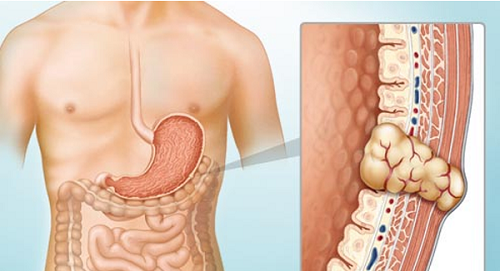
    A gastrointestinal stromal tumor, aka GIST, is a gastrointestinal tumor or soft tissue tumor. This GI tumor occurs in the stomach lining or the small intestine. However, in many cases, these tumors can occur in other parts of the digestive system. These tumors take place when the cellular growth goes uncontrolled. The tumors can grow into other organs as well, like the liver. They start from the nerve cells called ICC or interstitial cells of Cajal that act as specialized precursor cells for GIST.

    There are several treatments like targeted therapy using drugs, surgery, etc., that help treat GIST. Here are some reasons why GIST can be a problem:

    Age: One of the biggest risk factors is the patient’s age. GIST is rare in people under the age of 40. This tumor is most found in people who are between 50-80 years old.

    Genes: One of the biggest factors behind GIST is a genetic mutation. Some people tend to be born with a certain genetic mutation that causes tumors like GIST. The probable genetic mutation that causes GIST are:

    • SDH genes: Mutation of SDH genes or succinate dehydrogenase genes increases people’s risk of getting GIST. The mutations are usually in SDHC and SDHB genes.
    • Abnormal KIT gene: This abnormal familial GIST gene is passed down from the parents to their children. This gene is also one of the reasons why children may have GIST as well. Also, these genes can cause multiple GIST outbreaks throughout life.
    • NF1 gene: People with a defected NF1 gene are born with VRD. These genes are also familial, which means they are inherited from parents to kids. These defective genes are one of the major reasons why someone may have GIST in their lifetime.

    These genes cause anomalies in protein formation. This leads to uncontrollable growth of the cells, which then turns into a GI tumor. When the tumor starts metastasizing, it is removed surgically. There are several drugs out there that are used to stop the growth in patients suffering from GIST. Sutekast is one such drug that doctors prescribe to GIST patients.

  • What Are Various Risk Factors Of Contracting Hepatitis C From An Infected Person?

    What Are Various Risk Factors Of Contracting Hepatitis C From An Infected Person?

    The hepatitis C virus causes hepatitis C. Hepatitis C is a liver disease that can be chronic and acute. Many people hardly show any symptoms and get treated on their own, but it can lead to severe illnesses in many. The hepatitis C virus is not highly transmissible as it can spread only through blood. However, there is always a certain risk factor for those living with a hepatitis C- positive person.

    Here are some risk factors that should be kept in mind:

    Medium risk factors: Medium risk factors are the factors that can transmit the virus to another person, but the chances are low. This includes:

    • Pregnancy: There is a low risk of mothers transmitting the virus to their unborn child.
    • Hygiene and grooming supplies: From razors to nail clippers to sanitary napkins, these come into the low-risk category of spreading the virus.
    • Unprotected sex: The risk level is low, but there is always a possibility. People should avoid having sex while menstruating.

    High-risk factors: High-risk factors are the ones that stand to be the most probable way to get infected by the virus from an infected person’s blood. They include:

    • Blood transfusion: When infected blood is transfused to a healthy person, the chances of contracting the virus are very high.
    • Tattoo needles: When the tattoo needles are not sterilized properly, the infection chances increase immensely.
    • Drug needles: When the syringes and tourniquets are shared while using drugs among people, the infection risk goes up.

    Anything that poses as a medium to transmit an infected person’s blood to another can be counted as a high-risk factor in this infection. However, a few things do not cause infection to a healthy person, like coughing, kissing, sneezing, sharing utensils, breastfeeding, casual contact, etc.

    Timely treatment of this virus is one of the best ways to ensure that the infection is not severe. One of the drugs that help with controlling the infection and treating it is Hepcinat Plus. Patients should consult with their doctor to get the dosages prescribed.

  • What are treatment types that Oncologists for Prostate Cancer suggest?

    What are treatment types that Oncologists for Prostate Cancer suggest?

    Cases of prostate cancer have risen rapidly in the last few years. However, doctors and scientists have found various types of treatments that are effective in treating it. When the cancer is in its initial stages, the surgeons tend to treat cancer with local treatments. But when cancer spreads to other organs near the prostate, the doctors tend to go for systemic treatments. The decisions of treatments in any cancer type are made by the radiology oncologists, oncologists, and surgeons.

    The types of treatments for prostate cancer are discussed below:

    Local treatments

    Local treatments are used when the cancer is specifically located in a single organ. When cancer is at its early stage, it tends to only be in the prostate gland. This type of cancer can be completely removed using radiation therapy and surgery.

    The types of local treatments include:

    • Surgery: In surgery, the prostate gland along with the lymph nodes are removed surgically. There are different surgical procedures like robotic prostatectomy, radial prostatectomy, TURP, bilateral orchiectomy, etc.
    • Focal therapies: These therapies are targeted to the tumor cells without damaging the rest of the prostate. These are effective for low and intermediate-risk prostate. Cryoablation and HIFU are two focal therapy types.
    • Radiation therapy:This therapy type is for destroying cancerous cells by using radiation. External beam radiation therapy is done by targeting the x-rays to the cancer cells from the external source. Proton therapy is also an external radiation type but uses proton rays. Internal radiation therapy uses radioactive material inserted in the prostate to destroy cancer cells.

    Systemic treatments

    Systemic treatments are done when cancer moves to other surrounding organs and parts of the prostate as well. With this, medication is mostly used to treat cancer. The medication is either injected into the prostate or is taken orally. Several types of systemic treatments like hormonal therapy, radiopharmaceuticals, targeted therapy, chemotherapy, etc.

    Several treatments are used these days to treat this type of cancer. Medications are used in both initial-stage and late-stage cancers. One of the medications that are prescribed for treating prostate cancer is abiraterone.

  • What are the Risk Factors and Symptoms of Prostate Cancer?

    What are the Risk Factors and Symptoms of Prostate Cancer?

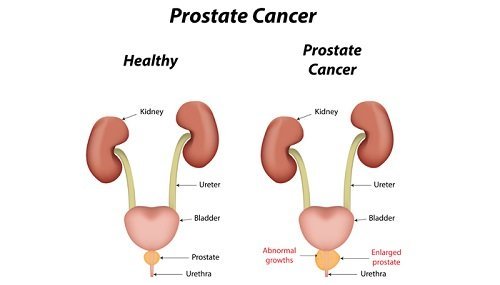
    The prostate is an organ that is present in the male reproductive system. It is situated beneath the urinary bladder, and the urethra goes around the prostate. The main function of the prostate is the proper functioning of the male reproductive system. The prostate gland produces the fluid that makes the semen. Therefore, this gland is said to be one of the most important. With age, the size of this gland starts increasing in size in most males, and in other cases, tumors start forming in the prostate gland.

    Symptoms

    Several symptoms can be seen with prostate cancer. If you see any of these symptoms, you should see a doctor immediately.

    • Interrupted and weak flow of urine
    • Pain and difficulty urinating
    • Burning sensation while urinating
    • Feeling the frequent urge to go to the bathroom
    • Back, pelvis, and hip pain for a long time
    • Bladder does not empty completely
    • Blood in semen or urine
    • Painful ejaculation

     Risk factors

    When it comes to prostate cancer, there is always a certain category categorized as a high-risk group. The high-risk group is more inclined to get prostate cancer. However, in the current medical scenario, if a person gets prostate cancer, there is a high possibility of complete cure.

    • Age: Men who are up in age are more at risk of prostate cancer. Men mostly above 50 years fall into the high-risk group. But, in certain cases, prostate cancer can be seen in younger males as well.
    • Genetic history: If anyone has a cancer history in the family, the risk goes up. If one’s father, brother, or son has been diagnosed with prostate cancer, the risk also goes high.
    • African American: Through various research, it is found that African American men are more at risk of getting prostate cancer than other men.

    Also, they are more numerous when it comes to prostate cancer in younger men.

    Enzalutamide is one of the systemic medications prescribed to patients suffering from advanced level prostate cancer. The medications are prescribed by oncologists and specialists only.

  • Advantages of Taking HIV Medications and Therapy Drugs Continuously

    Advantages of Taking HIV Medications and Therapy Drugs Continuously

    HIV, aka human immunodeficiency virus, causes AIDS, which is an autoimmune disease. HIV is a retrovirus. Once a person gets contracted by this virus, there is no permanent cure. HIV cannot be removed from the body, but it can be controlled with proper treatment and therapy. Uncontrolled HIV can lead to AIDS, which can put one’s life at risk as it can be transmitted sexually, through breastfeeding milk, from pregnant mothers to child, through syringes/blood.

    HIV treatment with antiretroviral therapy or ART, HIV growth in the body can be controlled. The spread cannot be stopped, but people can live a better life. Some of the benefits of HIV therapy and medication are:

    • Undetectable viral load: One of the things that HIV medications help with is controlling the viral load in the blood. Antiretroviral therapy helps in viral suppression, which does not allow the virus to multiply rapidly in the body. If the viral load is 200 units per millimeter or less, the doctors know that the medication is working. If the blood test cannot detect the virus in the blood, then that means the medication is working, and the viral load is low.
    • Prevent transmission: When someone has a low viral load, the chance of transmitting the virus to another person becomes less as well. Many researchers have said that having a low viral load prevents the transmission of the virus from one person to another sexually. Also, the viral spread can be lowered up to 1% or less from HIV-positive mothers to their child during pregnancy.
    • Avoid drug resistance: HIV can mutate just like any other if the medications are not taken daily. This leads to drug resistance, which in turn limits options of treating HIV effectively. That is why taking HIV medications daily is highly important. This prevents the virus from mutating and makes the treatment effective.

    Viropil is a drug that is used for HIV therapy and is as effective as an antiretroviral drug. HIV/AIDS cannot be cured completely, but keeping the virus under control will help people lead a better life and effectively minimize the risks. It also helps in lowering the risk of transmitting the virus to any other person.

  • Why Hepatitis B Viral is Worth your Attention?

    Why Hepatitis B Viral is Worth your Attention?

    Hepatitis B Viral or HBV is a virus that when infects a body can destroy a person’s liver either by causing cancer or by completely damaging it. Although this only happens if the disease has become chronic.


    Prevention for hepatitis B is possible but there is no cure for it. You could also infect people after you got the disease and you have to keep some things in mind and follow some guidelines to prevent it from spreading to others.


    Many times when a person gets infected with HBV he/she might easily get cured without any treatment because our immune can prevent the cells of HBV from spreading. But sometimes the HBV will become chronic which will lead to bad effects on the body if proper treatment is not taken.


    Symptoms of Hepatitis B Viral

    After you get infected by HPV, the symptoms will show after a week or month or may even take 4-5 months. The most common symptoms are:

    1) Fever

    2) Pain in the stomach

    3) Vomiting

    4) Tiredness

    5) Jaundice

    6) Skin becoming yellow

    If you get any or some of these symptoms, you should immediately contact your doctor as he/she will help in stopping the virus and if it’s in the initial stages it will be easier to prevent and stop the virus from causing much damage to your body.


    Reasons Behind HBV

    1) Unprotected Sexual Activity

    Having unprotected sex with someone infected will let his/her body fluid enter your body either through semen, vaginal excretion, or blood. This may cause HBV.

    2) Pregnant Woman

    A pregnant woman can cause her child to have HBV as soon as he/she is born and therefore the pregnant woman should get tested and if she comes positive for HBV, she should vaccinate the child after his/her birth.

    3) Blood

    Coming in contact with an infected person’s blood will cause HBV. This could happen if you share the same injection either for drug or medicine.


    Cure

    Once you get the disease, you should consult your doctor as soon as you can but most of the time HBV cells increase in our body and start preventing our liver to work properly causing liver damage and in some cases even liver cancer. This is the chronic stage of HBV. Entekor is a medicine advised by many doctors that will prevent the HBV cells from replicating and spreading which can help in treating the disease.

  • Why People need to take HCV Genotypes Seriously

    Why People need to take HCV Genotypes Seriously

    HCV or the hepatitis C virus is a global disease with over 150 million people infected. Over one million cases are reported every year from all over the world. If a person gets in contact with another person’s blood either by using the same injection or through sexual contact, the chances are high to get infected, but the chances of getting HIV from sexual contact are very low and could only take place if infected blood comes in contact with the other person.


    HCV has different types for different people, and to identify the different variances, scientists use terms like genotype for the treatment. The only way to find out which genotype you have is by getting a blood test. This will help find the right treatment for you because after knowing your genotype level, your doctor will prescribe you the medicine based on that. 


    Different Strains of HCV 

    Usually, the hepatitis C virus consists of seven genotypes or strains from one to seven, and genotypes 1 to 3 are only found worldwide. The other four genotypes are only found in certain countries, mostly Egypt, Africa, and Southeast Asia. These genotypes do not tell the liver’s progress or failure and how much it is damaged, but rather they tell that what treatment will be required based on the strain. Although the other genotypes work wonderfully on the treatment, genotype 3 has a very difficult and hard treatment. 


    When a patient is positive for HCV genotype 3, his recovery rate becomes slow. When a person has genotype 3, the body’s cells quickly damage the liver, preventing it from functioning, and may later cause liver failure. The other genotypes’ treatment has been researched, but most of them do not help in curing Genotype 3. The medicine for all other genotypes does not work on genotype 3, and only a few medicines can help in curing genotype 3 because, in this stage, the chances of getting cured are less, but liver damage happens in quick succession.


    That is why it is necessary to get tested for HCV genotype variances which can help get the right treatment based on your case. To cure HCV diseases, antiviral medicines are used. Sofokast Plus is one of the acknowledged medicines that uses two antiviral drugs, which helps treat genotype 1 and genotype 3 strains.

  • Why Tafsure is one of the best Medicines with very low Side Effects?

    Why Tafsure is one of the best Medicines with very low Side Effects?

    Tafsure or Tenofovir Alafenamide are tablets given to people suffering from HBV (Hepatitis B Viral) and HIV-1 infections. (Human immunodeficiency viruses) This medicine is highly effective and shows results within hours. It is specifically made for those people who suffer from liver diseases. People with HBV disease and liver damage shouldn’t consume this medicine without a doctor’s authorization. This drug helps to stop the virus from growing and preventing new viruses within the body. Don’t forget to consult your doctor regarding your medicine and its common and rare side effects in the starting period of your treatment.

    You shouldn’t miss any medicine dose as it affects your body and can cause serious harm. Consult your doctor regarding the schedule and try not to miss any day of taking this medication. Although the drug is mostly safe and has very rare chances of repercussions, always consult your doctor if trying something new.

    Side Effects 

    1) Headache is the most common side effect noticed by many people after using it.

    2) The schedule for taking medicine should remain constant and regular because one day of missing the drug can lead to the diseased cells’ resistance within the body.

    3) Eyes turning yellow is a side effect.

    4) If patients suffer from any kidney disease, they shouldn’t take this medicine without a doctor’s consultation because this medicine can lead to kidney failure.

    5) Some people experience nausea.

    6) Some people have dealt with stomach pain, mainly in the abdominal area.

    When to Avoid this Medicine 

    1) Avoid this medicine if you are pregnant, as this drug can harm the baby.

    2) People with liver damage should consult their doctor before taking medicine.

    3) Avoid alcoholic drinks or consult your doctor.

    Dosage

    Doctors suggest taking this medicine with food, preferably in the evening or morning. Taking medicine with food helps with the proper absorption of the medicine into the body and will help the medicine have a much better and rapid effect. The medicine takes approximately 40 minutes to be absorbed into the body and take effect. It is excreted from our body within an hour after consuming.