Category: Blog

  • How Sovihep can help treat chronic Hepatitis C?

    How Sovihep can help treat chronic Hepatitis C?

    Hepatitis C is an infection caused by a virus called HCV (Hepatitis C Virus). The virus affects the liver and causes inflammation. Hepatitis C is the main cause of liver cancer.

    Global distribution of Hepatitis C

    Hepatitis C is a worldwide disease. The most affected region is the European and eastern Mediterranean region. The estimated prevalence in these areas in 2015 is 2.3% and 1.5%, respectively. The genotype distribution is unknown in many countries. HCV is, however, vaccine-preventable. HCV is mostly spread in countries where vaccine practices are acute.

    Transmission and Symptoms

    The virus is spread through blood or other body fluids. The most common ways of virus spread are: –

    1. Improperly sterilized or reused syringes, razors, or other medical equipment.
    2. Sharing injection while taking injection drugs
    3. Transfusion of infected blood
    4. Unprotected sex (sex that exposes contact of blood)
    5. Mother to child

    However, the virus cannot be transmitted through breastfeeding, sharing food or utensils, kissing, or casual contact.

    Hepatitis C is an asymptomatic disease. It causes dark urine symptoms, exhibit fever, weight loss without any reason, nausea, frequent joint or muscle pains.

    If one thinks that he/she might be infected, it is suggested to get tested as soon as possible. Early testing can help the patient get treatment before the infection starts to worsen. There are possibilities for HCV to cause liver cancer if hepatitis gets into its chronic stage. Doctors make sure to test the patient frequently to ensure the patient gets treatment for cancer at the early stages.

    Prevention

    Prevention is always better than cure. Following a few precautions can help one in preventing the disease.

    1. Using properly sterilized or new injections, razors, blades, and other health equipment.
    2. Test the blood for HBV and HCV when applied for donated blood
    3. Prevention for exposure to blood during sex

    Treatment

    Hepatitis B does not require any special treatment if it is in the acute stage. A healthy body is immune enough to fight the virus and clear the infection. But if the infection becomes chronic, then treatment is required.

    Sovihep: A cure to Hepatitis C

    Sovihep is an antiviral medicine that helps the patient fight the Hepatitis C Virus. Sovihep is used along with a few other medicines to cure hepatitis. The medicine helps the body reduce the spread of the virus and kill the virus present in the blood. The medicine has a few side effects, like fatigue, headaches, insomnia, and nausea.
  • Differentiated Thyroid Cancer- What to Know?

    Differentiated Thyroid Cancer- What to Know?

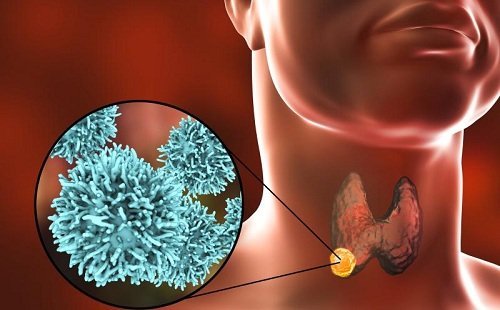
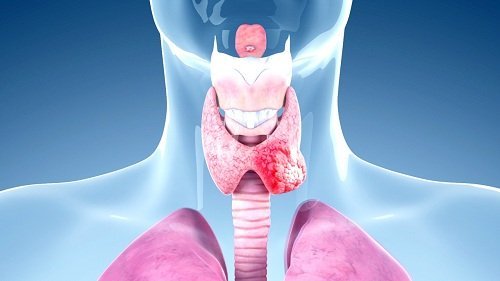
    Differentiated Thyroid Cancer, commonly referred to as DTC, affects the thyroid gland of the patient. The thyroid is an important part of our body as it regulates the heart rate and blood pressure. Getting infected with this cancer can hamper all its important functions.

    However, the plus side is that this can be cured very easily. If the cancer is diagnosed early and the patient is below 50 years of age, then there is a high chance that cancer can be cured easily. This is the most common type of thyroid cancer and constitutes 95% of people’s thyroid cancer cases.

    Causes of DTC

    As is the case with most cancerous growths, there is no specific cause that can be attributed as the source of differentiated thyroid cancer. Generally, it has been found that cancer of the thyroid gland occurs when the organ undergoes any mutation. The mutation’s main effect is that the cells start growing abnormally without dying, causing the formation of lumps and swellings in the gland. This ultimately transforms into a tumor and can spread to other organ systems as well.

    What are the symptoms?

    The main problem with DTC is that there are hardly any symptoms in the early stages of cancer, making it hard to be diagnosed. However, as cancer grows, some symptoms might show up. The symptoms are listed as follows:

    • You can feel a lump in your neck by touching from outside.
    • In the later stages, the patient feels increasing difficulty in swallowing.
    • The patient can also start to feel swollen lymph nodes in the neck.
    • Sometimes there is a change in the voice of the person, and the hoarseness increases.
    • The growth of cancer also leads to experiencing pain in the neck and throat.

    Treatment of DTC

    A few methods of treating the DTC depend upon the patient physiology and extent of the cancer growth. Some of the common treatment methods are:

    • Surgery is the most commonly used treatment. There are multiple kinds of surgery that are mainly used to remove the cancerous part of the thyroid to prevent it from spreading to other organs and systems.
    • Hormonal therapy is used to slow down the growth of cancer in the thyroid.
    • Radiation therapy is used in advanced stages for killing cancerous cells.
    • Targeted therapy is used when the other treatments do not have any effect. It targets specific cancer cells to prevent them from growing.

    Lenvakast 10mg is one of the popular medications used for treating DTC.

  • Take Lenvakast 4mg to treat Renal Cell Carcinoma

    Take Lenvakast 4mg to treat Renal Cell Carcinoma

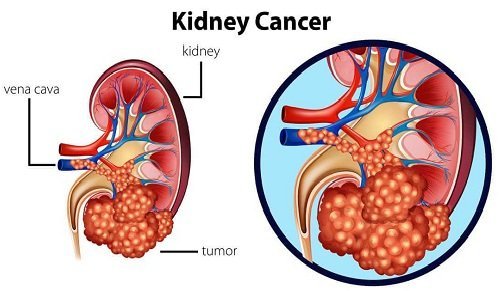
    One of the most common kinds of kidney cancer is Renal Cell Carcinoma or RCC. It is mostly found in adults and is popularly called renal kidney cancer. Kidneys are an integral part of our body as they help us filter the waste in our system and keep us from falling sick.

    Apart from the waste filtering, it also helps us to maintain the balance of different body fluids. Tubules carry out all these functions in the kidney. If a person suffers from RCC, then cancer starts growing in these tubules. This is a very dangerous problem as cancer quickly spreads to the nearby organs as well.

    Causes of Renal Cell Carcinoma

    As is the case for most cancers, there is no specific cause for RCC. It is commonly found in adults between ages 50 to 70. However, it can be diagnosed in almost any person. Given below are some of the common reasons behind RCC.

    • If there is a family history of RCC.
    • Hypertension and obesity are very common reasons behind having RCC.
    • If a person is undergoing dialysis, then there is a chance of developing this cancer.
    • The most common reason is chronic abuse of unprescribed medications and drugs. This includes most of the arthritis drugs that people take over the counter without proper instruction or prescription.
    • Inherited or genetic kidney diseases are also the main reason for causing RCC. Smoking cigarettes also facilitates the growth of these cancers in the body.

    What are the symptoms of RCC?

    In most cases, there is hardly any symptom at the early stages of cancer. However, in the later stages, there might be some signs showing the presence of the disease. Some of the most common symptoms are as follows:

    • Sudden weight loss
    • Presence of lumps in the abdomen
    • Passing blood in the urine
    • Loss of appetite and increased fatigue
    • Problems in vision and side pain
    • Women sometimes experience increased hair growth

    Treatment of Renal Cell Carcinoma

    Generally, there are five different kinds of treatment for RCC. They are listed as follows:

    1. Surgery is used to remove a part of the kidney containing the cancerous cells, or sometimes, one entire kidney is removed in serious cases.
    2. Chemotherapy is used for killing the cancer cells using medication.
    3. Radiation therapy uses X-ray to kill the cancer growth.
    4. Biologic therapy uses the strength of the immune system to fight cancer.
    5. Targeted therapy uses drugs for attacking specific cancer cells.

    Lenvakast 4mg is a drug taken orally for treating RCC and is commonly used in chemotherapy.

  • Take Velpanat Tablets to See Better Results

    Take Velpanat Tablets to See Better Results

    Two antiviral medicines are combined to form Velpanat tablets. This tablet is mainly used for the treatment of chronic hepatitis C virus. It attacks the virus and fights against it to boost the immunity.

    Benefits 

    Velpanat tablets are mainly used to treat chronic hepatitis C. Hepatitis C is a viral infection that results in liver failure. The hepatitis C virus causes it. When hepatitis C lasts long in its host’s body, it is termed chronic hepatitis C. Velpanat tablets help treat it by attacking the viruses in the host’s body. It also stops the virus from spreading further. So, controlling the spread of the virus results in faster recovery of the disease.

    The dosage of Velpanat that is best suited for your body depends on your doctor’s recommendation.

    Side effects 

    There is no evidence of any serious side effects due to Velpanat, although some common symptoms may be noticed at first after taking the tablets. Some of the most common side effects are headaches and tiredness. If you face some major issues after consuming them, then a doctor’s consultation is recommended.

    Generally, if you have chronic hepatitis C for a long time and have started taking Velpanat tablets, then the chances are high that recovery will take a long time. The combination of two medicines, Velpatasvir and Sofosbuvir, works by removing the hepatitis C virus. But, this process takes time.

    Safety precautions 

    • If you are a regular alcohol consumer, you should consult with your doctor about taking Velpanat since their reaction to alcohol is unknown.
    • The tablets are safe to consume during pregnancy. It has no adverse effect on the baby.
    • During breastfeeding, consuming Velpanat is safe since no harmful effect on the baby is noticed.
    • When taken, these tablets may cause blurry vision or dizziness, so driving after taking medicine is not recommended.
    • If you have a severe kidney condition, then Velpanat should be used after consulting with your doctor, but it is mostly safe for people with liver disease.

    Complete the entire course of these tablets to see a gradual decline of the hepatitis C virus in your body.

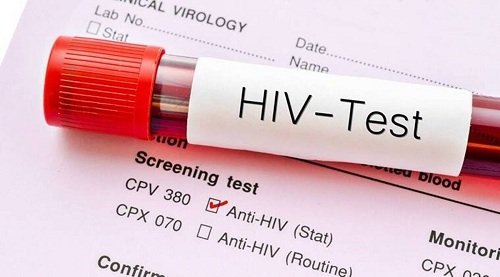
  • What to know about HIV treatment?

    What to know about HIV treatment?

    HIV or Human Immunodeficiency Virus is one of the most dangerous virus known to mankind. There are very few successful methods to fight HIV, but few treatments can help you cope better with the infection. The whole HIV treatment procedure is known as antiretroviral therapy.

    To be clear, this therapy does not cure HIV but is more of a containment process. It helps keep the effects at a minimum and gives the patient a chance to lead a longer and healthier life. It also prevents them from spreading it to someone else.

    What is HIV?

    HIV is a virus that targets the patient’s immune system. It mainly kills the T-cells in your body, responsible for fighting against different viruses and diseases. When this goes on for a considerable period, it can lead to serious health complications and even cancer.

    There is a common misconception about HIV transmission. It cannot be transmitted through casual contact like touching or drinking the same water or using the same towel. The main mode of HIV transmission is through bodily fluids like breast milk, vaginal and rectal fluids, blood, and semen.

    Cure for HIV

    As mentioned already, there is no cure for HIV as of yet. The reason behind this is that the virus inserts itself into the affected person’s DNA. There is no medicine or treatment to eliminate a virus or disease that has inserted itself into a patient’s DNA. Despite the absence of a specific cure, some treatments can be taken to prolong the patient’s life and prevent the immune system from having a complete breakdown.

    Antiretroviral therapy is the most effective way as of now to keep HIV in check. This therapy is very vital for people because it stops HIV from converting into AIDS. If someone has AIDS, their life expectancy is as little as three years. But with the treatment mentioned above, their life expectancy can be made almost the same as a normal healthy person.

    Also, AIDS destroys the immune system, so the body won’t resist even the smallest infections.

    There are several medications used for antiretroviral therapy, and Viraday is one of the most popular ones. It helps the body to fight against HIV and prevents it from transforming into AIDS.

  • Ledihep treatment for Hepatitis C

    Ledihep treatment for Hepatitis C

    Introduction

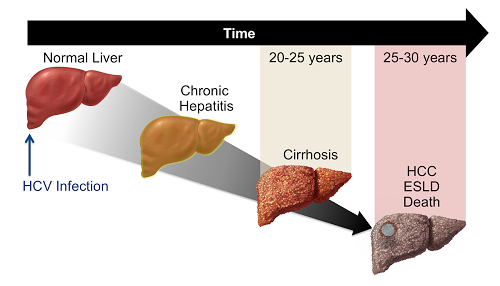
    Hepatitis C is a liver infection caused by HCV (hepatitis C virus). In a few cases, the virus also attacks the digestive system, nervous system, or immunity issues. The disease turns out to be deadly when it advances to cirrhosis or liver cancer. But these life-threatening situations due to HCV is rare. There are five stages of hepatitis C:

    1.  Incubation period:This is the period between the first exposure to the virus to the start of the infection. It would last for 14 to 80 days, 45 days on average.
    2.  Acute hepatitis C:This is the starting stage of the infection. It lasts for up to six months. The virus either leaves the body on its own, or the patient would get treated.
    3.  Chronic hepatitis C:The later stage, which lasts for more than six months, is the chronic stage. At this period, the virus can damage the liver and cause other serious illnesses like liver cancer or cirrhosis.
    4.  Cirrhosis:This is a serious liver disease that kills healthy liver cells and leaves scar tissues. This stage is attained after 20-30 years of exposure or earlier if the person consumes alcohol or is HIV positive. Cirrhosis is an inflammation in the liver that can lead to a lot of suffering.
    5.  Liver cancer:Cirrhosis mostly leads to liver cancer. Liver cancer does not show any symptoms, but the doctors ensure that a cirrhosis patient is tested regularly for cancer.

    Transmission and Symptoms of Hepatitis C

    The virus is spread through bodily fluids or blood.

    1. The virus spreads through sharing needles or razors.
    2. The virus enters the body through sexual contact with an infected person.
    3. Mother to child.
    4. Sharing personal items like razors, nail clippers, toothbrushes.
    5. Tattoo or piercings with unhygienic equipment.

    However, breastfeeding, sneezing, kissing, mosquito bites, or sharing utensils does not spread the virus.

    The symptoms of hepatitis C are:

    1. Gallstones
    2. Severe itching
    3. Muscle loss
    4. Memory and concentration issues (encephalopathy)
    5. Blood vomiting

    Ledihep Tablets

    Ledihep is an integration of two antiviral medicines. Ledihep is used for treating HCV. The tablets are prescribed when the patient is in the chronic stage. The medicine helps in reducing the hepatitis C virus and stop the spread of infection. The medicine helps the patient recover faster by controlling the spread of the virus.

    There are negligible side effects of the tablet, such as tiredness and headaches. Doctors suggest the patient consumes plenty of fluids and a healthy diet to prevent or reduce the side effects.

  • Stages of HIV

    Stages of HIV

    Introduction

    An immune system-weakening virus, HIV, attacks the cells of a person’s immune system. HIV is an abbreviation for Human Immunodeficiency Virus. The virus gradually attacks the CD4 cells of the immune system. CD4 cells are also called white blood cells (WBC). Those WBC play a key role in protecting the body against any disease or pathogens, or infections. CD4 cells, as a part of the immune system, are an indication of the immunity of one’s body.

    HIV attacks a person’s immune system, and the spread of infection can be determined by the strength of the immune system or the count of CD4 cells. There are three stages of infection:

    1. First Stage: The first stage is called acute HIV infection. At this stage, the infected person slowly shows the common symptoms of HIV, for example, headache, fatigue, rashes, sore throat, etc. You cannot be sure of an infection if you are in the first stage. The symptoms at the first stage are generally compared to flu. Regular medication and a healthy diet can help the person fight the virus and avoid further aggravation of the infection.
    2. Second Stage: This period is the asymptomatic stage or chronic stage called clinical latency. At this stage, HIV starts to attack and kill the CD4 cells of the immune system. A simple blood test shows the number of CD4 cells that define the strength of your immune system. You can pass the virus to other people through various mediums at this stage. Without proper treatment, the CD4 cells continuously decrease and weaken the immune system.
    3. Third Stage: This stage is called AIDS. AIDS is an abbreviation of Acquired Immunodeficiency Syndrome. The count of CD4 cells decreases to around 200, which is too small of an immune system to fight pathogens. At this stage, you can find obvious symptoms like fevers that last more than ten days, weight loss with no definite reason, yeast infections in your mouth, throat, vagina, etc. A person can stay alive for about three years, depending on other infections, without taking medication.

    Viropil: Antiretroviral Medicine

    Viropil tablets are a suggested medicine for treating HIV. It is a mixture of antiretroviral medicines that help boost the immune system that fights HIV. Viropil also contains the growth of HIV and reduces the risk of related infections. The tablet has a few side effects like fever, tiredness, rashes, and cough.

  • What to know about Hepatitis C?

    What to know about Hepatitis C?

    Hepatitis C is one of the hardest diseases to diagnose. It severely affects the liver and can cause an extreme amount of damage. However, there are hardly any symptoms at the initial stage, which causes most people to remain oblivious to its presence.

    There are multiple variations of this disease, but all of them pose nearly the same danger. The only difference between them is how they respond to different treatments and medications. This is not a contagious disease, and it spreads from one person to another, only through blood and other bodily fluids.

    Effects of Hepatitis C

    Hepatitis C is hard to diagnose because of the sparse symptoms. Moreover, it affects different people in different ways. A few stages of the infection vary from person to person, depending on their immune system and physiology. The different stages of hepatitis C are:

    • The incubation period is the window between the infection and the start of the disease. This again is different for different people. It can be as less as 14 days and as high as 80 days. According to a survey, the average period of incubation is 45 days.
    • After the incubation period, there is a 6-month illness known as acute hepatitis C. This is a short-term illness, and most people who suffer from it do not need to worry about anything as the body will get rid of the virus on its own.
    • Those who do not get the acute infection are infected with chronic hepatitis C. This is the case in almost 85% of people. In this scenario, the illness transforms into something that lasts for much longer than six months and can lead to some serious health complications in the future.
    • One of the most adverse effects of chronic hepatitis C is liver cirrhosis. It takes almost 20 to 30 years for complete liver failure, but the process can happen faster if the patient consumes alcohol or has HIV.
    • Another major impact of liver cirrhosis is liver cancer, which is fatal for anyone. It is hard to diagnose, and you will need to get regular tests to identify it.

    Medications for Hepatitis C

    There are several drugs and medications to keep the complications of Hepatitis C at bay. One of the more popular ones is Hepcinat Plus, which is used for chronic hepatitis C infections. Its main function is to remove the hepatitis virus from the body and the bloodstream over some time.

  • PEP: How to prevent HIV infection after possible exposure

    PEP: How to prevent HIV infection after possible exposure

    If you get exposed to HIV, then PEP can help control the virus from spreading and reduce the chances of getting HIV. The full form of PEP is Post Exposure Prophylaxis. It is a pill that should be taken as soon as you come in contact with HIV. The window to start taking the pill is within three days or 72 hours of HIV exposure. The faster you start the pill, the better the chances you have of not getting HIV.

    The pills contain antiretroviral medications that help with stopping the spread of HIV throughout the body. The PEP dosage is for at least 28 days, and the pill needs to be taken 1 to 2 times every day.

    What is PEP best for?

    PEP is the best option only during emergencies where other options such as condoms won’t work in preventing HIV. In situations such as having unprotected intercourse or sharing needles with someone who happens to have HIV, PEP needs to be taken within 72 hours to reduce the chances of getting HIV.

    PEP will only able to work if it is taken within the said time frame, so as soon as you get exposed to HIV, without wasting time, start on PEP pills for the next 28 days.

    When to use PEP

    PEP is not a one-time-only pill; it is more like a daily routine for at least four weeks, so make sure not to miss even a single dose because proper medication levels are needed to prevent the virus. It does not guarantee 100 percent protection from it, but it can be effective if taken on time. To be safe, even when consuming the pill, it is important to use protection during sexual intercourse and not share needles with others.

    If you start having rashes get a fever within 72 hours of taking the pill, contact your doctor because these can be signs of having the beginning stages of HIV.

    Side effects

    PEP’s side effects are not too serious or dangerous and can be treated. The symptoms include feeling tired and having stomach aches. If the side effects make you very uncomfortable, reach out to your doctor to find a solution.

    There can be situations where PEP does not work, even after taking it right and finishing the entire medication course. You may get feverish and have rashes, which are the beginning symptoms of HIV. Get yourself tested and start medications such as Tudofovir, which has the right combination of antiretroviral agents for treating HIV infections.

  • What are the common treatments for Thyroid Cancer?

    What are the common treatments for Thyroid Cancer?

    The thyroid is a small gland that is present in the throat and is butterfly-shaped. This gland is crucial in thyroxine production, which optimizes the body’s metabolism. Just like any other organ of the body, the thyroid is cancer-prone. Due to various reasons and carcinogens, thyroid cancer is something that oncologists are well aware of. On a positive note, thyroid cancer is treatable and can be managed and handled if diagnosed early. There are various ways thyroid cancer can be treated, depending on the stage of cancer, the growth, and the type of thyroid cancer someone has. Some of the most common thyroid cancer treatments are listed below.


    Thyroidectomy

    Depending on the tumor’s growth and thyroid cancer stage, thyroid removal is one of the treatment procedures. The thyroidectomy is the process in which the entire thyroid gland is removed surgically. In some cases, only half of the thyroid gland is removed, called a lobectomy. Also, the lymph nodes around the thyroid gland are removed, keeping in mind the tumor and cancerous cells’ spread.


    RAI ablation

    Radioactive iodine ablation is a process in which the excess cancerous cells and the parts of tumors spread to nearby tissue are removed. Any thyroid cell that is still there after a thyroidectomy are removed through ablation. In this procedure, the iodine is absorbed by the thyroid and cancer cells, then removed through radiotherapy. 


    Thyroid hormone therapy

    This therapy is usually accompanied by thyroidectomy and RAI ablation. In this therapy, the person is given thyroid hormone pills. These pills are meant to stop the action of TSH, which is a thyroid-stimulating hormone released by the pituitary gland. TSH is meant to stimulate thyroid production by thyroid cells, but this thyroid production can also lead to cancer cells’ growth. Therefore, this thyroid hormone therapy is useful in reducing TSH levels and thereby limiting the growth of cancer cells.


    Other treatments

    Usually, surgical removal of the thyroid gland is done in the advanced stages of cancer, where the entire gland is removed due to cancerous growth. But in the case of early stages, radiation therapy, chemotherapy, and targeted therapy are used. In chemotherapy, medicines are given to stop cancer growth. In radiation therapy, x-ray radiations are used to target cancer cells. For thyroid cancer treatments, Lenvakast 4 mg is also used as an oral medicine.