Category: Blog

  • How to Manage Coronavirus?

    How to Manage Coronavirus?

    Covid-19 virus pandemic

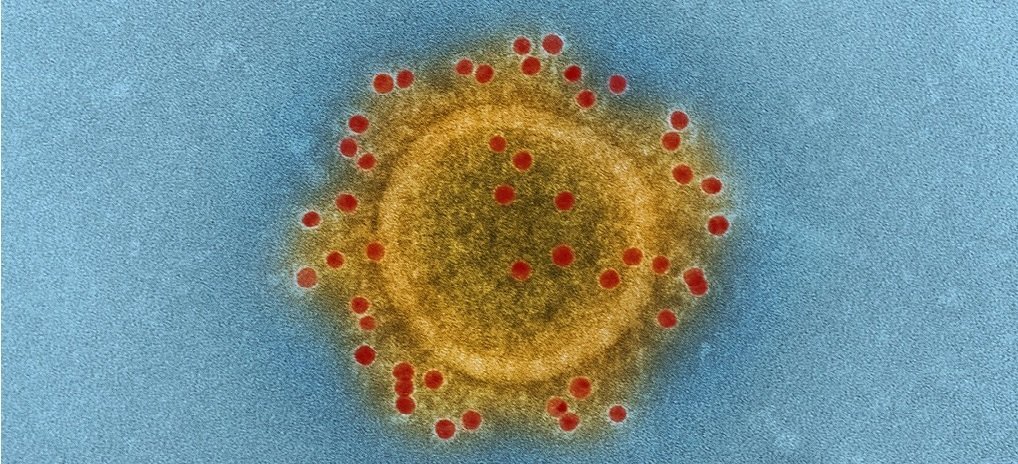
    The covid-19 virus that has gained popularity as the coronavirus has gone on to become a global pandemic from a local epidemic. The disease was reported first to be confined to the Chinese borders, but as we are living in the world of globalization, where international travels are more frequent than it used to be, it was predicted that there was a real chance of spread of the disease globally and that’s exactly what has happened.

    Many countries are taking drastic measures and even implementing a full lockdown to tackle the coronavirus pandemic. However, that won’t be enough. We are still lucky enough to have not contracted the disease, so we still have time to take some measures to prevent the spread of the disease to our household. Given below are some tips to manage the covid-19 virus.

    Manage your diet

    It’s not so much as diet management as much as its food hygiene. Just remember to take care before handling and consuming any kind of food and also make sure that the others serving you food are also following the proper hygiene standards. The covid-19 virus cannot survive at temperatures above 60°Celsius.  So thorough cooking is expected to kill the virus if any, in the food sample.

    Supportive medication

    There is not yet any exact medication or antidote for curing coronavirus, but the hospitals are offering some supportive medication to stabilize the patient’s condition. Some of them are:

    1. Fever reducing medication
    2. Supplementary oxygen for serious cases
    3. Preventing the risk of dehydration

    Take precautions

    As it’s pretty clear by now that the coronavirus effect can be very dangerous and there is no effective treatment right now, so we need to pull out all the stops to make sure that we don’t catch an infection.

    We can take some of the following precautions:

    • Always use a sanitizer before handling any kind of food or sensitive materials.
    • Wear a mask in public.
    • Avoid traveling to other places.
    • If you have symptoms of fever or a cold, then seek medical attention immediately.

  • Researchers Confident about Coronavirus Treatment

    Researchers Confident about Coronavirus Treatment

    Coronavirus is currently the biggest scare of the medical world and with its slow-spreading, it is affecting larger populations quickly. In some recent updates, it is clear that coronavirus is affecting middle eastern countries, south Asian countries, South Korea, and the USA. Though the spreading speed has slowed down a lot in the city of Wuhan, China; but it is still a major concern in parts of the globe. To control the spread people are told to stay alert, take precautionary measures and get medical help as soon as possible. However, medical centers are on the constant lookout for drugs that can help in tackling the covid-19 infection.

    Rescue for Coronavirus

    Gilead sciences have a hepatitis C drug that is FDA approved and has till now shown remarkable effects in treating and curing hepatitis C. It is a direct-acting antiviral drug and is composed of sofosbuvir and velpatasvir. In recent findings by the Columbian engineering researchers, it is quite clear that the Anti-HIV drugs can be effective in coronavirus infections as well. The reason behind this is the fact that both the viruses have a similar replication process, and thus if it is effective on the hep C virus then it can show similar results on covid-19 as well.

    How the drug works

    The drug effects on the viral replication of the Hep C virus by inhibiting the nucleotide polymerase which is responsible for genetic replication. Researchers are creating nucleotide analogues for stopping the polymerase, and sofosbuvir is a promising polymerase terminator. This can lead to terminated viral replication and thus can substantially decrease the viral infection in the body by reducing the number of viral particles. Researchers are quite confident that this drug can be effective, and thus is talking with NIH’s and CDC to take further steps. If the exclude turned out to be useful, then it can help largely in tackling the scary coronavirus.

  • An Effective Drug Combination to Treat Hepatitis C

    An Effective Drug Combination to Treat Hepatitis C

    Among many drugs that are manufactured, Gilead science’s harvoni has stood out as one of the most promising drugs to cope with hepatitis C. It is an FDA approved drug, and is a combination of sofosbuvir and ledipasvir in concentration of 400 and 90 mg. This drug is administered in adults and children above 12 years with hepatitis C infection and liver damage.

    What is harvoni?

    It is an antiviral drug that is effective in treating the viral infection caused by the hepatitis C virus. Hepatitis C virus attacks the liver cells and causes inflammation of the liver cells, which can further lead to liver infection, liver cirrhosis and liver cancer. With the daily administration of the harvoni, the viral replication can be stopped by both the drugs acting as an inhibitors of polymerases that are the main agent of genome replication. As the genome replication is prohibited, the viral particles cannot multiply and infect other cells, thus reducing the infection significantly over time.

    VELAKAST from Gandhi Medicos, effective for Hepatitis C, is a fixed-dose combination tablet containing sofosbuvir and velpatasvir for oral administration. Sofosbuvir is a nucleotide analog HCV NS5B polymerase inhibitor and velpatasvir is an NS5A inhibitor. Each tablet contains 400 mg sofosbuvir and 100 mg velpatasvir.

    Effective antiviral

    Harvonis is to date one of the most effective drugs, as it not only helps in treating the genotype 1 hepatitis C but also other viral genotypes of Hepatitis C, like genotype 4, 5, and 6. Harvoni has been used, researched and investigated on almost 2000 adults with hepatitis C whose livers were working fine, and the results were seen within 12 to 24 weeks. Almost 95 percent of the patients showed complete eradication of the virus within 12 weeks. It worked on people with compensated liver cirrhosis that is when the liver is scarred but is working fine, but stopped at around 24 weeks. It is also effective in decompensated liver cirrhosis (scarred liver and not working properly) and also in liver transplant cases. Also, harvoni has shown significant effects when administered for hepatitis C genotype 3 virus, but in that case, mostly it needs to be given with ribavirin as well.

  • How far Kaletra (lopinavir/ritonavir) Can Help to Treat HIV?

    How far Kaletra (lopinavir/ritonavir) Can Help to Treat HIV?

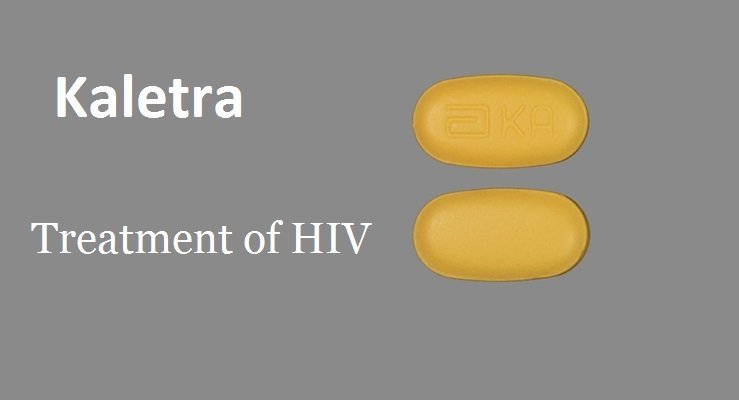
    Kaletra is a drug that was developed to treat HIV. The drug has been in circulation since 2000 since USFDA approval.

    Kaletra is the combination of the drugs Lopinavir and Norvir (Ritonavir) and is administered along with other antiretroviral drugs for the treatment of HIV.

    A healthy dose of Kaletra involves taking 2 doses at two times a day or consuming 4 at the same time in a day and it depends upon the drug resistance of the HIV patient.

    The drug can be administered to children above the age of 14 and also adults.

    HIV is a very serious condition and if the wrong medication is taken it could lead to many complications so make sure that you consult your health care professional before consuming Kaletra.

    Also, the drug doesn’t work well with other drugs and is known to have a series of side effects which can range from mild to severe to even some causing the death of the person.

    Some of the side effects of the drug include headache, abnormal bowel movement, weakness, nausea, vomiting, also diarrhea while the children can develop skin rashes.

    The drug can also cause problems for people who have pre-existing conditions such as liver, pancreatic or heart problems and they should only take the drug after consulting their doctor.

    It is also advisable that the drug should not be used by women who are pregnant or breastfeeding. And women who have HIV, even though they don’t take Kaletra should refrain from breastfeeding as they can pass the virus to the child through the process.

    The drug Kaletra has its uses in the treatment of HIV, but you should be very careful while using it due to its other implications.

  • Coronavirus: DGCI approves ‘restricted use’ of anti-HIV Drugs on nCoV Patients

    Coronavirus: DGCI approves ‘restricted use’ of anti-HIV Drugs on nCoV Patients

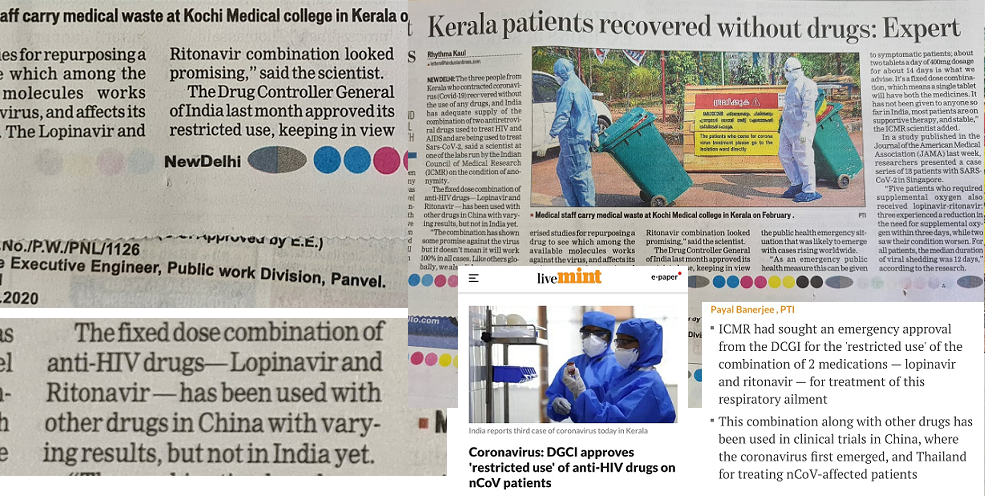
    ICMR (Indian Council of Medical Research) had sought an emergency approval from the DCGI (Drug Controller General of India) for the ‘restricted use’ of the combination of 2 medications — lopinavir and ritonavir — for treatment of this respiratory ailment

    This combination along with other drugs has been used in clinical trials in China, where the coronavirus first emerged, and Thailand for treating nCoV-affected patients

    The Drug Controller General of India has approved the “restricted use” of a combination of drugs used widely for controlling HIV infection in public health emergency for treating those affected by novel coronavirus (nCoV), official sources said on Wednesday.

    The three people from Kerala who contracted coronavirus (Covid-19) recovered without the use of any drugs, and India has adequate supply of the combination of two antiretroviral drugs used to treat HIV and AIDS and are being used to treat Sars-CoV-2, said a scientist at one of the labs run by the Indian Council of Medical Research (ICMR) on the condition of anonymity.

    The fixed dose combination of anti-HIV drugs— Lopinavir and Ritonavir — has been used with other drugs in China with varying results, but not in India yet.

    The Drug Controller General of India last month approved its restricted use, keeping in view the public health emergency situation that was likely to emerge with cases rising worldwide.

    “As an emergency public health measure this can be given to symptomatic patients; about two tablets a day of 400mg dosage for about 14 days is what we advise. It’s a fixed dose combination, which means a single tablet will have both the medicines. It has not been given to anyone so far in India, most patients are on supportive therapy, and stable,” the ICMR scientist added.

    “Five patients who required supplemental oxygen also received lopinavir-ritonavir: three experienced a reduction in the need for supplemental oxygen within three days, while two saw their condition worsen. For all patients, the median duration of viral shedding was 12 days,” according to the research.

    Source: https://www.hindustantimes.com/india-news/kerala-patients-recovered-without-drugs-expert/story-PwaCRdEXxx9YQyWEMRVvZO.html

    Source: https://www.livemint.com/news/india/coronavirus-dgci-approves-restricted-use-of-anti-hiv-drugs-on-ncov-patients-11580912411703.html

  • Symptoms and Diagnosis of the Coronavirus

    Symptoms and Diagnosis of the Coronavirus

    The coronavirus is presenting itself differently in different people. Some show very mild symptoms while others have very severe symptoms. There are those who have been gravely ill after contracting the diseases leading to death.

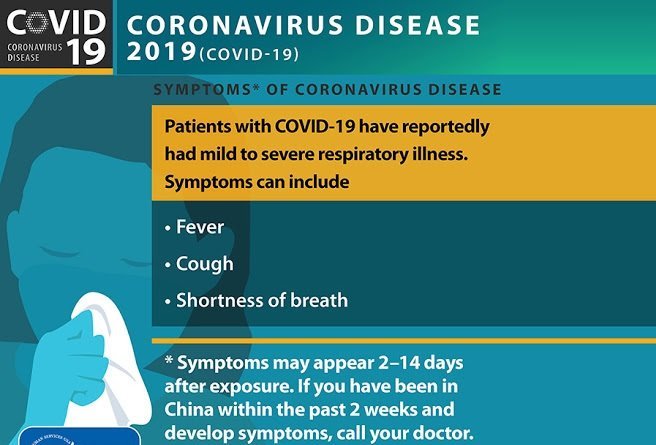
    The most common symptoms of the coronavirus include shortness of breath, cough, and fever. It is believed that the coronavirus symptoms can appear in 2 days or up to 14 days after exposure. This is based on the incubation periods of the past viruses.

    The incubation period of the virus is 2-14 days after exposure. This is similar to what was used to calculate the incubation period of the MERS virus.

    Other symptoms

    The coronavirus causes mild, moderate, or severe illnesses that affect the upper respiratory tract just like the cold. Other symptoms include feeing unwell in general, fever, sore throat, cough, headache, and a runny nose. Because the symptoms are so common, one needs not panic until a proper diagnosis has been made.

    Diagnosis

    Healthcare providers are responsible for making a diagnosis. Different laboratory tests have to be conducted on serum and other specimen as well. Lab testing is used especially when you have severe symptoms or are suspected to have the disease. So as to avoid further spread, everyone needs to act and seek medical attention if they have any of the symptoms and are connected to the coronavirus.

    Since the coronavirus outbreak is so serious, it helps to stay away from infected people and avoid any kind of physical contact with them to avoid cross contamination.

  • Some Common Questions About Coronavirus

    Some Common Questions About Coronavirus

    In the face of the coronavirus outbreak, people are asking many questions as they try to understand the disease. The information is helping people understand what is at stake and how they can stay safe and not contract the disease.

    Is it contagious?

    Research shows that the corona virus is a moderately infectious just like SARS and air transmission is possible. Without effective measures in terms of containment, more people can be infected.

    How far has it spread?

    The origin was China and many people are sick within the country and others have died. It has been reported in a couple dozen countries as well, mostly from people who have been to China recently.

    Should people be worried?

    Although it has been declared a health concern, the risk for those who are out of China is still quite low. Seasonal flu is a greater threat.

    Who is dealing with the containment of the virus?

    The WHO applauded China for the aggressive response witnessed once the virus was identified. They closed markets, schools, and transportation. The WHO is currently on the ground try to offer any assistance as they can.

    What about those travelling?

    Nations like Australia and United States are denying entry to any non-citizens who have been to China recently. This is temporary. There are also a great number of airlines that have completely canceled flights to China in an effort to contain the disease. If you are planning to travel to China, it is better to wait.

    How can one stay safe?

    Basic hygiene can go a long way. If you are feeling sick, stay home and seek medical assistance to avoid cross infections.

  • Is the Coronavirus Outbreak Considered a Pandemic?

    Is the Coronavirus Outbreak Considered a Pandemic?

    Coronavirus, just like many other viruses that hit the world before it is causing a lot of panic all over the world. New cases are being reported every day and in different parts of the world. While the new infections that have been reported outside China are from people who have been to mainland China, it is important to be cautious.

    The WHO was quick to issue a statement that it is still too early to tell whether the virus was abating or not, especially when there seemed to be less cases reported in mainland China. The death toll is now over 1300 people and this shows just how severe the outbreak really is. We are yet to see the full impact of the disease and what it will truly mean to the world at large.

    There is a worry that the disease could possibly become pandemic. However, the way things stand right now, it is still short of the definition of a pandemic by the WHO. This is usually defined as the worldwide spread of such a virus.

    25 countries outside China have so far confirmed coronavirus cases. However, this does not reach the 195 list that WHO recognizes. In addition, the cases have been reported, but the virus is not necessary spreading. Most of the infections occurred in China.

    Is there cause for panic?

    There is no need to panic, instead, precaution is advised. While the virus spread out of China is worrying many people, it is still too early to tell whether it will spread or not. The outbreak is now declared a public health emergency and the concern is international. However, there is still a great chance of stopping the disease from spreading any further with the available resources and technological advancement.

  • How Coronavirus is Spreading

    How Coronavirus is Spreading

    When a new disease is reported, people want to find out as much as they can about its origin and how it is spread. The coronavirus hit the world with a lot of shock and it has affected many since December last year. The disease is still claiming lives and new cases are being reported every day. It is for this reason that you see people living in high-risk areas, walking around with face masks and gloves to avoid getting into contact with infected people and surfaces. This in a way has lessened the spread of the disease.

    When we gauge how rapid the coronavirus has been spreading, we can conclude that person-to-person infections are to blame just like the case of the flu. One person can cough and then those moist droplets bearing the virus are released into the air. If another person breathes it in, then they could be infected as well.

    Coughing releases droplets around 3-6 feet from the patients. It is therefore very likely that the persons who are infected are the ones who are close to the patient at the moment. Such droplets can also land on other surfaces. When a person touches the surface, then touch their eyes or mouth, cross infection could happen.

    Viruses are not commonly spread through the air.  There are some cases, however, where the viruses are able to float for some time. These include viruses like chicken pox and measles.

    More modes of transmission are being evaluated, especially following the diagnosis of a woman within an apartment in Hong Kong who had an unsealed pipe in the home. Scientists are evaluating whether plumbing could be the culprit in this case. It is also not yet clear why some people are contagious than others.

  • Getting To Know More About Coronavirus Outbreak

    Getting To Know More About Coronavirus Outbreak

    The Wuhan coronavirus was unknown prior to its outbreak early this year. This is a respiratory illness that was first reported in China in Hubei province. The outbreak started sometime in December 2019 but the identification was done in January by the Chinese health officials.

    The covid-19, as it is referred to, causes respiratory infections with the severity of the symptoms differing from one person to the next. The disease can be mild in some cases, but there are many severe cases reported and over 1300 fatalities so far.

    The greatest number of those already infected are persons who have been to the city of Wuhan. This city has around 11 million inhabitants ad it is located in central China. The infection was linked to a seafood market in the city and this is what indicated that the origin was from animals.

    This disease is easily transmitted from one person to the next. Health professionals have also been infected and people who have had close contact with patients. More reports keep on streaming in from different cities in China and other countries outside China as well. The countries around China are being monitored closely as well.

    The WHO and the ECDC websites are making regular updates regarding the coronavirus as the news emerges. However, the information they are relying on is what the Chinese officials are giving. The outbreak has since been declared by the WHO as a public health emergency. This declaration was not intended to cause panic but rather to strengthen the efforts that nations were exerting to ensure that the disease stays contained and does not spread any further.