Category: Blog

  • Targeting Cancer – Affordable, Authentic Anticancer Medicines by Gandhi Medicos

    Targeting Cancer – Affordable, Authentic Anticancer Medicines by Gandhi Medicos

    Cancer is the leading cause of death worldwide and is on the rise globally, affecting a million lives every year. Malaysia no longer remains behind. The highest occurring cancers include breast cancer, colorectal cancer, and prostate cancer.

    Gandhi Medicos – Bridging Healthcare Gap

    Despite the availability of advanced treatments and innovative therapies, cancer treatment does not reach those in need due to the high treatment cost. Gandhi Medicos emerged as a beacon of hope, connecting affordability and accessibility, delivering authentic healthcare solutions worldwide.

    Globally shipping to 50+ countries, Gandhi Medicos is the leading global pharmaceutical supplier and wholesaler.

    Top Selling Oncology Medicines in Malaysia

    Abirakast (Abiraterone Acetate)

    It is an advanced treatment, inhibiting cancer at the source.

    Uses:

    • • Advanced Hormone-sensitive prostate cancer
    • • Castration-resistant prostate cancer (CRPC)

    Benefits:

    • • Potent androgen suppression
    • • Less toxic treatment
    • • Delays or eradicates the need for chemotherapy
    • • Delays disease progression

    It is available as Abirakast -250mg, Abirakast 500mg, and Abirapro:

    Lenvakast (Lenvatinib)

    Uses:

    Kidney cancer, Thyroid cancer, Liver cancer, Endometrial cancer

    Benefits:

    • • Improved progression-free survival
    • • Improved overall survival
    • • Well tolerated
    • • Synergistic effect with immunotherapy
    • • Effective against many cancers

    It is available as:

    Lenvakast 10mg, Lenvakast 4mg

    Indenza (Enzalutamide):

    The second-generation anti-androgen therapy offers advanced treatment for castration resistant prostate cancer.

    Uses:

    • • Castration-Resistant Prostate Cancer
    • • Metastatic Castration-Resistant Prostate Cancer
    • • Hormone-Sensitive Castration-Resistant Prostate Cancer

    Benefits:

    • • Selective blockade
    • • Complete antagonist effects
    • • Lower resistance
    • • No partial agonist effect
    • • Shuts down AR signaling entirely
    • • Prolongs survival
    • • Delays disease progression
    • • Improves quality of life
    • • Effective after hormone resistance

    Available as: Glenza 40mg, Indenza 40mg, Indenza 160mg

    Gandhi Medicos – The Leading Anticancer Medicine Supplier in Malaysia

    Gandhi Medicos, committed to fighting back cancer globally, offers a global range of premium-quality anticancer medicines. The advanced care treatments, the leading global brands, and the generics.

    Renowned for its authenticity, Gandhi Medicos is trusted by patients and oncologists worldwide.

    • • 400+ leading brands
    • • 300+ generic alternatives
    • • Original medicines
    • • Assured quality and safety
    • • Global shipping
    • • Temperature-controlled delivery
    • • Available in 50+ countries
    • • 25,000+ satisfied clients

    Affordable, Authentic Anticancer Medicines Are Just a Call Away—serving patients, hospitals, doctors, and oncology care settings all across Malaysia.

    Visit: www.gandhimedicos.com

    Your Trusted Healthcare Partner—Globally
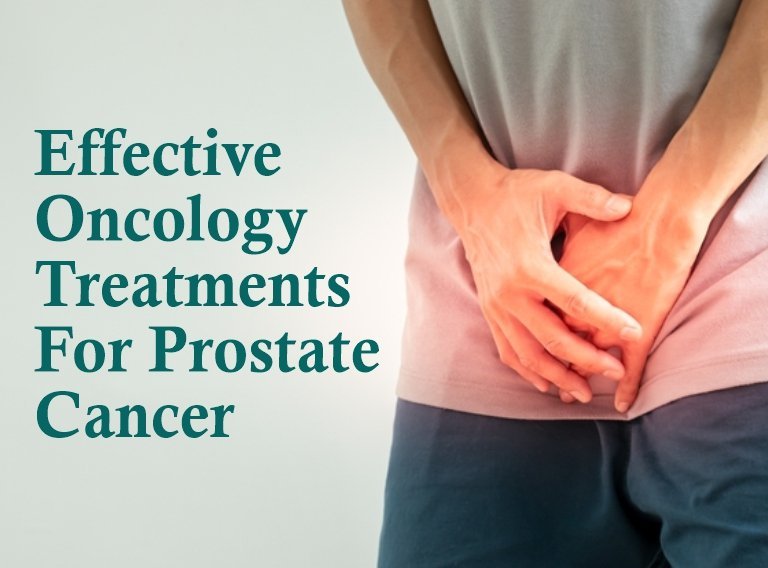
  • Effective Oncology Treatments for Prostate Cancer?

    Effective Oncology Treatments for Prostate Cancer?

    Prostate cancer is very common and raises a serious concern about its management and treatment.

    1 out of 6 men is likely to develop prostate cancer, making routine checkups and timely treatments important.

    Prostate Cancer?

    Prostate cancer occurs in the prostate gland. The prostate gland lies below the urinary bladder.

    Types of Prostate Cancer

    • • Adenocarcinoma – It is the most common form, 95 percent of prostate cancers arise from the cells of the gland that secrete prostate fluid.
    • • Less Common Types – Urothelial carcinoma, Neuroendocrine carcinoma, Sarcomas

    Symptoms of Prostate Cancer

    • • Changes in Urination- Difficulty peeing, frequent urination (nocturia), burning sensation, incomplete urination, and blood in the urine.
    • • Sexual Dysfunction – Pain during ejaculation, difficulty in erection, blood during discharge
    • • Advanced-stage Cancer – Pain in the hips, bones, and swelling of legs–feet, weight loss, extreme tiredness.

    Risk factors for prostate cancer

    • • Age – The risk of prostate cancer increases with age; those above 50 years are more likely to develop prostate enlargement.
    • • Family History – Having a family history increases the risk of prostate cancer by 3 percent.
    • • Genetics – Genetic mutations
    • • Lifestyle Factors – Drug abuse, excessive weight, and sexually transmitted diseases.
    • • Prostatitis – Inflammation caused due to infections (bacterial, viral)

    Stepwise Progression of Prostate Cancer

    • • Local Spread – It spreads into neighboring tissue and vesicles.
    • • Lymphatic system – It spreads to the pelvic and abdominal lymph nodes.
    • • Spread through the blood – To the bones, spine, hip, and ribs.
    • • Advanced stage – Spreading to other organs, lungs, liver, etc.

    Grades of Prostate Cancer

    It is called the Gleason score, determined by changes in cell size and shape.

    • • Grade Group 1 (Gleason Score 6) – The cells look normal and can remain silent for years.
    • • Grade Group 2–3 (Gleason Score 7) – Moderate changes in cancer cells, the cancer is likely to spread, but it has not metastasized to various organs.
    • • Grade Group 4–5 (Gleason score 8) – The cancer cell is highly abnormal, indicating an aggressive form of cancer, and has spread to different parts of the body, lungs, liver, or bones.

    Detection of prostate cancer

    • • Digital rectal exam
    • • PSA blood test
    • • MRI and ultrasound
    • • Biopsy

    Treatment and Management of Prostate Cancer

    Active Surveillance and Testing

    Grade group 1 cancer is manageable through active surveillance, does not require immediate treatment.

    Tracking cancer growth and determining the signs of progression.

    What are the Oncology Medicines for Prostate Cancer?

    • • Hormone Therapy Medicines: Lowers the androgen levels, testosterone levels, causing cancer cells to starve.  Abirakast ( Abiraterone ), Indenza (Enzalutamide)
    • • Chemotherapy Medicines: It destroys the cancer cells, shrinks tumors, and prevents recurrence.
    • Docetaxel (Docekast), Cabazitaxel.
    • • Immune-Therapy: Increase immune system activity.
    • PD-1 inhibitors, checkpoint inhibitors
    • • Targeted Therapy: Acts targeting cancer cells without causing harm to the normal cells, offering fewer side effects.
    • PARP inhibitors – Olabir

    Other Treatments

    • • Surgery
    • • Prostatectomy: Removal of the prostate gland through open surgery or robotic surgery.
    • • Radiation Therapy: Various types of external radiation are targeted at cancer cells.
    • • Focus Therapy: It is used to target cancer cells through light beams, ultrasound waves, and freezing techniques.
    • • Radiation Therapy: External radiation
    • • Focus Therapy: Light beams, ultrasound, freezing

    Affordable Oncology Medicines for Prostate Cancer at Gandhi Medicos

    Understanding the critical need for affordability and original quality, Gandhi Medicos offers the widest range of oncology medicines that are affordable and of assured quality and efficacy.

    • ✔ Original certified quality
    • ✔ Trusted by doctors globally

    Hope Starts with the Right Treatment

    Prostate cancer can be easily managed and treated if detected early, leaving people with cancer-free lives for years.

    Grade 1 cancer is a slow-growing cancer and is 100 percent treatable through close monitoring and the right treatment.

    Gandhi Medicos stands with you—bringing excellence within reach.
    Fighting Prostate Cancer with Affordable Excellence.

  • Know Early, Act Fast- Breast Cancer

    Know Early, Act Fast- Breast Cancer

    Breast cancer is not always the same for all; everybody experiences it differently. It’s not always one size fits all.

    What is breast cancer?

    Breast cancer is a cancer of the breast cells, which appears in the form of a lump or without a lump.
    It starts mainly in the milk ducts or the milk-producing lobules.

    Types of breast cancer

    Non-invasive forms

    These are the localized forms of breast cancer that remain confined to milk ducts or glands.

    • • Lobular carcinoma is a non-invasive form of cancer that has not spread. It is found in the milk glands.
    • • In situ Ductal carcinoma – the cancer formed in the milk ducts.

    Invasive Forms of Breast Cancer-

    It is a form of breast cancer that has spread to the neighboring tissues or glands.

    • • Ductal Carcinoma—The cancer of the milk ducts and spreads into the nearby tissues.
    • • Invasive lobular carcinoma—The cancer of the lobules that has spread to other parts.
    • • Inflammatory Cancer—Redness and swelling in the skin of the breasts caused by inflammation.
    • • Triple-negative breast cancer – The cancer that does not grow in response to hormones.
    • • Hormone receptor-positive breast cancer – The cancer grows in response to hormones.
    • • Stage 4 breast cancer – The cancer has spread to distinct organs.

    Causes of Breast Cancer

    • • Genetic mutations – when the mutations are inherited through the family (BRCA-1 and BRCA-2).
    • • Hormonal factors – early menopause and menarche
    • • Fertility factors – people with late childbirth or no child, and excessive use of oral contraceptives.
    • • Lifestyle shifts – alcohol, smoking, less physical activity, and obesity.
    • • Age – postmenopausal women who are 50 years of age or above.

    Symptoms of breast cancer

    • • A lump or mass inside or around the breasts
    • • Change in size or shape
    • • Thickening inside breast or underarm during cycle
    • • White discharge from the nipple
    • • Hardened skin around breasts
    • • Changes in color, size, shape of nipples

    Stages of Breast Cancer

    • • Stage 0- the cancer is at its initial stage, the abnormal cells have not spread.
    • • Stage 1-Localized cancer in the ducts or gland that has not spread to other parts beyond the breast.
    • • Stage 2-the cancer that is spreading inside the breast tissues.
    • • Stage 3-the cancer has spread to different lymph nodes, chest, and skin.
    • • Stage 4-The cancer has reached the last stage and has spread extensively.

    Breast Cancer Treatment

    • • Surgery – It is the process to remove a breast tumor or the entire breast.
    • • Chemotherapy- the drug therapy, various causative drugs that kill cancer cells.
    • • Radiation therapy- various radiation to kill the cancer cells.
    • • Hormone therapy is used for hormone-sensitive cancer.
    • • Immune therapy – improves the immune system against cancer.
    • • Targeted therapy – it attacks cancer cells.

    Gandhi Medicos Stands with Every Fighter

    Every Journey is unique – Through affordable, high-quality medicines and global reach, Gandhi Medicos empowers every individual in their fight against breast cancer.

    Gandhi Medicos – Your Reliable Partner for Authentic Anticancer Medicines

    • ✔ Certified Quality – WHO-GMP / EU-GMP approved products
    • ✔ Authenticity Guaranteed – Verified packaging, batch number & expiry
    • ✔ Global Reach – Supplying to 50+ countries and 800+ cities
    • ✔ Vast Portfolio – 3,000+ products including trusted brands & generics
    • ✔ Safe Delivery – Timely, temperature-controlled logistics
    • ✔ Customer Confidence – 25,000+ satisfied clients, backed by expert support

    Timely Awareness Saves Lives. Trust Gandhi Medicos for Trusted Cancer Care.

  • Chemotherapy Benefits, Side Effects, and Management

    Chemotherapy Benefits, Side Effects, and Management

    Chemotherapy remains the cornerstone of cancer treatment, used alone or in combination with other chemotherapeutic agents. It renders cancer-free survival and long-term cancer control.

    What is Chemotherapy?

    Chemotherapy drugs are highly caustic, used to kill cancer cells. Other than cancer, it is used to treat an overactive immune system and bone marrow diseases.

    The Use of Chemotherapy in Cancer

    • • It shrinks existing tumors.
    • • It kills the rapidly dividing cancer cells.
    • • Slow down cancer progression.
    • • It is done before the surgery to reduce the tumor size.
    • • Done after surgery, it kills the remaining cancer cells.

    Benefits of Chemotherapy

    • • Kills cancer cells
    • • Reduces the chances of cancer recurrence
    • • Relieves cancer symptoms
    • • Inhibits the spread of cancer to other organs or body parts
    • • Improves survival

    Pros and Cons of Chemotherapy

    Positive Effect: It stops the rapid division of the cancer cells.

    Negative Effect: Chemotherapy targets all cells, even harming the healthy ones.

    Common Side Effects of Chemotherapy

    • • GIT upset—nausea, vomiting, diarrhea or constipation, reduced appetite
    • • Skin rashes and Changes in nail
    • • Hair loss
    • • Weakness
    • • Mouth ulcers – difficulty in swallowing
    • • Low platelet count – Risk of bleeding
    • • Low white blood cells – Infection risk
    • • Tingling sensation, numbness, and pain in hands and feet due to nerve damage

    Severe Side Effects of Chemotherapy

    • • Blood clot – shortness of breath, swelling, redness, and pain in limbs
    • • Liver and kidney dysfunctions – jaundice, changes in urine output
    • • Neurological side effects – confusion, seizures, changes in vision
    • • Heart problems – palpitations, chest pain

    Management

    • • Medicines for symptomatic relief
    • • Anti-nausea medicines for nausea and vomiting
    • • Eat bland, simple food, and avoid oily foods
    • • Stay hydrated, take plenty of clear fluids
    • • Prioritize a balanced diet
    • • Regular exercise and rest
    • • Use gentle, mild shampoos for hair wash
    • • Soft hats and scarves
    • • Maintain good hygiene
    • • Avoid crowding and infectious places
    • • Wear gloves or socks and do physical therapy for neuropathy
    • • In any severe condition, report to the doctor

    Final Thought

    Chemotherapy is a powerful drug treatment, potentially killing cancer and significantly improving survival.

    However, it causes side effects, but with effective strategies, side effects are manageable and reduced to a great extent.

    Gandhi Medicos: Here for You, Every Step of the Way

    Gandhi Medicos your trusted chemists, supports anticancer treatment by providing affordable access to cancer medicines.

    • • Authentic and original medicines
    • • WHO-GMP certified
    • • Assured safety and efficacy
    • • Global shipping – 50+ countries

    Cancer is a challenging battle, but the right treatment and support can help you fight.

    📞 Need expert help with chemotherapy medicines?
    Contact Gandhi Medicos—because you deserve care you can trust.

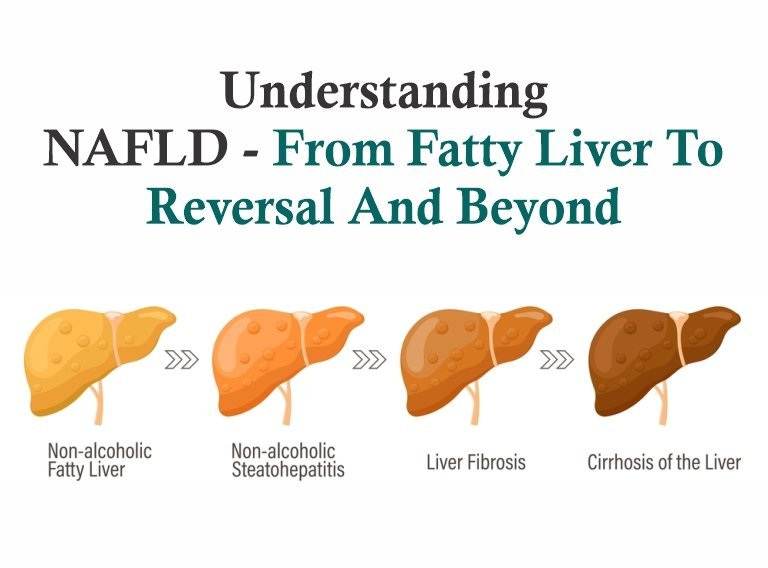
  • Understanding NAFLD – From Fatty Liver to Reversal and Beyond

    Understanding NAFLD – From Fatty Liver to Reversal and Beyond

    Nonalcoholic fatty liver is a liver disorder affecting millions, without any alcohol abuse, even affecting children.

    More than 50 percent of the children are diagnosed with fatty liver. The reasons include changes in living habits – inactive lifestyle, poor dietary choices, reliance on ultra-processed food, and excess sugars.

    NAFLD?

    When an excessive amount of fat deposits in the liver, without alcohol-induced fat deposition. It occurs in people who do not consume alcohol or take minimal alcohol. The underlying reasons include obesity, excessive weight, diabetes, and other metabolic disorders.

    Types of NAFLD

    • • Non Alcoholic Fatty Liver – It is less severe, and the fat deposition has not caused inflammation or damage to the liver. It is just the start when fat accumulates in the liver.
    • • Metabolic Steatohepatitis or NASH – When fat accumulates in the liver, it causes inflammation and starts damaging the hepatic cells causing scarring, fibrosis and cirrhosis.

    Alcoholic Fatty Liver?

    It is a condition when excess fat accumulates in the liver due to overconsumption of alcohol.

    Symptoms of NAFLD

    NAFLD shows no symptoms at the early stages, however, it is detected through mildly elevated liver enzymes.

    Early Symptoms –

    • • Weakness
    • • Not well

    Symptoms of Disease Progression –

    • • Itchy skin
    • • Yellowing of skin, urine, and jaundice
    • • Swelling of the legs and stomach
    • • Increased size of the spleen
    • • Spider-like blood vessels are visible over the skin
    • • Red palms

    How NAFLD Progresses to Liver Cancer?

    • • NAFLD progresses to steatohepatitis (NASH).
    • • The cells are inflamed.
    • • The cells start to be damaged.

    NASH to Liver Fibrosis

    The inflammation causes fibrosis, scarring of the liver tissue, replacing healthy cells.

    In the process of repairing itself liver produces excess collagen, causing more inflammation and an enlarged scar.

    It is a reversible condition.

    From Fibrosis to Cirrhosis

    The scar grows in size, replacing the healthy liver tissues and cells.

    The liver tissue becomes stiff, losing its functionality.

    Cirrhosis is an irreversible condition.

    Carcinoma of the Hepatic Cells

    Persistent inflammation causes DNA damage, leading to genetic mutations and malignant transformations, causing cancer.

    The factors that risk NAFLD Progression

    • • Insulin Resistance – The imbalance in glucose metabolism, the liver producing excess glucose and also starts storing more fat, causing fatty liver.
    • • Excessive weight/obesity – Excessive fat travels to the liver, causing fat buildup and steatosis.
    • • High Cholesterol levels – High bad cholesterol and lipids promote fat storage in the liver, and also cause oxidative stress.
    • • Hyperglycemia – The higher unmetabolised sugar gets converted to fat and is stored in the liver, causing inflammation and scarring.

    Is NAFLD Reversible?

    The liver is a regenerating organ, and it regenerates after a short-term disease, but prolonged disease leads to chronic issues. NAFLD is reversible at the initial stages and is highly curable.

    Treatment for NAFLD

    • • Maintaining a Healthy Weight – Even a 3 to 5 percent weight reduction results in a 20-30 percent of liver fat.
    • • Healthy Diet – Limit the intake of high-fat foods, eat vegetables, fruits, and whole grains.
    • • Restrict Sugar Consumption – Sugars directly convert to fat, limit sugar intake.
    • • Exercise – Exercise reduces weight, reduces fat, maintains sugars, and boosts metabolism.

    Gandhi Medicos – The Super Specialty Pharmacy

    Gandhi Medicos offers an affordable range of life-saving medicines and specialty care medicines like Anticancer, HIV, liver medicines, and Hepatitis.

    • • The largest supplier worldwide – Leading hospitals, clinics
    • • 100% Authentic Medicines
    • • WHO-GMP Certified Facilities

    Global Reach – Delivering anticancer medicines to CIS, Africa, and South America & Southeast Asia.

  • How Does Obesity Feed Cancer?

    How Does Obesity Feed Cancer?

    Obesity is often underestimated, merely linked to body weight or metabolic conditions like diabetes, heart complications. But it extends beyond, it is linked to an increased cancer risk.

    What is Obesity?

    It is the excessive fat that exceeds the normal body mass index (30 or above). It occurs due to several factors – poor diet, loss of physical activity, and stress.

    Health risk due to obesity?

    Obesity is a gateway to serious health complications –

    • • Diabetes – type 2
    • • Heart diseases
    • • Osteoarthritis
    • • Nephrology diseases
    • • Hypertension
    • • Liver diseases—fatty liver
    • • Respiratory diseases
    • • Cancer

    Various Cancers Linked to Obesity

    Obesity increases the risk of developing certain types of cancers—

    • • Kidney cancer
    • • Liver cancer
    • • Pancreatic cancer
    • • Colon cancer
    • • Rectum cancer
    • • Prostate cancer
    • • Breast cancer
    • • Uterine cancer

    The link between obesity and cancer

    • Chronic inflammation – The long-term inflammation due to excessive fat damages DNA, causing mutations and cancer.
    • Reduces immune functions – obesity inhibits the T cell activity of the immune cells, significantly increasing the risk of chronic infections and mutagens.
    • Altered metabolism – Increased glucose levels and acidic environment in the body create a favorable environment for cancer growth and proliferation.
    • Oxidative stress – the increase in oxidative stress on cells causes the generation of free radicals, which can mutate the DNA of the cells.
    • Hormonal imbalances – The fluctuation in endocrine hormones causes overexpression of hormone receptors.

    Visceral fat – the hidden danger

    The fat of the internal organs poses a significant risk, as fat cells (adipocytes) produce adipokines that directly promote cancer cell growth and proliferation. These signals also fuel inflammation and other hormonal imbalances.

    Lowering weight lowers the risk of cancer

    Lowering a nominal weight exponentially lowers the risk of cancer –

    • • Reduces inflammation
    • • Balances hormones
    • • Regulate sugar levels
    • • Improves immune sensitivity

    Preventive measures to reduce obesity

    • • Healthy eating
    • • Regular exercise
    • • Limiting alcohol and tobacco
    • • Regular health screenings

    Partner in Healthcare Access

    Gandhi Medicos stands at the forefront, offering authentic, original, world-class anticancer medicines and weight loss treatments.

    Gandhi Medicos – Your trusted chemist in cancer care.
    Delivering hope, delivering health.

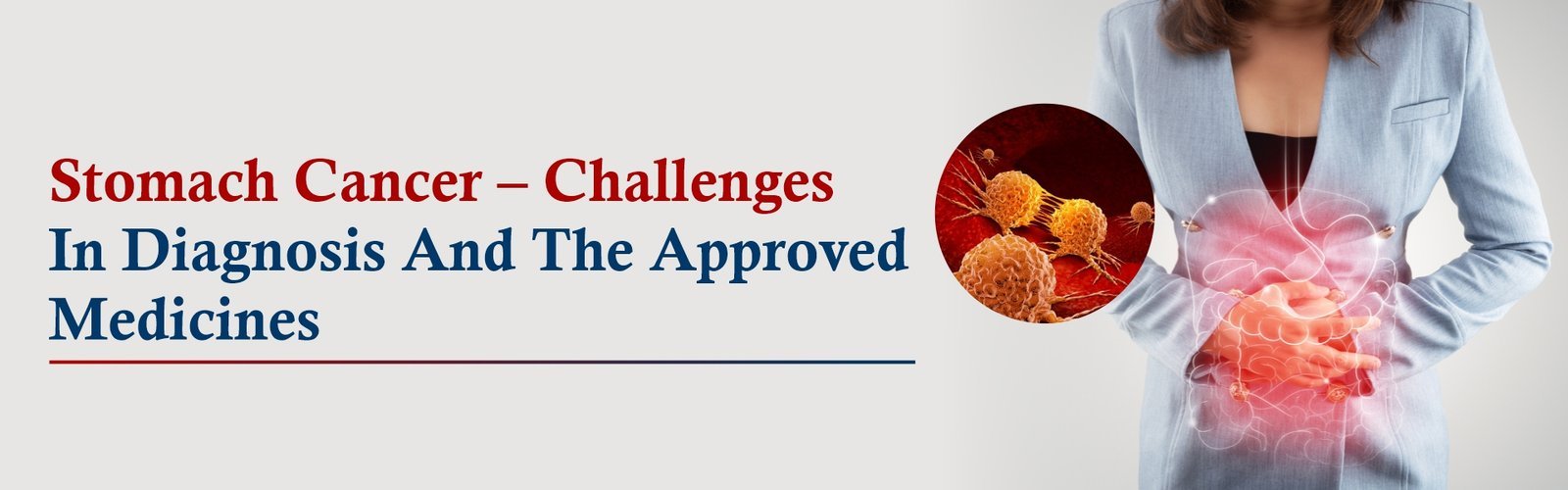
  • Stomach Cancer – Challenges in Diagnosis and the Approved Medicines

    Stomach Cancer – Challenges in Diagnosis and the Approved Medicines

    Stomach cancer often remains hidden for years. With the changing lifestyle, eating habits, and ultra-processed food, the risk of developing stomach cancer doesn’t even spare the young.

    Stomach cancer is the 3rd most common cancer and the leading cause of death.

    The Challenges in Diagnosis

    • • The early symptoms remain silent and are highly difficult to recognize.
    • • Non-specific symptoms
    • • Symptoms overlapping with other conditions
    • • Often called upon due to ageing

    What is Stomach Cancer?

    Stomach cancer is a type of gastric cancer that begins in the lining of the stomach due to prolonged exposure of the inner lining to cancer precursors. 95 percent of stomach cancer starts in the stomach lining and progresses slowly.

    Types of Stomach Cancer

    • • Adenocarcinoma – Cancer of the stomach lining, the mucosal layer.
    • • Gastrointestinal Stromal Tumors – Cancer caused in the muscle or connective tissue of the stomach wall.
    • • Lymphoma – Cancer of the immune cells of the stomach.
    • • Carcinoid tumors – Cancer of the hormone cells of the stomach.
    • • Squamous cell cancer – Cancer in the cells of the stomach wall.
    • • Small cell cancer – A cancerous tumor that develops in conjunction with other tumors due to metastasis.

    Risk Factors of Stomach Cancer

    • • Age and sex – stomach cancer usually occurs in men, aged above 65 years.
    • • Diet and lifestyle – ultra-processed food, poor diet, drug abuse, obesity.
    • • H. pylori infection
    • • Family history of stomach cancer
    • • Long-term inflammation – gastritis
    • • Untreated stomach ulcers, polyps
    • • Exposure to substances like coal, metals, and rubber
    • • Several genetic conditions
    • • Autoimmune gastritis

    Symptoms of Stomach Cancer

    • • Unusual weight loss
    • • Trouble swallowing
    • • Tiredness
    • • GIT upset
    • • Dark stool
    • • Blood in vomiting
    • • Loss of appetite
    • • The stomach feels full after a small meal.
    • • Stomach pain in the upper abdomen

    Treatment & Medicines for Stomach Cancer

    Surgery

    • • Removing the tumor
    • • Partially removing the part of the stomach
    • • Removal of the entire stomach

    Chemotherapy

    Used before and after surgery to kill cancer cells and shrink the tumor, or when surgery is not possible.

    • • Cycokast – Cisplatin
    • • Carbokast – Carboplatin
    • • Docekast – Docetaxel
    • • Oxazer – Oxaliplatin

    Treatment by Radiation

    The beam of radiation is used to shrink the tumor. Gama rays, X-rays, or high-intensity photons.

    Targeted Therapy

    Includes drugs that directly target the cancer cells without harming healthy cells, offering fewer side effects.

    Immune-Therapy

    To boost the immune system and its functioning.

    Supportive Care

    To relieve the symptoms or the after-effects of cancer therapy. Example- anti-vomiting drugs, fever drugs, and pain killers.

    Affordable Oncology Medicines – Available at Gandhi Medicos

    Gandhi Medicos, recognizing the need for critical care, is a Super Pharmacy providing authentic anticancer medicines worldwide.

    • • 100 percent original medicines
    • • WHO-GMP certified
    • • Unparalleled Range
    • • Global shipping to 50+ countries

    Gandhi Medicos – A Name in Quality Pharmaceuticals

  • Who is at Risk of the new COVID-19 virus in 2025?

    Who is at Risk of the new COVID-19 virus in 2025?

    Gandhi Medicos – Your Trusted Healthcare Partner

    The rising number of coronavirus cases increases global concern.

    The new strain, NB.1.8.1, of the COVID-19 variant marks its activity in three major regions: the Western Pacific, Southeast Asia, and the Eastern Mediterranean regions.

    This virus is believed to be highly contagious, spreading rapidly.

    Gandhi Medicos, understanding the critical need, timely deliver the essential medicines, antivirals, and respiratory medicines.

    However, there is a crucial need to know the risk-bearing factors to prevent serious illness and to stop it from becoming a pandemic.

    Older Age People (65 and above)

    The majority of the people were above 65 years of age that suffered serious complications in COVID-19.

    The risk of death and severity of illness, hospitalization is much higher in the elderly (65+) compared to the young (28–40).

    Underlying Health Conditions

    People with certain medical conditions are at risk of severe complications.

    Respiratory insufficiencies – People suffering from asthma, pulmonary fibrosis, and COPD experience respiratory distress, worsening respiratory failure.

    Cardiac Diseases – Covid-19 strain causes blood clotting, inflammation, and reduces oxygen supply, thus precipitating heart attacks, arrhythmias.

    Chronic Liver or Kidney Diseases— Conditions like cirrhosis or end-stage renal disease lead to inflammation, causing stress on organs.

    Metabolic Disorders – Obesity and diabetes, the COVID-19 strain destabilizes sugar levels, and excess inflammation in obese people promotes thrombotic and embolic events.

    Immunocompromised Individuals – Conditions like HIV, Cancer, and AIDS already have a weakened immune system, causing rapid spread of the virus and higher viral loads, secondary infections, and severe illness.

    Children and Infants

    Infants below six months have low immunity, are prone to severe infection.

    The children have small airway passages, if constricted, may increase complications in asthmatics or other respiratory diseases.

    A rare severe condition called multisystem inflammatory syndrome occurs in children after 2–4 weeks of coronavirus infection, causing inflammation in multiple organs like the heart, lungs, and kidneys.

    Pregnant Women

    Changes in metabolic functions cause alterations in the immune system and respiratory responses, increasing vulnerability to catching infections.

    Healthcare Workers and Caregivers

    This group of people is vulnerable to infection due to their close contact and direct exposure to the virus.

    Living in Crowded and Poorly Ventilated Places

    Like shelter homes, hostels, prisons, and other crowded living spaces with limited airflow increase the risk of transmission.

    Preventive Measures

    • • Hygiene practices – use sanitizer, wash hands
    • • Avoid crowded gatherings
    • • Always use a mask while moving out
    • • Monitor symptoms

    Gandhi Medicos Stands at the Forefront in the COVID-19 Pandemic

    As the world continues to navigate the new COVID-19 strain and the shifting demand for medicines.
    Gandhi Medicos remains committed to safeguarding lives through timely access to essential life–saving medicines worldwide.

    • • Certified Original Medicines
    • • Timely Delivery
    • • Global Supply to 50+ Countries
  • Things You Need to Know About Changing Climates Fueling the Spread of Viral Infections

    Things You Need to Know About Changing Climates Fueling the Spread of Viral Infections

    The dramatic climatic changes are happening too quickly for humans and animals to adapt.
    The deadly diseases are spiking because of shifting climates.
    A significant shift is seen in the organism habitat, vector life cycle, and transmission patterns due to global warming and unexpectedly extended temperatures.

    The Rapid Rise in Viral Diseases

    58% of the deadly diseases are aggravated by climate change, expanding to geographic areas where it was not previously viable or existed.

    The rapid spread of diseases –influenza, hepatitis, Dengue, Zika virus, chickenpox, due to increased floods, heat waves, and droughts.

    Global Warming isn’t Just Melting Glaciers — It’s Reshaping Global Health

    • • Shift in habitats – Many disease-causing vectors shifted to regions that were sometimes very cold for them to survive; now the raised temperatures enable them to build a habitat in warmer regions.
    • • Extended vector life-cycles –The warmer temperatures are shortening the life cycle of many disease-causing organisms to multiply and spread faster.
      The longer seasons increase the risk of vector-borne diseases.
    • • Changing viral behaviors –An extended season increases the transmission rate, viral survival rates, and the incubation periods.

    Understanding Viral Chronology: How Infections Take Over

    The viruses keep on changing their structures, mimic DNA, and develop new hooks to bind human cells and proteins; they copy genotypes and invade human metabolism and use it for viral multiplication and replication.

    The virus gets into the body through air droplets, sneezing, cuts and bruises, and infected food.

    It escapes the body’s immune system due to its evolving nature and remains silent, ultimately invading the immune system.

    It hijacks the cell metabolism process and rapidly multiplies into huge numbers, affecting the entire body’s functioning.

    Types of Viral Infections

    • • Respiratory Infections– Common cold, influenza, COVID
    • • Viral infections of the digestive system- Stomach flu, Hepatitis affecting the liver
    • • Sexually transmitted viruses– HIV, Hepatitis
    • • Exanthemata’s infections– Skin blisters, rashes, or bumps.
      Measles , Chicken pox, Rubella
    • • Neurological viral infections – Meningitis, encephalitis
    • • Genital Viral infections – Rubella, Zika

    Indications of Viral Infections

    • • Fever
    • • Headache
    • • Fatigue
    • • Flulike symptoms
    • • Respiratory effects – sneezing, sore throat, cough
    • • Digestive issues – nausea, vomiting, diarrhea
    • • Blisters, Skin – rashes, warts, and sores

    Viral Infections Spread By

    • • Air droplets through coughing, sneezing
    • • Contaminated food
    • • Contaminated water
    • • Unprotected sex
    • • Through a bite of an infected mosquito or insect
    • • Through surfaces contaminated by the virus

    Treatments for Viral Infections

    The treatment for viral infections depends upon the type of infection, severity of the infection, and includes:

    • • Antiviral medications –The treatment for viral infections depends upon the type of infection, severity of the infection, and includes
    • • Influenza –Influenza – zanamivir (Relenza)
    • • Hepatitis B –Hepatitis B- Entekor (Entecavir )
    • • Hepatitis C –Hepatitis C- Sofokast Plus (Daclatasvir and Sofosbuvir )
    • • HIV –HIV – Lamipure-15(Lamivudine)

    Convalescent Plasma Therapy

    The blood transfusion from a person that have built antibodies due to prior exposure to the disease and has recovered.

    Prophylaxis Treatment

    The post-exposure treatment is a short-term antiviral course after exposure to a life-threatening virus.

    • • 72 hours
    • • 28-day regimen

    It’s crucial to understand the spike in viral diseases due to inevitable climatic changes and the proactive measures and treatment regimens to prevent viral exacerbations.

  • The Under-Estimated Liver Health

    The Under-Estimated Liver Health

    Liver disease accounts for more than a million deaths annually (Cirrhosis, viral hepatitis and liver cancer).

    Often, the symptoms have been ignored, or delayed diagnosis causes casualties.

    The liver filters toxins out of the body, any disorder may lead to toxin accumulation making it vulnerable to many diseases.

    These can be temporary or long-term, giving rise to a chronic condition.

    The temporary condition is often reversible, since liver has regenerative power to cure.

    However, when the toxins get accumulated, viral infections or certain metabolic conditions give rise to chronic issue and can cause irreversible damage.

    The Stages of Liver Disease-

    1. Inflammation

    It is the primary condition of the liver disorder, the start of the disease. Caused due to injury, toxins or a virus.
    Its asymptomatic condition often remains undetected.

    Hepatitis is the inflammation of the liver.

    Hepatitis can be both viral and non-viral.

    Viral Hepatitis – caused due to viral infection.

    It consist of Hepatitis A, B, C.

    Non-viral Hepatitis – It can be caused by:

    • • Alcohol consumption
    • • Drug induced
    • • Autoimmune disease, or
    • • Fatty liver

    Symptoms for Liver Inflammation

    • • Yellowing of the skin or eyes
    • • Belly pain and discomfort in the upper right abdomen.
    • • Fluid retention and swelling in the legs and ankles.
    • • Fatigue
    • • Nausea, vomiting
    • • Gastrointestinal troubles
    • • loss of appetite

    2. Fibrosis

    Prolonged inflammation causes liver scarring, stiffens the liver tissue .The thicken liver tissue unable the blood vessels to exchange oxygen or get enough nutrient supply.
    The scar causes blockade in the bile duct.
    The blockade of the blood supply to the liver causes portal hypertension.
    Fibrosis if identified initially can be promptly treated but prolonged scarring causes liver cells to die.

    Causes of Fibrosis –

    • Alcohol consumption – inflammation or injury caused due to excess alcohol intake.
    • Viral hepatitis C – Caused by viral infections.
    • Metabolic dysfunction – Non Alcoholic Fatty liver caused due to obesity, underline medical condition – diabetes, high cholesterol levels.

    Symptoms – Fibrosis does not show specific symptoms; however, the prolonged symptoms of inflammation in the liver indicates fibrosis.

    3. Cirrhosis – The scarred liver tissue replaces all healthy cells.

    It is the scarring of the liver tissues, replacing the healthy liver cells. Cirrhosis remains undiagnosed in early stages.

    Symptoms at later stages,

    • • Bleeding, bruising.
    • • Itchy skin
    • • Changes in the finger shape and white nails.
    • • Jaundice
    • • Dark stools
    • • Confusion
    • • Swollen legs and abdomen
    • • Portal hypertension – the complete scarring of the liver obstructs the blood flow in the portal vein causing to elevate blood pressure.

    4. Liver Failure

    Prolonged chronic inflammation leads to liver failure.

    Multiple conditions co-exist—

    • • Fluid accumulation in the abdomen,
    • • Kidney impairment
    • • Internal bleeding
    • • Confusion due to impaired blood filtration.

    Conclusion

    Maintaining a healthy lifestyle and timely diagnosis can curb the liver disease burden and mortality.