Category: Anti Cancer

  • Causes and Treatment of Gastrointestinal Stromal Tumor

    Causes and Treatment of Gastrointestinal Stromal Tumor

    Nitnib 25 for GISTs

    Cancerous cells can be formed in almost any area in the human body and subsequently spread to other regions. GISTs, also known as digestive tract tumors, are rare malignancies that begin in specific cells in the gut lining. The GI tract breaks down food to provide energy and eliminates solid waste from the body. Following a predetermined route, food enters the body through the mouth, esophagus, small intestine, and large intestine before entering the stomach. Cajal’s interstitial cells, which are unique in the GI tract wall, are where gastrointestinal stromal tumours (GISTs) begin in their earliest stages.

    Because they tell the GI tract’s muscles to contract to transport solid and liquid along, ICCs are frequently referred to as the “pacemakers” of the digestive system. Stomach GISTs account for more than fifty per cent of cases. GISTs can begin anywhere throughout the GI tract, unlike most other cancers, which often begin in the small intestine. A small percentage of GISTs begin outside the GI tract in surrounding areas such as the peritoneum or the omentum, a fatty layer draping over the organs like an apron.

    Causes

    Some GISTs appear to be far more prone than others to disseminate to other regions of the body or grow into new locations. To determine if a GIST is likely to expand and spread quickly, doctors consider various characteristics, including the tumor’s size, its location of it within the GI tract, and the tumor cells’ mitotic rate, which is the rate at which they divide.

    Although the etiology of most gastrointestinal stromal tumors is unknown, significant progress has been made in understanding how certain DNA mutations can turn healthy cells into cancerous cells. It appears to be connected to a KIT protein’s expression change. Typically, this gene is dormant, but when this gene is mutated, the cells constantly divide and develop, resulting in this cancer. There are currently just a few identified major risk factors for gastrointestinal stromal tumors, such as age greater than 50 and inherited genetic syndromes inheritance. However, having one or more risk factors does not guarantee that an individual will develop the disease. Additionally, many individuals who get the illness might have little or no established risk factors.

    Treatment

    Whether a tumor can be physically eradicated or if cancer has spread to other organs in your body will determine your treatment options for GIST. There are two common approaches to treating GIST. Surgery is the first. A medical expert may do surgery to remove the tumor and some surrounding tissue if the GIST hasn’t spread and it’s safe to do so. A laparoscope, a narrow, illuminated tube, may be utilized to create incisions and remove tissues.

    The second-best choice is targeted therapy, which is carried out with a unique medication. One illustration of this kind of medication is Nitnib 25. Manufactured by Zydus Cadila. It has a salt composition of Nitnib 25(Sunitinib malate capsules). Nitnib 25 capsule cancer-fighting drug functions by attaching to and inhibiting particular cell surface proteins like (tyrosine kinase) that promote the growth of particular cells.

    Additionally, blood vessel growth in tumors is also gets hampered. There are a few negative effects that this medicine may cause, including nausea, vomiting, weakness, rashes, abdominal discomfort, and indigestion. Therefore, it is crucial to take it as directed by your doctor. Nitnib 25 can be consumed with or without food. However, for the best results, Nitnib 25 should be consumed at the same time each day. All the other safety precautions should be taken while using this specific prescription, like avoiding consumption by females who are breastfeeding.
  • What are the Symptoms and Causes of Ovarian Cancer

    What are the Symptoms and Causes of Ovarian Cancer

    Ovarian Cancer: Treatment, Medicine, Symptoms, and Causes

    The development of cancerous cells in the female glands, called ovaries, is known as ovarian cancer. The cells can get rid of healthy biological tissue and reproduce at a fast pace. Two ovaries make up the female reproductive system and are found near the uterus, one on each side. The hormones progesterone and estrogen are also produced by the ovaries, which are vital hormones for the female body. Ovarian cancer comes in a variety of forms. Epithelial cancer is the most prevalent variety. It starts in the ovary’s protective cells.

    The ovaries can get infected with two related kinds of epithelial cancer: The first is primary peritoneal cancer, which develops in the material lining the peritoneum; and the other one is fallopian tube cancer, which occurs in the membrane lining a fallopian tube. The tissue lining the abdomen’s organs is called the peritoneum. The treatments for these 2 cancers are the same as those for ovarian cancer. Thus, certain medical professionals also regard those two forms as ovarian cancer. Malignant germ cell tumours and stromal tumours are two other, less common kinds of ovarian cancer.

    Causes

    Even though many risk factors can lead to the development of this disease in individuals, the cause of ovarian cancer remains unknown, like many other cancers. Based on current knowledge of health professionals, ovarian cancer begins when cells inside or near the ovaries face a mutation in their DNA. DNA is found inside all the cells, providing them with specific instructions. These changes make the cells go through a process of multiplication, resulting in the creation of tumors. Unlike healthy cells, cancer cells can last for a longer period. Besides that, they also can metastasize to other body parts.

    Symptoms

    There may be no early warning signs or symptoms of ovarian cancer. The disease is often advanced when you finally have any indications or symptoms. The indications and signs may include abdominal or pelvic pain, swelling, or a sense of pressure; frequent urination; difficulty eating or feeling full; a lump in the pelvic region; and digestive issues, including gas, indigestion, or constipation.

    Treatment

    The most typical ways for treating ovarian cancer are surgical excision of the tumor or medication therapies, just like the treatment for any other cancer. The sort of ovarian cancer, its phase, and any unique circumstances are typically taken into account while creating treatment strategies. Since they can access cancer cells practically anywhere in the body, medications taken to cure ovarian cancer are referred to be systemic therapy. They can be administered orally or straight into the blood. Examples include chemotherapy, hormone therapy, or targeted medication therapy.

    Pegdoxine is a treatment for ovarian cancer in females. This drug is a member of the anthracycline class of antineoplastics, which are drugs used to treat cancer. This drug contains Doxorubicin pegylated liposomal as its main ingredient. Arechar produces it, and it comes in vial form. By complexation between DNA base pairs and generating steric blockages, this injection prevents the synthesis of DNA and RNA.

    It also stops topoisomerase-II at the site of DNA cleavage. Doxorubicin is also a potent iron chelator, and its pegylated formulation shields the liposomes to lengthen the duration that blood circulates. A doxorubicin formulation known as pegylated liposomal doxorubicin places the drug’s actual molecule inside a polyethylene glycol-coated liposome comprised of a variety of lipids. A qualified healthcare provider should only administer this injection because it may interact with some other medications and increase the risk of side effects.

  • What are the First Signs of Kidney Cancer?

    What are the First Signs of Kidney Cancer?

    First Signs of Kidney Cancer

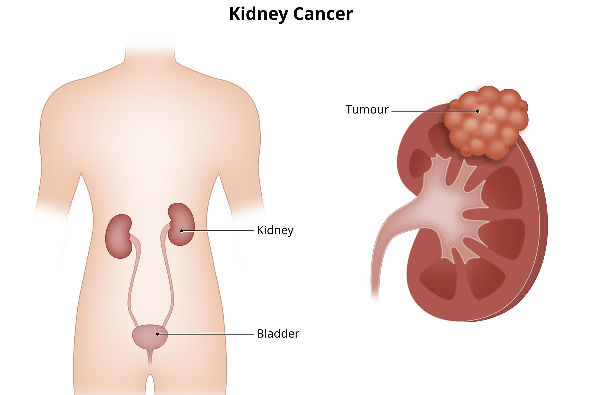
    Cancerous cells in the kidney cause kidney cancer. The kidneys are two bean-shaped organs that aid in filtering blood waste and synthesizing red blood cells. The kidneys also eliminate acid that is created by your body’s cells and keep the amounts of water and minerals in your blood, such as salt, potassium, phosphorus, and calcium a healthy range. Renal cell carcinoma represents the most prevalent form of kidney cancer in adults.

    There may be more or less usual kidney cancers. A special kind of kidney cancer called Wilm’s Tumor is mostly seen in young kids. This appears to be becoming a more common concern with time. Most cases of kidney cancer occur in individuals in the age range of 65 to 74.

    Symptoms

    In its early stages, kidney cancer might not show any signs. The development of the tumor leads to the emergence of a variety of symptoms. Because of this, kidney cancer generally isn’t discovered until it has started to spread. One of the earliest symptoms is hematuria, or blood in the urine, as the kidneys produce pee. One can feel a solid mass surrounding the kidney region through the skin. Thirdly, flank pain is a typical symptom. The region between the hips and the ribs on each side of the lower back is impacted by flank pain.

    In addition to these, loss of appetite, hypertension, loss in body weight, high amounts of calcium in the blood, and a marked reduction in the production of red blood cells, which results in anemia, are significant warning signs.

    Diagnosis

    There are multiple methods and tests that can help in the identification of cancer. Urinalysis, a test that determines whether a sample of your urine includes blood, is one of the procedures that can aid in diagnosing and evaluating kidney cancer. In addition, blood tests that show the body’s electrolyte levels, CT scans, and MRIs can also aid in diagnosis. Tumors can be found with ultrasound because they have varying densities from healthy tissues.

    Treatment

    For the majority of kidney cancer stages, surgery is the recommended treatment. Several surgical options might be taken into account. There are two types. Partial nephrectomy occurs when the surgeon removes the tumor-bearing portion of your kidney. On the other hand, radical nephrectomy involves removing the entire kidney along with some of the surrounding tissue.

    Additionally, certain local lymph nodes may be removed.

    When there is no possibility for surgery. One option is targeted medication therapy. Targeted medication therapy stops several traits that support the growth of cancer cells. These medications, for instance, can halt the development of brand-new blood vessels or cancer-feeding proteins. One of the many drugs used in this is votrient 200mg tablet. It is a protein kinase blocker with the salt composition of pazopanib 200 mg and is used to treat soft tissue sarcoma and kidney cancer.

    Votrient 200mg is a medication used to treat kidney cancer by preventing the growth of cancer cells there. It functions as an anti-cancer drug by attaching to and blocking the enzyme receptor (tyrosine kinase) that promotes the growth of malignant cells. The growth of blood vessels in the tumor is also stopped. In addition, it helps to eliminate cancer-related side effects like back pain and exhaustion.

    The most frequent side effects of the medication are diarrhea and high blood pressure. A medical professional should determine the appropriate dosage and frequency of administration. To prevent major adverse effects, it should be used as prescribed by the doctor.

  • What Organ is Most Affected by Multiple Myeloma

    What Organ is Most Affected by Multiple Myeloma

    Lidmed 25mg for Multiple Myeloma

    Multiple myeloma is a kind of malignancy that develops in a certain type of white blood cells. These cells are known as plasma cells which produce antibodies that help fight illnesses. Healthy blood cells are displaced by malignant plasma cells that build up inside the bone marrow in multiple myeloma. Cancer cells produce abnormal proteins that may cause problems rather than producing helpful antibodies.

    In many locations throughout the body, particularly the bone marrow, an excessive number of plasma cells may ultimately group to form a tumor or tumors. Solitary plasmacytoma is the word used when there is only one tumor. The term “multiple myeloma” is used when there are several tumors present or when there are more than 10 percent plasma cells in the bone marrow.

    Cause of multiple myeloma

    The multiple myeloma’s precise cause is still unknown. The unusual growth of plasma cells within the bone marrow starts a process that leads to symptoms. Scientists believe there could be many explanations, such as genetic defects, environmental issues (such as the impact of radiation exposure), and more. Myeloma risk is higher when exposed to dioxin. It can be diagnosed using blood and urine tests.

    Signs and Symptoms

    Each patient has a unique set of multiple myeloma symptoms, beginning age, and progression pace. Some people with the condition won’t show any symptoms (asymptomatic). The progression of multiple myeloma can result in potentially fatal consequences.

    • Bone pain, typically in the ribs, is the most typical symptom of multiple myeloma. Movement usually makes the pain, which can be minor, moderate, or severe, worse in sufferers.
    • Affected people frequently experience repeated fractures of the affected bones and are typically more prone to breakage than the general population.
    • The spinal column may be compressed as a result of the involvement of the spine’s bones, which could collapse. Pain, a lack of strength, and tingling in the legs and arms are symptoms of spinal cord compression.
    • Hypercalcemia, or a high quantity of calcium in the blood, indicates that a patient may have multiple myeloma. This happens because calcium is frequently released into the bloodstream when bones are damaged.
    • A range of symptoms can come from excessive plasma cell production, which can also impede the formation and reduce the function of other body cells.
    • Low amounts of red blood cells in the blood (anemia) can cause symptoms like weakness, exhaustion, shortness of breath, lack of color, and dizziness.

    Treatment

    Chemotherapy to lower the number of aberrant plasma cells, antibiotics to fight infection, and painkillers are typically used in the treatment of various myeloma. Lidmed 25 mg is one of these medicines. It is offered in capsule form for oral use in two dosage levels.

    It is made up of lenalidomide compound. This substance has antiangiogenic and immunomodulatory effects. It operates by causing white blood cells to secrete more anti-inflammatory cytokines and less pro-inflammatory cytokines.

    Lidmed 25 mg(Lenalidomide capsules) are used to treat lepra reaction and multiple myeloma. This medication has an impact on the immune system performance. Your body is degrading bone more quickly than it is replacing if you suffer from multiple myeloma. Bones consequently become more brittle, painful, and susceptible to shattering.

    Lidmed 25 mg functions by boosting the immune system, which subtly combats cancer cells. It stops the development of new blood vessels inside the tumor. Additionally, it limits the creation of chemical messengers like cytokines and growth factors that fuel the expansion of cancer cells. Lidmed 25 mg(Lenalidomide 25 mg price) is about Rs 8234.

  • Types of Breast Cancer

    Types of Breast Cancer

    A disease that primarily affects women and causes abnormal growth of breast cells is fairly frequent in India. Commonly known as “Breast Cancer,” a range of symptoms hint towards it, including a hard mass in the breast, blood flow from the nipple, and changes in the appearance of the nipple or breast. The severity will vary depending on the cancer stage at the time of discovery. Breast cancer can start in various locations, and the type of breast cancer depends on which breast cells progress to malignancy. Although there are several different types of breast cancer, there are mostly two main categories: invasive and noninvasive.

    Invasive Breast Cancer

    Most cancer cases are invasive, meaning the disease has progressed from the primary site to surrounding breast tissue, lymph nodes, or other parts of the body. In this type, the breast cancer cell breaches the protective boundaries of healthy breast tissue and disseminates to other body parts via the circulation and lymph nodes. Invasive ductal and lobular carcinomas are the two most prevalent invasive breast cancers. IDC (Invasive Ductal Carcinoma) is a cancer that forms in a milk duct (tubes that carry milk to the nipple) and develops into other parts of the breast.

    On the other hand, ILC (Invasive lobular carcinoma) is the second most prevalent type of breast cancer. It begins in lobules (where breast milk is made) before spreading into the neighboring breast tissue.

    Non-Invasive Breast Cancer

    Breast cancer cells that are in situ are non-invasive and stay in one area of the breast without spreading to nearby tissue, lobules, or ducts. In situ breast cancer refers to cancer that only affects the milk lobule. Ductal and lobular carcinoma are the two forms of in situ malignancy. The initial stage of ductal carcinoma is a tumor that develops there. It is also regarded as stage 0 melanoma because it remains in one location.

    Technically speaking, lobular carcinoma is not a type of cancer but rather a development in the breast. To create breast milk, the breast has hundreds of tiny clusters called lobules. These lobules may develop cells that mimic cancer cells. LCIS usually stays put and doesn’t spread. However, having LCIS increases your risk of developing invasive breast cancer.

    Cancer-causing Protein

    The presence or absence of the growth-promoting protein HER2 (human epidermal growth factor receptor protein) in the cancer cells determines whether breast cancer is HER2-positive or HER2-negative. High amounts of the HER2 protein make HER2-positive breast tumors more likely to grow quickly, compared to other kinds of cancer. But they can also be treated using medications that attack the HER2 protein directly. HER2-negative cancers don’t react to the same medications.

    Treatment

    One medication to prevent HER-2 positive breast cancer is Herduo 250mg tablet. It contains Lapatinib, a member of the antineoplastic agent class of medications. The HER2 and epidermal growth factor receptor (EGFR) receptors, which are in charge of cell proliferation, are inhibited by it. This is how it prevents malignant cells from spreading and triggering downstream signaling channels.

    Treating advanced-stage breast cancer can be used alone or in conjunction with another drug like capecitabine or trastuzumab. It is advised that it should be consumed one hour before or after eating. Due to its numerous side effects, including diarrhea, vomiting, headaches, dark urine, and constipation, Lapatinib is prescribed by a doctor.

    Lapatinib price

    This tablet is easily available in pharmacies all over India and on online websites like needs at a price of approximately. Rs 3480 per strip (30 tablets).

  • Different Treatment Options to Improve the Survival Rate of CML Leukemia?

    Different Treatment Options to Improve the Survival Rate of CML Leukemia?

    Introduction of  CML Leukemia

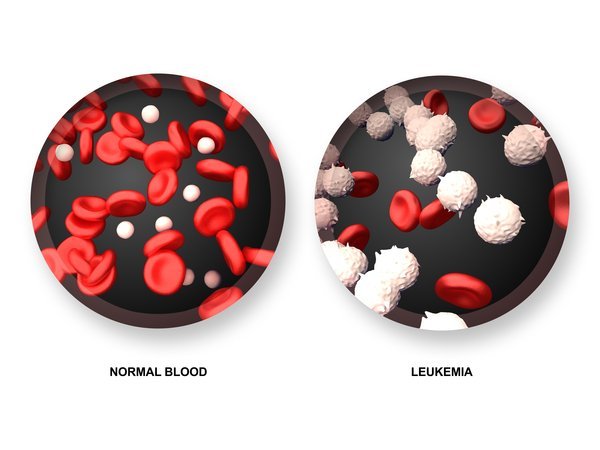
    Leukemia is a type of blood cancer affecting white blood cells. The survival rate of CML leukemia can be improved if the treatment is started in time. To increase the survival rate of leukemia patients, the diagnosis should be made as early as possible.

    Different treatment options include:

    • Chemotherapy and radiation therapy are used to treat cancer cells in the bone marrow, blood, liver, and other parts of the body.
    • Chemotherapy drugs are given intravenously (by vein) or into muscle tissue.
    • Radiation therapy is given to destroy cancer cells through high doses of radiation energy that damage DNA structures called chromosomes (the genetic material).
    • Treatment for CML leukemia starts with a targeted therapy known as a tyrosine kinase inhibitor (TKI). This type of therapy has increased the life expectancy of patients to an average of up to 30 years. TKI drugs such as Dasatinib tablets 50mg and Dyronib 50mg Tablets are prescribed.
    • The tablets, such as Dyronib 50mg Tablet, use the process to suppress the BCR-ABL tyrosine kinase enzyme that causes CML leukemia.
    • Patients also undergo other treatments, such as chemotherapy and radiation therapy, which may be needed if there is no remission after 6 months or more from taking the first TKIs.
    • If patients respond well to the TKI therapy, they are taken off this treatment after a few years if their blood cell counts remain normal. However, if there are signs of leukemia cells in the body, treatment will be continued until blood cell counts remain normal and stay normal for some time after treatment is stopped.
    • If blood cell counts remain normal, treatment is stopped, but if they do not, then treatment is continued. Blood cell counts are checked regularly during this period.
    • For patients who develop resistance to TKI drugs, Imatinib is prescribed them. This type of therapy is known as second-generation TKIs and can prevent or delay complications from occurring. Imatinib is a drug that was originally discovered in the laboratory by scientists at Bristol-Myers Squibb (BMS), which manufactures the drug under contract with Roche Laboratories. It treats chronic myelogenous leukemia (CML) in adults and children with Philadelphia chromosome-positive disease (Ph+). The FDA approved this medication on December 20th, 2002; however, it wasn’t until April 2005 that doctors began prescribing it widely because there were still concerns about its safety profile compared to other available treatments such as Gleevec/Imatinib mesylate tablets and Dasatinib tablets 50mg.

    With early diagnosis and proper treatment, survival rates can be improved in the case of CML leukemia.

    The survival rate of CML leukemia can be improved with early diagnosis and proper treatment. Early diagnosis is important because the earlier you are diagnosed, the better your prognosis.

    The best way to treat CML leukemia is through chemotherapy. Chemotherapy involves taking medicine that kills cancer cells while leaving healthy cells alone. Chemotherapy drugs work by damaging DNA or RNA molecules inside a cell’s nucleus (the part of a cell where genetic instructions are stored). This damage causes cancer cells to die because they’re no longer able to grow properly or reproduce fully; however, healthy cells do not die when exposed to chemo treatments because they have different DNA sequences than normal ones do (and therefore don’t become damaged).

    Conclusion

    Leukemia is often treated at the advanced stages of the disease. However, in the case of early diagnosis and proper treatment, survival rates can be improved. Early detection can help identify patients who might respond well to tyrosine kinase inhibitor therapies like Dasatinib tablets 50mg and Dyronib 50mg Tablet, increasing their life expectancy to an average of up to 30 years.

  • What are the Signs of Blood Cancer?

    What are the Signs of Blood Cancer?

    Signs of Blood Cancer

    There are many blood cancers, including leukemia, lymphoma, and myeloma. But some signs can help you identify these diseases earlier in their progression. If you notice any of these signs, it’s important to get medical attention immediately so your condition can be monitored and treated properly by a team of experts at your local hospital or cancer center.

    • Bone pain that is often severe and located in the back or ribs

    Blood cancer can cause bone pain, which may be mild to severe. The most common causes of bone pain are multiple myeloma, leukemia, and lymphoma.

    • Swollen lymph nodes, most often in the neck, underarm, and groin

    Swollen lymph nodes, most often in the neck, underarm, and groin area, are common signs of blood cancer.

    • Frequent infections caused by suffering from a low count of infection-fighting white blood cells

    Frequent infections caused by a low count of infection-fighting white blood cells can also be a sign that you have blood cancer. This is because your body has fewer white blood cells to fight off infections, which means you are more likely to get an infection and become sick from it.

    • You may have frequent infections due to several different types of cancer:

    Leukemia affects the bone marrow and causes the production of abnormal red blood cells (red blood cell leukemia).

    • Excessive sweating, especially at night

    Excessive sweating, especially at night, can signify blood cancer. Sweating is not always a symptom of blood cancer and can also be caused by other medical conditions. If you are sweating more than usual, it is important to see your doctor so they can determine the cause and correct it.

    • Fatigue

    If you’re always tired, it’s important to get checked out by a doctor. Many different conditions, including cancer, can cause fatigue.

    • Fever, chills

    Fever, chills, and sweating are common symptoms of infection. They’re also signs of blood cancer.

    • Drenching night sweats

    Sweating is a symptom of blood cancer, but night sweats are not. Many things, including stress and exercise, can cause sweating. But it’s usually associated with a tumor in your body. So if you’re sweating at night and have no other symptoms of a tumor (like pain or feeling weak), then you may have an infection or inflammation somewhere on your body that’s causing this excessive sweating.

    • Loss of appetite or significant weight loss not attributed to dieting or exercise

    If you’ve lost a lot of weight, it’s important to ensure that your appetite isn’t affected by cancer. If your appetite is significantly reduced and not attributed to dieting or exercise, this could be a sign of blood cancer.

    Treatment

    A drug used to treat cancer is called Dasamaps 70mg tablet.

    A 70 mg dasamaps pill treats blood cancer (chronic myeloid leukemia). It is prescribed to persons whose leukemia was resistant to other leukemia treatments or who were unable to take those treatments because of side effects.

    Dasatinib tablets can be taken with or without food. However, for optimal results, take them at the same time every day. Your doctor will choose the right dose and the best administration schedule.

    Dasatinib uses

    Be sure to take this medication as prescribed by your doctor and for the full recommended time. At once, take it all in. It must not be eaten, broken, or crushed. Dasamaps 70mg tablets may be taken with or without meals, but it is advised that you take them at a predetermined time. By stopping the abnormal protein from signaling the expansion of cancer cells, it prevents the proliferation of cancer cells. This helps in stopping or slowing the spread of cancerous cells. Following consumption of this tablet, it is strictly forbidden to drive or breastfeed.

  • How Long can you Live with Liver Cancer?

    How Long can you Live with Liver Cancer?

    Live with Liver Cancer

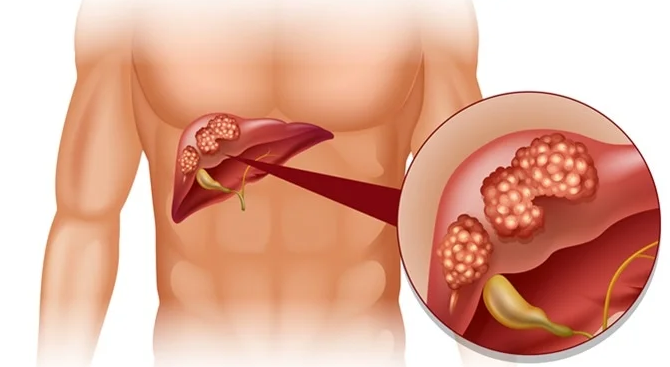
    Liver cancer is the most common type of cancer in the world. It usually causes symptoms such as pain and heaviness in the upper right side of the abdomen, nausea, vomiting, loss of appetite, fatigue, and weight loss. The expectancy for people live with liver cancer is about 6 months. However, the best medicine prescribed by doctors for maintaining liver function is hepakast sachet.

    The average life expectancy for people with liver cancer is about 6 months.

    This means that most patients die within 6 months of being diagnosed. However, some people live longer than this time frame, and some live shorter than this time frame. If you have been diagnosed with liver cancer, it’s important to understand what implications your diagnosis will have on your future health and quality of life. The usage of tablets such as L-valine, L-leucine, and L-isoleucine is also suggested only with a doctor’s recommendation.

    The average age at which someone dies from liver cancer is 60. Also, at certain ages, usage of L-isoleucine in a quantity of 1 to 2 grams three times a day is suggested for better functioning of digestive parts and breaking food at older ages.

    What affects your chance of survival?

    The chance of survival depends on several factors, including:

    Age. The older you are, the less likely it is that your cancer will be cured and the more likely it is that your condition will get worse. If you’re under 30 years old, it’s unlikely that liver cancer will cause symptoms or lead to death in most cases. However, if you have other diseases (such as chronic hepatitis B), your chances of surviving liver cancer may be lower than those who are younger or do not have these diseases at all; however, this is not always true as there have been many reports showing how some people who had advanced liver disease could live with their condition for decades before passing away from complications such as cirrhosis or liver failure caused by treatment side effects like radiation exposure during surgery which might occur later down the road if left untreated for the too long period time frame.”

    At stage 3, the 5-year survival rate for liver cancer is about 1 in 10.

    This means that 10% of people diagnosed with liver cancer will survive for at least five years after their diagnosis. To help the metabolism reactivate and production of the amino acids, L-leucine is suggested for protein synthesis.

    At stage 4, the 5-year survival rate for liver cancer is about 1 in 20.

    This means that if you have stage 4 liver cancer, there’s about a 5% chance that you will be alive five years from now.

    As with all cancers and other diseases, this number can change depending on many factors, including how fast your disease progresses and what treatments are given (for example, surgery or radiation therapy).

    This means that out of every 100 people diagnosed with liver cancer at stage 3, 10 people will live at least five years, and out of every 100 people diagnosed at stage 4, 5 will live at least five years.

    Many factors can affect your chance of survival, such as your age and other health problems that you may have.Live

    Age: The older you are, the less likely liver cancer will be cured with treatment. For example, if you’re older than 60, only about half of people with liver cancer survive for at least five years after a diagnosis.

    Gender: Men tend to die from liver cancer more often than women do because of their greater risk factors like alcohol abuse and diabetes mellitus type II.

    Race/ethnicity: Liver cancer tends to occur more often in African Americans than Caucasians or Hispanics because these groups have higher rates of obesity but lower rates of smoking than other races/ethnicities.

    You can live longer than predicted if you’re healthy, but it’s not easy. If you have a chronic illness or poor health habits, your chances of living longer are reduced.

    You’ll also need to stay active and eat well to maintain a healthy lifestyle. It’s important to stay connected with friends and family members who can help make sure that your life goes as smoothly as possible during those difficult times when things aren’t going well for you. Also, you can use L-valine for the metabolism and repair of muscle tissues.

    Conclusion

    When you have cancer, it’s natural to want to know as much as possible about how long you have to live. But remember that these statistics are based on what happened to large groups of people with the same type of cancer in the past – not a prediction of what will happen to you personally! The best way is still prevention through regular screenings, which can help reduce your risk of cancer and cardiovascular disease.

  • What are the Early Signs and Symptoms of Thyroid Cancer?

    What are the Early Signs and Symptoms of Thyroid Cancer?

    Lenvenib 4mg for Thyroid Cancer

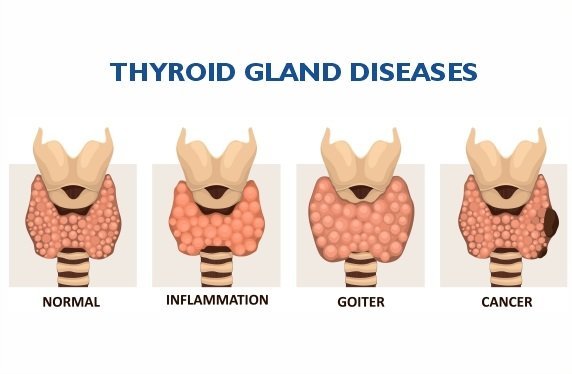
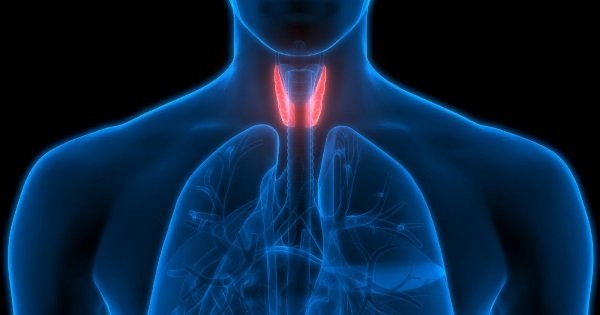
    The thyroid is a butterfly-shaped, quarter-sized gland present around the trachea. It helps produce hormones that control our body’s heart rate, body temperature, and metabolism rate. Thyroid hormones help in regulating the amount of calcium that must be present in the bloodstream. If thyroid cancer is in its early stages, it will hardly show any symptoms or signs.

    Thyroid cancer is diagnosed when a routine neck test or imaging scan is performed. Thyroid cancer is a common type of cancer that usually occurs in people between the ages of 25 to 65. This cancer leads to swelling or a lump around the neck, which makes it difficult to swallow or breathe properly and may even cause vocal hoarseness. If you are experiencing any symptoms, you must reach your healthcare provider for a proper diagnosis and treatment plan.

    Early symptoms or warning signs of thyroid cancer

    The common early symptom of thyroid cancer is swelling, nodules, or unusual lump in the neck region. If you notice a growing or new lump around your neck, you must consult your healthcare provider and go for testing to determine whether it is a thyroid tumor. The early signs of thyroid cancer generally include the following

    • Hoarseness
    • Persistent cough
    • Swollen neck glands
    • Fatigue
    • Difficulty in breathing
    • Neck pain
    • Trouble in swallowing food

    Early stages of thyroid cancer do not come with any symptoms. Therefore, it is important to go for regular screening and follow-up since, during this time, you may undergo blood tests for physical examination and imaging tests which will determine the size and stage of the tumor. 30% of people experiencing thyroid cancer may develop recurrent thyroid cancer. Around 80% of recurrent thyroid cancer patient develops this cancer in their neck region.

    In comparison, 20% develop recurrent disease, spreading to other body parts like bone, liver, and lungs. The treatment options for recurrent and primary thyroid cancer depend on the detection and early diagnosis.

    What should you do if you notice thyroid cancer’s early signs and symptoms?

    If you’re experiencing early signs or symptoms of thyroid cancer, you need to consult your healthcare provider and go for an accurate diagnosis. Your doctor will perform a physical exam and check your throat and neck to detect abnormal lymph nodes or thyroid nodes.

    He or she will ask you to undergo a blood test, MRI scan, chest X-ray, CT scan, biopsy, vocal cord examination, and radionuclide scanning to check the tumor. Lenvenib 4mg(lenvatinib 4mg) is a common and highly effective medication for thyroid cancer.

    Diagnosis and treatment of thyroid cancer

    Thyroid cancer can be caused by various reasons, such as a family history of thyroid cancer, having enlarged thyroid nodules, and exposure to radiation like childhood radiation therapy treatment. Generally, the common type of thyroid cancer has a good outlook and prognosis if detected early. Many people with thyroid cancer are given a combination of advanced treatments such as radiotherapy from radioactive iodine treatment, chemotherapy, thyroid hormone replacement therapy, surgery, and medications like Lenvenib 4mg capsules.

    The right treatment will depend upon your test results, the tumor growth, and size, your age, your type of thyroid cancer, etcetera. The five-year survival rate for thyroid cancer is around 97%. Before taking, you must consult the side effects and dosage of lenvenib 4mg.

  • What is the Survival Rate of Thyroid Cancer?

    What is the Survival Rate of Thyroid Cancer?

    Survival Rate of Thyroid Cancer

    Thyroid cancer is the 7th most common type of cancer, which occurs mostly in women. In 202,0, approximately 586,202 individuals were diagnosed with this type of cancer. The five-year survival rate of cancer describes the percentage of individuals who will stay alive for a minimum of five years after being diagnosed with cancer in their body. The five-year survival rate for individuals with thyroid cancer in the United States is around 98%. The survival rates for thyroid cancer depend on several factors, such as the type of thyroid cancer the person has and the stage of cancer.

    Localized thyroid cancer

    If thyroid cancer remains confined to the thyroid glands, the stage is localized thyroid cancer. The five-year survival rate for follicular, localized papillary, and medullary cancer is 100%. The five-year survival rate for localized anaplastic cancer is around 34%.

    Regional thyroid cancer

    If cancer spreads to other organs, nearby tissues, and regional lymph nodes, the state will be referred to as regional thyroid cancer. Regional papillary thyroid cancer has a 99% five-year survival rate. Regional follicular cancer has a 98% survival rate. Regional medullary cancer has a 90% survival rate, whereas regional anaplastic cancer has only a 9% five-year survival rate.

    Anaplastic and medullary cancer

    Anaplastic and medullary cancer forms 3% of total thyroid cancer, which is more likely to spread to the nearby organs and lymph nodes. If this cancer spreads to distant body parts, it will be referred to as a metastatic disease. Metastatic papillary cancer has a five-year survival rate of 75%. The five-year survival rate for metastatic follicular cancer is 63%, and metastatic medullary thyroid cancer has a 40% survival rate. In contrast, the five-year survival rate for metastatic anaplastic cancer is only 4%.

    How is thyroid cancer treated or managed?

    Treatment option for cancer depends on several factors, such as how far the cancer has spread as well as the size of the tumor. Common treatment options for cancer include surgery, radioiodine therapy, radiation therapy, chemotherapy, hormone therapy, and targeted drugs like Lenvat 4 mg Capsule.  The cancer can spread to other body organs like bones, lungs, and liver; therefore, it is important to detect and treat cancer in the early stage to reduce metastasis risk. Surgery is one of the most common treatment options for cancer, and depending on the location and size of the tumor, your surgeon will remove a part of the tumor in the thyroid gland.

    Radioiodine therapy is a treatment that helps shrink and destroy the thyroid gland containing cancer cells and is one of the safest treatment options. Radiation therapy kills abnormal cancer cells and prevents them from growing and becoming aggressive. Chemotherapy prevents cancer from growing, and only a few people diagnosed with cancer require chemotherapy. Recovery from this cancer depends on your cancer stage, the tumor size, and the type of treatment you are receiving.

    Conclusion

    Cancer is a type of develops in the thyroid gland, which is an important part of the endocrine system. The thyroid gland helps to produce the hormones that regulate your body temperature, metabolism, and heart rate. Americans have a high risk of suffering from cancer, and 2000 individuals die yearly. You can learn about lenvatinib capsules 4 mg price from your nearest pharmacy or online. This cancer is highly curable if suitable treatment options like chemotherapy, surgery, radioiodine therapy, radiation, medicines like Lenvatinib 4mg Capsules, and hormone therapy are provided promptly.