Category: Anti Cancer

  • What are the Five Warning Signs of Breast Cancer?

    What are the Five Warning Signs of Breast Cancer?

    What is Breast Cancer?

    Our body is made up of millions of cells. These cells are constantly multiplying and perishing to sustain life. Although a normal and fairly essential process in biological organisms, it becomes deadly when left uncontrolled. That is when the cell multiplication starts happening exponentially fast. Without restraint, it leads to clumps in various body parts, which can develop into life-threatening tumours if left unchecked. When this uninhibited growth occurs in the breast, it is called breast cancer. If this cancer spreads to other body parts, it is called metastatic breast cancer.

    What does a normal breast look like?

    Unfortunately, there is no definite answer to this particular question. Like all natural phenomena, variations exist in this biology section as well. A lumpy or uneven shape does not necessarily imply cancer, and soreness in breasts is also common during menstruation or pregnancy. Therefore, in most cases, there is no cause for alarm, and keeping this in mind, it becomes essential to focus on the major symptoms of the disease.

    Now that you know what this Cancer is and what it is not, the question is how one can detect it. Like most other diseases, It also has its telltale signs, which are listed below.

    1. A lump on the breast or underarm: The clumping of cells leads to the formation of an accumulated lumpy mass over or on the underside of the breast. This is the most prominent symptom of breast cancer.
    2. Changes in or around the nipple: Nipples that turn inward, become sore or dimpled and cause a sensation of burning or itching on touching is also an important sign of this cancer.
    3. Changes in the colouration or thickness of the skin: It is often characterized by the change in colour of the skin covering the breast, lending a pink or reddish hue to the affected area. It can also lead to thickened, flaky skin, especially under the breast, which appears hardened and is scaly to touch.
    4. An unhealed sore anywhere on the breast: A sore often develops on the breast, progressively worsens, and refuses to heal, leading to painful, flaky, and reddish swelling in the infected area.
    5. Unusual nipple discharge: Milk discharge from a breast is natural. However, blood or mucous discharge from the nipple is a breast cancer symptom and calls for urgent medical attention.

    Apart from these major breast cancer symptoms, many minor signs include:

    • Soreness or tenderness in the affected region.
    • A flat or indented area on the breast.
    • Swelling of lymph nodes near the armpit.
    • A swollen area on the collarbone.

    On detecting any of the symptoms mentioned above, a person should reach out to their local gynecologist and seek urgent medical attention.

    What are the treatments for Breast Cancer?

    Like any other form of cancer, breast cancer treatment also depends upon the cancer stage, that is, how advanced the disease is. Apart from surgeries, chemotherapies, and other medical procedures, an aromatase inhibitor called letrozole, found in medicines such as stimucor 2.5, is commonly used to treat breast cancer and prevent it from being prevented coming back. Used primarily in the treatment of hormonally responsive breast cancer, stimucor 2.5 tablets are usually administered to women who are no longer on their periods, either due to menopause or other reasons.

    Conclusion

    Breast cancer awareness is of paramount importance. We must know what to avoid and look out for to promote health and security. Knowing the right steps at the right time can save lives and promote happiness.

  • How to Treat Castrate-Resistant Prostate Cancer (CRPC)

    How to Treat Castrate-Resistant Prostate Cancer (CRPC)

    Castrate-Resistant Prostate Cancer

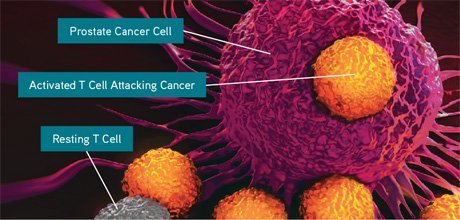
    Approximately 10% to 20% of prostate cancer cases are referred to as CRPC or castrate-resistant prostate cancer. This type of cancer develops in an individual when the prostate cancer stage doesn’t respond to the standard treatment options like ADT or androgen deprivation therapy and even blocks the signaling activity and production of hormones known as androgens which can increase the growth of cancer.

    Castrate-resistant prostate cancer is referred to as mCRPC or metastatic and signifies that cancer has spread beyond the regions of the prostate glands. As soon as castrate-resistant prostate cancer starts developing, potent drugs are used, reducing the androgens signaling and making the situation somewhat better. However, there are still high chances for cancer to resist these drugs. This is the reason why there are no permanent cures for mCRPC, but the survival outlook can be positive with the introduction of advanced new treatments like Bdenza 40mg Capsule as approved by the US FDA or Food and Drug Administration

    What are the new treatments for castrate-resistant prostate cancer?

    This type of cancer is a clinically challenging stage where cancer has advanced to the last stage, so there remains no curative treatment choice for the victim. Hormonal drugs can be used as first-line treatment for this type of cancer. Chemotherapy is also used for patients if other treatment options such as Enzalutamide capsules and abiraterone fail drastically. The treatment option will be decided by experienced oncologists who will consider several factors related to the patient. Bone metastasis is mostly used in prostate cancer and with radiation therapy to reduce pain.

    Other treatment options

    Treatment guidelines for castrate-resistant prostate cancer (CRPC) haven’t spread properly, and more careful monitoring of metastases’ growth is required by measuring blood levels containing PSC or prostate-specific antigen and imaging techniques that will indicate the progression of prostate cancer. PSC ADT doubling time helps to predict cancer progression, and if PSC doubling time is more than 10 months, then the affected victim should continue their treatment options with ADT; however, if it is less than 10 months, then patients should take drugs that can help them to prevent the development of metastases

    First-line systematic chemotherapy 

    Patients who develop castrate-resistant prostate cancer (CRPC) and are asymptomatic are given secondary hormonal manipulation. The doctor suggests for bone metastasis to monitor the progression of cancer as well as chest imaging. Imaging techniques are widely used, including chest X-rays, bone scans, abdominal computed tomography, etc. Systematic corticosteroid therapy combined with dexamethasone or low dose Prednisone has shown improvement in the outcome of PCA values for symptomatic and asymptomatic men. Many patients have been given first-line systematic chemotherapy, which has improved this type of cancer.

    Patients whose prostate cancer has advanced to further stages should participate in clinical trials. Patients whose prostate cancer has advanced are referred for chemotherapy and multidisciplinary care so that their quality of life improves under survival rate maximizes. Other treatment options include palliative radiation and bone-targeted therapy.

    Patients suffering from diffused bone pain or radioisotopes should be referred for palliative radiation. Men with CRPC are living a good healthy life, and their quality of life has also increased with better treatment options coming up with each passing day. New agents being researched in pre-chemotherapy settings show that more therapeutic options emerge for patients living with CRPC. As CRPC is a fatal and incurable illness, participating in clinical trials at every stage is important.

    Doctors also recommend zoledronic acid to lower the bone complication risk factors. Bdenza 40 mg is an effective medicine that helps to cure castrate-resistant prostate cancer (CRPC). Many treatments are presently under research so that people having CRPC and poor prognosis can’t improve their quality of life.

  • How Do I Know If I Have Breast Cancer? Symptoms & Treatments

    How Do I Know If I Have Breast Cancer? Symptoms & Treatments

    Fulvant Injection For Breast cancer 

    Breast cancer won’t show any signs or symptoms in the early developing stage. A breast cancer patient can’t feel a small tumor developing in their breasts. If you develop lumps around your breasts, this would be the first sign of developing breast cancer. However, not all lumps are cancerous so check out for the following symptoms of breast cancer to determine if you are showing symptoms of breast cancer. Fulvant Injection helps to delay these symptoms. Fulvant injection is very effective for breast cancer.

    Symptoms and signs


    • Extreme breast pain
    • Bloody discharge coming out from your nipple
    • Scaling, peeling, flaking of the skin around the breast nipple
    • Swelling of breast
    • Discolored or red skin on your breast
    • Change in the size and shape of your breast
    • Swelling or lump under arms
    • Change in the appearance of breast skin
    • Thickening of tissue around the breast or breast lump

    What is breast cancer? 

    You can develop breast cancer when a change known as mutation takes place in your genes. This mutation allows the cells to divide and even multiply uncontrollably. As a result, breast cancer is serious and usually develops in the breast cells. Generally, this type of cancer develops in the duct or lobules of breasts. Glands that produce milk are known as lobules, whereas ducts are the pathway that brings milk to the nipple from the glands.

    Stages of breast cancer

    Breast cancer is divided into different stages by the doctors depending on the size of the tumor and how far it has spread. If the breast cancer has spread to the nearby tissues and has grown large, then it is at higher stages than cancer that is limited to the breast and small in size. Based on these factors, doctors stage breast cancer in 5 paths from stage zero to stage four.

    Stage 0 

    In this stage, cancer cells remain confined to the ducts only in the breast and do not spread to the nearby tissues.

    Stage 1 

    Stage 1A, where the primary tumor is less than 2 centimeters wide, and the lymph nodes are also not affected. Stage one is where cancer is located in the nearby lymph nodes, and the tumor is typically smaller than 2cm.

    Stage 2  

    This stage has 2 parts. Stage 2A, where the tumor is less than 2 centimeters but has spread to one or more lymph nodes. The tumor can also be the size of 2 to 5 centimeters without spreading to the nearby lymph nodes. Stage 2B is where the tumor is between 2 and 5 centimeters and spreads to armpit lymph nodes.

    Stage 3 

    Stage 3 is cancer that has become enlarged and spread to 4 or 9 axillary lymph nodes. This type of tumor is larger than 5 centimeters.

    Stage 4 

    Stage breast cancer can contain tumors of any size, and in this case, cancer cells spread to the distance as well as nearby lymph nodes. It can also spread to the other organs.

    Preventive treatment

    Your risk of developing breast cancer will be high if you have hereditary factors. For example, if your parent has BRCA 2 or BRCA 1 gene mutation, you risk developing breast cancer. Doctors will suggest breast cancer medicine and several prophylactic and diagnostic treatments. Your physician will also consult some preemptive steps to reduce your risk of developing breast cancer. Some of these steps are surgical removal of the breast, prophylactic mastectomy, taking fulvant Injection Fulvestrant Injection 250 mg, and considering chemoprophylaxis, which helps reduce breast cancer risk. More details of fulvant injection on Gandhi Medicos.

  • What are Myelodysplastic Syndromes (MDS) and It’s Causes and Treatment

    What are Myelodysplastic Syndromes (MDS) and It’s Causes and Treatment

    Myelodysplastic Syndromes

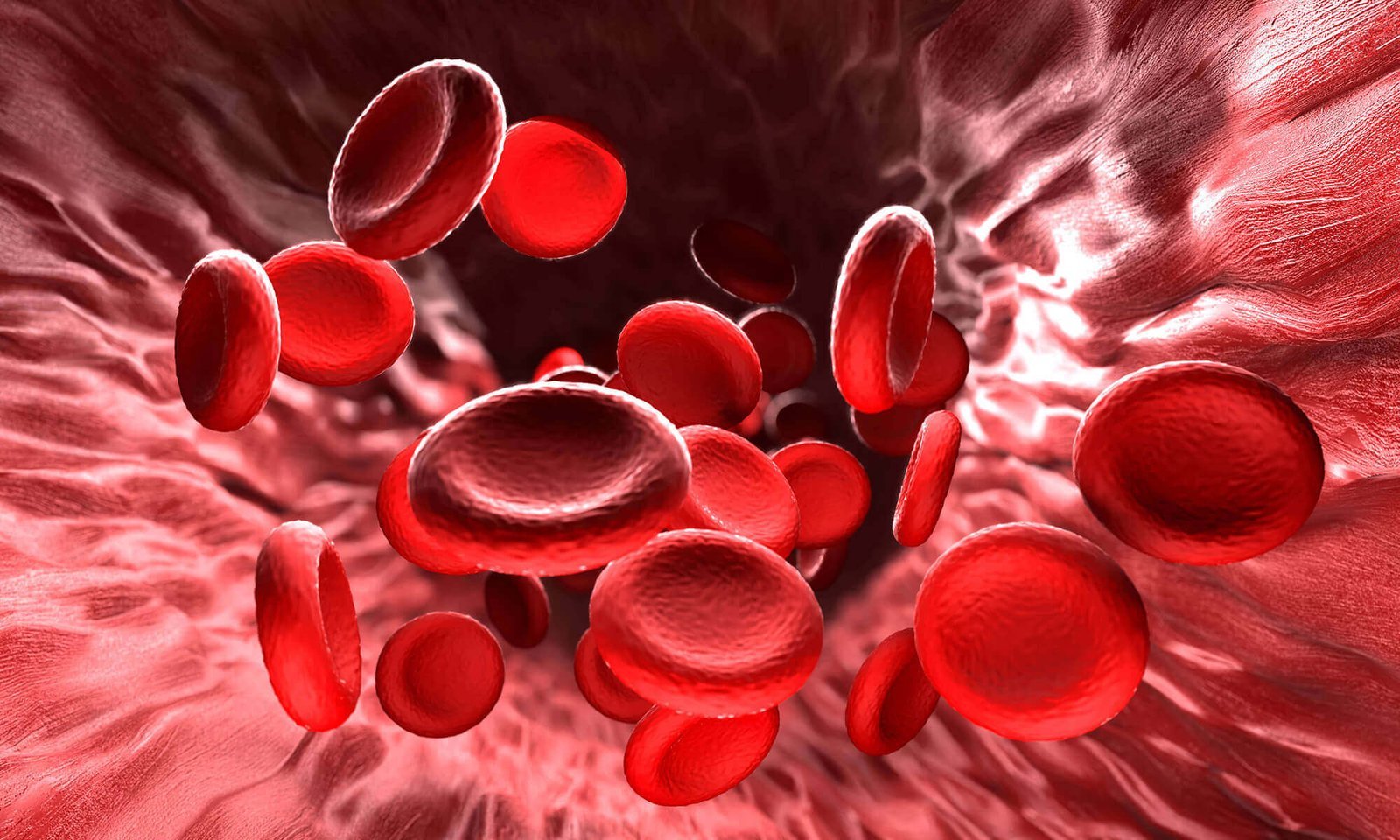
    Myelodysplastic syndromes or MDS is a group of disorder that results from the blood cells that don’t work properly or is formed poorly. This type of syndrome is caused within the bone marrow, a spongy material that lies inside the bones, wherein blood cells are formed. MDS is a kind of blood cancer that interferes with your body’s functionality to develop healthy blood cells.

    Causes

    The function of bone marrow in a healthy body is to develop immature, new blood cells that gradually mature with time. MDS usually occurs when this natural process gets disrupted, and the blood cells fail to mature over time. The blood cells which should develop normally start dying after entering your bloodstream or within your bone marrow. With time, this results in developing more defective and immature cells instead of growing healthy ones. This causes several problems such as fatigue due to low RBC count or anemia, low WBC count leading to leukopenia or infections, and even bleeding resulting from low blood-clotting platelets count or thrombocytopenia.

    In many cases, MDS has no cause at all, while others can get MDS due to exposure to treatments for cancer, including radiation, chemotherapy, benzene-like toxic chemicals, etc. Doctors prescribe lenalidomide 25 mg to help victims fight MDS and delay the symptoms.

    Symptoms of Myelodysplastic Syndromes

    Although people having Myelodysplastic Syndromes may not experience any signs or symptoms in the initial stages, however, with further advancement of their health condition, they can experience the following symptoms-

    • Breath shortness
    • Fatigue
    • Unusual bleeding, all bruising which are caused due to low blood platelet count
    • Leukopenia or frequent infections occurring as a result of low WBC count
    • Petechiae

    Treatment

    For Myelodysplastic syndromes, several medications are given by the doctorsuch as Lenakast and lenalidomide, which helps to slow the symptoms and disease and helps in preventing further complications. Some other effective measures include boosting blood cell formation by blood transfusion and bone marrow transplant, also known as stem cell transplant. A stem cell transplant is especially recommended when your bone marrow has to be replaced with a healthy bone marrow given by a donor. Following are the common treatment methods for Myelodysplastic Syndromes:

    • Transfusions– Platelets or RBC is given to the patient’s body through their veins to improve their low platelets or RBC counts.
    • Antibiotics: Several kinds of antibiotic treatment are prescribed to the patient that can help them to lower the lifetime risk for different kinds of infections which are mainly caused due to low white blood cell counts.
    • Growth factors: Several growth factors are another way of treatment that can help your bone marrow to develop platelets, RBCs, and WBCs rapidly to make up for low blood counts.
    • Chemotherapy at low intensity: Chemotherapy refers to weaker drugs that are given to the patient at low doses and help them to reduce their chance of developing serious side effects.
    • chemotherapy at high intensity: It refers to strong drugs which are given to the patient at very high doses which help in treating MDS and are given before stem cell transplant.
    • Immunotherapy: Immunotherapy is also known as biological therapy and helps the person suffering from MDS to develop a strong defense system within the body and fight the disease effectively.
    • Stem cell transplant- Bone marrow transplant, also known as stem cell transplant, is a long-term remission for MMDS. Here higher dose chemotherapy is given to destroy the stem cells within the bone marrow and is then replaced with the donor’s healthy stem cells.
  • What is Colorectal Cancer, and How Does it Start?

    What is Colorectal Cancer, and How Does it Start?

    Colorectal Cancer

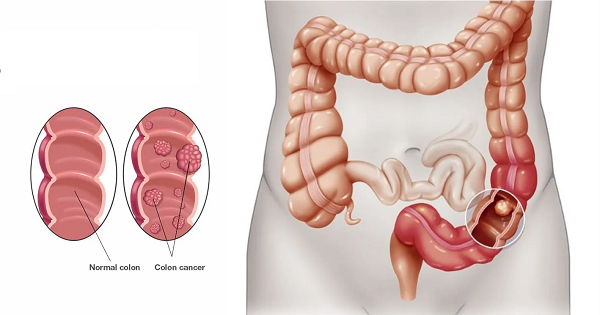
    It starts developing when the cells which line the rectum or colon start behaving abnormally and can’t be controlled. This type of cancer does not show symptoms until it reaches the advanced stage. Therefore everyone must go for colorectal cancer screening regularly. When cancer begins in the colon, it is known to be colon cancer; when cancer begins in the rectum, it is rectal cancer.

    So if this cancer develops in either of these 2 parts, it is known to be colorectal cancer. Colorectal cancer starts developing gradually from precancerous or adenomatous polyps. The growth of polyps results in a series of abnormalities in cellular DNA. Some risk factors in colorectal cancer include alcohol intake, inflammatory bowel disease, smoking habits, family history of rectal or colon cancer, lifestyle, etc.

    How colorectal cancer develops in your body? 

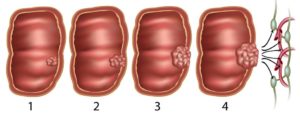
    The cells of your body grow normally, divide, and then automatically dies to keep your body healthy and facilitate normal functioning. However, in certain cases, it has been found that the cells become out of control. These cells grow as well as divide even after dying. These cells that line the rectum and colon start multiplying uncontrollably and lead to the development of colorectal cancer. In most cases, cancers develop as serrated or precancerous polyps, which grow gradually and don’t show any symptoms unless they become cancerous or large.

    If the precancerous polyp is detected and removed before the advancement of cancer, there is a low life risk. There are many colorectal polyps; however, cancer starts only from sessile serrated and adenoma lesions considered precancerous polyps. When a polyp is found at colonoscopy then, it is removed by a pathologist.

    Certain factors increase the risk of colorectal cancer to make polyps cancerous such as.

    • When bigger than 1cm polyp is discovered
    • When 3 or more polyps are discovered
    • When dysplasia is visible in polyp after removal. Dysplasia is a precancerous condition. The presence of dysplasia means that cells within the lining of the rectum or colon or region in a polyp have become abnormal but didn’t become fully cancerous.

     What are the symptoms and signs?

    • Bowel incontinence, Constipation, incomplete evacuation,
    • Blood in the stool
    • Vomiting
    • Weight loss
    • Bloating or abdominal pain

    Screening and medication

    It is diagnosed through several tests, and based on your condition, your physician prescribes the necessary medication. For instance, Distamine 500mg Tablet and Capecitabin tablets have treated and cured colorectal cancer to a great extent. It is paramount to go for regular colorectal examinations or screenings to detect health issues at an earlier stage. Since cancer doesn’t show up any symptoms or signs in the initial stages, go for the following screening option-

    • Fecal DNA tests
    • Barium enema
    • Fecal occult blood test
    • Flexible sigmoidoscopy
    • CT colonography

    How can colorectal cancer spread? 

    When cancer forms in a polyp, it gradually grows into the walls of the rectum or colon. The rectum and colon walls consist of several layers. This cancer develops in the mucosa and then grows outward via other layers. If cancer cells are present in the wall, they can even grow into lymph vessels or blood vessels, and from there, the cancer cells can reach other body parts and even lymph nodes. The stage of this cancer depends on how it grows into the wall and how much it has spread to the outside portion of the rectum and colon. Medication like Distamine helps to delay the symptoms and treat this cancer.

    Colorectal cancer

  • Is a Gastrointestinal Stromal Tumor Cancerous?

    Is a Gastrointestinal Stromal Tumor Cancerous?

    Sutekast Treats Gastrointestinal Stromal Tumor

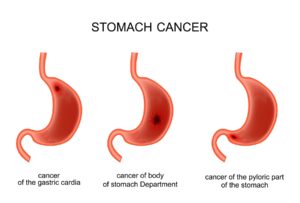
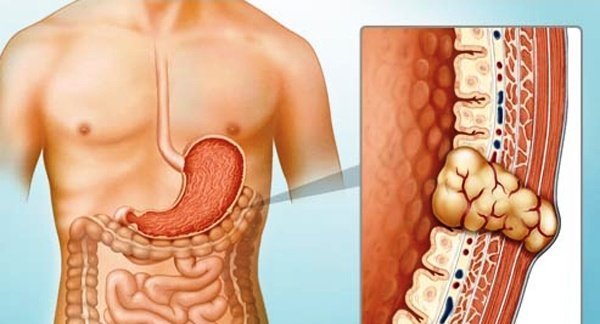
    Gastrointestinal stromal tumors are the uncommon kinds of cancer that begin to develop in the cells of the walls belonging to the gastrointestinal tract, also referred to as the digestive tract in the human body. Most of this kind of tumor start in the stomach itself and the small intestine, but it can start anywhere throughout the gastrointestinal tract. A very small amount of tumor starts from the area around the gastrointestinal tract, which is mainly in the fat and tissues present around this tract.

    There is the possibility of these cancer and tumor cells growing more in and around the area, but the speed of growth and the likeliness of spreading the tumors to other body parts depends upon various factors. These factors would include the size of the cancer cells and tumor present in the body, what is the exact location of the gastrointestinal stromal tumor in the gastrointestinal tract, how fast the tumor cells are growing and dividing, and the rate of multiplying of the tumor cells is known as the mitotic rate.

    Who all might have the risk of getting affected by the illness of Gastrointestinal stromal tumor?

    The risk factors for this kind of tumor include-

    • Being male
    • More than 50 years of age
    • Family history in the gastrointestinal stromal tumors
    • History of medical condition in neurofibromatosis type 1.
    • Inherited syndromes are rare but likely possible.

    Furthermore, the symptoms of early stages of gastrointestinal stromal tumors or cancers include pain and discomfort along with a kind of lump in the abdomen, normal or blood vomit frequently, low count of red blood cells in the body, fatigue, and laziness, loss of appetite and feeling full in the stomach all the time. All these are some basic symptoms that one might feel if one gets an early-stage effect of the gastrointestinal stromal tumors in the gastrointestinal tract.

    What are the ways to diagnose the problem of this tumor?

    When you feel discomfort in your body, and you approach a doctor, then looking at the symptoms you are having, the doctor would advise you some medicines along with some tests to get to know what is happening inside your body. A problem like gastrointestinal stromal tumor can be diagnosed in three ways-

    1. Endoscopy: This type of test utilizes a skinny and lighted tube attached with a tiny camera recording the video of whatever the device is going through. It is passed through the throat and inside the stomach. It enables the doctors to see what is in the stomach causing the patient trouble.
    2. Biopsy: It is the only way to diagnose the problem and illness of cancer. It involves picking up a few pieces of the tumor for the research to know what it is using special technologies and devices. The doctor might take these pieces at the time when endoscopy is conducted.
    3. CT scan or MRI: These are the kinds of a scan of the body that would help in knowing where the tumor is exactly present in the whole body and now where it has spread and affected all organs.

    Sutekast medication is highly known for treating gastrointestinal stromal tumors with high tolerance levels, either in the early or later stages. Its treatment involves therapies and radiations along with medications like sutekast 25 mg, sutekast has the composition of sunitinib malate. Sutekast (Sunitinib malate) side effects include having a fatigue body with laziness, but it would help in the treatment by at least stopping the growth of the tumor cells. Sutekast is one of the best medicine on Gandhi Medicos.

    sutekast capsule

  • What are the Early Signs of Kidney Cancer?

    What are the Early Signs of Kidney Cancer?

    Lenvima 4mg – Signs and Symptoms

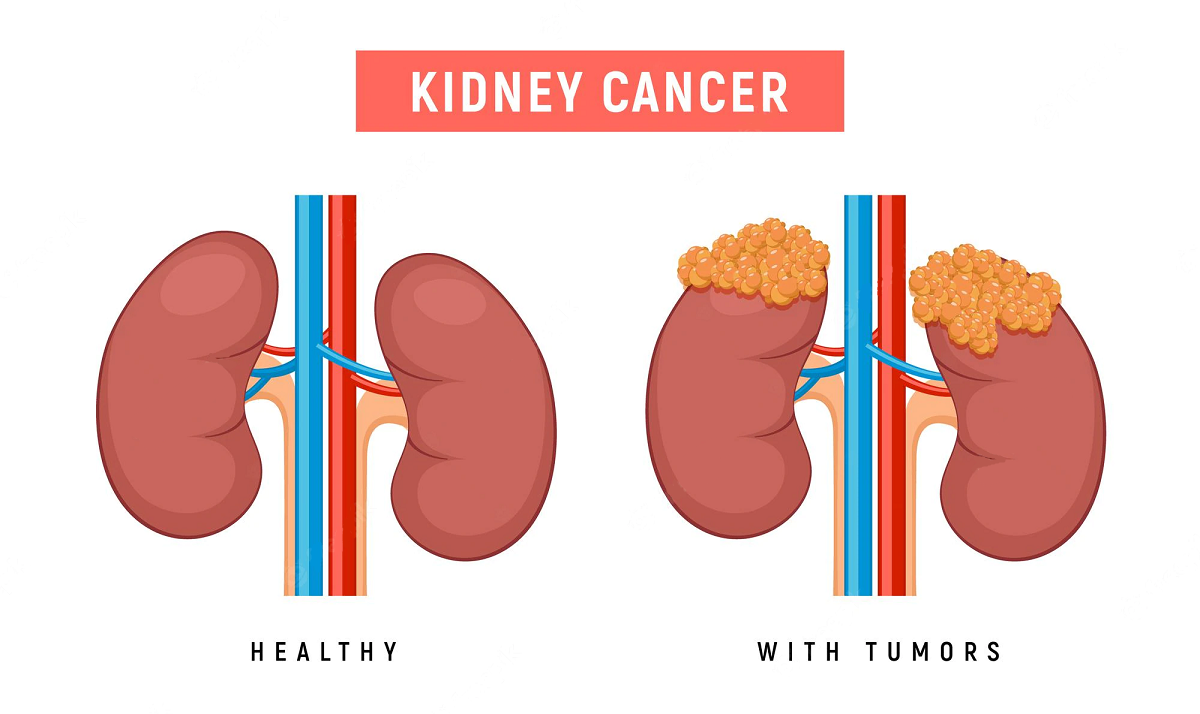
    Kidney cancer, also known as renal cell carcinoma, is a huge and deadly disease that causes the cells in the kidney to grow cancerous. This abnormal growth of the abnormal cells in the kidney will land you in the situation of kidney cancer. All the types of kidney cancer would first appear in the tiny tubules lining the kidney. In many cases, kidney cancer would be detected before they affect much of the body. But if it is not detected early and spreads out in the whole kidney or to other parts of the body, it will be fatal and might even cause death or near-to-death experiences.

    This type of cancer mostly appears in people over 40 years of age, but it is not restricted to it as there can be similar cases with people below the 40 years age mark. Most of the people who got affected by renal cell carcinoma were above the age of 40 years.

    Risk Factors

    There are many risk factors relating to kidney cancer. They are-

    • Smoking cigarettes and other substances puts you at a higher risk of coming in contact with the kidney cancer problem. People who smoke will have higher chances of having renal cancer than compared to that of non-smokers.
    • Men have a higher possibility of catching the renal cancer problem as compared to that to women. Because men are more in the number and are obese than women.
    • People who are excessively fat and obese or with higher sugar level problems are prone to have the disease and illness of kidney cancer in the near times.
    • Being on dialysis for quite a long term can also be a factor that might cause cancer of the kidney. People are on dialysis because of the failure of their kidneys.
    • People who have a genetic problem, people who had their old family members, or their ancestors who suffered from this illness can also be the reason for you catching the same. It is mostly the siblings; one sibling might pass on the same to another sibling.
    • People say that you should not be angry more frequently as it would lead to a rise in your blood pressure and health illness and diseases. Kidney cancer is also one of the things because of your high blood pressure problem.

    There are various early signs, if you watch them carefully and take necessary actions then you could prevent kidney cancer from developing more in your body. These early symptoms are-

    • Blood coming out while you are urinating
    • Pain in the lower back, mostly on just one side and not in the whole back, plus this pain is not due to any injury caused to you in recent times.
    • Feeling nauseous plus tired, along with laziness most of the time.
    • Loss in the daily appetite, unable to eat even what you used to eat comfortably.
    • Coming in contact with fever is not caused by infection or any other thing, and the fever is not going away even for a minimal amount of time.

    There are various treatments for solving the problem of this kidney disease. Out of all those, the best ones are the medications being offered. Lenvima 4mg (Lenvatinib) medicine is widely known and used to treat kidney cancer conditions in patients. Lenvima 4mg (Lenvatinib) is a medicine to be taken orally as directed by your concerned doctor.

    Lenvima 4mg medicine is one of the most used and has been proven effective in at least the earlier stage of kidney cancer. The other name or substitute of the medicine is the Lenvima 4mg which is quite effective in a similar manner against kidney cancer.


  • Types of Blood Cancers and their Treatment

    Types of Blood Cancers and their Treatment

    Ibrutinib Capsules for Leukemia and Multiple Myeloma

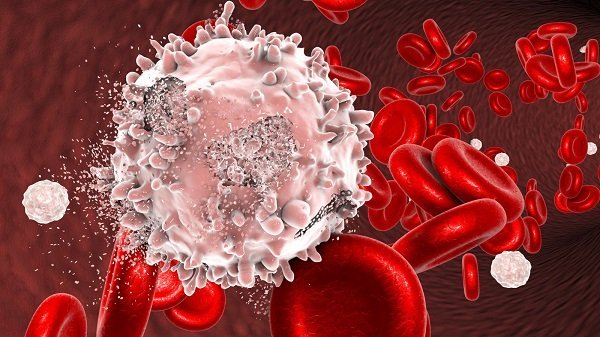
    Hematologic tumors begin in the bone marrow, producing blood, which is the case with most blood cancers. When aberrant blood cells begin to develop uncontrollably, they disrupt the function of blood cells that fight infection and lead to the development of new blood cells.

    What are the types of blood cancers?

    The common forms of blood cancers or bone marrows are discussed below:

    1. LEUKEMIA

    The type of blood cancer that starts in the bloodstream spreads to the bone marrow and comes up when the body produces excessive aberrant WBCs, interfering with the bone marrow’s ability to produce RBCs and platelets

    1. Non-Hodgkin Lymphoma

    The lymphatic system (from lymphocytes) is responsible for the origination of this variant of blood cancer. Lymphocytes are a variant of WBCs that aids the body in fighting infections.

    1. Hodgkin Lymphoma

    The type of blood cancer that arises from lymphocytes in the lymphatic system. The Reed-Sternberg cell, present in Hodgkin lymphoma, is a type of aberrant lymphocyte.

    1. Multiple Myeloma

    This is a variant that starts in the plasma cells of the blood.

    Now, Let’s discuss the forms of blood cancers or bone marrows that are less common:

    1. Myelodysplastic Syndromes
      Damage to blood-forming cells in the bone marrow can cause these uncommon disorders.
    2. Myeloproliferative neoplasms
      The leading cause behind these uncommon disorders is the same as mentioned above.

    Rare blood malignancies develop during the generation of excessive WBCs, RBCs, or platelets. Essential thrombocythemia, polycythemia vera, and myelofibrosis are the three primary subtypes.

    1. Amyloidosis
      This condition, defined by the accumulation of amyloid (an aberrant protein), is not cancer. It is, nevertheless, closely linked to multiple myeloma.
    2. Waldenstrom macroglobulinemia
      The origination of this variant takes place in B-cells via non-Hodgkin Lymphoma.
    3. Aplastic anemia
      When crucial stem cells are destroyed, this rare illness develops, and the only way to treat it is by transplanting bone marrow.

    What causes blood cancer?

    Modifications in the DNA of blood cells are the root cause of all blood malignancies. Various risk factors differ depending on the variant of blood cancer.

    The cells start to misbehave due to this. These are not genetic faults that might be handed over to offspring since they arise during a person’s lifespan.

    Origination of blood cancer

    Trillions of microscopic building units called cells make up your body. Every aspect of your body, including your blood, comprises cells.

    Your body’s cells die and are replaced all of the time. This is the process by which your body develops and heals. Cells typically split in a controllable environment to produce new cells as needed.

    DNA is a molecule in all living cells that regulates how they grow, function, and die. If some disruption occurs within the DNA of a blood cell, it may fail to form or function properly, die when it should, or split and proliferate too quickly. Blood cancer may result as a result of this.

    Atypical blood cells can continue to grow in blood cancer. They could be malfunctioning and preventing healthy blood cells from performing their functions. This can prevent your blood from functioning normally, such as fighting infections and repairing your body.

    Medication for Cancer – Iburunat 140mg  capsule (Ibrutinib)

    Ibrutinib uses

    Ibrutinib is used for treating the people:

    1. Having MCL – Mantle Cell Lymphoma, a variant of cancer that originates in the cells comprising the human body’s immune system.
    2. Having CLL – Chronic Lymphatic Leukemia, a variant of cancer originating in the WBCs comprising the blood.
    3. Having WM – Waldenstrom’s Macroglobulinemia, a variant of dilatory cancer that originates in the WBCs fighting infections in the human body.

    Ibrutinib assists in preventing cancer cells from spreading. However, consuming Ibrutinib might lead to side effects such as constipation, improper sleep patterns, lack of appetite, rashes, itchiness, Nausea, anxiety, blurred vision etc. Ibrutinib is the best medicine.

  • What are the Warning Signs of Prostate Cancer?

    What are the Warning Signs of Prostate Cancer?

    Abirapro 250 mg

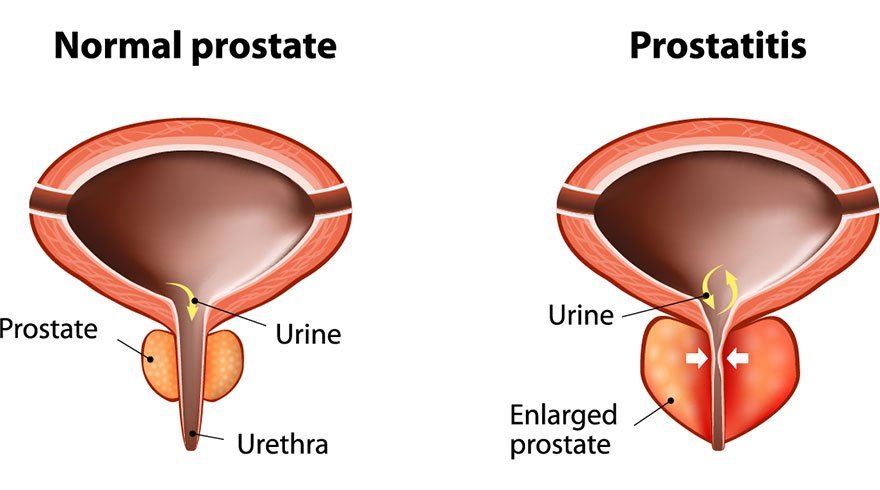
    One of the commonest types of cancer in men is prostate cancer. The prostate is a type of small gland present part of the male reproductive system. Often there is rarely any symptom that can be noticed in the early phase of cancer. However, few signs can signal that something is wrong and serious in the prostate. Also, the warning signs may differ from one man to another for prostate-specific androgen, and digital rectal tests are important.

    Prostate cancer can be treated easily if detected at an early stage. Effective drugs like abirapro 250 mg should be taken as prescribed by the doctor. Even in the case of noncancerous prostate conditions such as prostate enlargement, medical attention is required as delay in this type of serious condition can worsen your case.

    Following are the five potential warning symptoms of prostate cancer.


    • Blood in semen or urine
    • Burning painful sensation during ejaculation and urination
    • Erectile dysfunction (quite sudden)
    • Frequent urination, which happens mostly at night
    • Facing difficulty in starting or stopping urination

    Some other early symptoms of prostate cancer consist of a weak flow of urine and painful experience around the prostate when sitting. If cancer starts spreading beyond prostate glands, the person will also experience swollen lower body parts, bone or hip pain, weight loss, and abnormal urinary or bowel habits. In such cases, abiraterone 250 mg is prescribed by physicians to delay the warning signs and prevent the cancerous condition from worsening.

    Are there any risk factors for prostate cancer that has to be considered? 

    Researchers of cancer have detected several risk factors in men, increasing their chance of developing this type of cancer in prostate glands. However, you need to keep in mind that if you are experiencing any one or two risk factors, it doesn’t mean that you’ve got this disease. It is important to get all screenings for prostate cancer. If you have prostate cancer, you need to take highly effective medicines like abirapro 250 mg (abiraterone acetate).

    Age

    It has been found that prostate cancer is a serious disease that occurs in elderly men, and the majority of cancer cases occur in men who are older than sixty-five. The likelihood of people having prostate cancer increases after the age of fifty. There are very few cases of men in the age of 30s to suffer from prostate cancer.

    Race/ethnicity

    As per the American Cancer Society reports, the Caribbean and American men have higher risk factors for developing prostate cancer than other factors. On the other hand, Hispanic and Asian American men have low rates of prostate cancer compared to non-Hispanic races.

    Family history

    Although prostate cancer can occur without a family history, men whose brother or father has been diagnosed and treated with prostate cancer have a higher risk of developing prostate cancer.

    What should you do if you are diagnosed with prostate cancer? 

    If you observe any of the above warning signs of prostate cancer or have the risk factors, consult with your physician. Timely medical intervention and medication like abirapro 250 mg are important.

    Treatment of prostate cancer

    Doctors are aware of abiraterone acetate uses (abirapro 250 mg), so they prescribe this medication to men with prostate cancer. Prostate cancer may not show signs in the early phase, and so cancerous cells multiply and spread around the glands. abirapro 250 mg work by delaying the symptoms and preventing the multiplication of cancerous cells.

    abirapro 250 mg

  • Is Gastrointestinal Stromal Tumor Curable?

    Is Gastrointestinal Stromal Tumor Curable?

    Sunitinib Capsule

    Cancer is an extremely dangerous disease that is caused due to development of abnormal cells which continue to multiply inside the body and destroy the normal body tissues. It can spread to other parts of the body through blood or lymph. There are many types of cancer. One of such is the Gastrointestinal Stromal Tumor. According to the data presented by WHO, many cancer deaths are caused by not getting enough physical activity, low consumption of fruits and vegetables, tobacco, and alcohol.

    Gastrointestinal Stromal Tumor

    Gastrointestinal Stromal Tumor is a type of cancer, and it is the most common primary mesenchymal tumor of the digestive system of the gastrointestinal tract. These tumors mostly occur in older adults, with a median age of about 60-65 years, and are equal in men and women.

    This tumor is rare but can be managed well if treated with an experienced and good team of doctors. Before getting cured, the patient should know their treatment plan. The treatment options and healthcare depend on numerous factors such as type, stage of the tumor, side effects possible, medical history of a patient, and patient’s current health. The best treatment is chosen also looking at the features of the tumor present like genetic function, size, the number of cells divided, location, and whether it has spread or not.

    The different types of treatments for such tumors are mentioned below:

    • Surgery

    It is the removal of the tumor, and some healthy tissues present around it during the operation. A doctor specializing in treating cancers and tumors through surgeries is known as Surgical Oncologist. Surgery is performed only if some limited amount of tumor is present inside the body and its location is traceable. For localized tumors, surgery should be performed at the earliest to prevent further damage. It is difficult to cure if the tumor is present in various locations.

    • Therapies Using Medication

    The medicated treatments kill the tumor cells present inside the human body. These medications may be given through mouth, as a pill or a capsule, or through the bloodstream, by an intravenous tube placed through a vein. Medical oncologists are the specialized doctor for such kinds of treatments, and the advisory of such doctors gives the medicines. The medications used for curing through the treatment are continually evaluated, and a check is always on there on the medicine and the patient. The patient should always talk with their doctor to know their medication plans and scenarios before getting an overview of the treatment.

    • Targeted Therapy

    Such therapy treatment targets some particular genes, cells, tissues, or their environment to block the growth and spread of cancer cells and limit the damage to some extent to the other healthy cells of the body.

    • Chemotherapy

    It involves using drugs to kill cancer cells and prevent them from growing and dividing among healthy cells. But standard chemotherapy is not suitable for Gastrointestinal Stromal tumors, and this technique should be avoided.

    • Radiation Therapy 

    This therapy uses high x-ray energy to destroy cancer cells. The specialized doctor in this field is called a radiation oncologist. The radiation given from a machine outside the body is called external beam radiation therapy. When the radiation is given using implants, it is internal radiation therapy or brachytherapy.

    Most important medicine- Sunitinib capsule

    Sunitinib capsule is a drug used to cure gastrointestinal stromal tumors, with proper medical advisories about the medicine from the doctor. Sunitinib capsule is a kind of targeted therapy where medicine is given to kill cancer cells through pills/capsules. According to one’s lifestyle, this medicine can be taken with or without food as advised by the doctor. Sunitinib capsule helps in the stages when cancer comes up again and again. It stops the growth of wrong cells and stops the growth within the blood vessels. Sunitinib capsule (Sunitinib Malate) can be proved effective against this tumor.

    Conclusion

    There are so many treatments to cure Gastrointestinal Stromal tumors, like how Sunitinib 50mg capsule uses its capabilities to fight against the illness. Still, in some critical conditions, even these treatments do not work. Such a scenario is terminal, and one may never recover from the disease. One might have to give their health priority from the beginning of their lives so that they do not face any such deadly or incurable diseases when they grow up. No one wants to live their life on hospital support. Everyone should be made aware and live a healthy lifestyle.