Category: Anti Cancer

  • What is the Survival Rate of Non-Small Cell Lung Cancer?

    What is the Survival Rate of Non-Small Cell Lung Cancer?

    Non-Small Cell Lung Cancer

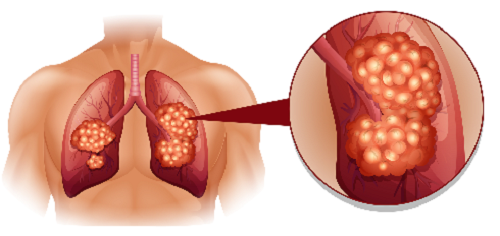
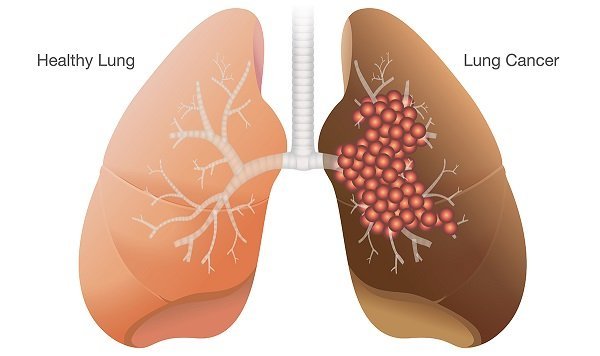
    Non-small cell lung cancer is also known as non-small cell lung carcinoma. The non-small cell means how cancer cells look under a microscope. When the cells appear small, they are known as small cell lung cancer or SCLC. As per research, non-small cell lung cancer or NSCLC, doesn’t spread rapidly like SCLC and therefore has a much better survival rate. Most people in the early phase of NSCLC can survive at least five years; however, the survival rate will be low if the cancer spreads to your tissues during diagnosis.

    What is the five-year rate of survival for NSCLC? 

    Five-year survival rate means a certain percentage of individuals infected with any cancer can stay alive for five years after diagnosis and treatment. Therefore, a five-year survival rate measures the deadlines for particular cancer. The average survival rate for non-small cell lung cancer cells is much higher than the survival rate of SCLC. As per some research, the five-year survival rate for NSCLC is relatively 25%. Several factors decide the survival rate for NSCLC-

    • Age
    • Overall health conditions
    • Extent of cancer
    • NSCLC subtype

    If the cancer is only limited to the lungs, then the 5-year survival rate for NSCLC is 63%. If cancer spreads to your body’s nearby tissues, then the survival rate is 35%, and if it gets spreads to maximum distant tissues, then the 5-year survival rate is 7%. With the advancement of drugs like Erlocip 100 and technology, the 5year survival rate for lung cancers has increased to 22.1 % from 11.5% between 1985-2013.

    Is there any treatable option for NSCLC?

    NSCLC can be treatable if treatment methods start before cancer spreads to other parts of the body. If it remains limited to only a small portion of your lungs, it is treatable with the help of surgery. The advanced stage of cancer needs additional advanced treatment methods. Following are the treatment methods for Non-small cell lung cancer that can improve the survival rate –


    • Laser therapy
    • Surgery
    • Radiation therapy
    • Photodynamic therapy
    • Immunotherapy
    • Chemotherapy
    • Electrocautery

    New treatment methods and radiosensitizers are in clinical trials now to improve the survival rate of Non-small cell lung cancer.

    Is non-small cancer lung cell slow-growing?

    As compared to SCLC, NSCLC is slow-growing and has a positive outlook. Several factors influence the speed of cancer progression among people. Timely detection of cancer and early treatment methods and taking effective medicines like erlotinib 100 mg regularly on recommendation of your healthcare provider help slow the rate of the quick progression of cancer to other parts of the lungs and tissues. If you leave NSCLC untreated, it will spread to other body parts and result in a low survival rate.

    Takeaway

    Non-small cell cancer lung cells are common lung cancer. It has a positive outlook if the cancer is detected before it starts spreading to your lungs and tissues. About ⅔ of people diagnosed with early phase cancer can survive for a minimum of five years. Advanced Non-small cell cancer is known to have a low rate of survival.

    If cancer spreads to the nearby tissues, then your chance of survival will drop to one in three, and if cancer spreads to other distant tissues, the chance of survival drops to one in ten. The treatment methods of Non-small cell lung cancer are improving with each passing day, and rates will rise in the upcoming future. Medicines like Erlotinib are helping to increase the survival rate over time.
    Non-Small Cell Lung Cancer

  • What is the Prognosis of Chronic Lymphocytic Leukemia (CLL)?

    What is the Prognosis of Chronic Lymphocytic Leukemia (CLL)?

    Chronic Lymphocytic Leukemia

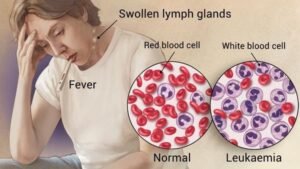
    CLL(Chronic lymphocytic leukemia) is cancer that adversely affects the bone marrow and blood. Bone marrow is a spongy and soft substance located within the bones that produces many blood cells. This cancer is mainly caused due to genetic mutation that takes place in the DNA of those cells which produces blood. The main cause of such mutations is not determined.

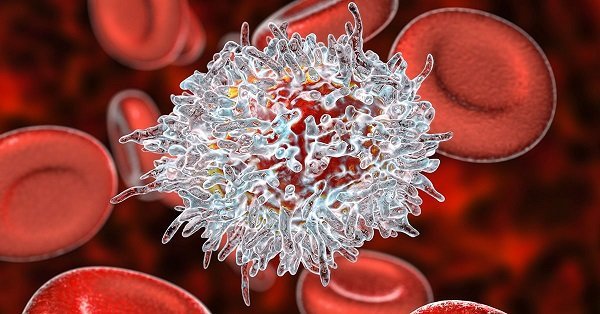
    A person’s bone marrow suffering from CLL produces ample Lymphocyte, which is a kind of white blood cell. Still, they can’t function effectively, which results in further problems by interfering with the production of other blood cells. Some symptoms of CLL are-

    • Weight loss
    • Large lymph nodes
    • Fever
    • Abdominal fullness
    • Frequent causing of infection
    • Night sweat
    • Tiredness

    What is the Survival Rate/Prognosis for CLL? 

    The survival rate for CLL is higher than other types of cancer. The survival rate of five years CLL affected patients are 83%. In other words, 83% of people dealing with this condition remain alive five years after diagnosis. But for the people beyond the age of 75, the five-year survival rate to drop less than 70%.

    Symptoms, disease risk, and age factors help determine treatment options. The doctor monitors CLL’s early stages and starts treatment as the situation progresses. Treatment may not start if early-stage cancer with low risk is detected by imaging tests, blood tests, and bone marrow biopsy. Patients in the advanced chronic lymphocytic leukemia stage with higher risk can improve their survival rate through different treatments. Treatments include combining chemotherapy drugs for killing cancerous cells. A bone marrow stem cell transplant is another treatment plan that helps stimulate the production of healthy blood cells.

    Outlook for Chronic Lymphocytic Leukemia

    Doctors detect the stage of cancer and see how patients respond to the treatment and specific genetic and cellular markers. They perform a diagnosis and stage the diseases in two systems: Binet and Rai. A B, C system is used in the Binet staging system. The Rai staging is common in the US that states five stages from 0-4. Stage 0 is s low-risk stage, the 1-2 stage has intermediate risk, while the 3-4 stage is a high-risk one. The more will be the risk, the more quickly the chronic lymphocytic leukemia will advance. Survival rates are more positive in young patients who have good health conditions, have favorable cellular markers, and have FCR combination chemotherapy.

    Treatment options for CLL

    Doctors recommend effective medication such as ibrutinib capsules (ibrunat 140 mg) and Nitib 140 mg, which treat CLL. Patients who have this cancer can get treated quickly with the consistent use of such medications.

    Why are Ibrutinib Capsules Prescribed? 

    There are many ibrutin uses, and it helps in the following treatment:

    • Treatment of MCL or mantle cell lymphoma, fast-growing cancer that develops in a person’s immune system cells.
    • Treatment of CLL Or chronic lymphocytic leukemia, which is a type of cancer that starts in white blood cells, and SLL, small lymphocytic lymphoma, which is a type of cancer that starts in lymph nodes.
    • Treatment of MZL or marginal zone lymphoma that, is a slow-growing cancer and develops in white blood cells, which protects your body against infection.

    Ibrutinib capsules belongs to a class of medicine known as kinase inhibitors which block the action of an abnormal and abrupt protein that lets cancerous cells multiply. Ibrutinib capsules helps in preventing the cancer cells to spread to the entire body.

     chronic lymphocytic leukemia

  • What is the Survival Rate of Gastrointestinal Stromal Tumors?

    What is the Survival Rate of Gastrointestinal Stromal Tumors?

    Gastrointestinal Stromal Tumors

    GIST are curable in the first stage. However, there’s a risk factor of recurrence. The five-year survival rate of patients suffering from GIST is around 83%; however, it may vary in factors and stage of GIST. This statistic is based on the people who have been diagnosed between the years 2010-2016.

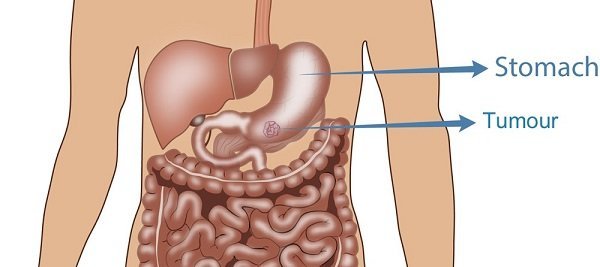
    Nowadays, new therapies are developing with a personalized approach to offering effective treatment. GIST or Gastrointestinal stromal tumor is a type of cancer that develops in the GI or gastrointestinal tract.

    The outlook that people have towards GIST and survival rates can vary from one person to another. It mostly depends on the cancer stage on diagnosis and if the cancerous cells are dividing and growing rapidly. The overall outlook of people about GIST is improving as the targeted therapies of the new generation are introduced.

    The gastrointestinal stromal tumor survival rate

    There are three stages of GIST cancer, and the following are the statistics showing the survival rate of people who were diagnosed with GIST between 2010-2016

    • Localized 

    The survival rate in this stage is 93% since the cancer is known to remain in the organ from where it has begun.

    • Regional spread 

    The survival rate in this stage is 80%, as cancer is detected in the nearby tissue region.

    • Metastatic 

    The survival rate in this phase is 55%, and in this stage, cancer starts spreading to other parts of the body.

    As reflected in statistics, these survival rates can be better as more cancer treatments and effective medicines like Sunitinib Malate are developing and advancing for gastrointestinal stromal tumor at rapid rates.

    Outlook

    Doctors take the following factors into account for the diagnosis of gastrointestinal stromal tumor-

    • Location and size of the primary tumor.
    • If surgery can remove the tumor safely.
    • The rate at which cancerous cells are advancing.
    • Age of patient and health condition.

    GIST is a common disease usually in people beyond 40 years of age. However, teens, adults, and children can also be diagnosed with GIST.

    Whether GIST is curable or non-curable? 

    GIST is curable with positive survival rates if an early-stage tumor is only present that can be removed surgically without affecting the vital organs. Here a minimally invasive laparoscopic surgery is done. Many people make a complete recovery without the requirement to do further treatment. A surgery is enough to cure gastrointestinal stromal tumor that includes a tumor of less than two centimeters. However, cases will be recurring if tumors are bigger than 2cm in size. Cases will certainly be recurring for tumors that have a size of 10cm. Although the physician declares that you’re cured or cancer-free, you need to do consistent follow-up tests for monitoring recurrence.

    Some tumors can’t be removed surgically either because they have spread to other body parts or large. But the cancer is treatable and curable if targeted drugs like Sunicine are used to treat gastrointestinal stromal tumor. TKIs or tyrosine kinase inhibitors help shrink tumors, relieve symptoms, and slow the spread of cancer.

    Sunitinib – Description and Side effects

    A prescribed medicine that helps treat and cure gastrointestinal stromal tumors, neuroendocrine tumors, and renal cell carcinoma is Sunitinib. It belongs to a class of drugs referred to as Tyrosine Kinase Inhibitor.

    Sunitinib malate side effects

    Some common side effects of Sunitinib are-

    • Breathing difficulties
    • Fever
    • Loss of appetite
    • Skin pain
    • Swelling of lips, face, throat, tongue
    • Tiredness
    • Itching
    • Dark urine
    • Numbness, pain, redness
    • Unusual bleeding
    • Nosebleed
    • Red or purple spots
    • Jaundice
    • Decreased urination

    Consult a doctor immediately if you notice any of the above symptoms.

    Gastrointestinal Stromal Tumor

  • How to Prevent Prostate Cancer?

    How to Prevent Prostate Cancer?

    Helping Men Prevent Prostate Cancer

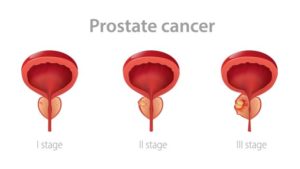
    Prostate cancer is a common and serious type of cancer that affects men. It is the sixth prime cause of death in people and is known to be highly prevalent in the United States and India. Although the figures are rising, this cancer can be controlled by taking more preventive measures. Prevention of prostate cancer helps in lowering the risk of spreading this disease. It is a disease that results in abrupt or uncontrollable growth of cancerous cells in the men’s prostate gland, which is mainly responsible for promoting men’s reproductive health.

    Some ways to prevent prostate cancer are as follows-

    1. Eating healthy food 

    Always eat a healthy diet containing more fruits and vegetables to prevent the risk of prostate cancer. As per many studies, antioxidant-rich food helps prevent prostate cancer gland cells from being damaged. Leafy vegetables and red fruits protect men against prostate cancer as they are rich in an antioxidant called lycopene. Abiraterone 250 mg is prescribed by a doctor to treat prostate cancer. If you have prostate cancer, take this medicine and a healthy diet. Abiraterone 250 mg price can be bought from a chemist shop or online.

    1. Take vitamin supplements

    Vitamins, as well as minerals, ensure the well-being of a person and help in prevent prostate cancer. As it is not always possible to intake balanced means of vitamins and minerals naturally, supplements help compensate for nutrient demand. People take abiraterone medication and a balanced diet that helps them in effective prostate cancer treatment. It is better to use this medication consistently as prescribed by the doctor if you want to derive the most benefit.

    1. Perform exercises

    Exercise is highly important to ensure cancer prevention. Exercises help promote good blood circulation, uplift mood, and remove toxins from your body. It also helps in boosting the immunity system. It is always advisable to engage in physical activities irrespective of your body weight.

    1. Get early screening

    The symptoms of developing prostate cancer are always not noticeable, especially in the early stages. People misinterpret the symptoms of some other medical condition. It is always advisable to detect prostate cancer by performing early screening. If cancer is detected in its early stages, then with the help of effective treatment, cancer can be combated, and the patient may recover early. For instance, Abirapro 250 mg is an effective medicine that treats prostate cancer.

    1. Restrict consumption of alcohol intake: 

    Consumption of alcohol in an uncontrolled way affects your heart health. It may result in blood cholesterol and blood pressure problems. One main preventive measure is to limit the intake of alcohol condition. If you have risk factors for prostate cancer, then restrict alcohol consumption.

    1. Quit smoking

    Consuming tobacco harms your health. It develops cancerous cells in the prostate gland and worsens the health condition. If you want to prevent prostate cancer, then quit smoking.

    What are the Medicines that help to prevent prostate cancer? 

    Men suffering from BPH or prostate hyperplasia are prescribed abiraterone acetate tablets which reduce the risk of prostate cancer. You can know the abiraterone acetate tablets price from a local chemist shop or online. It is always advisable to discuss the strength and dosage with your physician.

    Abiraterone acetate uses

    Abiraterone acetate uses arefar and wide, which helps treat prostate cancer. It belongs to a class of drugs called anti-testosterone or anti-androgen. It blocks the process to produce testosterone which ultimately slows the spread and growth of prostate cancer.

    Prevent Prostate Cancer

  • What are the Early Kidney Cancer Symptoms?

    What are the Early Kidney Cancer Symptoms?

    Kidney Cancer Symptoms

    The bean-shaped organ known as the kidney is attached at our abdomen’s back wall and firmly tucked below the ribs. When cells in your kidney begin to grow uncontrollably, it develops into kidney cancer, also known as renal cancer. It is difficult to detect kidney cancer in the early stage itself. Kidney cancer is detected via ultrasound or X-ray for another medical condition in most cases. Several factors lead to delays in diagnosing kidney cancer.

    One such factor is the location of the kidneys, which is quite deep inside, so it is less likely for small tumors to be seen during a physical examination. Signs seem to develop when the disease starts developing and grows much beyond the kidneys- especially to the lungs, lymph nodes, liver, or bones. Adsunib 50mg capsules is an anti-cancer medicine that prevents malignant cells from multiplying and spreading the disease by obstructing tyrosine kinase, the enzyme receptors.

    Symptoms

    One of the most common kidney cancer symptoms are hematuria or blood in the urine, dark red or rusty red. Some other signs include-

    • Loss of appetite
    • Weight loss
    • Persistent pain or pressure in the lower back region
    • Lump or mass on the lower back or side
    • Fatigue
    • High blood pressure
    • Testicle swelling
    • Anemia
    • Swelling in ankle or legs

    The kidney cancer symptoms of this cancer in female are the same as in male. These signs are an indicator of a kidney tumor. However, some patients who have kidney cancer may experience symptoms other than the ones listed above, while some may not experience any of these symptoms

    What are the early warning signs or symptoms of kidney cancer?

    A laboratory test reveals kidney cancer diagnosis before kidney cancer symptoms start becoming more noticeable. For instance- routine urine tests can detect blood traces that even a human eye can’t locate. It signs also can be known through CT or computed tomography scan that includes x-rays taken from different angles and are also computer-processed to convert into 3D images.

    An imaging test or study detects growth and development in the kidney and talks about a noncancerous cyst from a cancer tumor when an injection of dye is made into a vein beforehand. Adsunib 50mg Capsule is a medication that helps treat kidney cancer and gastrointestinal stromal tumors.

    MRI or magnetic resonance imaging provides detailed images of your kidneys with the help of magnetic fields and a computer in place of X-rays. A dye named gadolinium is used during MRI that helps in increasing the visibility of cancer tumors. The light and dark spots on kidneys detected through MRI and CT scans can indicate cancer. The light/dark spots in the kidney scan may vary and are used to differentiate between cysts and tumors. Image cancer is detected as light spots in an ultrasound, while benign cysts appear as black spots.

    Kidney-Cancer_symptoms

    Finally, signs of the presence of kidney tumor can be looked at using ultrasound that makes use of sound waves and detects if a mass inside the kidney is a solid tumor or fluid-filled cyst. Depending on the stage of kidney cancer, doctors decide the treatment plan and medication for the patients.

    Sunitinib Malate is an effective medication that helps treat kidney cancer symptoms. It is always better to take this in the appropriate dosage prescribed by the doctor. If used incorrectly, then it may lead to life-threatening adverse implications.

  • Are All Gliomas Malignant?

    Are All Gliomas Malignant?

    Temonat 250mg Capsules

    A Glioma is a tumor of the brain where glial cells grow uncontrollably. Glial cells support nerves and coordinate in the working of the central nervous system. Usually, Gliomas grow in the brain, but it should be no surprise if someone is diagnosed with glioma in the spinal cord. Hence Gliomas are not localized and can grow anywhere in the central nervous system. Medical researchers have claimed that 70 percent of Gliomas are malignant in the US. Gliomas are malignant or cancerous, but it is not always the case. Some types of Gliomas grow very slowly but get aggressive over time. They originate in the brain and can spread to the spinal cord. Gliomas are considered fatal and life-threatening as: –

    ● They are hard to attend. Sometimes they are located in the middle of the brain. So, surgery becomes difficult.
    ● They can spread to other portions of the brain.

    Here are some of the facts and information are given below about Gliomas: –

    1. Causes

    The main cause of glioma is the dangerous mutations in DNA sequencing. DNA is the genetically transferred material from parents to babies. It guides cells on how to divide and multiply. If a dangerous mutation happens, resulting in the exponential growth of cells without any reason, it causes Glioma. It can also be genetically inherited.

    2. Who is at risk?

    Glioma can attack anyone of any age and any gender. But here are some points that increase the risk of Glioma:

    Age – People above 65 and children below 12 years of age are most prone to glioma.
    Ethnicity – A study in the United States has revealed a surprising fact that white people are more likely to suffer from glioma than other races and ethnicities.
    Family history – If your parents or grandparents have suffered from glioma or brain tumor, you have a higher risk of glioma due to genetic inheritance.
    Gender – Women are more likely to develop glioma than men.
    Radiation Exposure – Prolonged and frequent exposure to radiation due to chemotherapy and other medications may increase your chance of developing Glioma. Temonat 250mg capsules is the best medicine for Giloma.

    3. Symptoms

    The symptoms of glioma are:

    ● Can’t speak or communicate clearly.
    ● Trouble in the adaptation of cognitive skills like thinking, learning, etc.
    ● Balance-making power deteriorates.
    ● Dizziness and tiredness
    ● Risk of bipolar personality increases
    ● Extreme Headache
    ● Hemiparesis
    ● Nausea and vomiting frequently
    ● Seizures

    If you have any of these symptoms in your or anyone’s body, immediately contact your doctor and consult him. Because if glioma is detected at an early stage, it becomes easier to cure it.

    4. Complications and Diagnosis

    There arise multiple life-threatening and fetal complications due to glioma. They are listed below:
    ● Brain hemorrhage is bleeding of blood in the brain due to blood vessels bursting.
    ● The buildup of fluid inside the brain and the condition is called Hydrocephalus.
    ● The pressure inside the skull increases drastically, which is also adverse for other organs’ proper functioning.
    ● Seizures
    ● The herniation of brain tissues is due to the pressure exerted by glioma, and the condition is called brain herniation.

    Diagnosis of Glioma can easily be diagnosed by a medical professional by MRI and CT scan. If the doctor sees any abnormal mass in your scans, then he can conduct a biopsy, which can confirm whether the mass is glioma or not.

    5. Treatment

    The treatment of glioma depends upon various factors like age, health condition, earlier brain health history, location, type and size of glioma, etc. In most cases, surgery is performed to completely remove the glioma from the brain. Still, medications are preferred due to poor health conditions and the age of many patients. Medications include radiation therapy and chemotherapy. One of the most popular drugs given at the time of chemotherapy is Temonat 250mg capsulse. Temozolomide uses are many that include improving the efficacy and effectiveness of radiation therapy. Temonat 250mg capsules is a worldwide recommended medicine for glioma’s medication. Chemo Temonat 250mg capsules is affordable as well and has minimal side effects.

    Temonat 250mg capsules

    Hence, Gliomas are initially benign, but their growth turns into a malignant form if ignored. Hence proper care must be taken. One should take no risk in case he is diagnosed with Glioma. It is a treatable disease if handled with precautions.

  • What Causes Colon Cancer in Females?

    What Causes Colon Cancer in Females?

    Colon Cancer

    Females are called the better half of men. They rear our future generations as well. But God does play his game in a balanced approach. He gives both happiness as well as grief.

    Similarly, in the beauty of the female body, cancer can grow significantly in the breast, spines, stomach, colon, etc. It is the third most common type of cancer in females in the US. Here is the detailed overview and description of colon cancer in females: –

    Causes

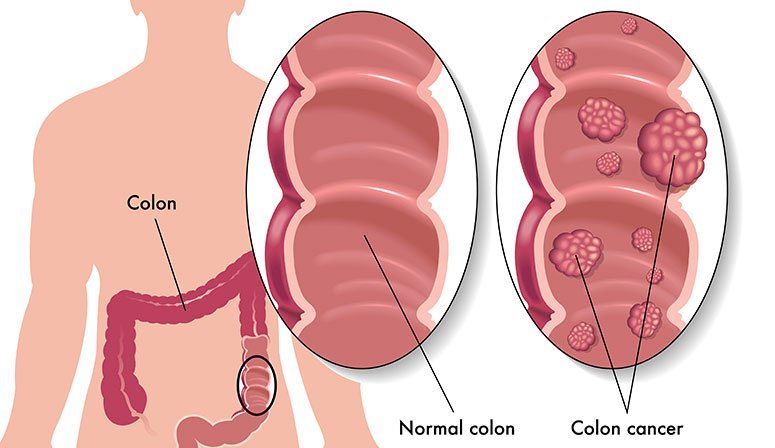
    There are multiple reasons for colon cancer in females. Tiny cell growth begins in the inner walls of the colon, called polyps. Polyps are generally non-cancerous and non-malignant, but when it turns to cancerous nature, it spreads to the colon’s outer lining and other parts of the intestine. Some of the prevalent reasons are listed below: –

    •   Age factor: Women above 50 are more prone to colon cancer, but younger women can get colon cancer, too.
    •   Personal history of previous polyps: If a woman is diagnosed with a benign, non-cancerous polyp in the past, she has a very high chance of developing cancerous polyps.
    •   Family history and genetics of polyps: If someone in the older generation is already diagnosed with colon cancer, you may likely inherit his cancerous disease through genes.
    •   Radiation therapy: It is also seen in medical studies that females who were taking radiation therapy for some other diseases like stones in the kidney, cervical cancer, etc., may get cancer due to excessive radiations induced in the tissues of the colon.
    •   Unhealthy lifestyle: Eating Junk food daily, never doing exercises, excessive alcohol consumption, etc., are signs of an unhealthy lifestyle. And due to this indigestion, constipation and other gastrointestinal ailments can cover you, and your colon also gets harmed in this process. The colon can develop polyps which may be carcinogenic.
    • After menopause in women, the chances of getting all types of cancer, including colon cancer, increases significantly.
    • Hormonal therapy can also induce polyps growth.

    Since cancer is an ever-growing topic, our understanding of it increases day by day. But these are only some of the proven causes of colon cancer. Never hesitate to visit your doctor if you feel anything uncommon in your body.

    Symptoms

    Some of the common and generally seen symptoms are listed below: –


    • frequent constipation and diarrhea
    • blood in the stool or rectal bleeding often
    • Pain in the abdominal area or cramps.
    • Unpleasant and incomplete bowel movement
    • Weight loss due to unknown reason
    • fatigue, weakness, and tiredness

    Diagnosis and Treatment

    An early diagnosis is a very important step in treating this cancer. A study shows that if diagnosed early, the chances of getting cancer treated increase to 90 percent. Some of the common measures taken by doctors to diagnose cancer are: –

    • Fecal immunochemical testing (FIT) or high sensitivity guaiac-based fecal occult blood testing
    • Colonoscopy every year
    • Gene test
    • Biopsy of colon tissues
    • Computed Tomography CT scan
    • Ultrasound

    The treatment includes various processes and differs from person to person. Various points on which the treatment depends are age, lifestyle, localization of cancer, the spread of cancer, blood level, etc. Some of the prevalent medically successful treatment methods are: –

    • Surgery
    • Medication through medicines like regorafenib 40 mg inhibits the action of the protein, which helps multiply cancerous cells. Regorafenib 40 mg tablet is easy to use, and its side effects are also minimal. Regorafenib 40 mg prices are also affordable as compared to other similar treatments. Resihance tablets are recommended by doctors globally to kill cancer cells.
    • Radiation therapy like Chemotherapy is used when colon cancer spreads to lymph nodes. Sometimes it is used before the surgical procedure as well.
    • Targeted immunotherapies

    Hence seeing all these prospects, it is very easy to understand the causes and treatments of colon cancer. Compulsory and regular visits to the doctor help a lot in colon cancer early detection. So, we should take utmost care of our body by maintaining a good and healthy lifestyle and exercising.

    Colon Cancer

  • What is the Life Expectancy of Multiple Myeloma?

    What is the Life Expectancy of Multiple Myeloma?

    Multiple Myeloma

    It is a cancer of mature plasma cells in the bone marrow. This can cause bone pain in the chest or spine, nausea, fatigue, frequent infection, constipation and weight loss. It is a very common disease in India and treatable by medicines and other medical ways. It is common in people at the age of 60 years and above. It is common in male and is a life-threatening problem.

    Also, it is recommended to see the doctor as soon as one feels that he is suffering from this. The exact cause for the same is unknown but family history and exposure to certain radiation are two reasons. Few times it is asymptomatic but mostly, it shows one or all the symptoms. Symptoms are hypercalcemia, anemia and bone problems.

    Cause for multiple myeloma

    The specific reason for multiple myeloma is obscure. Nonetheless, it begins with one strange plasma cell that quickly increases in the bone marrow by a larger number of occasions than it ought to. The subsequent harmful myeloma cells don’t have a typical life cycle. Rather than duplicating and afterward in the end kicking the bucket, they keep separating endlessly. This can over power the body and impede the development of solid cells.

    Life expectancy of someone having multiple myeloma

    There are different stages in multiple myeloma. There are basically three stages of myeloma.

    • If it’s in stage 1, then there is a chance for a person to survive up to 62 months
    • In stage 2, the chance of survival is 44 months
    • And in stage 3, person can live up to 29 months

    Generally, people are able to live for 5 years after getting diagnosed. To diagnose multiple myeloma, physicians diagnose with bone marrow aspirations or biopsy. To determine bone lesions, there are two other tests such as blood monoclonal immunoglobulin and radiology test. This is not it. There are several other tests at different stages of multiple myeloma.


    Medication

    This disease is life threatening and once we fall trap to this, there is hardly any going back. You can just delay things but cannot avoid them. There are different medicines for this to be treated. One of them is Bortezomib whose brand name is Bortenet. This medicine is especially used to treat multiple myeloma and mantle cell lymphoma. This medicine is unsafe during pregnancy and shouldn’t be taken without the consultation of the doctor. This medication is given by injection into a vein.

    So, the bortezomib injection has to be taken almost since the day you get diagnosed. So, one should be mindful to change the place of injection every time to protect skin. This injection should always be given by a trusted medical professional and the number of doses will always be decided by the doctor. Taking it the wrong way or the wrong number of doses can have serious effects on the body and can affect your life too. The medicine is slow to react and it may take years sometimes to see the effects of medicine on oneself. So, have patience and trust your doctor.

    Conclusion

    To conclude, there is no concrete understanding about this even to health care professionals. It is a life-threatening problem and non-avoidable and non-preventable. Currently, there is no concrete cure. But bortezomib injection is one thing that can help a bit and doctors are using it. But no one should use it without a doctor’s permission. Doctors should always be consulted before using this as it has some of the worst side effects.

  • What are the First Signs of Prostate Problems?

    What are the First Signs of Prostate Problems?

    Bicalutamide 50 mg

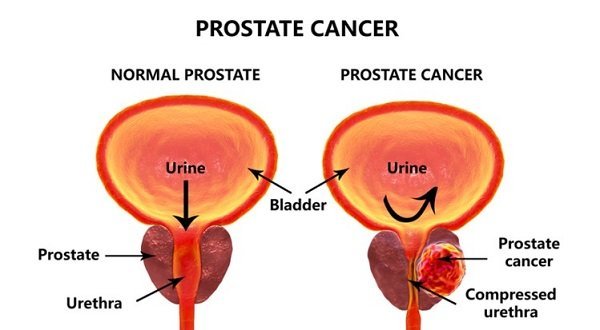
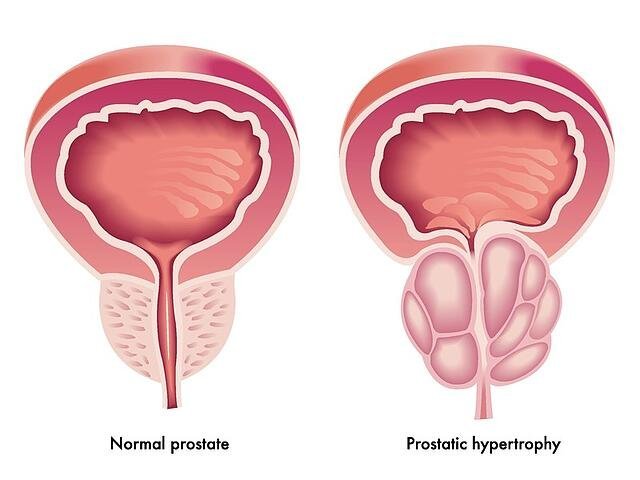
    Prostate is small gland present in the male reproductive part. It’s very small, almost the size of walnut. It surrounds the part of urethra which is a tube that carries pee from your bladder. It created a fluid which helps in carrying sperm while ejaculation. And this prostate can enlarge when you grow old and it’s a normal thing. But when it enlarges it can create some problems if it grows beyond a certain size. It is because as it grows it presses the tube and will make peeing difficult.

    At that point of time, one should consult doctor. Bicalutamide 50 mg is the best medicine to treat prostate cancer. It is a very common problem in men and cannot be avoided. 8 out of the 10 men develop this problem.

    Symptoms or signs of prostate problems


    1. Urge to go to washroom frequently
    2. Passing of urine in drops
    3. Weak urine stream
    4. Having the urge to use the washroom at night more frequently
    5. Pain while passing urine
    6. Feeling that bladder is not empty even though you have used the washroom
    7. Feeling of discomfort in lower abdomen
    8. Having blood in urine
    9. Having blood in sperm
    10. Erectile dysfunction

    How to diagnose?

    The first thing doctors do is ask about your family history because this has a lot to do with your family history. Then they might go for a physical examination, digital rectal exam of prostate. After that, certain tests are done which include urine test, blood test, cystoscopy, urodynamic studies, ultrasound, prostate biopsy and magnetic resonance imaging. All of them might not happen instead just one or two of them depending on the severity of the condition.

    When exactly to see a doctor?

    1. Urination may be painful and difficult.
    2. You feel the urge to urinate frequently. You may find it difficult to retain urine and sometimes you may see bloody urine. Sometimes the urine flow may not be in a smooth stream but it comes in drops.
    3. You’re experiencing chronic discomfort in your pelvis and lower extremity locations.
    4. You have swelling in legs, leg weakness, or difficulty walking.
    5. You’ve lost weight for no apparent reason.

     Medication

    There are a lot of medicines which can be used for treating this problem. Out of those, Bicalutamide 50 mg is one. Its most common brand name is Calutide. Bicalutamide 50 mg or Calutide tablet is a medicine for treating cancer of the prostate gland but it can also be used for treating other conditions as determined by doctors. But one should be aware and keep in mind not to consume this without consulting a doctor. There are some side effects of Bicalutamide 50 mg like rash, dizziness, breast enlargement in men, sleepiness and depression.

  • Small Cell vs Non-Small Cell Lung Cancer

    Small Cell vs Non-Small Cell Lung Cancer

    Erlonat Tablet 100 mg (Erlotinib) for Lung Cancer

    Lung cancer is divided into two types: Small Cell and Non-Small Cell.

    Small cell lung cancer is a disorder in which malignant (cancer) cells develop in lung tissues. Small cell lung cancer is divided into two categories. These two categories of cells contain a wide range of cell types. Each type of cancer cell grows and spreads uniquely. The many varieties of small cell lung cancer are called after the different types of cells seen in the tumor and how they appear under a microscope.

    • Small cell carcinoma (oat cell cancer).
    • Combined small cell carcinoma

    After a diagnosis of small cell lung cancer, tests are performed to see if cancer cells have spread throughout the chest or to other areas of the body. Small cell lung cancer is diagnosed using some of the same techniques used to stage the illness. Staging is the procedure for determining whether cancer has migrated from the chest to other body regions. MRI of the brain, CT scan, PET scan, Bone scan.

    Small cell lung cancer is classified into the following stages:

    • Limited-Stage Lung Cancer with Small Cells

    Cancer in the limited stage has migrated to the space between the lungs or the lymph nodes above the collarbone from where it began in the lung.

    • Small Cell Lung Cancer in the Advanced Stage

    Cancer has gone beyond the lung, the space between the lungs, or the lymph nodes above the collarbone to other parts of the body at the widespread stage.

    • After treatment, small cell lung cancer might recur (come back).

    Cancer may return in the chest, central nervous system, or other body areas.

    Non-Small Cell Lung Cancer

    NSCLC (non–small cell lung cancer) accounts for over 85% of all lung cancers. NSCLC is classified histologically into adenocarcinoma, squamous cell carcinoma (SCC), and large cell carcinoma. Patients with NSCLC should get a comprehensive staging workup to determine the degree of their disease, as stage influences therapy options. Treatment options include surgery, chemotherapy, endoscopic stents, radiation therapy, targeted treatments, and immunotherapy.

    Major differences between Small and Non-Small lung cancer:

    • Under a microscope, malignant cells in a person with small cell cancer seem small and spherical whereas, non-small cell lung cancer cells are bigger.
    • Small cell lung cancer is, on average, more aggressive than non-small cell lung cancer. Small cell lung cancer spreads more rapidly than non-small lung cancer.
    • Small cell lung cancer symptoms and non-small cell lung cancer symptoms are similar. The symptoms include a persistent cough, hoarse throat, shortness of breath and wheezing, chest pain and discomfort, loss of appetite, swelling in the veins of the face and neck, etc. Symptoms may not develop until cancer has progressed to a later stage.
    • Small cell lung cancer has 2 stages of diagnosis: the limited stage and the extensive stage. Non-small cell lung cancer has 4 stages of diagnosis: stages 1, 2, 3 and 4.
    • Treatments for small cell lung cancer mainly include chemotherapy, radiation therapy, surgery. Whereas treatment for non-small cell lung cancer includes surgery, chemotherapy, immunotherapy, targeted treatments, radiation therapy, and endoscopic stents.

    Erlonat tablet 100mg is used to treat non-small cell lung cancer that has progressed to other body parts or is locally advanced. Erlonat tablet should be consumed one hour before or two hours after a meal. Diarrhea is a possible side effect.

    Erlonat tablet (Erlotinib ), often known by the brand name Tarceva, is a type of targeted cancer medication. Erlonat tablet is used in conjunction with the chemotherapeutic drug gemcitabine to treat non-small cell lung cancer (NSCLC) that has spread (advanced) and advanced pancreatic cancer.