Category: Anti Cancer

  • What are the 5 Common Warning Signs of Prostate Cancer?

    What are the 5 Common Warning Signs of Prostate Cancer?

    Warning Signs of Prostate Cancer

    Cancer has one of the leading factors of untimely death in the world. It needs to be addressed as soon as possible as this is a noncontagious, deadly disease. Prostate cancer is a very common cancer faced by my men. The symptoms of prostate cancer surface at a later stage, making it worse. But certain signs and symptoms indicate that something is wrong within the prostate.

    5 common symptoms experienced in prostate cancer are as follows: –

    1. Feeling extreme pain during sex(ejaculation) and urination
    2. Urge for frequent urination during the night
    3. Having pain and difficulty starting urination
    4. Experiencing erectile dysfunction
    5. Presence of blood in urine and semen.

    There are a few more symptoms I would like to include. People with prostate cancer can experience weak urine flow and pain when sitting in the prostate area. If cancer has spread far beyond the prostate area, one would have swelling and pain in the hip area, irregular bowel movement, and huge weight loss without trying to lose weight.

    What should be done if any of the above symptoms persist?

    If any symptoms persist, you should contact a physician very soon. You don’t need to have cancer if you show any symptoms, but any other prostate condition needs medical attention. Like any other type of cancer, this can also be treated effectively if detected early.

    Medication for prostate cancer

    Claude 50 is a good medication for prostate cancer. It contains bicalutamide, which is an anti-cancerous drug. It inhibits the male hormones (androgens) such as testosterone to inhibit the growth of oncogenic cells. Bicalutamide 50 mg medication is only for men and should not be prescribed to women and children.

    Administration of bicalutamide 

    Bicalutamide 50 mg medicine is to be taken only after consulting a physician.

    The medication is to be taken by mouth with food or without the doctor’s direction. Bicalutamide 50 mg medicine is directed to be taken mostly once a day. This medicine is to be taken regularly every day without any failure. To remember, one should try to take medicine at the a fixed time daily. The dose must be fixed by a doctor, and increasing any dose by oneself might turn fatal. Over usage of this drug is to be avoided, leading to serious side effects. The skin and lungs can absorb this drug. Pregnant women should not handle or smell this drug. A newborn baby can also have serious consequences if left near the drugs.

    Side effects of this drug

    Like any other drug, this drug also has certain side effects, but one should always keep in mind that the benefits of Bicalutamide 50 mg medication are higher than the side effects, so it’s prescribed.

    Headache, sleeplessness, hot flashes, breast pain and swelling, nausea, diarrhea, stomach pain, weight loss, dizziness, and drowsiness are some of the side effects of this drug. If any side effects are observed, one should consult their doctors if any dosage can be altered.

    Precautions to be taken before consumption of this drug

    Before consuming calutide 50mg or bicalutamide 50 mg, one should go for an allergy test and let the doctor know if they have any previous allergies. The doctors check the medical history like diabetes, hepatitis, and cardiovascular disease (CVD) before prescribing this drug. The users of alcohol or drugs like marijuana should abstain as this drug already makes the patient feel drowsy and dizzy. This medication also makes the patient sensitive to the sun. One should also not drive any vehicle after intake of this medicine.


  • Types of Blood Cancer – Leukemia & Lymphoma

    Types of Blood Cancer – Leukemia & Lymphoma

    Blood cancer is a serious medical condition that affects the red blood cells and the bone marrow. The launch of blood cancer will change the normal functioning of these cells and affect the human body. There are three versions of the blood cells, platelets help in the proper clotting of blood at the time of the injuries, white blood cells help in infection preventives, and finally, the red blood cells help take oxygen to the tissues of the body. So once the versions of these blood cells get injured and do not work the way they should be working, it has a serious implication for the body. The use of ibrutinib is recommended for treating blood cancer.

    Analyzing the types of blood cancer

    The two main versions of blood cancer are:

    • Leukemia
    • Lymphoma

    Leukemia

    Individuals facing this condition produce many white blood cells. However, the extra cells that have been created do not serve the purpose of fighting infections. So based on the type of blood cells that get affected, the following are the versions of Leukemia:

    • Acute Lymphocytic Leukemia: Here, the lymphocytes serve as the starting point for this version of Leukemia. Here, the disease progresses can be too quick if the right treatment is not received at proper time.
    • Acute Myeloid Leukemia: Here, the starting point is the myeloid cells that usually grow into other functioning cells like red blood cells or platelets. However, this version of Leukemia will reduce all the blood cells of the body. It is a quickly growing version of Leukemia.
    • Chronic Lymphocytic Leukemia: It is one of the commonly seen Leukemia versions among adults. It is slow growth, and the body will show no major symptoms in the initial years until they get older.

    Lymphoma

    It is a version of cancer that mainly affects the body’s lymphatic system. The lymph system is a major network containing lymph nodes and the spleen. Here the starting point for this type of cancer is in the white blood cells, whose main function is to prevent the onset of infections in the body. The different versions of Lymphoma are:

    • Hodgkin’s Lymphoma: Here, the starting point of the cancer is in the B cells. These B cells are also called B lymphocytes. These are the cells that help the body create the proteins that will be helpful for the body to keep off infections and fight the foreign germs that enter the body. So people experiencing this cancer were observed to have large lymphocytic cells in the body.
    • Non-Hodgkin’s Lymphoma: Here, cancer can start in the B cells or the T cells. It is more common in individuals than Hodgkin’s s leukoma.

    It is often seen that individuals who have a weaker type of immune system are more vulnerable to exposure to Lymphoma. People aged 15-30 and more than 50 were observed to get exposed to this cancer.

    Treatment methods for the blood cancer

    • Chemotherapy: It is one of the main treatments of cancer.
    • Radiation therapy: Use targeted X-rays or other high-energy beams to destroy the leukemia cells.
    • Use of Nitib 140 mg for the treatment of blood cancer
    • Use of bone marrow transplant which is observed as an attempt to re-launch the healthy version of the stem cells and the replacement of the unhealthy versions of the bone marrow
    • Clinical trials help in discovering new types of treatment for fighting cancer.
  • What percentage of Prostate Cancer is Castration-Resistant?

    What percentage of Prostate Cancer is Castration-Resistant?

    Abiraterone 250 mg

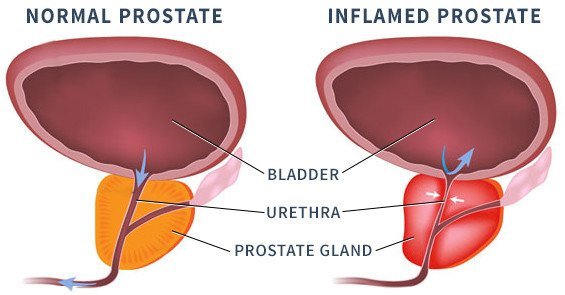
    Prostate cancer is the most common type of cancer that initiates in the prostate gland cells, which is found only in males. The prostate gland is a tiny walnut-shaped gland that produce seminal fluid that helps in the locomotion and nourishment of the sperms.

    CRPC i.e. Castration-resistant prostate cancer, is a developed form of prostate cancer. The cancer is no longer entirely responding to medications that down testosterone, with CRPC. It certainly shows the indications of growth, such as increasing prostate-specific antigen even with low testosterone levels. Among prostate cancer patients, almost 10% to 20% are castration-resistant, and among them, 16 percent of the patients do not show evidence for cancer stretching out at the time of diagnosis of castration resistance.

    Abiraterone acetate can help to treat metastatic castration-resistant. Abiraterone acetate tablets advance survival for metastatic castration-resistant prostate cancer (mCRPC) patients before and even after chemotherapy. It has a favorable impact on patients’ health-related aspects of life and anguish.

    Abiraterone acetate tablets 250 mg

    Abiraterone 250 mg is a medication used for the treatment of prostate cancer. Precisely it is used concurrently with corticosteroids for mCRPC (metastatic castration-resistant prostate cancer) and mCSPC (metastatic high-risk castration sensitive prostate cancer). It is a steroidal compound having antiandrogen activity.

    Abiraterone impedes the enzymatic action of steroid 17 alpha-monooxygenase that catalyzes the steroid intermediates 17 alpha-hydroxylation, which is involved in testosterone synthesis. It simply works by avoiding the production of androgen i.e. male hormone, which is certainly done by hindering the CYP17 enzyme. This is how it helps to slow down the advancement of prostate cancer. The price of Abiraterone 250 mg is Rs. 28500/bottle.

    Administration of Abiraterone tablets

    Dosing may be diverse as per the patient’s condition. This is an oral dosage form medication. It must be taken as directed by the physician. Consume the medication via the mouth on an empty stomach at least two hours after or one hour before a meal. This tablet should be taken once a day. Consuming Abiraterone 250 mg with food can thoroughly increase the amount of this drug in the body and advance the risk of side effects. Do not break, chew or crush the tablet and swallow it as a whole. Do not miss a dose and take medication on time. Do not overdose with the medication.

    Side effects of Abiraterone 250 mg

    Most of the patients consuming Abiraterone  250mg may experience some common side effects. The side effects of Abiraterone acetate are always predictable based on the onset, duration, and severity of the tablet. These side effects are often reversible and may go away as the therapy progresses. These side effects may be relatively manageable. There are various alternatives to prevent or minimize Abiraterone’s side effects.

    Some common side effects are as follows:

    • Fluid retention
    • Intensified liver enzymes (AST)
    • Increased triglycerides

    Some less common side effects:

    • Discomfort
    • Muscle aches
    • Joint swelling
    • Diarrhea
    • Cough
    • Urinary tract infection
    • Peripheral Edema means swelling of feet and hands
    • Hypokalemia
    • Increased ALT

    Contact the physician immediately if any of the following side effects are experienced

    • Chest pain or irregularity in heart rate
    • Difficulty in breathing
    • Higher Fever and chills
    • Dizziness
    • Significant headache
    • Severe fatigue
    • Increase in blood pressure
    • Unusual bruising or bleeding
    • Yellowing of eyes or skin
    • Change in stools

    Precautions to be taken while consuming Abiraterone 250 mg

    • Tell the doctor about any medications before starting this medication if any medications are going on.
    • This medication strictly should not be taken by pregnant women without the proper consultation of a physician. While the ongoing treatment of this drug, getting pregnant or breastfeeding should be avoided.
    • The risk of QT prolongation may increase if the patient has certain medical conditions. So consult the doctor.
    • Men should use a condom or other birth control method during treatment as excretion of abiraterone acetate in semen is not known. Therefore, proper precautions should be taken.
  • Erlotinib for Pancreatic and Lung Cancer: A first-line Treatment

    Erlotinib for Pancreatic and Lung Cancer: A first-line Treatment

    Erlotinib 150 mg (Erlotinib Tablet)

    The pancreas drips enzymes that help in digestion and secretes hormones required to regulate sugar metabolism. Pancreatic cancer initiates in the pancreatic tissues, but the most predominant type of pancreatic cancer begins in the cell linings of the duct carrying digestive enzymes. Lung Cancer begins at any part of the lungs. There are two major types of lung cancer: small cell lung cancer and non-small cell lung cancer that usually includes causes such as exposure to particular toxins, smoking, and ancestry history. Pancreatic metastases appear in the near end-stage of small cell lung cancer. Though it is rare, the major hazards of these lesions are obstructive jaundice and acute pancreatitis. For treating this pancreatic and lung cancer, Erlotinib 150 mg is used.

    The Erlotinib 150 mg is helpful and safe for non-smoker patients to treat advanced Adenocarcinoma.

    Erlotinib 150 mg is a specific tyrosine kinase inhibitor specified for Non-Small Cell lung cancer (NSCLC) and Pancreatic cancer medication. Erlotinib contains erlotinib hydrochloride, and it is a film-coated tablet. It is prescribed for the first-line therapy of sufferers with locally progressive or metastatic NSCLC (Non-Small Cell lung cancer) with EGFR (Epidermal Growth Factor Receptor) triggering mutations or for the patients with stable ailment after first-line chemotherapy. The Erlotinib price in India.

    Victims with locally developed and metastatic non-small lung cancer can take this drug with a combination of gemcitabine as a first-time therapy but only as per the proper prescription.

    Usage and Dosage of Erlotinib 150 mg

    Erlonat 150 mg or Erlotinib 150 mg is an oral dosage form, it must be consumed by the mouth because it is aimed at having a systematic effect, circulating to the various parts of the body through the bloodstream.

    For better effects, it is suggested to be taken at the same time every day, and it can be taken with or without food. Do not try to crush or halve the tablet before swallowing nor chew it swallow it as a whole. Take the medication as directed by the doctor.

    Medication should be kept going until the ailment advancement, or incompatible toxicity occurs.

    Side effects of Erlotinib tablets

    Dry skin, joint and muscle pain, dry eyes or irritation in the eyes or redness, diarrhea (sometimes severe conditions) may occur.

    Just keep in mind that your doctor has prescribed this medication by judging the benefits greater than the risk factor of side effects. Several patients dealing with this medication usually do not have severe side effects.

    Serious side effects of Erlotinib tablets

    Some of the serious side effects of the Erlocip 150 mg includes the following:

    • Kidney or Renal problems- change in volume of urine.
    • Signs of liver disease include nausea, loss of appetite, yellowing of skin/urine/eyes, vomiting, and stomach ache.
    • Shortness of breath
    • Chest or left arm pain
    • Weakness
    • Seizures
    • Signs of dehydration include dizziness, muscle cramps, etc.
    • Black stools, easy bleeding, eye pain, optical changes.

    Precautions while using Erlotinib tablets

    • Pregnant women should avoid Erlotinib 150 mg, and this drug is not suggested while they are breastfeeding.
    • Before consuming this drug, be sure you are not having any liver or kidney problems, eyes, stomach bleeding, or any lung or breathing issue.
    • If the patient is often smoking cigarettes, they are advised to stop smoking as smoking cigarettes shows reduced drug exposure.
    • This Erlotinib 150 mg should not be used in combination with platinum-based chemotherapy.
    • Patients are advised to quickly contact their doctor if any signs or symptoms such as redness in the eye, light sensitivity, eye pain, blurred vision, or visual changes are noticed.

    As Erlotinib 150 mg comes with certain usefulness and side effects, it should never be used without consulting a doctor or pharmacist.

  • The Most Active Element for treating Metastatic Prostate Cancer in Adult Male Patients

    The Most Active Element for treating Metastatic Prostate Cancer in Adult Male Patients

    Abiraterone acetate, also known as abiraterone 250 mg, is an oral drug for adult male patients with prostate cancer. It is a type of hormone therapy and is used along with prednisone or prednisolone. The abiraterone acetate 250 mg tablets are taken to create an interference with the growth of androgen or testosterone hormones, blocking them in the area of the tumor, adrenal gland, and testes. The enzyme needed for the production of androgen is also blocked with the help of abiraterone acetate. Since this medicine is not an over-the-counter medicine, the individual showing symptoms of such a disease should consult the doctor immediately and get the right prescription. Moreover, the drug is strictly for adult male patients, and not children or adolescent patients. Moreover, if the male patient takes part in any sexual activity, they should take birth control measures to avoid pregnancy as the dust of the medicine that can enter through the skin can harm the unborn child. The abiraterone acetate 250 mg is given to the patients when

    – Chemotherapy does not seem to have any effect on the individual and is not needed at the current stage, that is, the beginning stages.

    Administration of the abiraterone acetate 250 mg:

    The tablets should be taken orally as directed by the physician. It should be taken on an empty stomach, at least an hour before the meals or two hours after. Do not crush or chew on the tablet, rather swallow it whole with the help of water. Taking medicine with food can increase the effects of the medicine on the body and risk health. Moreover, the individual should not discontinue the drug or take more than what has been prescribed. This can lead to overdosing and even cause death.

    When should the abiraterone acetate 250 mg be avoided or taken cautiously?

    – If the patient has a medical history of diabetes or takes medicines for diabetes.

    – If the patient is suffering from or has a medical history of liver problems.

    – If the patient is suffering from or has a medical history of heart diseases.

    – If the patient has a medical history of high blood pressure or is currently suffering from the illness.

    – Consult the doctor if the patient is also taking medicines to treat seizures because of epilepsy.

    – Some inactive elements present in the medicine can cause allergy in the patient. So it is advised to discuss the allergies with the physician as well.

    – The patient should make it clear before taking this drug if they are on any herbal medicines like st John’s wort and all.

    Most common side effects of abiraterone acetate 250 mg:

    – Headache

    – High blood pressure

    – Joint pain

    – Common cold

    – Bone fractures as well as painful feet and legs

    – Increased and painful urination. There may also be a little bleeding.

    – Diarrhea

    – Breathlessness as well as chest pain.

    – Fatigue.

    Although this is not the complete list of side effects, these are the most common ones. None of the effects are too serious and should stop after a few weeks of taking medicine. If you experience any abiraterone acetate 250 mg side effects, go to the doctor and consult what to do further. If there are any allergic reactions after taking medicine, the person should also visit the doctor. With this medicine, cancer will not be completely cured, but it prolongs the lifeline by stopping the growth of the cancer cells.

  • The Treatment for Prostate Cancer with this Oral Therapy Drug

    Prostate Cancer Treatment – Abirapro (Abiraterone Acetate)

    Abirapro (Abiraterone Acetate) consists of abiraterone, and is responsible for treating metastatic prostate cancer in adult male patients. The Abirapro (Abiraterone Acetate) belongs to a class of medicines called antineoplactic agents. The patients have to take this oral therapy drug to fight the cancer cells and prednisone or prednisolone to avoid and prevent the risk of getting high blood pressure, any fluid retention in the body, and a decrease in the potassium levels in the blood. This medicine can also be taken along with androgen deprivation therapy to lower testosterone levels in case of an early hormonal sensitivity in prostate cancer.

    The abirapro 250 mg inhibits the androgen production inside the patient’s body and sensitively binds the androgen. It also activates through the inhibition the enzyme CYP17A1. This leads to a decrease in serum levels in testosterone, hence stopping the growth of the cancer cells. This anti-cancer drug can be taken by adult male patients when:

    – Chemotherapy does not seem to have any effect on the individual.

    – The patient is in the early stages of prostate cancer and has been showing mild symptoms but has yet to receive chemotherapy.

    – Hormonal therapy alone fails to work on the adult.

    Administration for the Abirapro (Abiraterone Acetate):

    The abirapro 250 mg should be taken orally as directed by the physician. This anti-cancer drug should not be taken without a prescription from a professional doctor. This tablet should be taken an hour before the meals or two hours after having the meals. Do not crush or chew the tablet. Rather, swallow it whole with the help of water. The doctor will prescribe how long the patient will have to continue on the dosage, given the condition and situation of the person. Do not stop abruptly, especially not without any instructions from the doctor. Avoid drinking things like grape juice as it can harbor unwanted side effects.

    When should the Abirapro (Abiraterone Acetate) be avoided or taken cautiously?

    – If the person has a medical history of liver problems or diseases.

    – If the person is allergic to the ingredients of the medicine, specially abiraterone. Consult the doctor before this.

    – If the patient has a medical history of breathing problems or any issues with the lungs.

    – If the person has a medical history of heart diseases.

    – If the person takes medicines for diabetes, fungal infections, heart diseases, epilepsy, etc.

    – Do not take the Abirapro (Abiraterone Acetate) with Ra-223 as that drug is used for treating prostate cancer, and the combination of these two medicines together can result in severe bone fractures or, worse, death.

    – This medicine is strictly for adult men. So it should be taken by a male child or adolescent.

    Most common side effects of Abirapro (Abiraterone Acetate):

    – Fluid retention in the legs or feet.

    – High blood pressure.

    – Chest pain and irregular heartbeat.

    – Bone fractures.

    – Diarrhea.

    – Decrease in the potassium levels in the blood.

    – Bleeding while urination as well urinary tract infection.

    – Cholesterol levels are increased.

    – Liver damage elevates.

     Uncommon side effects of Abirapro (Abiraterone Acetate):

    – Lung irritation.

    These side effects remain for the first few weeks and eventually subside. If the effects prolong – it is advisable to consult the doctor. If the patient under this medication is partaking in any sexual activity, then the right protection and birth control methods should be applied to avoid further complications. As this medicine is not over the counter, talk to a doctor and discuss the problems. If it is needed, the individual will be prescribed this Abirapro (Abiraterone Acetate). Otherwise, the doctor may give them another alternative, depending on the person’s condition.

  • Want the Best Cure for Blood Cancer? Rely on Veenat 400 (Imatinib)!

    Want the Best Cure for Blood Cancer? Rely on Veenat 400 (Imatinib)!

    Veenat 400 (Imatinib) is a tyrosine kinase inhibitor and finds immense use in treating various types of blood cancer (like chronic myeloid leukemia and acute lymphocytic leukemia) and gastrointestinal stromal tumors.

    It is to be taken for the entire duration that has been advised by the medical practitioner, which will depend on the degree of responsiveness of the patient’s body towards the drug. It’s advisable to administer the medicine at the same time every day, and it should be administered along with food. An incorrect administration of the drug might cause harmful effects. It might take days or even months for any noticeable change to occur, but the medication is not to be stopped unless and until the doctor advises it.

    Common allergic reactions to this drug are:

    • Nausea
    • Muscle Cramps
    • Edema
    • Musculoskeletal Pain
    • Fatigue
    • Vomiting
    • Rash
    • Abdominal Pain
    • Diarrhea

    The practitioner may advise monitoring of the patient’s liver functions and blood cells. Any unexpected weight gain must be reported to the concerned doctor. The patient is also advised against driving and doing other activities that require mental focus on the part of the doer if they experience a blurry vision with accompanying dizziness, which is normal.

    Physicians should positively check the compatibility of this drug with any other medications that the patient would be undergoing simultaneously to prevent any unhealthy interactions between the two and the ensuing irritation.

    Benefits of Veenat 400 (Imatinib)

    • In Blood Cancer (Chronic Myeloid Leukemia), cancer in the blood-forming tissues decreases the body’s infection-fighting abilities. This drug helps by killing or retarding the multiplication of the cancerous cells. This is a very potent drug, and the patient is advised to avoid alcohol consumption and stay hydrated during the medication.
    • In the case of Acute Lymphocytic Leukemia, another form of blood cancer, this medication is quite effective.
    • In the case of Gastrointestinal Stromal Tumor (GIST), Veenat 400 (Imatinib) cures by killing the cancerous cells and stopping the growth of tumors in the Interstitial Cells of Cajal (ICC).

    Side Effects of Veenat 400 (Imatinib)

    Common side-effects of the drug are Edema (Swelling), Nausea, Muscle Cramp, Musculoskeletal (bone, muscle, or joint) pain, Diarrhea, Rash, Fatigue, and Abdominal Pain. The patient may develop one or more of these side effects at the onset of the medication, but it generally goes away once their body adapts to the medication. However, the patient is advised to consult their medical practitioner if the symptoms persist or exacerbate.

    Mode and Way of Administration

    The drug is to be administered strictly following the dosage prescribed by the practitioner. The tablet is to be swallowed as a whole. The patient is advised against chewing, crushing, or breaking the tablet. It’s advisable to take the drug with food. If the patient accidentally misses a particular drug dose, they are advised to skip it altogether and stick to the normal schedule. There’s no need to double the next dose.

    Working of Veenat 400 (Imatinib)

    Veenat 400 (Imatinib) is a cancer-curing drug that induces apoptosis (planned cell death) in the bcr-abl positive cells (cancer cells). Bcr-abl tyrosine kinase is a protein-secreting enzyme that causes cancer cells to proliferate abnormally.

    Interaction With Other Drugs

    The practitioner is advised to check for possible interactions that this drug may have with any other drugs that the patient would be taking. Some of the drugs which can cause serious side effects if they interact with Veenat 400 (Imatinib) are Atorvastatin, Carbamazepine, Fluvastatin, and Lovastatin.

  • What does the Detection and Diagnosis of Prostate Cancer Entail?

    What does the Detection and Diagnosis of Prostate Cancer Entail?

    Like all other types of cancer, men with prostate cancer must get diagnosed to determine the root or origin of the cancerous cell growth. It is primarily because early detection can help the doctors in deciding and suggesting a suitable treatment regime. It also aids in curing the ailment efficiently and promptly.

    As such, scientists have developed several methods to help diagnose prostate cancer. Let us see what they are.

    Imaging

    The two chief imaging methods utilized for prostate cancer detection include:

    1. Ultrasound: Transrectal ultrasound, employed during biopsies, uses sound waves sent from a probe in the patient’s rectum to receive an image of the unusual cell growth.
    2. Magnetic Resonance Imaging (MRI): Since 2011, MRIs have played a vital role in target identification for prostate biopsies. It has accurately and precisely detected clinically significant prostate cancer in 80% of men. Dynamic contrast-enhanced MRI and combined diffusion-weighted (DW) imaging help distinguish between malignant and benign prostate lesions. The merged images of MRI and DW, with an enhancement in the dynamic contrast, helps visualize areas of fast wash-out effect and low-intensity signal. These aid in cancer discovery as they are the carcinoma characteristics.

    Biopsy

    A biopsy helps considerably in prostate cancer diagnosis. During the process, a radiologist or urologist acquired tissue samples from the patient’s prostate by inserting a biopsy gun through the rectum or the perineum and removing special hollow-core needles in a matter of mere seconds.

    Systematic biopsies can accurately detect up to 63% of cases of prostate cancer successfully. However, antibiotics are necessary to prevent further complications like sepsis, fever, and urinary tract infections.

    Tumor Marker

    Doctors can determine the origin of malignant cells of prostate cancer that have metastasized by staining the tissue samples for the presence of PSA.

    Biochemical Diagnosis

    Alkaline phosphatase levels are more elevated in metastasizing cells. Detection of the intensity of these levels can help in detecting carcinomas cells in the prostate gland.

    Gleason Score

    The Gleason grading system helps in evaluating the prediction of prostate cancer and guides the therapeutic process. It depends predominately on the appearance of the tumor. A high score indicates a worse prognosis and a higher possibility of mortality.

    Advanced prostate cancer is arduous to cure. Nevertheless, doctors trust the use of Zytiga when the cells move to the other parts of the body. It interrupts the androgen-making process at a crucial step, stopping the spread of cancer cells.

  • What can we do to prevent the Development of Prostate Cancer?

    It is a fact that one cannot halt the onset of prostate cancer once the initial symptoms kick in. Additionally, there is no surefire way to prevent it as we cannot control the various associated risk factors. These can include bodyweight, genetic disposition, age, dietary and medical influences, etc.

    Nevertheless, not everything is out of hand. There are still a few ways to minimize the risk of developing prostate cancer.

    Maintaining a Balanced Diet

    The data on the relationship between prostate cancer and a balanced diet is inadequate. Nonetheless, a few prior cases have proven that Vitamin D deficiency can act as a factor leading to prostate. Studies have shown and discovered that men who have a calcium-rich and dairy product-filled diet are more susceptible to getting it.

    Thus, it is imperative to have a balanced diet that has all the essential nutrients like carbohydrates, proteins, fats, and so on, and minerals. Curbing calcium supplement intake and inducing a fish-based diet may also help.

    Regulating of Body Weight

    Research has revealed that men with higher body mass and those suffering from obesity have a greater risk of developing prostate cancer that can even get to the advanced stages.

    Hence, it is best to maintain optimum body weight as its regulation helps to a certain extent.

    Sustaining a Healthy Body

    A healthy body is capable of fighting off most diseases. It works somewhat for prostate cancer. Going to sleep and waking up early with a nourishing eating pattern can minimize the risk of the ailment. Additionally, regular exercise, especially the vigorous kind, helps substantially.

    Soy and Isoflavone Supplements

    Early research discovered that soy proteins, called isoflavones, have some positive effects on the body. Their supplements can help in lowering the risk of prostate cancer.

    Medications

    In the body, the enzyme 5-alpha reductase is responsible for converting the male hormone testosterone. It changes it to dihydrotestosterone (DTH) which causes the growth of the prostate and the formation of tumors in specific cases.

    Dutasteride (Avodart) and finasteride (Proscar) block the creation of DTH. They treat a non-cancerous prostate growth called benign prostatic hyperplasia (BPH).

    Overall, for the treatment of metastatic hormone-sensitive prostate cancer (mHSPC), high-risk non-metastatic castration-resistant prostate cancer (CRPC), and metastatic CRPC in adult men, Xtandi 40 mg has shown wonders. It is an androgen receptor inhibitor that helps to slow down the growth and spread of cancer cell growth.

  • Prostate Cancer: Symptoms, Causes, Types and Treatment

    Prostate Cancer: Symptoms, Causes, Types and Treatment

    Cancer refers to the unusual and abrupt growth of cell mass that starts to spread or metastasize to other body parts.

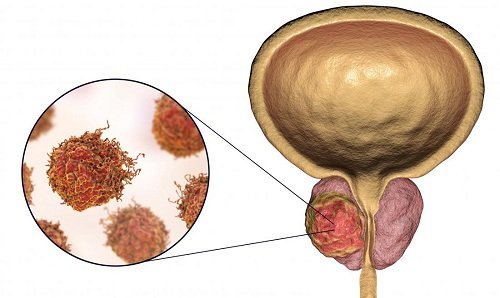
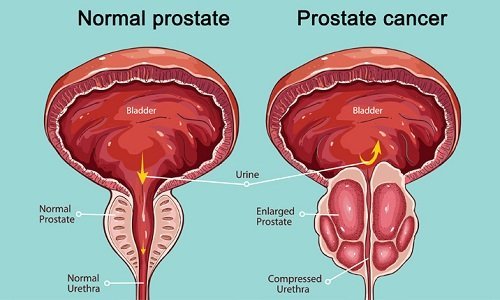
    For prostate cancer, this tumor develops in the prostate region. It forms just below the urinary bladder and in front of the rectum, occurring only in males as they have the walnut-shaped prostate gland.

    Symptoms of Prostate Cancer:

    In the early stages, this cancer shows no indications. However, as the ailment progresses, specific symptoms show up. They can include:

    • Frequent urination
    • Hematuria- urine in blood
    • Skeletal pain, primarily in the vertebrae, ribs, and pelvis
    • Nocturia- increased urination at night time
    • Fatigue and drowsiness
    • Anemia
    • Dysuria- pain during urination
    • Fecal incontinence

    Causes and Risk Factors:

    Prostate cancer may develop due to a variety of reasons. Some of them are:

    • Genetic Disposition: If an individual has a particular gene variant associated with prostate cancer, he becomes susceptible to developing the disease. Those with first-degree relatives, like fathers or brothers, suffering from the ailment have a higher chance of getting it. As such, it can pass on from one generation to the next.
    • High blood and testosterone levels: Men suffering from high blood pressure linked to lack of exercise or other associated disorders or having an elevated level of the male hormone testosterone in the blood are at risk of developing prostate cancer.
    • Obesity: Obesity is a primary factor that increases the death rate associated with prostate cancer by over 34%.
    • Age: Those in their advanced ages, predominately over 45 years, are more likely to suffer from the ailment.
    • Genetic Mutations: Abnormal changes in genes like hereditary prostate cancer gene 1 (HPC1), vitamin D receptor, and androgen receptor can lead to prostate cancer. TMPRSS2-ERG or TMPRSS2-ETV1/4 promote the growth of cancer cells, accelerating prostate cancer.
    • Infections: Infectious diseases like prostatitis and specific Sexually Transmitted Diseases (STDs) like syphilis, Chlamydia, and gonorrhea may enhance the possibility of getting prostate cancer.

    Types of Prostate Cancer:

    Predominantly, all prostate cancers are adenocarcinomas. They develop from the gland cells secreting the prostate fluid. In addition to it, its other types are:

    • Sarcomas
    • Neuroendocrine tumors
    • Small cell carcinoma
    • Transitional cell carcinoma

    Treatment:

    Enzalutamide is a non-steroidal antiandrogen (NSAA) drug that stops the effects of androgen, ceasing the growth and spread of cancer cells. Doctors use it in combination with castration to treat metastatic castration-resistant prostate cancer (mCRPC), metastatic castration-sensitive prostate cancer (mCSPC), and non-metastatic castration-resistant prostate cancer.