Category: Anti Cancer

  • Sorafekast (Sorafenib): A Very Useful Medicine in Oncology

    Sorafekast (Sorafenib): A Very Useful Medicine in Oncology

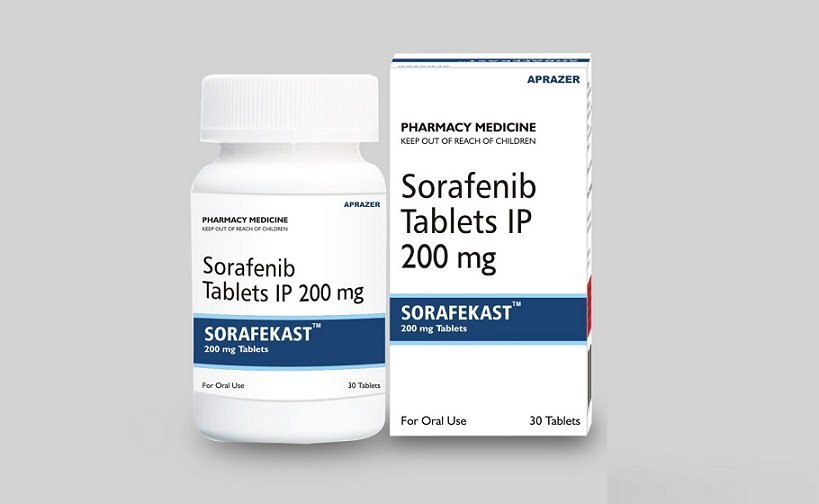
    Oncology is the study as well as treatment of cancer cells or in everyday language, tumors. Many types of cancers are spreading their roots in our society. One such medicine that is very helpful in tackling such conditions is Sorafekast (Sorafenib).

    The Areas of Application:

    Sorafekast (Sorafenib) is effective in treating a type of cancer in the kidney and a type of cancer in the liver. Also, it is effective in a certain type of thyroid cancer that has spread to most parts of the body. These cancers cannot be removed via surgery nor with other medicines.

    The medicine works on the principle of blocking or shutting out unwanted cancer cells. It belongs to a class of medicines called tyrosine kinase inhibitors. It works by helping the body to remove unwanted cancer cell protein.

    Benefits in Respective Cancer Cases:

    Trials have shown that when compared to a placebo, Sorafenib has prolonged progression-free survival in cases of renal cell cancer wherein therapy proved to be obsolete.

    Compared to a placebo, Sorafekast (Sorafenib) has been much more efficient in subduing hepatocellular carcinoma, or cancer growth in the liver. Nearly a three-month improvement has been seen in many cases.

    Also, this medicine has proven to work much better with doxorubicin in cases of advanced hepatocellular carcinoma. Those suffering from such type of cancerous cell growth were provided with both. The progression-free survival has proved to longer in such cases.

    The thyroid carcinoma that is resistant to radioactive iodine treatment has also treated with Sorafekast (Sorafenib). Here also, there has been an improvement in terms of progression-free survival. But, in cases of overall survival, not much good news can be noted.

    It can be concluded that this medicine has high effectiveness in the treatment of cancer. There are many benefits to this medicine. It should be used only in accordance with the doctor’s opinions since there are many side effects to it.
  • Imatikast (Imatinib) drug for cancer/tumors

    Imatikast (Imatinib) drug for cancer/tumors

    Introduction

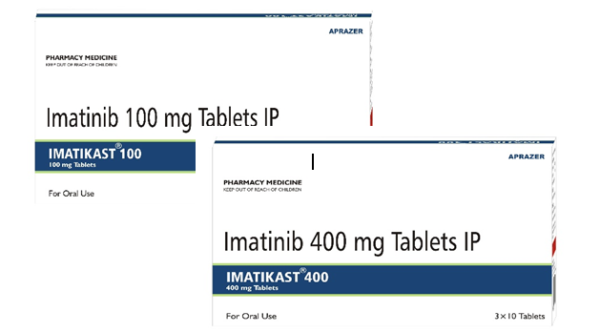
    Imatikast (Imatinib) is a type of drug used to treat cancers relating to white blood cells, red blood cells, and a few other types of cancers. This is also used in treating dermatofibrosarcoma protuberans, a type of tumor grown in the parts of the body where it can’t be surgically removed. Imatikast (Imatinib) belongs to the class of medicines known as kinase inhibitors. It works by preventing any unnecessary action done by the abnormal protein that signals the cells to multiply, which plays a significant part in stopping the spread of cancer cells.

    Tablet effects

    The tablets should be taken after food, and it is recommended to take the medication at the same time every day to increase the tablets’ effectiveness. The patient should continue taking the medication until the doctor tells you to stop. Taking these tablets can cause side effects such as vomiting, abdominal pain, diarrhea, water swelling, and water retention. Intake of a missed pill as quickly as you realize is essential; taking only one dose per day is recommended. Taking a double dose may cause some severe side effects to the human body. If you suspect you have taken an overdose of the medicine, you should contact your doctor immediately.

    People who should avoid

    There are some warnings for certain types of people who are taking this medicine. For all the following cases, the potential benefits outweigh the risks involved: Pregnant women and elderly people. Also, people with medical conditions such as gastrointestinal disorder, hypothyroidism, heart and blood vessel disorder, growth retardation, and hemorrhage should consult with their doctor before starting the medication. People taking other medications are also recommended to take this medication only after consultation with your doctor.


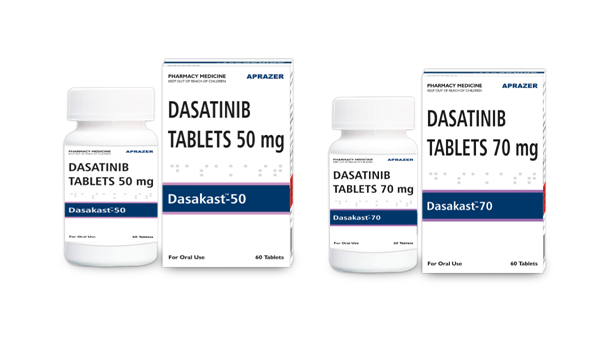
  • Dasakast (Dasatinib) Effective Drug For Treating Chronic Myeloid Leukemia

    Dasakast (Dasatinib) Effective Drug For Treating Chronic Myeloid Leukemia

    For patients on the stage where no other leukemia medications are working, doctors prescribe Dasakast (Dasatinib). Also, for those showing excessive side effects from other medications, this particular medication can be taken by them. This drug falls into the category of kinase inhibitors and is used to stop the multiplication of cancerous cells in patients.

    Use of Dasakast (Dasatinib)

    This oral drug Dasakast (Dasatinib) is prescribed for the chronic myeloid leukemia (CML) patient (white blood cell cancer). It is the first medication used in the treatment procedure for the patients. It is used not only in older patients, but also in treating chronic myeloid leukemia in children. Not only CML, but it is also effectively prescribed for lymphoblastic leukemia (cancer of white blood cells). Being a kinase inhibitor, it acts on an abnormal protein that is found in CML patients. This particular protein is responsible for giving signals to cancerous cells, and they tend to stop multiplying after receiving the signals. Thus, it can be said that Dasakast (Dasatinib) effectively slows down and stops the cancer spread.

    Dosage

    It is an oral medication and can be taken with or without food, either in the evening or in the morning. Always take the medicine in the prescribed amount. Make sure to take Dasakast (Dasatinib) medication every day at the same time, without any delay. One of the things that should be avoided while taking this medication is grapefruit, as it can have negative interactions with the drug.

    Side effects

    Some of the side effects of Dasakast (Dasatinib) are:

    • Joint pain
    • Muscle pain
    • Skin redness, rashes
    • Diarrhea, nausea, vomiting, constipation, loss of appetite, and mouth sores
  • How Abirakast (Abiraterone acetate) Can Help In Treating Cancer

    How Abirakast (Abiraterone acetate) Can Help In Treating Cancer

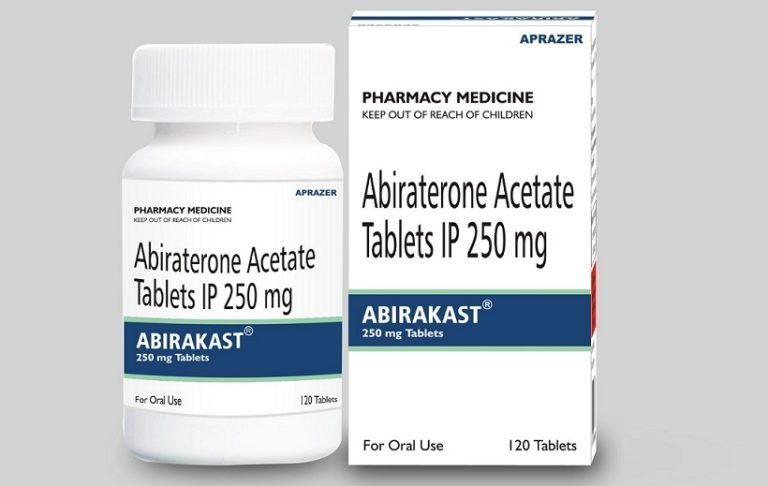
    This drug is widely used for anticancer medication purposes. Usually, it is paired with another drug known as prednisone for treating prostate cancer, which has started to spread to other body parts.


    In addition to this, the drug is also used in those patients who do not respond to most other types of treatment. It is often seen sold under the name of a brand, Zytiga. 


    Abirakast (Abiraterone acetate) is known for blocking the growth of the male hormone testosterone, thus slowing the spread of prostate cancer. It won’t necessarily treat prostate cancer; however, it will help in keeping it under control. At the same time, Abirakast (Abiraterone acetate) is also used for delaying symptoms like fatigue and pain. 


    Who can take Abirakast (Abiraterone acetate)?

    Children or women should not consume the drug Abirakast (Abiraterone acetate). Since it is a type of treatment for advanced prostate cancer, it is given to those men who have stopped responding to other kinds of treatment, including hormone therapy. 


    If one cannot undergo chemotherapy, then in some cases, doctors might offer the patients this drug. If you have undergone operations for heart or liver problems, then you should first consult your doctor about taking it. Similarly, people that have a history of adrenal problems or pituitary problems, should do the same before continuing treatment with Abirakast (Abiraterone acetate).


    Pregnant women or those that are planning to become pregnant should consult a doctor, as the drug can cause harm to the baby and may result in miscarriage. In the course of treatment, women should use birth control methods to avoid pregnancy of their partner.


    What is the impact of the drug in treatment?

    It is consumed in the form of tablets – two tablets are taken a day as part of the treatment. The patient has to swallow these whole along with water. While consuming, the tablets should not be broken in half or chewed.


    These tablets are to be consumed on an empty stomach, and you should make sure they are taken at least two hours since the last meal. 

  • Sorafekast (Sorafenib) for the Treatment of Renal, Liver and Thyroid Cancer

    Sorafekast (Sorafenib) for the Treatment of Renal, Liver and Thyroid Cancer

    This is an oral drug applied as a chemotherapy drug used for treating thyroid, kidney, and liver cancer. Sorafekast (Sorafenib) is used to stop or slow down the growth and spread of cancer cells. It should be taken only by a doctor’s prescription and in the amount that the doctor prescribes.

    Use of sorafenib

    Sorafekast (Sorafenib) is used as a chemotherapy drug for three different types of cancer. It is also in the class of kinase inhibitors. It helps to stop and inhibit those abnormal proteins, which gives a signal to cancer cells to replicate and grow. By halting this protein, the spread of cancer can be stopped. This drug helps treat hepatocellular carcinoma patients (liver cancer patients), especially those who cannot undergo surgery. Also, it helps treat advanced renal (kidney) cancer by stopping the spread of cancer cells. Lastly, Sorafekast (Sorafenib) helps treat metastasized thyroid cancer, which has spread to other parts of the body.

    Dosage of sorafenib

    It is an oral tablet and should be taken two times a day, with a doctor’s prescription. This medicine is to be taken without food, either two hours after a meal or one hour before a meal. Make sure that these medications are taken around the same time every day, to achieve better results. Make sure to understand the interactions of Sorafekast (Sorafenib) with other medications, and consult with your doctor about it in detail.

    Side effects of sorafenib

    Some of the side effects of Sorafekast (Sorafenib) are:

    • Weakness, fatigue, and tiredness
    • Itching on the body
    • Loss of hair
    • Dry mouth, constipation, loss of appetite, diarrhea
    • Dry skin
    • Headache
    • Numbness and joint pain weight loss
  • Indenza (Enzalutamide) For Prostate Gland Cancer

    Indenza (Enzalutamide) For Prostate Gland Cancer

    When the cells in the prostate glands in males start to multiply rapidly without any control of the body, it leads to cancers. These cancerous tumors result in improper functioning of the glands. Some of the warning signals for prostate cancer are:

    1. Feeling of a burning sensation during urination
    2. Urge to urinate again and again
    3. Urination feels impossible
    4. Noticing blood in the urine
    5. Pain around the prostate area while sitting down

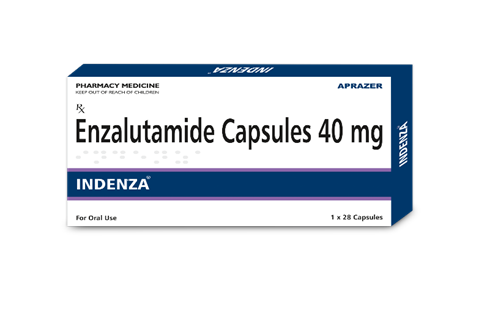
    The survival rate in prostate cancer patients is nearly 100%, although it can be fatal in some cases if men ignore warning signs. It is completely curable if the doctor is consulted, and proper medication is taken at the proper time. One of the effective drugs against prostate cancer is Indenza (enzalutamide). This 40 mg tablet contains enzalutamideIndenza (enzalutamide) is useful for other types of cancer also but is mainly used to treat prostate cancer.

    USAGE

    Indenza (enzalutamide) capsules can be consumed on an empty stomach or after a meal, but it is important to make sure you fix a time each day to take the capsules. The timetable should be followed strictly for better and faster results. The duration of the capsules should be followed, as suggested by the doctor.

    STORAGE

    Ensure proper storage of Indenza (enzalutamide) capsules, that is, away from light and heat. Place it in normal room temperature and make sure it is out of reach from children and pets.

    SIDE EFFECTS

    Side effects of Indenza (enzalutamide) include heating up of the body, dizziness, increased blood pressure, fatigue, and headaches.

    WORD OF CAUTION

    The tablets are not to be consumed with alcohol. This can have damaging effects on the body. Alert your doctor if you have diseases relating to the liver or kidney. In this way, you can consume capsules with extra precautions.

    A good recovery rate has been noticed in prostate cancer patients due to the proper intake of Indenza (enzalutamide) capsules.

  • Abirakast (Abiraterone Acetate) For Prostate Cancer Patients

    Abirakast (Abiraterone Acetate) For Prostate Cancer Patients

    Prostate cancer is a common type of cancer found in males. The death rate is comparatively low compared to other types of cancer, but it is still very deadly. The signs that can signal that you have prostate cancer are:

    1. Urination becomes painful

    2. Increased frequency of urination

    3. Difficulty in urinating

    4. Presence of blood in the urine

    5. Sitting becomes painful around the prostate area


    Once you notice that you have one or more of these symptoms, it is important to consult a doctor. The medicine suggested by most of the doctors for prostate cancer is Abirakast (Abiraterone acetate). This 250 mg pill is effective in treating and curing prostate cancer. The generic content of the Abirakast (Abiraterone acetate) tablet is abiraterone acetate. These tablets have lesser side effects than other cancer-treating drugs.


    USAGE

    The pill is to be taken once a day. Make sure the tablet is taken at least one hour before your meal or two hours after your meal. Take the Abirakast (Abiraterone acetate) dosage every day at the same time, and in case you miss it, take it as soon as you remember.


    STORAGE

    The tablets should be kept at room temperature, away from heat and light. The tablets should not be kept in a freezer.


    SIDE EFFECTS

    The side effects of Abirakast (Abiraterone acetate) vary from person to person. Some of them are retention of fluid, increase in the number of triglycerides, joint swelling, cough, diarrhea, swelling in hands and/or feet, and decrease in potassium levels in the blood. The good news is that these side effects are manageable, temporary, and your life gets reversed back to normal once you stop taking the tablets.


    However, if any unusual symptoms like fever, chest pain, difficulty in breathing, and/or urinating are experienced, you should immediately contact your doctor.


    Abirakast (Abiraterone acetate) tablets are very helpful for males who have prostate cancer, and it assures recovery.

  • Dasakast (Dasatinib) – A Vital Medicine in Oncology

    Dasakast (Dasatinib) – A Vital Medicine in Oncology

    Introduction

    Dasakast (Dasatinib) is a type of drug that is used to treat cancer, especially leukemia. Dasakast (Dasatinib) prevents the atypical protein from sending any signals to cancer cells to multiply. It helps to slow down and reduce the multiplying process of the cancer cells.

    Uses of the medicine

    Dasakast (Dasatinib) is a medicine that can be either taken with an empty stomach or after a meal. Still, it is always recommended to take the medicine at the same time of the day to increase the drug’s effectiveness. It is usually taken as a tablet that should just be swallowed without being crunched or chewed. This is a drug that should be taken with a prescription by a doctor only, and you should follow the doctor’s instructions carefully. It can prove to be dangerous if taken without a doctor’s knowledge or not following the given instructions. It is necessary to follow the given dosage. Taking a double dosage is bad for your health.  If you missed taking a dosage anytime, make sure to notify your doctor.

    Side effects

    Like most tablets, Dasakast (Dasatinib) also has some side effects on the human body when consumed. You don’t need any special medical attention to treat these symptoms, as the side effects will reduce when your body gets used to it or when you stop taking the medication after doctors’ approval. Some of the common side effects caused by the medication are anemia, abdominal pain, fatigue, breathing problems, fever, low blood platelets, nausea, rash, headache, vomiting, and musculoskeletal pain.

    Precautions

    Pregnant women are advised not to take this medication. It is also dangerous for the baby if the mother takes this medication during breastfeeding.

  • Cancer Drug Imatikast (Imatinib) Uses, Side Effects, and Precautions

    Cancer Drug Imatikast (Imatinib) Uses, Side Effects, and Precautions

    Imatikast (Imatinib) is a medicine used to treat several types of cancer, such as chronic myeloid leukemia, acute lymphoblastic leukemia, gastrointestinal stromal tumors, and myeloproliferative diseases. This drug is used with chemotherapy. It helps to prevent the growth of cancer cells.

    Side Effects:

    This medicine produces quite a few side effects. But the doctor will prescribe you this medicine only when he believes that this medicine will benefit you beyond the side effects. Some side effects are to be monitored carefully. If one faces diarrhea, muscle cramps, nausea, upset stomach blurred vision, or dizziness, and these side effects worsen with time, report it to your doctor immediately.

    One may face other side effects. If they are mild, it is nothing to worry about, but one must consult the doctor if it becomes serious or unbearable. The other side effects can be:

    • Sudden weight gain
    • Easy bruising
    • Swelling of abdomen, ankles, feet or hands
    • Swelling near the eyes
    • Bloody or black stool
    • Vomit looking like coffee grounds
    • Uncontrolled vomiting
    • Loss of appetite
    • Stomach ache
    • Dark urine
    • Yellowing of skin or eyes

    According to your doctor’s suggestion, to reduce the chances of side effects, drink a lot of fluids or otherwise. Emergency side effects, which you need to inform the doctor without any delay are:

    • Painful urination
    • Pink or blood in the urine
    • Back pain
    • Flank pain
    • Muscle weakness and spasms

    Precautions

    Before any medication, inform your doctor about any other previous or current health problems or ongoing medications. This medicine may cause an allergic reaction to your ongoing medications. So, it is important to put all the information on the table. This medication can also make you feel dizzy. Avoid driving or doing any work that requires your focus. Limit the intake of alcohol. Do not consume the medicine with alcohol.

    This medicine can worsen infections. So, avoid being around anyone suffering from infections that can spread like the flu, chickenpox, and so on. Consult your doctor immediately if you have been exposed to any kind of infection.

  • Abirakast (Abiraterone Acetate) Drug for Cancer /Tumor

    Abirakast (Abiraterone Acetate) Drug for Cancer /Tumor

    Introduction

    Abirakast (Abiraterone acetate) is a type of hormone therapy. This medicine is used to treat prostate cancer.

    How to use the medicine?

    Abirakast (Abiraterone acetate) should only be taken after being prescribed by your doctor. It is highly recommended by health professionals to take these tablets on an empty stomach. It is recommended to take the medication at the same time of the day to increase the effectiveness of the medicine. It is very important to consume 10 mg prednisone every time you take Abirakast (Abiraterone acetate) tablets. The dose of intake of this tablet should only be decided by your doctor, and you must strictly follow your doctor’s instructions.

    Side effects

    Like most medicines, Abirakast (Abiraterone acetate) also has some side effects associated with it. Still, on the bright side, all the symptoms will reduce steadily and vanish at last after the therapy is over. All the side effects associated with Abirakast (Abiraterone acetate) are manageable, as you can minimize the side effects. A few of the side effects that can occur during the therapy period are as follows:

    Side effects common for patients: fluid retention, Increased triglycerides, Increased liver enzymes.

    Side effects less common for patients: joint swelling or discomfort, diarrhea, cough, increased ALT, muscle aches/discomfort, decreased levels of phosphorus in your blood (hypophosphatemia), urinary tract infections.

    Unusual Symptoms: lightheadedness or dizziness, significant headache, black or tarry stool, extreme fatigue, unusual elevation in blood pressure, a yellow coloring of your skin or eyes.

    If you notice any of these unusual symptoms, it is necessary to report this to your doctor. People taking this medicine should let know their doctor about any other medications that they are currently taking, just to make sure everything will be fine.