Category: Anti Cancer

  • How Long can you Live with Metastatic Breast Cancer?

    How Long can you Live with Metastatic Breast Cancer?

    Palbocib-125 – Metastatic Breast Cancer 

    Metastatic breast cancer is a severe form of cancer. In recent years, new medications, such as Palbocib-125, have been developed that have improved survival rates and quality of life for some patients.

    Survival rate and health outcomes

    According to a survey, about 28 percent of women having this cancer may survive for five years or less.

    However, survival statistics are based on huge groups of individuals and might not properly predict the progress of the person. Every patient is unique, and factors such as reaction to treatment and overall health can dramatically affect their life expectancy.

    Methods of Treatment:

    Proper treatment can reduce the growth of cancer cells and health problems and improve physical and mental issues. The methods to reduce cancer cells include chemotherapy, hormone therapy, or radiation therapy. Palbociclib is a drug that is often used in combination with other medicines to treat metastatic breast cancer.

    Survival factors:

    Many factors are essential for determining the life span of a patient. This factor includes the location of cancer, available treatment, the person’s age, and also the person’s medical history. Treatment plans should be different for every individual according to health disorders.

    Treatment:

    Palbocib-125 (Palbociclib) is a form of targeted medicine known as a cyclin-dependent kinase 4/6 (CDK4/6) inhibitor. It acts by blocking specific proteins that cancer cells need to divide and develop. Palbociclib is used to treat HR-positive, HER2-negative advanced or metastatic breast cancer in conjunction with other therapies such as hormone therapy.

    According to clinical trials, Palbociclib can considerably increase progression-free survival (PFS) in women with HR-positive, HER2-negative advanced, or MBC. PFS is the amount of time that cancer remains dormant or contained. In one study, the median PFS was 24.8 months for women who got Palbociclib with hormone therapy, compared to 14.5 months for those who received hormone therapy alone.

    It is important to note that the median PFS is just an average, and individual outcomes may vary. Some women may experience prolonged PFS, while others may not respond as well to Palbociclib. As previously mentioned, age, health condition, and location can influence treatment.

    In addition to enhancing PFS, Palbociclib has also been proven to improve overall survival (OS) in some clinical trials. OS is the length of time from the start of treatment until death from any cause.

    In one study, women who received hormone therapy together with palbociclib had a median overall survival (OS) of 39.7 months as opposed to those who just received hormone therapy, who had a median OS of 29.7 months.

    Palbocib-125 (Palbociclib capsules) is often well tolerated. However, it can cause low white blood cell counts, tiredness, nausea, and diarrhea. Patients should discuss their medical histories, such as disorders or allergies, to properly adjust their medication dose.

    Conclusion:

    Palbocib-125 (Palbociclib) is not a cure for metastatic breast cancer. Palbocib-125 is vital to remember this. It is employed to control the condition and lengthen survival, but it is unable to entirely get rid of the cancerous cells. Cancer affects patients both physically and emotionally. Maintaining health conditions and spending time with family members and close friends influence mental conditions. Communicating with other patients about their thoughts and experiences can also help to support mental health. Good mental health also supports and comforts people with advanced cancer and their families.


  • How to Determine Whether I have Breast Cancer? Symptoms of Breast Cancer and Treatment

    How to Determine Whether I have Breast Cancer? Symptoms of Breast Cancer and Treatment

    Breast cancer

    It usually occurs when cells around your breast develop mutations, dividing and multiplying uncontrollably. Breast cancer-affected people notice several symptoms like changes in the breast texture, lumps or tumors, and discoloration of breast skin. This cancer affects mostly women compared to men worldwide.

    Signs or Symptoms  of breast cancer

    In the initial stages, breast tumors are too small, and an abnormality in your breast can be noticed on a mammogram. The initial symptoms of breast cancer start with lumps. However, an important point to be noted is that not all breast lumps are cancerous. The common symptoms of breast cancer are the following.

    • Breast pain
    • Inverted nipple
    • Bloody discharge from the nipple
    • Nipple discharge apart from breast milk
    • Swelling in the breasts
    • Discolored or colored and pitted skin around the breast
    • Scaling, peeling, or flaking of skin on the breast or nipple
    • Unexplained and sudden change in the shape and size of the breast
    • Swelling or lump under your arms
    • Changes in the appearance of breast skin

    Effective medications like Letrozole tablets attack the mutation or irregularities within breast cancer cells and control these symptoms or signs. This medicine helps block the formation of proteins that are mainly responsible for growing cancerous cells in your body.

    Breast cancer diagnosis

    Your doctor may ask you to go for a diagnostic test to better understand the situation causing these symptoms. Your healthcare professional will recommend you perform certain tests to diagnose your breast cancer, like

    • Ultrasound
    • Breast biopsies
    • Mammograms

    Taking medications like Stimucor 2.5 will slow breast cancer as well as the signs and symptoms of breast cancer.

    Breast cancer treatment

    The breast cancer treatment process depends on several factors, such as

    • cancer stage
    • How far has the cancer spread
    • the size of the tumor
    • your age
    • your health condition, etc.
    Your doctor will determine your cancer’s size, grade, and stage to provide effective medications.


    • The most common treatment procedure for breast cancer is surgery. Some surgical procedures for removing breast cancer include Lumpectomy, Mastectomy, Sentinel node biopsy, Axillary lymph node dissection, Contralateral prophylactic mastectomy, etcetera. If you have a previous family history of breast cancer or any other cancer, then your risk of developing this cancer increases. You can take estrogen-blocking medicines or preventive medication after consultation with your doctor to lower your risk.
    • These medications and drugs can come with certain side effects; therefore, doctors prescribe these medications only to those women who have a very high chance or risk factor of developing breast cancer.
    • Other treatment procedures include radiation therapy, chemotherapy, hormone therapy, and effective medications like Stimucor 2.5 Tablet. Radiation therapy includes using high-powered radiation beams to target and kill cancerous cells. Chemotherapy is a type of drug treatment for destroying breast cancer cells. Hormone therapy is another treatment process that blocks the production for months, stimulating the growth of tumors and breast cancer.
  • What are the Different Treatment Options for Prostate Cancer?

    What are the Different Treatment Options for Prostate Cancer?

    Enzalutamide – Prostate Cancer

    Prostate cancer is a common cancer that affects men worldwide. Healthcare professionals treating prostate cancer must develop comprehensive treatment methods tailored for every patient, depending on their health condition. This guide will provide an overview of common treatment methods for both localized as well as advanced cancers.

    Localized prostate cancer is a stage when cancerous cells remain confined only in the prostate glands. In metastatic prostate cancer, the cancerous cell spreads to bones and lymph nodes. As per CDC reports, 77% of prostate cancer cases diagnosed every year are found to be localized prostate cancer which can be treated with effective medications like Enzalutamide.

    Treatment methods for prostate cancer

    Prostate cancer has different types of treatment methods, and your healthcare professional will decide which treatment method is the right for you.

    1. Active surveillance

    Your doctor will monitor your prostate cancer stage closely and will prescribe you to undergo prostate-specific antigen tests and prostate biopsy tests. Cancer treatment will begin only if cancer grows rapidly or shows warning signs or symptoms.

    1. Surgery

    Surgery for prostate cancer is known as a prostatectomy when a healthcare professional removes the cancer-affected prostate along with the surrounding tissues.

    1. Radiation therapy

    Healthcare professionals will use high-energy rays similar to X-rays to kill the cancerous cells in your prostate glands. Radiation therapies are of two types.

    • Internal radiation therapy is known as brachytherapy, where radioactive pellets or seeds are placed surgically near or into the cancerous area to destroy the cancer cells.
    • External radiation therapy known is when a machine is placed outside the body to direct radiation at the cancerous cells.
    1. Cryotherapy

    It is known as cryotherapy when a special probe is placed near or inside the prostate cancer region to freeze and kill the cancerous cells. Experts are still investigating this therapy to determine its effectiveness in prostate cancer treatment.

    1. Chemotherapy

    Chemotherapy implies using specialized drugs to kill cancer or shrink the cancer tumor. Chemotherapy drugs or pills can be given through your veins.

    1. Biological therapy

    Biological therapy is the treatment procedure for prostate cancer which works with your immunity system to fight cancer or to control the symptoms and side effects caused because of cancer treatments.

    1. High-intensity focused sound waves

    This treatment therapy directs ultrasound or high-intensity sound waves and the cancer region to kill the cancerous cells.

    1. Hormone therapy

    Hormone therapy acts by blocking the cancerous cells to get the hormones that encourage them to grow and multiply. It helps in treating advanced prostate cancer, and cancer shrinks in size and also reduces its growth rate. This therapy prevents your body from producing testosterone. Prostate cancer cells grow aggressively on testosterone, and cutting off the testosterone supply will make the cancer cell grow slowly.

    1. Immunotherapy

    Immunotherapy treatment option utilizes your body’s immune system to fight against cancer. The immune system of cancer-affected patients may not attack the cancer cells since these cells produce proteins that help them hide from the disease-fighting immune system. Immunotherapy interferes with this process and helps fight against cancer. It is an ideal treatment option for advanced prostate cancer.

    1. Targeted drug therapy

    Targeted therapy is an effective treatment that targets specific abnormalities that are present within the prostate cancer cells. Effective medication such as Enzalutamide 40 mg capsules (Enzalutamide) helps to block such abnormalities and makes cancerous cells die prematurely. When hormone therapy fails to work effectively, Indenza 40 (Enzalutamide)helps to treat recurrent or advanced prostate cancer

  • Prostate Cancer and Enlarged Prostate – Causes, Symptoms, Prevention and Treatment

    Prostate Cancer and Enlarged Prostate – Causes, Symptoms, Prevention and Treatment

    Prostate Cancer and Enlarged Prostate

    Cancer that develops in the prostate glands is known as prostate cancer, and it is one of the most commonly affecting cancers in men. While some prostate cancer grows gradually and does not require any treatment, some can spread rapidly and become aggressive.

    What is an enlarged prostate?

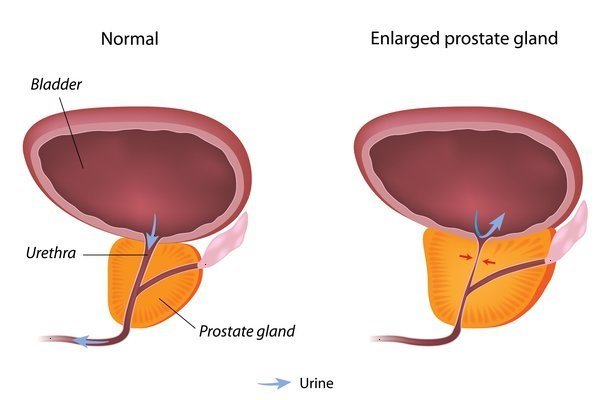
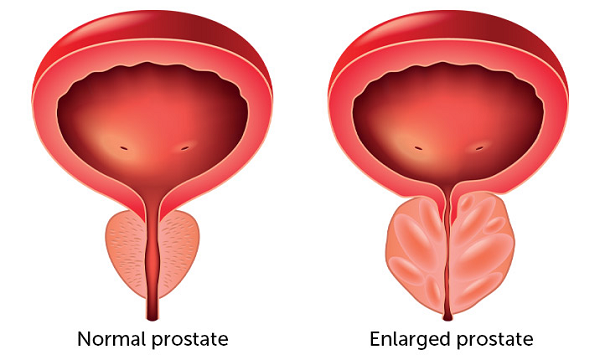
    An enlarged prostate is a condition in which the prostate becomes larger in size. Enlarged prostate can be treated by changing lifestyle, taking effective medications like Enzamide 40mg Capsule, and opting for surgery.

    Symptoms of Prostate cancer and enlarged prostate


    Symptoms of prostate cancer are:
    • Bone pain
    • Blood in the urine
    • Erectile dysfunction
    • Weight loss
    • Blood in the semen
    Symptoms of enlarged prostate are: 
    • Urgent need to pee
    • Bleeding, bladder stones, bladder damage
    • Urinary tract infection

    Causes

    Doctors are not specific about what are the causes of prostate cancer and enlarged prostate. This type of cancer usually begins when prostate cells start developing changes in their DNA. The sudden change in the DNA of the prostate cells makes them divide and grow more rapidly than other normal healthy cells. When abnormal prostate cells accumulate, this leads to the death of healthy cells and causes the formation of a tumor in the nearby tissues. With time these abnormal states metastasize to other regions of the body.

    Risk factors

    The following are the risk factors for enlarged prostate or prostate cancer in men.

    • Research says that men who are 50 years or above run a higher risk of prostate cancer than men who are young or less than 50 years.
    • If you have obesity, you are at increased risk of prostate cancer compared to those with proper body weight. Cancer will become aggressive and is more likely to return after treatment if you have obesity.
    • Black people are at a high risk of developing prostate cancer and enlarged prostate in contrast to other races. Black people also have a high-risk factor for developing advanced or aggressive prostate cancer.

    Prevention

    If you want to lower your risk of enlarged prostate or prostate cancer, then you must follow the following prevention and treatment methods.

    1. Always eat healthy foods instead of taking supplements. In order to maintain a healthy weight, you must take food that are rich in both vitamins as well as minerals. Instead of taking supplements, take good food rich in nutrients to lower your risk of an enlarged prostate or prostate cancer.
    2. Lifestyle and diet changes will lower your prostate cancer or enlarged prostate risk factors. Consume a lot of fruits and vegetables and limit alcohol consumption.
    3. Exercise daily and maintain a healthy and fit body. If you have obesity, talk to your doctor and make an effective plan for managing weight. Obese people are at increased risk of prostate cancer as well as enlarged prostate. You must exercise and eat healthy food to manage your weight.
    4. If you think you have a risk factor for prostate cancer and enlarged prostate, seek a doctor’s appointment immediately, assess your risk, and make an effective treatment plan. Regular screening and taking effective medications like Enzalutamide, and Enzamide 40 mg will help to control the enlargement of prostate cancer and prevent your condition from becoming more aggressive.

    Treatments

    The right treatment procedure for prostate cancer and enlarged prostate will depend on the following factors

    • Age of the patient
    • Size of prostate tumor
    • Their present health status
    • Symptoms or warning signs etc.

    Your doctor will recommend medications like enzamide to get the best results. These medications will relax the muscles in your bladder and prostate. If changes in medications and lifestyle do not work, then your healthcare provider will suggest you go for a surgical procedure to remove the prostate cancer. Know about the enzamide 40 mg price, side effects, and benefits from your healthcare team. Treatment procedures for prostate cancer and enlarged prostate include the following

    • Immunotherapy
    • Targeted therapy
    • Active surveillance
    • Radiation therapy
    • Chemotherapy
    • Hormone therapy
  • What Should You do to Lower Your Risk of Breast Cancer?

    What Should You do to Lower Your Risk of Breast Cancer?

    Risk of Breast Cancer

    Searching for ways so that you can improve your health condition and lower your risk of breast cancer? You can protect your health and prevent breast cancer in several ways. But the risk of developing breast cancer due to certain factors like ethnicity, genetic communities, history, breast density, etc., is out of human control.

    Studies have shown that around 50% to 70% of breast cancer cases can be prevented by adopting healthy lifestyle changes and risk-reducing behaviour. Although researchers have yet to discover the main causes that lead to breast cancer and find an ultimate way to prevent it entirely, an early diagnosis, smart screening, effective vaccination, and medications like Letoval Tablet can help people reduce their risk of breast cancer.

    • Have a healthy weight

    Maintaining a healthy weight for everyone is important, as being overweight or having obesity can increase the risk of several kinds of cancer, especially breast cancer after menopause.

    • Exercise

    Exercising regularly is one of the most effective ways to keep your weight in check and lower the risk of developing breast cancer. Exercise is the key to good health, and it has been seen that women who perform exercises for a minimum of 30 minutes every day have low chances of breast cancer.

    • Limit alcohol intake and eat healthy fruits and vegetables

    Having a healthy balanced diet will reduce the risk of breast cancer. Eat healthy fruits and vegetables and try to limit alcohol consumption. If you’re diagnosed with breast cancer, then your doctor will suggest effective medications like letoval. The letoval tablet uses are immense in treating breast cancer. Take your medications timely along with a healthy diet.

    • Don’t Smoke

    Smoking causes breast cancer as well as fifteen other types of cancers. It is always the best solution to quit smoking to reduce your risk of breast cancer. Powerful drugs like Letrozole significantly lower the risk of breast cancer or the progression of breast cancer into advanced stages.

    • Family History

    If you have a family history of breast cancer, you must take measures to protect yourself. A woman is at high risk of breast cancer if her mother or sister has previously suffered from ovarian or breast cancer. If you have multiple members in your family who suffer from prostate, ovarian, and breast cancer, then you must consult a genetic counselor or doctor and discuss whether you are at risk of developing breast cancer.

    • Avoid taking hormone therapy

    Hormone therapy during menopause should be avoided for the long term to prevent cancer and other chronic diseases. Research has shown that hormone therapy causes adverse effects on health and increases the risk of certain cancers and diseases. If you are taking hormone therapy for menopause, it should not be for the longest time. You can talk about the benefits and health risks of hormone therapy for menopause with your doctor.

    • Avoid taking birth control pills

    There are both benefits and risks involved in birth control medications. For a young woman, the chances are lower; however, women about 35 years of age are at high risk of developing breast cancer by taking birth control pills. Long-term use of such pills can negatively affect your health and lead to breast, urinary, and ovarian cancer. Women who are worried about breast cancer should avoid taking such pills.

    • Never Forget Mammograms

    Screening for breast cancer regularly with the help of mammograms helps in saving lives. Screening for breast cancer will not prevent it; however, it will make it more treatable. Regular breast self-examinations have also proved beneficial and are one of the recommended options for breast cancer screening. You must consult your doctor immediately if you notice any changes in your breasts.

  • How to Manage Castrate-Resistant Prostate Cancer (CRPC)

    How to Manage Castrate-Resistant Prostate Cancer (CRPC)

    Castrate resistant prostate cancer

    It also known as hormone-resistant or hormone-refractory prostate cancer, grows when the testosterone levels are below or at the castrate level. Your healthcare provider will determine whether you have castrate-resistant prostate cancer if your blood test reports show that your PSA (prostate-specific antigen) level is increasing while your testosterone level is significantly low. PSA doubling time and imaging tests will help doctors plan your treatment procedure.

    Management for castrate resistant prostate cancer

    The following are the suitable treatment options for people having nonmetastatic castrate resistant prostate cancer. Your doctor or healthcare team will suggest ideal treatment plans according to your health condition, age, and other factors.

    • Hormone therapy

    Hormone therapy is one way to manage this cancer if your PSA level is increasing, even though there are no signs or symptoms of prostate cancer. With the help of hormone therapy, certain hormones will be changed or blocked in order to slow down the spread and growth of cancerous cells. Along with your current hormone therapy, doctors will suggest effective medicine such as Indenza to treat CRPC. Chemotherapy can also be combined with hormone therapy in order to provide the best outcome.

    • Chemotherapy

    One of the ideal options to treat castrate-resistant prostate cancer and reduce the symptoms is chemotherapy. The chemotherapy management process includes using anti-cancer drugs or medicines to destroy the cancerous cells.

    • Targeted therapy

    Targeted therapy includes effective drugs and medications such as Indenza 40 mg that help target particular molecules or proteins in cancerous cells and stop the spread and growth of cancer to limit the damage caused to normal cells. Targeted drug therapy is mostly used to treat metastatic castrate-resistant prostate cancer, which includes a particular type of genetic mutation.

    • Radiation therapy

    It is one of the main treatment processes for destroying cancer cells, relieves patients from urinary problems caused by the tumor, and relieves the pain if cancer has spread to the bones. Radiation therapy is especially given to the areas that cause symptoms, including using high-energy particles or rays to destroy cancerous cells.

    • Bone-targeted therapy

    According to research, around 90% of individuals with metastatic castrate resistant prostate cancer tend to develop bone metastasis, where cancer spreads through the bone regions and causes severe pain. Patients are also at high risk of developing pathological fractures, skeletal complications, spinal cord compression, etcetera. The most common options for treating bone metastasis are bisphosphonates like zoledronic acid, corticosteroids like dexamethasone and prednisone, pain medicines, kyphoplasty, systematic radiation therapy, and external radiation therapy.

    • Clinical trials

    You must consult with your healthcare provider regarding clinical trials and more ways to manage prostate cancer. Clinical trials are a new and innovative way to treat and prevent cancer. Along with clinical trials, you need to regularly perform imaging and phase testing to know if the prostate cancer has spread or grown to other regions. Effective medicine like Enzalutamide helps to treat castrate resistant prostate cancer. You can learn about enzalutamide price and the right dose or strength from your healthcare provider.

    Conclusion 

    All the above methods are the best management process for metastatic castrate-resistant prostate cancer, help slow the growth and spread of cancerous cells, improve quality of life, increase life expectancy, and relieve castrate resistant prostate cancersymptoms. As CRPC is a fatal and incurable illness, early diagnosis and treatment options would help improve the prognosis. There are several other treatment and management ways that are under investigation and research and will soon add to therapeutic options and would be available to patients.

  • What are the 4 Stages of IPF?

    What are the 4 Stages of IPF?

    4 Stages of IPF

    IPF stands for Idiopathic Pulmonary Fibrosis, which is a progressive and rare lung disease. Doctors stage IPF in 4 different stages based on the health condition, symptoms, and treatment requirements. IPF is a scary lung disease; however, it is not a death sentence as early diagnosis and effective medication like Nintedanib will enable you to live for many years.

    Stage 1 of IPF: Recently diagnosed

    The early signs of Idiopathic Pulmonary Fibrosis disease include shortness of breath, dry cough, and fatigue. Many people have reported showing no symptoms at all or only experienced extreme exertion at the time of climbing stairs. If you are diagnosed with idiopathic pulmonary fibrosis disease, then your healthcare professional will perform a series of physical tests to determine the rate of disease progression and your treatment plan.

    Pulmonary function tests, also known as lung function tests, will be performed to know how much your lungs are able to hold air. A 6-minute walk test will also be conducted to measure your amount of shortness of breath during physical activity. This disease’s first stage comprises two types of treatment: OFEV and Esbriet. Changes in lifestyle, like exercising and quitting smoking, will also help the individual living with IPF.

    Stage 2: Oxygen will be required to perform activities

    Shortness of breath at the time of performing activities will be a common symptom as this disease progresses. A common sign at this stage of IPF is coughing. Doctors will be prescribing individuals oxygen to perform activities at this stage on the basis of oxygen saturation with activity and rest. You can monitor and regularly check the oxygen saturation using a pulse oximeter and make sure that the airflow is correct. The oxygen saturation equal to or greater than 89% in an activity helps the individual to feel better.

    Stage 3: Oxygen is required 24 hours a day

    At stage 3, patients feel breathlessness with physical activity. Fatigue and cough are the two main symptoms at this stage. The oxygen level for people at this stage is quite low, and they may require oxygen at rest; however, they will not feel shortness of breath at rest. Exercise will help them to improve their symptoms and energy level with 24-hour oxygen.

    Stage 4: Requirement for advanced oxygen

    At this stage, a lightweight and portable oxygen delivery system may not fulfill the requirements of a patient; therefore, healthcare professionals will suggest a non-portable high-flow oxygen delivery system. Advanced oxygen supply cannot be provided by portable and lightweight oxygen containers; therefore, people living with IPF may be socially isolated. Friends and family should continue to support them, so they do not feel depressed.

    Treatment options for idiopathic pulmonary fibrosis disease

    There are limited treatment options available for IPF since it is a progressive disease that may worsen with time. The outlook or prognosis for IPF is quite poor, and the survival or life expectancy rate for people with IPF is less than five years. It mostly affects older or middle-aged adults and has no permanent cure.

    Certain medications like nindanib 100mg help to treat pulmonary fibrosis disease and are prescribed only by healthcare professionals. Heart failure, decreased activity, shortness of breath, high lung pressure, and lung failure are severe complications of IPF. If you are diagnosed with IPF, then your doctor will prescribe you effective medications like nindanib 100 or will suggest you go for lung transplantation if it is required at the present moment.

  • What is the Treatment for Soft Tissue Sarcoma (STS)?

    What is the Treatment for Soft Tissue Sarcoma (STS)?

    Soft Tissue Sarcoma

    It is a type of cancer that affects people of any age and can develop in any part of the body. The tumors can develop in any part of your body, making them challenging to diagnose and detect. The right treatment procedure for soft tissue sarcoma depends on the treatment procedure, type of tumor, size, etc. It is a rare type of cancer that is commonly found in the arms, head, legs, abdomen, and neck. Effective medications like tab pazopanib 400 mg then help to treat STS.

    Diagnosis

    Since there can be different types of soft tissue sarcoma, it is important to determine the size and nature of tumor to know the exact type of soft tissue sarcoma and the right treatment procedure. Early diagnosis and effective medications like pazopanib tablets 400 mg help in providing the best treatment for STS. Imaging tests like MRI, X-rays and city scans help evaluate the tumor area. Experienced doctors also use biopsy techniques for planning surgical treatment of soft tissue sarcoma.

    Treatment options for soft tissue sarcoma

    The right treatment procedure for soft tissue sarcoma will be based on the tumor’s location, type, and size. The following are the common treatment options for soft tissue sarcoma.

    • Surgery

    A common treatment procedure for STS is surgery which involves the removal of the cancer tumors along with a few healthy tissues that surround the tumor. When a person’s legs and arms get affected due to soft tissue sarcoma, chemotherapy and radiation therapy can be considered to shrink the tumor size and eliminate amputation.

    • Radiation therapy

    Radiation therapy helps in treating soft tissue sarcoma by giving high-powered energy beams. Radiation therapy can be given before surgery to shrink the tumor size so that it becomes easy to remove. Intraoperative radiation includes high-power radiation to target the cancer area directly. Post-operative radiation is given after surgery to kill the remaining cancerous cells.

    • Chemotherapy

    Soft tissue sarcoma, in most cases, responds in a better way when chemotherapy is given compared to other methods of treatment. Chemotherapy is basically a type of drug treatment that uses chemicals to kill cancerous cells.

    • Targeted drug therapy

    In specific types of soft tissue, sarcoma-targeted drug therapy becomes a viable option to attack cancer cells. Effective drugs like pazopanib 400 work better than chemotherapy and are not so toxic. In the case of gastrointestinal stromal tumors, targeted treatments are considered to be a great help.

    Treatment of soft tissue sarcoma by stage

    Stage I

    Stage one soft tissue sarcoma is a case where the tumors are smaller in size and can be removed with a surgical procedure. Apart from surgery, radiation therapy after surgery is also a viable treatment option that lowers the chance of cancer remission. If the tumor is found in regions like the neck, head, and abdomen, radiation or chemotherapy is given before the surgery to shrink the tumor size.

    Stage II and III

    Stage two and three STS refers to high-grade tumors which spread and grow quickly. Surgery is the main treatment to remove the tumor in these two stages. If the tumor is present in places where surgery is difficult, then chemotherapy, radiation therapy, or both are important treatment options that take place before surgery.

    Stage IV

    At this stage, cancer spreads to distant parts of the body, and tumors are removed with the help of surgery, chemotherapy, or radiation therapy. Treatment with the help of immunotherapy or new targeted drugs like Pazokast 400 is a viable option.

  • What are the Stages of Breast Cancer?

    What are the Stages of Breast Cancer?

    Stages of Breast Cancer 0-4

    Breast cancer stages describe how advanced or widespread cancer has become within the breast tissue and whether it has spread to the other parts of the body or not. It is important to determine the stage of breast cancer in order to determine the right treatment process. Breast cancer often involves treatment methods like surgery or taking highly effective medications like Letpro 2.5mg Tablet.

    How and when does a healthcare professional determine the stages of breast cancer?

    To determine the accurate stage of your breast cancer, doctors will consider the T-N-M scale. Here, the T refers to the tumor size, N refers to the involvement of the surrounding lymph nodes, and the letter M refers to how the breast cancer has spread or metastasized beyond the breast tissues and spread to distant parts of the body. You can learn about Letrozole, letrozole tablet uses from your healthcare professional that helps to treat breast cancer.

    How many stages of breast cancer?

    There are four stages of breast cancer ranging from zero to four:

    Stage 0

    Stage zero is the beginning of the TNM scale. It specifies pre-cancer or non-invasive breast cancer and includes ductal carcinoma in situ.

    Stage I

    The early stage of invasive breast cancer is described in stage one. At this stage, the tumor cells spread to nearby breast tissues but are confined to only a small area within the breast. There are two subcategories of Stage I.

    • Stage IA where the tumor measurement is up to 20 millimeters, but no cancer is present within the lymph nodes.
    • Stage IB which is known as either

    – Small-sized tumors within the tumor measuring 20 millimeters, as well as small cancers cells present in lymph nodes.

    -Small clusters of cancerous cells within the lymph nodes with no tumor found in the breast.

    Stage II

    At this stage, breast cancer is limited to a specific region; however, the tumor has grown. This stage reflects the lymph nodes which contains the cancerous cell and is divided into subcategories.

    • Stage IIA, which is described as either

    -No tumor is present in the breast, and the tumor has grown to 20 millimeters. Here cancer has spread to the lymph nodes

    -Tumor ranging 20 to 50 millimeters in size is found in the breast; however, the cancer is not spread to the nearby lymph nodes.

    • Stage IIB is described as either

    -Tumor ranging between 20 to 50 millimeters is found in the breast, and the cancer cells have spread between one and three lymph nodes.

    – Tumor is found in the breast, which is around 50 millimeters in size; however, the cancer has not spread to the nearby lymph nodes.

    Stage III

    The tumor has grown much larger in this stage than earlier, and the cancer has spread to distant parts. It is divided into three categories.

    • Stage IIIA Is described as either

    without or with tumors present in the breast and cancer found in 4 to 9 surrounding lymph nodes.

    – A breast tumor has grown to 50 millimeters in size, and the cancer has spread to one or three nearby lymph nodes.

    • Stage IIIB refers to a condition where the tumor has spread to the chest wall beyond the breast, or cancer has spread to the skin and several axillary lymph nodes.
    • Stage IIIC is a stage where there may or may not be a tumor; however, cancer has spread to the lymph nodes, 10 or more axillary lymph nodes, skin, etc.

    Stage IV

    It is an advanced breast cancer stage where cancer has spread to the distant part of the body beyond the breast region and to the surrounding lymph nodes. Letpro 2.5mg Tablet is a highly effective drug prescribed for breast cancer. You can get this medicine at any local pharmacy store or shop online. You can know and compare letrozole 2.5 mg price by shopping online.

  • Epidemiology and Risk Factors for Kidney Cancer

    Epidemiology and Risk Factors for Kidney Cancer

    Tunib 50mg

    The common risk factors for kidney cancer are body size, history of hypertension, chronic kidney disease, and tobacco smoking. Molecular epidemiology, tumor genomics, and metabolism are new research areas that will play an important role in knowing the underlying cause that leads to kidney cancer. Much progress has been seen in kidney cancer treatment and medications like Tunib 50mg Capsule, enabling people to live longer lives and permanently get rid of kidney cancer.

    What are the risk factors for kidney cancer?

    Risk factors are something that can increase one’s chance of developing cancer. Even though risk factors can lead to cancer development, they do not cause cancer directly. There have been cases where people did not develop cancer even after living with different risk factors, while some having no risk factors have developed cancer. Knowing about all the risk factors and consulting with your doctor will help you make informed healthcare and lifestyle choices. The following are the factors that may increase your risk of developing kidney cancer.

    • Smoking

    Smoking tobacco tends to double the risk of kidney cancer development. Smoking has led to approximately 30% of kidney cancer cases in men, while in women, the statistics are around 25%.

    • Gender

    When it comes to gender, women are two or three times more likely to develop kidney cancer compared to men.

    • Race

    High kidney cancer development rates are more for black people.

    • Age

    People between the ages of 50 and 70 are at a higher risk of developing kidney cancer than others. Kidney cancer typically occurs more in adults than in the young generation.

    • High blood pressure

    Hypertension or high blood pressure in men is likely to increase the risk of kidney cancer.

    • Obesity

    People who are suffering from obesity are at high risk of developing kidney cancer compared to the ones who maintain a healthy lifestyle and healthy weight. Research has found a direct link between obesity and kidney cancer.

    • Specific inherited syndromes

    Some people born with specific inherited syndromes have a high chance of developing kidney cancer, such as tuberculosis sclerosis complex, familial renal cancer, Hippel-Lindau disease, hereditary papillary renal cell carcinoma, etc.

    • Family history

    The risk of developing kidney cancer is higher if your close family members have had kidney cancer previously.

    What causes kidney cancer?

    Even though these risk factors may lead to kidney cancer development, there are no clear or specific causes known that lead to kidney cancer in one’s body. Doctors suggest kidney cancer may develop when certain cells in your kidneys start developing mutations or DNA changes. A cell’s DNA comprises instructions that tell the cell what to do. Changes or mutations will make the cells grow as well as divide rapidly. When abnormal cells accumulate, they form a tumor that spreads to other regions and metastasizes to other parts of the body.

    Treatment

    One of the most common treatment methods for kidney cancer is surgery, where the damaged part of the kidney is removed. The right treatment method will depend on the stage of cancer and other factors such as health, age, etc. Kidney cancer for stages one, two, and three can be cured with surgery. Other treatment methods include thermal ablation, active surveillance, radiation, and chemotherapy. People who have advanced kidney cancer will be recommended for drugs and surgery. Certain medications, such as Tunib 50mg (Sunitinib malate capsules), help prevent kidney cancer from spreading to other parts of the body. Targeted therapies inhibit the growth and development of cancer directly.