Category: Hepatitis C

  • What Are Various Risk Factors Of Contracting Hepatitis C From An Infected Person?

    What Are Various Risk Factors Of Contracting Hepatitis C From An Infected Person?

    The hepatitis C virus causes hepatitis C. Hepatitis C is a liver disease that can be chronic and acute. Many people hardly show any symptoms and get treated on their own, but it can lead to severe illnesses in many. The hepatitis C virus is not highly transmissible as it can spread only through blood. However, there is always a certain risk factor for those living with a hepatitis C- positive person.

    Here are some risk factors that should be kept in mind:

    Medium risk factors: Medium risk factors are the factors that can transmit the virus to another person, but the chances are low. This includes:

    • Pregnancy: There is a low risk of mothers transmitting the virus to their unborn child.
    • Hygiene and grooming supplies: From razors to nail clippers to sanitary napkins, these come into the low-risk category of spreading the virus.
    • Unprotected sex: The risk level is low, but there is always a possibility. People should avoid having sex while menstruating.

    High-risk factors: High-risk factors are the ones that stand to be the most probable way to get infected by the virus from an infected person’s blood. They include:

    • Blood transfusion: When infected blood is transfused to a healthy person, the chances of contracting the virus are very high.
    • Tattoo needles: When the tattoo needles are not sterilized properly, the infection chances increase immensely.
    • Drug needles: When the syringes and tourniquets are shared while using drugs among people, the infection risk goes up.

    Anything that poses as a medium to transmit an infected person’s blood to another can be counted as a high-risk factor in this infection. However, a few things do not cause infection to a healthy person, like coughing, kissing, sneezing, sharing utensils, breastfeeding, casual contact, etc.

    Timely treatment of this virus is one of the best ways to ensure that the infection is not severe. One of the drugs that help with controlling the infection and treating it is Hepcinat Plus. Patients should consult with their doctor to get the dosages prescribed.
  • Why People need to take HCV Genotypes Seriously

    Why People need to take HCV Genotypes Seriously

    HCV or the hepatitis C virus is a global disease with over 150 million people infected. Over one million cases are reported every year from all over the world. If a person gets in contact with another person’s blood either by using the same injection or through sexual contact, the chances are high to get infected, but the chances of getting HIV from sexual contact are very low and could only take place if infected blood comes in contact with the other person.


    HCV has different types for different people, and to identify the different variances, scientists use terms like genotype for the treatment. The only way to find out which genotype you have is by getting a blood test. This will help find the right treatment for you because after knowing your genotype level, your doctor will prescribe you the medicine based on that. 


    Different Strains of HCV 

    Usually, the hepatitis C virus consists of seven genotypes or strains from one to seven, and genotypes 1 to 3 are only found worldwide. The other four genotypes are only found in certain countries, mostly Egypt, Africa, and Southeast Asia. These genotypes do not tell the liver’s progress or failure and how much it is damaged, but rather they tell that what treatment will be required based on the strain. Although the other genotypes work wonderfully on the treatment, genotype 3 has a very difficult and hard treatment. 


    When a patient is positive for HCV genotype 3, his recovery rate becomes slow. When a person has genotype 3, the body’s cells quickly damage the liver, preventing it from functioning, and may later cause liver failure. The other genotypes’ treatment has been researched, but most of them do not help in curing Genotype 3. The medicine for all other genotypes does not work on genotype 3, and only a few medicines can help in curing genotype 3 because, in this stage, the chances of getting cured are less, but liver damage happens in quick succession.


    That is why it is necessary to get tested for HCV genotype variances which can help get the right treatment based on your case. To cure HCV diseases, antiviral medicines are used. Sofokast Plus is one of the acknowledged medicines that uses two antiviral drugs, which helps treat genotype 1 and genotype 3 strains.

  • How Sovihep can help treat chronic Hepatitis C?

    How Sovihep can help treat chronic Hepatitis C?

    Hepatitis C is an infection caused by a virus called HCV (Hepatitis C Virus). The virus affects the liver and causes inflammation. Hepatitis C is the main cause of liver cancer.

    Global distribution of Hepatitis C

    Hepatitis C is a worldwide disease. The most affected region is the European and eastern Mediterranean region. The estimated prevalence in these areas in 2015 is 2.3% and 1.5%, respectively. The genotype distribution is unknown in many countries. HCV is, however, vaccine-preventable. HCV is mostly spread in countries where vaccine practices are acute.

    Transmission and Symptoms

    The virus is spread through blood or other body fluids. The most common ways of virus spread are: –

    1. Improperly sterilized or reused syringes, razors, or other medical equipment.
    2. Sharing injection while taking injection drugs
    3. Transfusion of infected blood
    4. Unprotected sex (sex that exposes contact of blood)
    5. Mother to child

    However, the virus cannot be transmitted through breastfeeding, sharing food or utensils, kissing, or casual contact.

    Hepatitis C is an asymptomatic disease. It causes dark urine symptoms, exhibit fever, weight loss without any reason, nausea, frequent joint or muscle pains.

    If one thinks that he/she might be infected, it is suggested to get tested as soon as possible. Early testing can help the patient get treatment before the infection starts to worsen. There are possibilities for HCV to cause liver cancer if hepatitis gets into its chronic stage. Doctors make sure to test the patient frequently to ensure the patient gets treatment for cancer at the early stages.

    Prevention

    Prevention is always better than cure. Following a few precautions can help one in preventing the disease.

    1. Using properly sterilized or new injections, razors, blades, and other health equipment.
    2. Test the blood for HBV and HCV when applied for donated blood
    3. Prevention for exposure to blood during sex

    Treatment

    Hepatitis B does not require any special treatment if it is in the acute stage. A healthy body is immune enough to fight the virus and clear the infection. But if the infection becomes chronic, then treatment is required.

    Sovihep: A cure to Hepatitis C

    Sovihep is an antiviral medicine that helps the patient fight the Hepatitis C Virus. Sovihep is used along with a few other medicines to cure hepatitis. The medicine helps the body reduce the spread of the virus and kill the virus present in the blood. The medicine has a few side effects, like fatigue, headaches, insomnia, and nausea.

  • Take Velpanat Tablets to See Better Results

    Take Velpanat Tablets to See Better Results

    Two antiviral medicines are combined to form Velpanat tablets. This tablet is mainly used for the treatment of chronic hepatitis C virus. It attacks the virus and fights against it to boost the immunity.

    Benefits 

    Velpanat tablets are mainly used to treat chronic hepatitis C. Hepatitis C is a viral infection that results in liver failure. The hepatitis C virus causes it. When hepatitis C lasts long in its host’s body, it is termed chronic hepatitis C. Velpanat tablets help treat it by attacking the viruses in the host’s body. It also stops the virus from spreading further. So, controlling the spread of the virus results in faster recovery of the disease.

    The dosage of Velpanat that is best suited for your body depends on your doctor’s recommendation.

    Side effects 

    There is no evidence of any serious side effects due to Velpanat, although some common symptoms may be noticed at first after taking the tablets. Some of the most common side effects are headaches and tiredness. If you face some major issues after consuming them, then a doctor’s consultation is recommended.

    Generally, if you have chronic hepatitis C for a long time and have started taking Velpanat tablets, then the chances are high that recovery will take a long time. The combination of two medicines, Velpatasvir and Sofosbuvir, works by removing the hepatitis C virus. But, this process takes time.

    Safety precautions 

    • If you are a regular alcohol consumer, you should consult with your doctor about taking Velpanat since their reaction to alcohol is unknown.
    • The tablets are safe to consume during pregnancy. It has no adverse effect on the baby.
    • During breastfeeding, consuming Velpanat is safe since no harmful effect on the baby is noticed.
    • When taken, these tablets may cause blurry vision or dizziness, so driving after taking medicine is not recommended.
    • If you have a severe kidney condition, then Velpanat should be used after consulting with your doctor, but it is mostly safe for people with liver disease.

    Complete the entire course of these tablets to see a gradual decline of the hepatitis C virus in your body.

  • Ledihep treatment for Hepatitis C

    Ledihep treatment for Hepatitis C

    Introduction

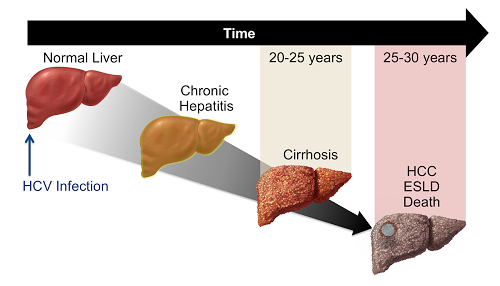
    Hepatitis C is a liver infection caused by HCV (hepatitis C virus). In a few cases, the virus also attacks the digestive system, nervous system, or immunity issues. The disease turns out to be deadly when it advances to cirrhosis or liver cancer. But these life-threatening situations due to HCV is rare. There are five stages of hepatitis C:

    1.  Incubation period:This is the period between the first exposure to the virus to the start of the infection. It would last for 14 to 80 days, 45 days on average.
    2.  Acute hepatitis C:This is the starting stage of the infection. It lasts for up to six months. The virus either leaves the body on its own, or the patient would get treated.
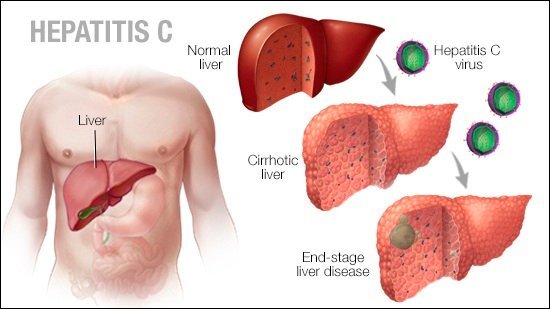
    3.  Chronic hepatitis C:The later stage, which lasts for more than six months, is the chronic stage. At this period, the virus can damage the liver and cause other serious illnesses like liver cancer or cirrhosis.
    4.  Cirrhosis:This is a serious liver disease that kills healthy liver cells and leaves scar tissues. This stage is attained after 20-30 years of exposure or earlier if the person consumes alcohol or is HIV positive. Cirrhosis is an inflammation in the liver that can lead to a lot of suffering.
    5.  Liver cancer:Cirrhosis mostly leads to liver cancer. Liver cancer does not show any symptoms, but the doctors ensure that a cirrhosis patient is tested regularly for cancer.

    Transmission and Symptoms of Hepatitis C

    The virus is spread through bodily fluids or blood.

    1. The virus spreads through sharing needles or razors.
    2. The virus enters the body through sexual contact with an infected person.
    3. Mother to child.
    4. Sharing personal items like razors, nail clippers, toothbrushes.
    5. Tattoo or piercings with unhygienic equipment.

    However, breastfeeding, sneezing, kissing, mosquito bites, or sharing utensils does not spread the virus.

    The symptoms of hepatitis C are:

    1. Gallstones
    2. Severe itching
    3. Muscle loss
    4. Memory and concentration issues (encephalopathy)
    5. Blood vomiting

    Ledihep Tablets

    Ledihep is an integration of two antiviral medicines. Ledihep is used for treating HCV. The tablets are prescribed when the patient is in the chronic stage. The medicine helps in reducing the hepatitis C virus and stop the spread of infection. The medicine helps the patient recover faster by controlling the spread of the virus.

    There are negligible side effects of the tablet, such as tiredness and headaches. Doctors suggest the patient consumes plenty of fluids and a healthy diet to prevent or reduce the side effects.

  • What to know about Hepatitis C?

    What to know about Hepatitis C?

    Hepatitis C is one of the hardest diseases to diagnose. It severely affects the liver and can cause an extreme amount of damage. However, there are hardly any symptoms at the initial stage, which causes most people to remain oblivious to its presence.

    There are multiple variations of this disease, but all of them pose nearly the same danger. The only difference between them is how they respond to different treatments and medications. This is not a contagious disease, and it spreads from one person to another, only through blood and other bodily fluids.

    Effects of Hepatitis C

    Hepatitis C is hard to diagnose because of the sparse symptoms. Moreover, it affects different people in different ways. A few stages of the infection vary from person to person, depending on their immune system and physiology. The different stages of hepatitis C are:

    • The incubation period is the window between the infection and the start of the disease. This again is different for different people. It can be as less as 14 days and as high as 80 days. According to a survey, the average period of incubation is 45 days.
    • After the incubation period, there is a 6-month illness known as acute hepatitis C. This is a short-term illness, and most people who suffer from it do not need to worry about anything as the body will get rid of the virus on its own.
    • Those who do not get the acute infection are infected with chronic hepatitis C. This is the case in almost 85% of people. In this scenario, the illness transforms into something that lasts for much longer than six months and can lead to some serious health complications in the future.
    • One of the most adverse effects of chronic hepatitis C is liver cirrhosis. It takes almost 20 to 30 years for complete liver failure, but the process can happen faster if the patient consumes alcohol or has HIV.
    • Another major impact of liver cirrhosis is liver cancer, which is fatal for anyone. It is hard to diagnose, and you will need to get regular tests to identify it.

    Medications for Hepatitis C

    There are several drugs and medications to keep the complications of Hepatitis C at bay. One of the more popular ones is Hepcinat Plus, which is used for chronic hepatitis C infections. Its main function is to remove the hepatitis virus from the body and the bloodstream over some time.

  • What is Hepatitis C, and what are the common Symptoms?

    What is Hepatitis C, and what are the common Symptoms?

    Hepatitis C develops from the hepatitis C virus. On entering the body, the virus attacks the liver, which leads to inflammation and infection. The other types of hepatitis, A, and B, have vaccines, but hepatitis C does not have any vaccine. Though researchers and doctors are trying their best to develop one. And because there is no vaccine, this condition is quite contagious.

    There are two phases of this condition acute and chronic hepatitis C. When it comes to showing symptoms, acute hepatitis C shows symptoms quite early, whereas chronic hepatitis C symptoms take time to develop. The symptoms of chronic, are sometimes not even identifiable at first.

    Research and surveys show that most hepatitis C patients don’t even show any symptoms, but the rest do face some symptoms.

    Hepatitis C symptoms

    The symptoms are as follows:

    – Dark urine

    – Abdominal discomfort or pain

    – Fever

    – Joint pain

    – Loss of appetite

    – Jaundice

    These symptoms usually take 6 to 7 weeks to fully develop and become apparent.

    Transmissibility

    Hepatitis C is a contagious disease that spreads through blood-to-blood contact. It is not transmissible through any casual contact. But even if it is contagious, since blood-to-blood contact is the only way of transmission, it is not that contagious compared to other infections and viruses.

    The transmission of the virus can take place through one of these situations:

    – Sharing needles

    – Sharing razors or toothbrushes

    – Blood transfusion

    – Since the birth (mother had hepatitis C during pregnancy)

    – Organ transplant

    Hepatitis C tests

    Hepatitis C cannot be identified only through symptoms. Doctors will also like to know if there was any exposure to hepatitis C through any of the situations mentioned above. To check if the virus or any infection is present in the body, the doctor will do some blood tests. These tests will tell the genotype and the amount of the virus present in the blood. Such information will help in determining the medical treatment that will be most effective for the patient.

    Apart from these, some more liver-related tests will be done to check if there is any liver damage and if there is any sign of excessive toxins in the blood due to failure in the liver’s functioning.

    Treatment

    Many patients with hepatitis C do not require medical assistance, as their immune system is capable enough to fight the injection until it clears off. In such situations, the doctors will do regular checkups to ensure that the liver is functioning properly.

    Other than this, for people whose immune system is unable to fight the infection, medications are given based on the virus’s genotype. Ledikast is one such medication containing antiviral agents that effectively fight off the hepatitis C virus and the infection.

  • Hepatic Encephalopathy Brain Damage Due to Hepatitis

    Hepatic Encephalopathy Brain Damage Due to Hepatitis

    Hepatic encephalopathy is a condition in which, due to any liver disease, the brain’s functioning capabilities start to deteriorate. Just because the liver is unable to function properly and is unable to remove toxins from the blood, the amount of toxin in the blood keeps increasing and over time causes brain damage.

    People may have acute or chronic Hepatic encephalopathy, and if the condition worsens, there is a possibility that the diseased may slip into a coma or become unresponsive. Many times Hepatic encephalopathy can act as a symptom of terminal liver failure. The chronic condition may be permanent or a recurring situation with multiple episodes over a lifetime.

    Timely medical treatment is required to reduce the chances of experiencing any severe symptoms.

    Symptoms

    The symptoms directly depend on the severity of the Hepatic encephalopathy and the underlying reason that caused the liver to damage.

    For moderate Hepatic encephalopathy:

    – Confusion

    – Difficulty in thinking

    – Poor concentration

    – Hand movements

    – Forgetfulness

    – Personality change

    – Sweet or musty breath

    For severe Hepatic encephalopathy:

    – Seizures

    – Fatigue

    – Drowsiness

    – Shaky hands

    – Anxiety

    – Severe personality change

    – Slow movements

    – Confusion

    If someone shows the symptoms of severe Hepatic encephalopathy, it is advisable to take medical assistance immediately.

    Causes

    The exact factor that causes the disease is still unknown, but it gets triggered when there are many toxins present in the bloodstream. The buildup of toxins happens due to failure in liver functionality. The toxins that need to be removed after breaking down protein do not get filtered and mix with the blood, which, after a certain extent, starts damaging organs.

    Some conditions that trigger Hepatic encephalopathy are:

    – Kidney problems

    – Intake of excessive protein

    – Dehydration

    – Pneumonia

    – Hypoxia

    Conclusion

    Options for treatment of Hepatic encephalopathy depend on the cause and severity of the underlying condition. Less protein intake and proper functioning of the liver can help with the condition. Hepakast sachet is a medication that helps maintain the liver’s functioning ability, which helps with the Hepatic encephalopathy condition.

  • All you need to know about Hepatitis C infection

    All you need to know about Hepatitis C infection

    Hepatitis C is a deadly infection that can highly damage a person’s Liver. This infection is caused due to the HCV virus. The HCV virus can be transferred via blood and other bodily fluids. Just as blood cancer, Hepatitis C exists in different types called Genotypes. Different genotypes damage different components of the liver. The most common HCV genotype is Type 1. 


    SymptomsHepatitis C can last for a long time or a very short time. Long-lasting Hepatitis C is called Chronic Hepatitis C. Chronic Hepatitis C is a very slow and steady type of infection. The person does not realize the infection’s presence until it starts damaging the liver. Some of the signs and symptoms of a chronic Hepatitis C virus are as follows: 

    Bleeding, bruising, fatigue, weakness, yellowness of skin, drowsiness, delirium, frequent itching, and many more.


    Just like chronic Hepatitis C, acute Hepatitis C can show some of these symptoms. In acute Hepatitis C, the signs and symptoms are already present, and thus urgent medical action can be taken. Some of the signs and symptoms may include jaundice, malaria, insomnia, fatigue, fever, and headaches. Acute Hepatitis C symptoms last for 2 to 3 months after getting infected.  


    Risk factors if you have the infectionIf you have contracted the Hepatitis C infection, there may be some risks and complications involved if you also come under any of these categories: 


    1] If you are an HIV positive patient, the Hepatitis C virus can be very harmful.


    2] If you work in any medical association, chances are that you might have come in contact with any used blood syringes of a Hepatitis C patient. 


    3] Hepatitis C can be hereditary in some cases. So, there are chances that you might have contracted Hepatitis C from your mother. 


    Prevention and TreatmentHepatitis C is an infection contracted via blood and other bodily fluids. So, make sure to see that the syringes and needles used on you in a medical clinic or a tattoo shop are new and hygienic. Treatment can be done via oral dosage and syringes. Consult a specialist as soon as possible if you detect any symptoms and ask for a well-planned treatment. You can even start a proper dosage of Myhep all tablets, which can help you revitalize your immune system and alleviate your pain.

  • What is Hepatitis C and its Causes and Symptoms of the Infection?

    What is Hepatitis C and its Causes and Symptoms of the Infection?

    Hepatitis C is a liver-related disease that is caused by a virus called the hepatitis C virus. The disease is contagious and transmitted through direct blood contact with the blood of a person having hepatitis C. The HCV damages and inflames the liver tissues, which, if left untreated, may lead to organ damage. Many times, people with hepatitis C are not even able to detect it. Some symptoms point towards this disease. If treated in the early stage with ribasure, liver damage can be prevented.

    Symptoms

    In the early stage, also known as acute hepatitis C, people don’t even know they have the disease, as the symptoms are not definitive.

    Acute hepatitis C symptoms: Just like any other viral infection symptoms, the person may feel tired, have a fever, loss of appetite, and nausea. Some other symptoms are joint pain, abdominal pain, clay-colored stools, and dark urine. In general, in some people, the body itself fights the hepatitis C virus (HCV) without developing any symptoms, which can lead to chronic hepatitis C.

    Chronic hepatitis C: When the body is unable to fight acute hepatitis C, it leads to chronic hepatitis C. There are no definitive symptoms other than depression or chronic fatigue. The only way to find out about it is to screen blood for donation or a regular blood test. Early treatment can prevent organ damage, and if left untreated, the disease can lead to liver failure, chronic liver disease, cirrhosis, or liver cancer.

    Causes

    Hepatitis C enters the body through direct blood contact with contaminated blood. A drop of blood may contain hundreds of HCV, which is not visible to the naked eye. The most common cause is the sharing of infected syringes or needles. Ways of contact with contaminated blood:

    • Medications through injections
    • Needlestick punctures
    • From birth, if the mother has hepatitis C
    • Unregulated tattoo
    • Through razors or toothbrushes that came in contact with blood.
    • Unprotected intercourse.

    Thus, it is always better to use sterilized needles or equipment, and if not possible, then use bleach, alcohol, or boil the equipment to clean it. After using these cleaning fluids, make sure to wash the needles or equipment properly. Hepatitis C cannot be transmitted by sharing food, mosquito bites, kissing, breathing, or regular contact.