Category: HIV

  • Navigating HIV Management with Instgra Tablet: What You Need to Know

    Understanding Instgra Tablet: A Comprehensive Guide to HIV Treatment

    Instgra Tablet, manufactured by Emcure Pharmaceuticals Ltd, is a vital medication used in the treatment of HIV (Human Immunodeficiency Virus) infection. Containing Dolutegravir (50mg), it belongs to the antiretroviral class of drugs. Instgra works by inhibiting the replication of the HIV virus within human cells, thus reducing the viral load in the body and helping to prevent HIV-related complications. It is not a cure for HIV or AIDS but is prescribed alongside other antiretroviral medications to manage the infection.

    Administered orally, Instgra should be taken as directed by a healthcare professional, preferably at the same time each day, with or without food. While generally well-tolerated, common side effects may include headache, insomnia, dizziness, diarrhea, nausea, and fatigue. Close monitoring by a healthcare provider is necessary, especially during the initial stages of treatment.

    Safety precautions include avoiding alcohol consumption, consulting a doctor before use during pregnancy or breastfeeding, and exercising caution in patients with liver disease. If a dose is missed, it should be taken as soon as remembered, unless it is almost time for the next dose.

    Overall, Instgra Tablet plays a crucial role in managing HIV infection, improving patient outcomes, and enhancing quality of life.

    What is Instgra Tablet used for?

    Instgra Tablet is primarily prescribed for the treatment of HIV infection. It is not a cure for HIV or AIDS, but rather a means to control the virus, enhance immune function, and improve the patient’s quality of life. It is typically administered in combination with other antiretroviral medications, as determined by a healthcare professional.

    How does Instgra Tablet work?

    Instgra Tablet functions as an anti-HIV medication by impeding the replication of the virus in human cells. By disrupting the virus’s ability to generate new copies of itself, Instgra effectively curtails the progression of the infection and facilitates the clearance of the virus from the body.

    Administration and Dosage

    Instgra Tablet should be taken exactly as prescribed by a healthcare provider. It may be consumed with or without food, but it is advisable to adhere to a consistent dosing schedule. Crushing, chewing, or breaking the tablet should be avoided; instead, it should be swallowed whole. Consistency in medication intake significantly enhances its efficacy and reduces the risk of HIV developing resistance to antiretroviral therapy.

    Side Effects of Instgra Tablet:
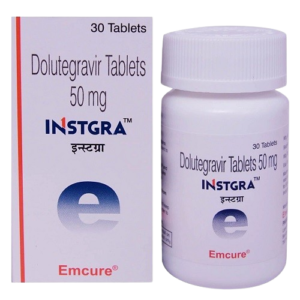
    Instgra Tablets UsesSide effects of Instgra may include mild symptoms such as headache, insomnia, dizziness, diarrhea, nausea, and fatigue. While these side effects are generally temporary and not cause for concern, it’s important to consult a healthcare professional if they persist or become bothersome.

    Additionally, rare side effects like skin reactions or liver damage may occur, necessitating close monitoring during the initial stages of treatment. Overall, most individuals tolerate Instgra well, but any unusual or severe symptoms should be promptly reported to a doctor for further evaluation and guidance.

    Some individuals may experience mild side effects, including:

    • Headache
    • Insomnia (difficulty sleeping)
    • Dizziness
    • Diarrhea
    • Nausea
    • Fatigue
    • Muscle pain
    • Increased liver enzymes

    These side effects are typically transient and do not necessitate medical intervention.

    Safety Precautions and Considerations:

    • Alcohol: Caution is advised when consuming alcohol while on Instgra Tablet.
    • Pregnancy: Instgra is generally considered safe for use during pregnancy, with limited human studies showing minimal adverse effects on the developing fetus. However, pregnant individuals should always consult their healthcare provider before initiating any medication.
    • Breastfeeding: While data on the excretion of Instgra into breast milk is limited, caution is advised during breastfeeding.
    • Driving: Instgra Tablet may cause side effects such as dizziness, which could impair one’s ability to drive or operate machinery. Patients experiencing such effects should refrain from driving until they are certain of their capacity to do so safely.
    • Kidney and Liver Function: Instgra is generally safe for use in patients with kidney disease, with no dosage adjustment recommended. However, individuals with liver disease should exercise caution, as dose adjustments may be necessary.

    Conclusion:

    In conclusion, Instgra Tablet represents a vital component in the management of HIV infection. When used in conjunction with other antiretroviral medications and under the guidance of a healthcare professional, it can effectively suppress the virus, mitigate complications, and enhance the quality of life for individuals living with HIV. Adherence to prescribed dosing regimens, along with regular monitoring, is essential to maximize the benefits of this medication and minimize the risk of adverse effects.
  • Managing HIV Infection with Auroteg 50mg Tablet: What You Need to Know

    Unveiling Auroteg 50mg Tablet: Uses, Dosage, and Safety Precautions

    Auroteg 50mg Tablet, manufactured by Aurobindo Pharma Ltd., contains the active ingredient Dolutegravir (50mg) and belongs to a class of medications known as antiretroviral. It is primarily prescribed for the treatment of HIV (human immunodeficiency virus) infection, which can lead to AIDS (acquired immunodeficiency syndrome).

    By inhibiting the replication of the virus within human cells, Auroteg 50mg Tablet helps to reduce the viral load in the body, thereby improving the immune response and lowering the risk of HIV-related complications.

    This medication is not a cure for HIV or AIDS but is essential in managing the infection. It is typically used in combination with other antiretroviral drugs, as prescribed by a healthcare professional. Auroteg 50mg Tablet is usually taken orally, with or without food, at a fixed time each day to ensure consistent blood levels.

    Common side effects of Auroteg 50mg Tablet may include headache, insomnia, dizziness, diarrhea, nausea, and fatigue. While these side effects are generally mild and temporary, any persistent or severe symptoms should be reported to a doctor.

    Overall, Auroteg 50mg Tablet plays a crucial role in controlling HIV infection, improving the quality of life for individuals living with HIV/AIDS, and reducing the risk of transmission to others when used as part of a comprehensive treatment regimen.

    Usage and Benefits:

    Auroteg 50mg Tablet, when used in combination with other antiretroviral drugs, plays a pivotal role in reducing the viral load in the body. By inhibiting viral replication, it enhances immune function, minimizes the risk of complications associated with HIV, and ultimately improves the patient’s quality of life. It’s crucial to adhere strictly to the prescribed dosage regimen to maximize its efficacy and minimize the likelihood of developing drug resistance.

    Side Effects of Auroteg 50mg Tablet:

    While generally well-tolerated, Auroteg 50mg Tablet may occasionally cause mild side effects such as headache, insomnia, dizziness, diarrhea, nausea, and fatigue. These effects typically subside as the body adjusts to the medication. However, persistent or severe symptoms should be reported to a healthcare professional promptly.

    • Headache
    • Insomnia (difficulty sleeping)
    • Dizziness
    • Diarrhea
    • Nausea
    • Fatigue
    • Muscle pain
    • Increased liver enzymes

    These side effects are generally mild and may diminish as the body adjusts to the medication. However, it’s important to consult a healthcare professional if any of these symptoms persist or worsen over time.

    Safety Precautions:

    • Alcohol: Caution is advised when consuming alcohol while taking Auroteg 50mg Tablet, as it may exacerbate side effects. Consulting a healthcare provider is recommended.
    • Pregnancy and Breastfeeding: While considered safe during pregnancy with minimal adverse effects observed in animal studies, it’s essential to consult a doctor before use. Similarly, caution should be exercised during breastfeeding due to risks to the infant.
    • Driving: Auroteg 50mg Tablet may cause dizziness or other side effects that can impair driving ability. Patients should exercise caution while operating machinery or driving until they are familiar with the medication’s effects.
    • Kidney and Liver Function: Auroteg 50mg Tablet is generally safe for patients with kidney disease, but dose adjustment may be necessary for those with liver impairment. Close monitoring and consultation with a healthcare provider are advised in such cases.

    Conclusion

    In conclusion, Auroteg 50mg Tablet, with its potent antiretroviral properties, is a crucial component in the management of HIV infection. When used as directed and in conjunction with other medications, it aids in controlling the virus, improving immune function, and enhancing the overall well-being of patients living with HIV/AIDS. Close monitoring by healthcare professionals and adherence to safety precautions ensures optimal therapeutic outcomes while minimizing potential risks.

  • Your Health, Our Priority: Understanding Alltera 50mg/200mg Tablet with Gandhi Medicos

    Navigating HIV with Alltera: Insights from Gandhi Medicos

    Alltera 50mg/200mg Tablet, brought to you by Mylan Pharmaceuticals Pvt Ltd, A Viatris Company, stands as a combination of Ritonavir (50mg) and Lopinavir (200mg), collectively aiding in the battle against HIV (human immunodeficiency virus) infection. This dynamic duo of antiretroviral medicines is specifically designed to boost the body’s immune response, managing and treating AIDS (acquired immunodeficiency syndrome).

    It operates by restraining the growth of HIV in the body, effectively lowering the risk of complications associated with the virus and enhancing the overall lifespan of individuals managing HIV. For optimal effectiveness, it is advised to take the tablet with food consistently. Any missed doses should be avoided to ensure uninterrupted progress, as sudden discontinuation may impact the medicine’s potency. While Alltera 50mg/200mg Tablet does not claim to cure HIV or AIDS, it significantly contributes to controlling the infection, improving the immune system, and subsequently enhancing the quality of life for individuals facing these health challenges. Regular consultation with healthcare providers and adherence to prescribed guidelines are crucial for ensuring the success of this antiretroviral treatment.

    Benefits of Alltera 50mg/200mg Tablet

    Alltera 50mg/200mg Tablet, a dynamic combo of Ritonavir (50mg) and Lopinavir (200mg), packs a punch against HIV. The primary benefit? It puts the brakes on HIV growth in the body, reducing the risk of complications and boosting overall health.

    This tablet isn’t just about managing HIV; it’s a game-changer for improving life quality. Enhancing the immune system helps individuals navigate the complexities of HIV more resiliently. Remember, while it’s a powerhouse in HIV management, it doesn’t claim to be a cure for HIV or AIDS.

    In essence, the small tablet brings big benefits, offering a holistic approach to HIV Treatment. It’s a tool for a healthier, more fulfilling life. Regular check-ins with healthcare pros ensure you make the most of Alltera 50mg/200mg Tablet’s might.

    Side Effects of Alltera 50mg/200mg Tablet: Navigating Possible Reactions

    Alltera 50mg/200mg Tablet, although effective in managing HIV, may come with certain side effects. It’s crucial to be aware of these possible reactions to ensure a well-informed and balanced approach to your health. Common side effects include

    • Taste change
    • Headache
    • Nausea
    • Vomiting
    • Diarrhea
    • Stomach pain
    • Increased liver enzymes
    • Increased blood lipid level
    • Peripheral neuropathy (tingling and numbness of feet and hands)

    While most side effects are temporary and may not require medical attention, it’s important to consult your healthcare provider if they persist or cause concern. Staying hydrated can often help cope with these effects, and steering clear of alcohol is advisable, as it may intensify the side effects. Always prioritize open communication with your healthcare professional for personalized guidance and support.

    Safety First with Alltera 50mg/200mg Tablet: Quick Tips

    When it comes to Alltera 50mg/200mg Tablet for HIV management, a few safety pointers can go a long way. If you’re considering this medication:

    • Alcohol Caution: Take it easy on alcohol; consult your doctor about potential interactions.
    • Pregnancy Talk: If you’re expecting or planning, discuss it with your healthcare provider to weigh the pros and cons.
    • Breastfeeding Assurance: While likely safe, get your doctor’s green light if you’re breastfeeding for that extra assurance.
    • Driving Check: Check with your doctor if you experience concentration issues; the impact on driving is uncertain.
    • Kidney Queries: If kidney concerns linger, consult your doctor; adjustments may or may not be needed.
    • Liver Caution: In case of liver issues, play it safe with caution and consult your doctor about potential adjustments.

    These small precautions, coupled with regular doctor discussions, ensure a secure and effective journey with Alltera 50mg/200mg Tablet.

    Closing Thoughts on Alltera 50mg/200mg Tablet:

    In HIV management, Alltera 50mg/200mg Tablet plays a crucial role, harnessing the combined strength of Ritonavir and Lopinavir to address the challenges posed by the virus. Beyond its therapeutic benefits, the tablet aims to enhance the overall quality of life for those navigating HIV. Vigilance regarding potential side effects and adherence to safety precautions are vital for a comprehensive approach to health.

    As you embark on this journey with Alltera, let ongoing communication with healthcare professionals be your guiding light, ensuring a secure and empowered path towards effective HIV management. Always prioritize your well-being, and remember – support is readily available as you stride towards health and resilience.

  • Capegard 500 Tablet: Navigating Comprehensive Cancer Treatment

    Capegard 500: Understand Benefits in Breast, Colon, and Rectal Cancer

    Capegard 500 Tablet, a prescription medication marketed by Cipla Ltd, contains 500mg of Capecitabine, serving as an indispensable ally in cancer treatment. Specifically designed for breast, colon, and rectal cancers, this medication can be used alone or in combination with other therapies, including chemotherapy. 

    Administered with food, Capegard Tablet inhibits cancer cell growth by converting into 5-fluorouracil, disrupting the synthesis of genetic materials. While common side effects such as vomiting and weakness may occur, patients are advised to consult their doctor for any persistent concerns. 

    Safety precautions include caution regarding alcohol consumption, avoiding use during pregnancy and breastfeeding, and exercising caution for individuals with kidney or liver conditions. Capegard 500 Tablet represents a crucial advancement in cancer, demanding adherence to prescribed regimens and ongoing medical supervision for optimal effectiveness.

    Uses of Capegard 500 Tablet

    Breast Cancer Treatment

    • Effective in treating breast cancer, either as a standalone therapy or in combination with other treatment modalities like chemotherapy.
    • Relieves symptoms such as breast lumps, changes in breast texture, and bloody discharge from nipples.

    Colon and Rectal Cancer Treatment

    • Addresses colorectal cancer, including cancer of the colon and rectum.
    • Reduces the risk of further cancerous growths (polyps) in the large intestine.
    • Alleviates symptoms like blood in the stool, changes in bowel movements, weight loss, and fatigue associated with colorectal cancer.

    Side Effects of Capegard 500 Tablet

    Capegard  Tablet, prescribed for the treatment of breast, colon, and rectal cancers, may be accompanied by various side effects. Patients need to be aware of these possible reactions and consult with their healthcare providers if any concerns arise. Here are the notable side effects, which can vary in intensity and occurrence

    Side Effects of Capegard 500 Tablet

    1. Common Reactions

    • Vomiting
    • Weakness
    • Nausea
    • Abdominal pain
    • Diarrhea
    1. Skin-related Side Effects

    • Development of blisters on fingers or feet.
    1. Hematological Effects

    • possible reduction in the number of blood cells, particularly white blood cells.
    • Increased susceptibility to infections.
    1. Gastrointestinal Distress
    • Abdominal pain and discomfort.
    • Diarrhea as a common gastrointestinal side effect.
    1. Temporary Symptoms

    • Most side effects are transient and may resolve as the body adjusts to the medication.

    Patients must be aware of possible side effects, undergo necessary monitoring, and communicate with their healthcare providers to ensure a well-managed and safe treatment course.

    Safety Precautions for Capegard 500 Tablet

    1. Alcohol Consumption

    Caution is advised regarding alcohol consumption during Capegard Tablet treatment. Patients are recommended to consult their doctor regarding the safety of consuming alcohol.

    1. Pregnancy

    •  Capegard 500 Tablet is deemed unsafe for use during pregnancy, as there is definite evidence of risk to the developing baby
    1. Breastfeeding

    • Capegard Tablet is considered unsafe during breastfeeding, as the drug may cause toxicity to the baby. Breastfeeding mothers are advised to explore alternative feeding options during the course of treatment.
    1. Driving and Alertness

    • Capegard Tablet may decrease alertness, affect vision, and induce drowsiness and dizziness. Patients experiencing these symptoms should refrain from driving or operating heavy machinery.
    1. Kidney Conditions

    • Caution is required in patients with kidney disease. Dose adjustment may be necessary, and individuals with severe kidney disease should avoid using Capegard 500 Tablet.
    1. Liver Conditions

    • Use Capegard 500 Tablet with caution in patients with liver disease. Dose adjustment may be needed, and it is not recommended in cases of severe liver disease.
    1. Medication Interactions

      Inform your doctor about all medications, including over-the-counter drugs and supplements, to ensure there are no possible interactions with Capegard Tablet.

    1. Effective Contraception

    Both males and females undergoing treatment with Capegard 500 Tablet should use effective contraception to avoid pregnancy during the course of treatment.

    Patients are strongly advised to follow their healthcare provider’s guidance, communicate any concerns promptly, and undergo regular check-ups to ensure a safe and effective treatment experience with Capegard 500 Tablet.

    Final Words

    In conclusion, Capegard Tablet stands as a vital ally in the fight against breast, colon, and rectal cancers. Its proven efficacy, coupled with flexible treatment approaches, offers hope to patients seeking symptom relief and cancer management. However, adherence to safety precautions, close monitoring of side effects, and regular consultations with healthcare providers are imperative for a well-balanced and effective treatment journey. Through these measures, patients can navigate their course with confidence, working towards a better quality of life and improved health 

  • Understanding Ricovir 300mg Tablet: A Comprehensive Guide

    Navigating Health with Ricovir 300mg Tablet: Unveiling Uses and Benefits

    Ricovir 300mg Tablet is a prescription medicine used to treat chronic hepatitis B virus (HBV) infection and HIV. It’s made by Mylan Pharmaceuticals Pvt Ltd. The active ingredient, Tenofovir disoproxil fumarate, stops the viruses from multiplying in the body, helping to clear the infection. It’s not a cure for HIV/AIDS, but it significantly lowers the virus levels, reducing the risk of complications and improving life quality.

    Common side effects include nausea, vomiting, and rash, which are usually not serious. However, if these persist, it’s essential to consult with your doctor. It’s important to take Ricovir regularly at the prescribed times to ensure its effectiveness and prevent the development of resistance.

    For those who are pregnant, breastfeeding, or have liver or kidney concerns, it’s crucial to consult with a healthcare professional before using Ricovir. Stored below 30°C, Ricovir 300mg Tablet is a valuable medicine in the treatment of chronic viral infections, and adherence to prescribed doses is key to its success.

    Overview of Ricovir 300mg Tablet

    Ricovir 300mg Tablet contains Tenofovir disoproxil fumarate as its active ingredient, effectively preventing the multiplication of viruses in human cells. It is crucial to note that Ricovir is not a cure for HIV/AIDS but plays a vital role in decreasing the amount of HIV in the body, reducing the risk of complications, and improving overall lifespan.

    Ricovir 300mg Tablet serves two primary purposes in healthcare

    Managing Chronic Hepatitis B Virus (HBV) Infection

    Ricovir is effectively utilized in the treatment of chronic HBV infection, a serious liver condition that persists for at least six months. By curbing the virus’s impact, Ricovir significantly reduces the chances of complications associated with HBV, fostering an improved quality of life for those affected.

    Controlling HIV Infection

     When incorporated into a treatment plan alongside other anti-HIV medications, Ricovir plays a pivotal role in preventing the multiplication of the HIV. This not only helps control the infection but also strengthens the immune system. By doing so, Ricovir contributes to minimizing the risk of complications, such as new infections, thereby enhancing the overall quality of life for individuals managing HIV.

    Benefits of Ricovir Tablet

    In the Treatment of Chronic Hepatitis B Virus (HBV) Infection:

    Ricovir helps lower the chances of complications associated with chronic HBV infection, improving the quality of life for individuals affected by this serious liver condition.

    In the Treatment of HIV Infection

    Ricovir, when used as part of a combination therapy, effectively controls HIV infection, reducing the risk of complications and enhancing the overall quality of life. 

    Side Effects of Ricovir Tablet

    While most side effects are not serious and may disappear as the body adjusts to the medicine, it’s essential to consult a doctor if they persist. Common side effects include diarrhea, nausea, rash, weakness, vomiting, fatigue, abdominal pain, increased transaminase level in the blood, decreased phosphate level in the blood, pain, dizziness, depression, insomnia, fever, and itching.

    List of Side Effects:

    1. Common Side Effects:

    • Nausea
    • Vomiting
    • Rash
    • Weakness
    • Fatigue
    • Diarrhea
    1. Less Common Side Effects:

    • Abdominal pain
    • Dizziness
    • Insomnia (difficulty in sleeping)
    • Fever
    • Itching
    1. Blood Parameters and Other Effects:

    • Increased transaminase level in blood
    • Decreased phosphate level in blood
    • Pain
    • Depression

    It’s essential to monitor and report any persistent or concerning side effects to a healthcare professional.

    How to Use Ricovir Tablet:

    Follow your doctor’s advice on dosage and duration. Swallow Ricovir 300mg Tablet whole, without chewing or crushing, with or without food. Taking it at a fixed time increases its effectiveness.

    How Ricovir Tablet Works:

    Ricovir 300mg Tablet is an antiviral medication that prevents virus multiplication in human cells, stopping the production of new viruses and clearing infections. 

    Conclusion:

    Ricovir 300mg Tablet, a valuable medication in the management of chronic HBV and HIV infections, comes with benefits and considerations. It is crucial to adhere to prescribed dosages, undergo regular tests, and follow safety recommendations to ensure its efficacy and minimize potential risks. If you experience persistent side effects or have concerns, consult your healthcare provider for guidance. 

  • Understanding Tafero 25mg Tablet: Empowering Treatment for Hepatitis B and HIV

    Tafero 25mg Tablet: Combatting Hepatitis B and HIV-1 

    Hepatitis B, a formidable liver infection, demands effective solutions. Enter Tafero 25mg Tablet, an antiviral powerhouse tailored to tackle chronic Hepatitis B virus (HBV) and HIV-1 infections. At its core lies Tenofovir alafenamide, a potent active ingredient renowned for its efficacy in combating these challenging conditions.

    Before embarking on a Tafero 25mg Tablet regimen, a comprehensive discussion with your healthcare provider is indispensable. Precautions take precedence, especially if you have a history of kidney diseases, liver ailments, or HIV. Understanding the risks of lactic acidosis and hepatomegaly due to medication is paramount for informed decision-making.

    Crucially, this medication isn’t advisable for individuals weighing less than 35 kg and contains lactose, warranting consultation for sugar intolerance. Expectant or nursing mothers should apprise their doctor of their status. Abruptly halting this medication without medical guidance could exacerbate existing conditions.

    Administering Tafero 25mg Tablet varies across age brackets. Pediatric and elderly patients necessitate tailored dosage adjustments and vigilant monitoring to ensure optimal outcomes.

    Dual Action Against HBV and HIV-1:

    Tafero 25mg Tablet stands as a stalwart in combating both HBV and HIV-1 infections. Its composition and efficacy address the complexities of these persistent viral conditions, making it a pivotal weapon in medical arsenals.

    Benefits of Tafero 25mg Tablet

    Tafero 25mg Tablet finds its niche in treating HBV infections and HIV-1. Its therapeutic impact encompasses a reduction in viral replication, alleviating viral load, fortifying the immune system, and retarding disease progression for those with HIV-1 or HBV.

    Helpful Instructions:

    In medication interactions, transparency reigns supreme. Informing your healthcare provider about all prescribed and over-the-counter drugs, supplements, and herbal products is imperative. Some medications might impede Tafero 25mg Tablet’s efficacy, leading to adverse effects.

    Storage of Tafero 25mg Tablet demands a temperature range of 20°C to 25°C, shielded from moisture and light, emphasizing the importance of retaining its original packaging and securing it away from children and pets.

    Consumption Guidelines

    Adherence to the prescribed dosage, frequency, and duration as directed by your healthcare provider is pivotal. Ingesting the tablets or capsules with or without food alongside water is recommended. Altering the dosage without medical consultation should be avoided.

    Safety Precautions and Considerations

    Specific scenarios demand nuanced considerations. For pregnant individuals, thorough consultation with a healthcare provider is crucial. Breastfeeding mothers should weigh the possible risks as Tafero 25mg Tablet is excreted into breast milk.

    Individuals with a history of lung or liver ailments necessitate meticulous evaluation before commencing this medication. Additionally, limiting alcohol intake is prudent, considering its possible interaction with the medication and its impact on liver function. Caution during activities requiring attentiveness, like driving, is advised due to possible side effects like dizziness or fatigue.

    Understanding Side Effects

    Tafero 25mg Tablet, akin to most medications, may elicit side effects, though their occurrence varies. Ranging from common manifestations like nausea, vomiting, and diarrhea to more severe indications such as excessive lactic acid, severe liver or kidney problems, awareness and vigilance are pivotal.:

    Serious Side Effects:

    • Elevated lactic acid levels in the bloodstream (unusual weakness, muscle discomfort, cold extremities)
    • Severe liver complications (jaundice, tea-colored urine, pale stools, reduced appetite)
    • Severe kidney issues

    Common:

    • Nausea and vomiting
    • Diarrhea
    • Abdominal discomfort and joint pain
    • Skin rash and itchiness
    • Fatigue
    • Headaches and dizziness

    Conclusion

    Contemplating Tafero 25mg Tablet necessitates a thorough understanding of its risks and precautions. Pregnancy, breastfeeding, and pre-existing medical conditions warrant personalized evaluation with healthcare providers. Close monitoring and adherence to stipulated precautions foster a safe and effective treatment journey.

    This article distills the essence of Tafero 25mg Tablet, emphasizing its significance in combating Hepatitis B while underscoring the criticality of precautionary measures and personalized medical consultations.

  • Understanding Cipanec 50mg/300mg/300mg Tablet: A Comprehensive Overview

    Cipanec 50mg/300mg/300mg Tablet

    Cipanec 50mg/300mg/300mg Tablet constitutes a blend of antiretroviral medications primarily used in the management of HIV (human immunodeficiency virus) infection. It plays a pivotal role in bolstering the body’s immunity to combat HIV, thereby effectively controlling or treating AIDS (acquired immunodeficiency syndrome).

    This medication operates by curbing the proliferation of HIV within the body, consequently diminishing the risk of HIV-related complications and enhancing an individual’s lifespan. Administering this medicine, with or without food, is permissible. However, maintaining a consistent schedule for its intake significantly amplifies its efficacy. Skipping doses might impede your recovery progress; hence, adherence to the complete treatment regimen as per your doctor’s instructions is imperative. Abrupt cessation of the treatment could compromise its potency.

    Commonly observed side effects encompass headaches, nasal congestion, diarrhea, nausea, weakness, fatigue, cough, and rash. While these effects are typically transient, notifying your doctor if they persist or intensify is advisable. Cipanec might induce lethargy or weakness, cautioning against activities like driving. Adequate fluid intake can mitigate these side effects; hence, staying hydrated is recommended.

    Before commencing treatment, consulting your doctor, especially if pregnant, breastfeeding, or dealing with any underlying health conditions, is crucial. Regular monitoring via blood tests, assessing blood counts, kidney and liver functions, among other health parameters, might be recommended. If diagnosed with HIV, refraining from breastfeeding and sharing personal items (e.g., razors, toothbrushes) is essential. Consulting your doctor about safe sex practices to prevent HIV transmission during intercourse is imperative.

    Utilization of Cipanec Tablet

    • Indication: HIV infection

    Benefits of Cipanec Tablet

    In addressing HIV infection, Cipanec 50mg/300mg/300mg Tablet impedes the multiplication of HIV, effectively managing the infection and bolstering the immune system. This minimizes the likelihood of complications such as new infections, subsequently enhancing the quality of life. This medication is typically part of a combined antiretroviral therapy and is not intended as a cure for HIV/AIDS. It should not be employed as a preventive measure post accidental exposure to HIV risk. Adherence to prescribed dosages significantly curtails the risk of HIV becoming resistant to antiretroviral medications. Nevertheless, its administration does not preclude HIV transmission to others.

    Side Effects of Cipanec Tablet

    The majority of side effects are self-limiting, adapting as the body adjusts to the medication. Persistent or concerning effects warrant medical consultation.

    Common side effects may include:


    • Headaches
    • Fever
    • Abdominal pain
    • Weakness
    • Diarrhea
    • Nausea
    • Vomiting
    • Joint pain
    • Insomnia
    • Gastrointestinal disturbances
    • Dizziness
    • Abnormal dreams
    • Depression
    • Anxiety
    • Itching
    • Rash
    • Fatigue
    • Decreased phosphate levels in the blood
    • General discomfort
    • Cough
    • Increased transaminase levels in the blood
    • Hair loss
    • Muscle disorders

    Administration of Cipanec Tablet

    Adhere strictly to the prescribed dosage and duration provided by your physician. Swallow the tablet whole; avoid crushing, chewing, or breaking it. While it can be taken with or without food, maintaining a consistent schedule is advisable for optimal results.

    Mechanism of Action of Cipanec Tablet

    Cipanec 50mg/300mg/300mg Tablet is an anti-HIV medication that operates by inhibiting the action of the reverse transcriptase enzyme, responsible for HIV production.

    Safety Precautions and Advisories

    • Alcohol: Caution is recommended when consuming alcohol alongside Cipanec 50mg/300mg/300mg Tablet. Consulting your doctor is advisable.
    • Pregnancy: Usage during pregnancy poses risks to the developing fetus. However, in life-threatening situations, its use might be considered after a thorough risk-benefit assessment by a doctor.
    • Breastfeeding: Information regarding its use during breastfeeding is unavailable. Consulting your doctor is advised.
    • Driving: Effects on driving ability remain uncertain. If experiencing symptoms affecting concentration or reaction time, refrain from driving.
    • Kidney and Liver: Limited information exists regarding its use in patients with kidney or severe liver conditions. Consulting your doctor in such cases is recommended.

    Missed Dose Guidelines

    In the event of a missed dose, take it promptly. However, if nearing the next scheduled dose, skip the missed one and resume the regular dosing schedule. Avoid doubling the dose.

  • Is Acriptega for HIV Patient? Know Its Uses, Benefits and Side Effects

    Understanding Acriptega Tablet: Uses, Safety, and More

    Acriptega Tablet serves as a crucial pharmaceutical tool in the comprehensive management of Human Immunodeficiency Virus (HIV) infection. Comprising a potent amalgamation of active substances, Dolutegravir, Lamivudine, and Tenofovir disoproxil fumarate. It operates by effectively impeding the enzymes imperative for the replication of HIV within the body. This multifaceted medication not only diminishes the levels of HIV but also plays a pivotal role in fortifying the immune system. By elevating the count of CD4 (T) cells, Acriptega significantly reduces the susceptibility to severe infections, consequently mitigating the possible severity and mortality associated with a compromised immune response.

    However, the utilization of Acriptega Tablet demands meticulous attention and adherence to prescribed guidelines. Precise dosage administration, coupled with regular surveillance for possible side effects, stands as a cornerstone for its safe and efficacious utilization. Healthcare providers advocate a proactive approach, emphasizing the importance of prompt communication regarding any observed symptoms or concerns during treatment.

    Furthermore, while this medication exhibits profound efficacy in managing HIV, a vigilant approach to its usage is imperative. Patients are advised to exercise caution and transparency with their healthcare providers, disclosing any pertinent medical history, ongoing medications, or pre-existing conditions, particularly those related to liver or kidney health. Vigilant monitoring of liver and kidney parameters, along with periodic blood counts and bone density assessments, contributes significantly to the proactive management of complications.

    In essence, Acriptega Tablet serves as a pivotal component in the multifaceted treatment regimen for HIV infection. Its efficacy in reducing viral levels and fortifying the immune system underscores its importance in mitigating the adverse effects of HIV. However, adherence to prescribed guidelines, vigilant monitoring, and transparent communication with healthcare providers stand as indispensable pillars for ensuring its safe and efficacious utilization.

    Usage and Therapeutic Effects:

    The primary goal of Acriptega is to reduce HIV levels in the body by impeding its replication. By bolstering the count of CD4 (T) cells, it strengthens the immune system, thereby mitigating the risk of severe infections and related complications arising from a weakened immune response.

    Safety Precautions and Considerations:

    While Acriptega Tablet is a powerful tool against HIV, certain precautions must be observed. It’s imperative not to take this medication if allergic to any of its components. Patients with or prone to pancreatitis should approach its usage cautiously. Regular monitoring of blood counts, bone density, liver, and kidney functions is advisable during treatment.

    Usage Guidelines for Acriptega:

    Administered orally, the dosage and duration are determined by the attending physician based on individual health conditions. It’s crucial to adhere strictly to the prescribed dosage schedule and avoid compensating missed doses. The tablet should not be chewed, dissolved, crushed, or broken.

    Interactions and Storage:

    Inform your healthcare provider about all medications, including supplements and herbal products, to avoid adverse interactions. Proper storage entails keeping the tablets below 30°C, shielded from light and excess moisture, and out of children’s reach.

    Safety Measures and Side Effects:

    While consuming Acriptega Tablet, abstain from alcohol due to possible drowsiness. Driving and operating machinery should be avoided during the treatment period. It’s essential to promptly report any side effects, ranging from common issues like headaches to more severe symptoms like liver toxicity or kidney damage.

    Side Effects Acriptega Tablet From Mylan:

    Serious Side Effects:

    • Rapid breathing
    •  Drowsiness
    •  Nausea, vomiting, and stomach pain
    •  Severe allergic reactions
    •  Confusion, forgetfulness, seizures, and tremor
    •  Liver toxicity (yellow skin, dark urine, light-colored skin)
    •  Kidney damage

    Common Side Effects:

    •  Bloating, flatulence
    •  Headache
    •  Sleeplessness
    •  Skin reactions
    •  Wheezing, swelling, or lightheadedness
    •  Hair loss
    •  Diarrhea
    •  Bone disorders
    •  Weakness
    •  Anemia

    Conclusion:

    Seek medical advice promptly if experiencing hypersensitivity reactions or symptoms of lactic acidosis. Acriptega isn’t typically used solely for preventing HIV but rather for treating and managing the virus. Symptoms of lactic acidosis include weakness, muscle pain, and irregular heartbeat. Managing side effects involves contacting your doctor and possibly using medications to alleviate them.

    Acriptega Tablet is a critical component in combating HIV infection, effectively suppressing the virus’s replication while bolstering the immune system. Proper adherence to dosage, caution regarding interactions, and diligent reporting of side effects are essential for safe and effective use.


  • Why Taffic Tablets and Viropil Tablets are Highly Demanded Medicines for HIV?

    About HIV & The Best Medication for HIV

    Human Immunodeficiency Virus (HIV) is a virus that attacks the immune system, specifically targeting CD4 cells, which are crucial in fighting off infections. It is transmitted through certain body fluids, including blood, semen, vaginal fluids, and breast milk. Unprotected sex, sharing needles, and transmission from mother to child during childbirth or breastfeeding are common modes of transmission. In this article, we will discuss about best medication for HIV.

    HIV progresses in stages. The initial stage, acute HIV infection, may exhibit flu like symptoms. Without treatment, HIV can develop into the more severe stage known as AIDS (Acquired Immunodeficiency Syndrome). AIDS is characterized by a severely weakened immune system, making the body vulnerable to opportunistic infections and certain cancers.

    While there is no cure for HIV, antiretroviral therapy (ART) helps control the virus, allowing those infected to lead long and healthy lives. It’s crucial to get tested regularly, practice safe sex, use clean needles, and access appropriate medical care to prevent transmission and manage the condition effectively. Education, awareness, and destigmatization are vital in combating HIV and supporting those affected.

    Common Symptoms of HIV:

    1. Acute Stage:

    • Fever
    • Fatigue
    • Swollen lymph nodes
    • Sore throat
    • Rash
    • Muscle aches and joint pain

    2. Chronic Stage (without treatment):

    • Persistent fever
    • Night sweats
    • Fatigue
    • Rapid weight loss
    • Diarrhea
    • Prolonged swelling of lymph nodes

    3. Advanced Stage (AIDS):

    • Severe and frequent infections (opportunistic infections)
    • Persistent coughing and shortness of breath
    • Recurring fever, chills, and sweats
    • Rapid weight loss
    • Extreme fatigue
    • Memory loss, neurological disorders

    It’s important to note that symptoms can vary widely among individuals, and some may not experience any symptoms for years despite being infected. Testing is the only way to confirm HIV infection accurately. If you suspect you’ve been exposed to HIV or are experiencing symptoms, it’s crucial to seek medical advice and get tested promptly. Early detection and treatment significantly improve outcomes and quality of life for those living with HIV.

    What is the Best Medication for HIV?

    Traffic Tablet Uses, Benefits, and Side Effects:

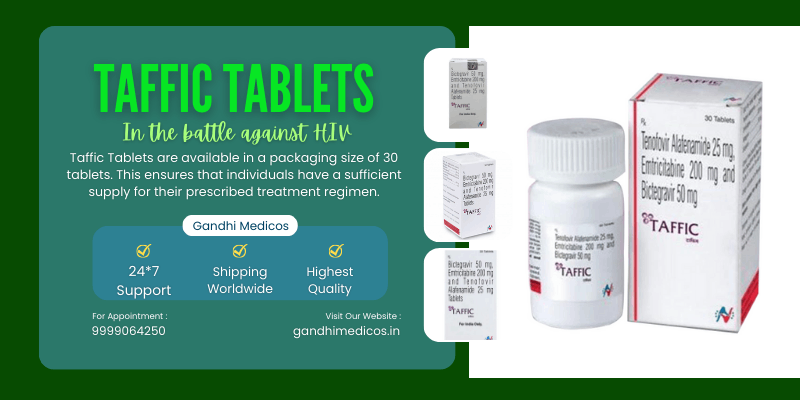
    Taffic Tablet is a combination medication used to manage HIV (human immunodeficiency virus) infection, boosting the immune system against AIDS (acquired immunodeficiency syndrome). Comprising Bictegravir, Emtricitabine, and Tenofovir Alafenamide, it curbs HIV growth, reducing complications and improving an individual’s lifespan. Taking it consistently at the same time daily maximizes its effectiveness. Missing doses may hinder recovery, so completing the full course as directed is crucial.
    Viropil tablet of HIV treatment
    Common side effects include nausea, diarrhea, and headaches, which usually diminish over time. However, persistent or severe symptoms should be reported to a doctor. This medication might induce lethargy or weakness, advising caution while driving. Staying hydrated can help manage side effects.

    Consult a doctor before starting Taffic Tablet, especially if pregnant, breastfeeding, or with any health conditions. Regular blood tests may be recommended to monitor health parameters and drug interactions.

    Taffic Tablet doesn’t cure HIV/AIDS or prevent infection after exposure. It’s essential to follow the prescribed regimen alongside other antiretroviral medications. Adhering to the dosage and schedule significantly enhances its efficacy and minimizes the chance of HIV resistance. Using this medicine doesn’t prevent HIV transmission to others.

    The medicine operates by inhibiting HIV replication through different mechanisms. Bictegravir prevents replication, while Emtricitabine and Tenofovir Alafenamide hinder viral enzyme action and DNA synthesis.

    Warnings include interactions with alcohol, caution during pregnancy due to possible fetal harm, and its likely passage into breast milk, posing risks to the baby during breastfeeding. It may also affect alertness and isn’t advisable for driving. Patients with severe kidney or liver issues should use it cautiously, requiring dosage adjustments.In case of a missed dose, take it promptly unless close to the next scheduled dose.

    Viropil Tablet Uses, Benefits, and Side Effects:

    Viropil Tablet is a blend of antiretroviral medications utilized in treating HIV (human immunodeficiency virus) infection, fortifying the immune system against AIDS (acquired immunodeficiency syndrome). It impedes HIV growth, lessening related complications and extending an individual’s lifespan. This medication can be taken with or without food, but adherence to a consistent schedule enhances its effectiveness. Skipping doses can hamper recovery, so completing the entire treatment course is essential unless advised otherwise by your doctor.

    Common side effects include headaches, nasal congestion, diarrhea, nausea, weakness, fatigue, cough, and rash. While these are usually transient, persistent or severe symptoms should be reported to a doctor. Viropil Tablet might induce lethargy, recommending caution while driving. Maintaining hydration helps manage side effects.

    Consult your doctor before starting treatment, especially if pregnant, breastfeeding, or with any underlying health conditions. Regular blood tests might be suggested to monitor health parameters. If HIV positive, avoiding breastfeeding and sharing personal items like razors or toothbrushes is advised to prevent transmission. Seek guidance on safe sex methods to prevent HIV transmission during intercourse.

    Viropil Tablet curbs HIV multiplication, enhancing the immune system’s functionality. It’s not a cure for HIV/AIDS, nor does it prevent transmission after accidental exposure to risk. Proper adherence to prescribed dosages and timing maximizes its efficacy and reduces the likelihood of HIV developing resistance to antiretroviral medications.

    This medication operates by inhibiting the action of the reverse transcriptase enzyme responsible for HIV production.

    Warnings include interactions with alcohol, caution during pregnancy due to fetal risks, uncertain guidance regarding breastfeeding while using this medicine, and unknown effects on driving ability. Patients with severe kidney or liver conditions should use it cautiously, necessitating dosage adjustments.

    About HIV & The Best Medication for HIV

    Human Immunodeficiency Virus (HIV) is a virus that attacks. Don’t take double doses to compensate for a missed one.

  • Ricovir Tablet Managing Hepatitis B & HIV Infections

    Ricovir Tablet for the Treatment of Chronic hepatitis B virus (HBV) Infection

    Ricovir 300mg Tablet, containing Tenofovir Disoproxil Fumarate at a strength of 300mg, is a crucial antiviral medication used in treating chronic hepatitis B virus (HBV) infection and managing HIV/AIDS.

    Tenofovir Disoproxil Fumarate, the active component in Ricovir, belongs to the class of drugs known as nucleoside reverse transcriptase inhibitors (NRTIs). This medication works by impeding the replication of the viruses within human cells. Specifically, it inhibits the activity of an enzyme crucial for the viruses to multiply, thereby reducing their ability to spread and cause harm.

    The tablet form of Ricovir, manufactured by Mylan Pharmaceuticals Pvt Ltd, offers convenience in administration. Typically, it is taken orally, either with or without food, as directed by the healthcare provider. Following the prescribed dosage schedule is vital to maximize its effectiveness in controlling these infections.

    Ricovir doesn’t eradicate HIV/AIDS but significantly lowers the viral load in the body, assisting in managing the infections. It’s an essential component in combination therapy for HIV/AIDS treatment. Moreover, in chronic HBV infections, it helps in suppressing the virus, preventing complications like liver damage and cancer.However, like any medication, Ricovir may have side effects, including gastrointestinal discomfort like nausea or diarrhea, sleep disturbances, headaches, and in some cases, bone loss with prolonged use. Regular monitoring and adherence to medical advice are crucial while using Ricovir to ensure optimal management of these viral infections.

    Benefits of Ricovir Tablet:

    Certainly! Ricovir tablet offers several benefits in the treatment of certain viral infections. It plays a crucial role in managing chronic hepatitis B virus (HBV) infection by effectively combating the virus that causes this liver infection. By reducing the risk of complications associated with HBV, such as further infections and liver damage, it significantly enhances one’s quality of life.

    Moreover, in the treatment of HIV infection, Ricovir tablet, when used alongside other anti-HIV medications, works to inhibit the multiplication of HIV within the body. By doing so, it helps regulate the infection, bolstering the immune system and lowering the likelihood of complications. This comprehensive approach not only improves the individual’s quality of life but also minimizes the risk of new infections.

    However, it’s important to note that the Ricovir tablet is not a cure for HIV/AIDS and should not be used as a preventive measure following accidental exposure to the virus. Proper adherence to the prescribed dosage as directed by a healthcare professional is crucial for its effectiveness. Ensuring timely and consistent consumption of the medication significantly reduces the risk of HIV infection developing resistance to antiretroviral drugs, thus optimizing its efficacy.

    Remember, while the Ricovir tablet aids in managing the infection and improving quality of life, it doesn’t prevent the transmission of HIV to others.


    Understanding Chronic hepatitis B virus (HBV) Infection

    Chronic hepatitis B virus (HBV) infection is a persistent liver condition caused by the HBV, lasting over six months. This infection can lead to severe liver damage if untreated, escalating the risk of life-threatening complications such as liver failure. It’s characterized by prolonged inflammation, progressing to cirrhosis or liver cancer. Symptoms include fatigue, jaundice, abdominal pain, and in advanced stages, complications affecting the liver’s functionality. Effective management includes antiviral medications, lifestyle changes, and regular monitoring to prevent complications and reduce the risk of long-term liver damage.

    Side Effects of Ricovir Tablet:

    The side effects of the Ricovir tablet are typically transient and often resolve as your body adapts to the medication. However, if they persist or cause concern, it’s advisable to seek guidance from your doctor. Some common side effects include

    • Diarrhea
    • Nausea
    • Rash
    • Weakness
    • Vomiting
    • Fatigue
    • Abdominal pain
    • Elevated transaminase levels in the blood
    • Reduced phosphate levels in the blood
    • Pain
    • Dizziness
    • Depression
    • Insomnia (difficulty sleeping)
    • Fever
    • Itching

    Monitoring these effects and consulting with your healthcare provider can help manage any discomfort or concerns related to the medication.

    Conclusion

    In conclusion, Ricovir 300mg Tablet stands as a crucial aid in battling chronic hepatitis B and managing HIV/AIDS infections. Its active component, Tenofovir Disoproxil Fumarate, works within the body to curb viral replication, reducing the impact of these infections. While not a cure, Ricovir significantly decreases viral levels, enhancing the quality of life for individuals affected. Adhering to prescribed dosage and medical guidance is pivotal for its efficacy. Though accompanied by side effects, the benefits of Ricovir in controlling these infections underscore its importance in comprehensive treatment plans. Regular monitoring and healthcare provider consultations ensure optimized management of these conditions.