Category: HIV

  • Can Treatment Save People from Developing AIDS?

    Can Treatment Save People from Developing AIDS?

    Abacavir 300 Mg – HIV/AIDS

    Human Immunodeficiency Virus belongs to a group of viruses named retroviruses which destroy CD4 cells in our body. CD4 cells play a key role in protecting the body against harmful bacteria, germs, and viruses. HIV and AIDS are two different concepts, and when HIV is left untreated for many days, then it slowly develops into AIDS. This infection can be prevented if people avoid sharing syringes, common needles, and personal items and use barrier methods during their sexual intercourse.

    Still, if you develop this infection, the only life-saving way is to ensure early diagnosis and start an early treatment procedure. With advancements in treatment procedures, medications like Abacavir 300 mg (abamune tablet) and antiretroviral therapy can save people who have developed AIDS.

    AIDS treatment to tackle HIV efficiently

    Until today there is no cure or vaccine for HIV or AIDS; however, treatment is possible for people who have developed chronic HIV or AIDS. The introduction of effective medicines like Abacavir 300 mg helps in treating HIV and has also reduced the death rate caused by AIDS dramatically. HIV is a treatable condition now, and many people who have developed acute HIV have successfully gotten rid of the virus after taking effective medications and therapy. These medications work by preventing the infection from replicating or copying itself.

    Causes

    The main cause of AIDS is HIV infection. A person cannot get infected with AIDS if he or she has not contracted HIV infection. A healthy individual will have 500 to 1500 cubic millimeter cd4 cells; without proper treatment, HIV will destroy the CD4 cells. A person whose CD4 cells fall below 200 will develop AIDS. By taking antiretroviral treatment and Abacavir 300 mg (abamune tablet) as prescribed by doctors, people living with HIV and AIDS can keep their viral load low and strengthen their immune systems.

    Outlook

    AIDS is the advanced stage of HIV infection, which occurs in people who have been exposed to the HIV virus. The outlook of people taking antiretroviral drugs and a proper treatment procedure is positive. A person will be diagnosed with AIDS if he or she has HIV and develops an opportunistic infection or cancer.

    Usually, untreated HIV slowly progresses to AIDS, and there is no permanent cure for AIDS. Without treatment, life expectancy of people after a diagnosis of AIDS is around three years. However, if the person is treated with antiretroviral drugs and medications like Abacavir 300 mg (abamune 300 mg tablet, it can be prevented, and people will live a long life. A person living with AIDS is vulnerable to several illnesses, such as the following

    • Tuberculosis
    • Lymphoma
    • Kaposi sarcoma, cancer
    • oral thrush
    • pneumonia
    • toxoplasmosis
    • cryptococcal meningitis etc.

    Untreated AIDS leads to shortened life expectancy as AIDS weakens the immune system.

    Treatment options for AIDS

    Although AIDS is an incurable disease, you can increase your life expectancy by adhering to strict treatment and taking all the medications as prescribed by your healthcare provider. Doctors recommend a combination of different medications so that the virus cannot replicate and not harm the CD4 cells in the body.

    Besides taking the medications, regular blood testing must be performed to check the CD4 count and viral load. With medications and treatment procedures, you may not get completely cured of the infection, but your CD4 count cells can increase, which will help manage other opportunistic infections.
  • Honoring Our Heritage, Healing Our People: Celebrating National Native HIV/AIDS Awareness Day

    Honoring Our Heritage, Healing Our People: Celebrating National Native HIV/AIDS Awareness Day

    HIV/AIDS Awareness Day

    This day is celebrated on March 20 every year to encourage American Indians, native Hawaiians, and Alaska natives to get HIV tested and educate them about practicing HIV prevention methods. Today organizations and individuals are focusing on HIV/AIDS-associated awareness and fundraising efforts so that they can get an early diagnosis and treatment. HIV treatment has improved a lot, and with new treatment methods and medications like Taffic (Bictegravir 50mg) life expectancy of HIV positive person look optimistic.

    Ways to take action and educate about HIV/AIDS

    As per CDC, one out of eight people does not know about their HIV status, which delays their treatment process. As per researchers, around 37.7 million people are HIV-positive worldwide. Statistics say that around 1.2 million people are HIV-positive in the United States. The following guide will help you know about the ways to take action and educate people about HIV or AIDS.

    Know about HIV transmission risk

    HIV can spread from one person to another by exchanging bodily fluids like

    • Pre-seminal fluid
    • Semen
    • Blood
    • Vaginal fluids
    • Rectal fluid, etc.

    The best way to prevent HIV transmission is to practice safer sexual intercourse and avoid sharing needles, razors and blades. It is important to educate others about practicing safer methods to prevent HIV and other sexually transmitted infections. Always go for a reputable shop that uses sterilized equipment if you are opting for tattooing or piercing.

    Taking prep

    Prevention tools such as prEP, along with HIV medications, help individuals lower the viral load in their blood and make them reach an undetectable level. A person reaching an undetectable viral load does not transmit HIV to others and has fewer symptoms. Lifesaving drugs like Tenofovir Alafenamide 25mg and HIV treatment methods are not known to all. This is why people are participating in National Native HIV Or AIDS Awareness Day to remove the stigma associated with it and take proper action.

    Get Tested

    You can get involved in clinical trials and research studies for HIV or AIDS to help people overcome the fear, confusion, or depression issues associated with HIV or AIDS. Knowing about your current HIV status will help you to get an early diagnosis and get treated at an early stage before your condition worsens and progresses to AIDS

    Volunteer with your local HIV or aid center

    You can volunteer and become an active member of your local HIV or AIDS center to help people fight against this life-threatening disease, educate them about taking the right measures to eliminate this virus, and live a long life. You can find an HIV or AIDS service provider near your location and check out their websites to participate in their volunteering tasks.

    Raise awareness on social media platforms.

    You can spread awareness about HIV stigma by conversing on social media platforms and sharing posts about HIV or AIDS awareness online. Today scientists are making astonishing progress in medical science to know about the underlying cause of AIDS or HIV. You can make others know how to combat HIV by awareness through online campaigns.

    Taking HIV treatment will help to reduce the viral load.

    Taking effective medications like Emtricitabine 200mg after being diagnosed with HIV will help you to clear this virus from your system and reduce the viral load from your bloodstream. This way, your immune system will get a chance to recover from the virus and become strong enough to fight against infections. The main goal of ART is to make the HIV virus untransmittable or undetectable.

  • HIV and AIDS – Myth Vs. Medicine

    Lamipure 150

    The lifelong, sometimes lethal disease, precisely known as acquired immunodeficiency syndrome (AIDS), is mostly brought on by the human immunodeficiency virus (HIV). HIV compromises your body’s capacity to fight disease and infection by weakening your immune system. Since it transfers its information backward into human DNA, HIV is known as a retrovirus.

    The immune system’s CD4 cells, also known as helper T cells, are infected by HIV. This will cause white blood cell numbers to decline drastically due to the destruction of CD4 cells. Hence, even infections that ordinarily wouldn’t cause you to become ill can no longer be driven off by your immune system.

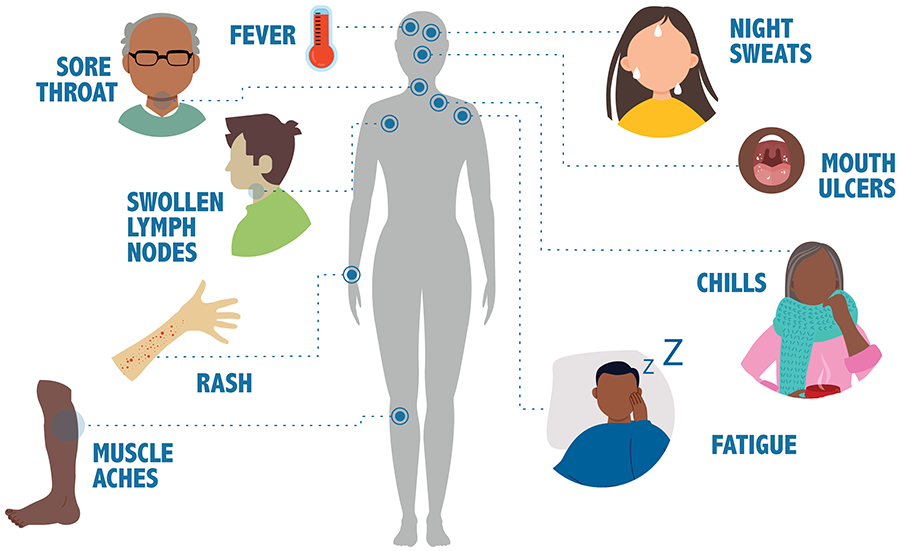
    HIV originally makes you feel ill with symptoms resembling the flu. For example, Chills, Fever, painful throat, muscle pain, and Sweats during the night. After that, it can remain undetected in your body for some time without showing any signs. HIV/AIDS cannot be cured, although drugs can manage the infection and stop the disease’s progression.

    International organizations are attempting to promote the accessibility of prevention strategies and care in resource-poor nations. Antiviral treatments for HIV have decreased deaths due to this disease on a global scale. But during the past couple of years, a lot of false information about this fatal illness has also circulated, causing unnecessarily widespread alarm.

    Myths surrounding AIDS

    The idea that someone with HIV won’t live is among the most pervasive myths surrounding the disease. The fatality rate from AIDS was exceptionally high in the initial periods when the illness was an epidemic. But because of modern medications, people with HIV or even AIDS can lead much longer, healthier, and more productive lives. It’s possible that someone won’t ever contract AIDS if you immediately begin drug treatment and follow the recommended dosage.

    The requirement to take numerous drugs every day is another widespread misconception. People with HIV had to take a large number of medications in the past. However, thanks to advances in medical research, most HIV patients now take one to four medicines each day when they first begin treatment. An individual might be able to seek treatment that contains two or three different medications in one capsule.

    Treatment

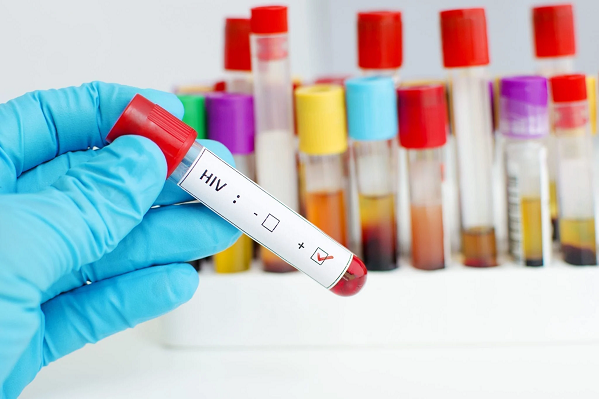
    Antigen, along with antibody tests, simple antibody tests, and tests for nucleic acid, are the 3 kinds of HIV tests available. Antigen analyses check for p24 markers on the HIV surface. Tests for HIV antigen/antibody look for both. These examinations search for HIV antibodies present in human blood or saliva. NAT checks detect HIV in the bloodstream and are comparable to antibody tests. HIV is treated with a daily oral regimen of one pill containing various medications or a combination of medications. This drug regimen is referred to as antiretroviral therapy (ART).

    The best way to prevent HIV from spreading and killing cells is with these medications. Some of the most popular types of ART drugs are protease inhibitors, non-nucleoside reverse transcription inhibitors, and nucleoside reverse transcriptase inhibitors. For such a treatment, a tablet called Lamipure 150 is administered.

    McNeil and Argus Pharmaceuticals Limited produce it. One Lamipure film-coated tablet comprises microcrystalline cellulose, sodium starch glycolate, and magnesium stearate in addition to 300 or 150 mg of Lamipure 150(lamivudine). Lamipure 150 tablets formulation is based on a group of drugs known as nucleoside reverse transcriptase inhibitors (NRTIs). Lamipure 150(Lamivudine) uses include reducing the amount of HIV and hepatitis B in the blood.

    The packaging bottle enables the storage of 30 tablets, making it an inexpensive and convenient option. Lamipure 150 medication should be consumed as advised by the medical professional.

  • Frequently Asked Questions on HIV

    Frequently Asked Questions on HIV

    Frequently Asked Questions on HIV

    What is HIV?

    HIV stands for Human Immunodeficiency Virus. It is a kind of virus that attacks cells of the immune system and weakens our immune system. AIDS (acquired immunodeficiency syndrome) is the name of the disease spread due to HIV. HIV damages our immune system badly and hinders the ability of the body to fight infections and diseases.

    What are the causes of HIV/AIDS?

    Several reasons cause HIV/AIDS:

    • It is spread by sexual contact with an infected person.
    • It can also be spread by illicit injection or a drug shared with an infected person.
    • It can be spread through contact with infected blood.
    • During pregnancy, it can be transmitted from mother to child
    • It can also be spread during breastfeeding or childbirth from the infected mother to the child

    Can I catch HIV from someone coughing or sneezing on me?

    No, HIV is not caused by someone sneezing or coughing on you. Moreover, it is not passed from sweat or saliva either. It is only caused when the infected person’s blood gets in contact. Vaginal fluids, semen, and breast milk are some fluids that contain the highest concentrations of HIV.

    Is HIV/AIDS curable?

    There is no known cure for HIV/AIDS to date. But you can prevent it and even control it with some medications.

    Where to get an HIV/AIDS test?

    You can go to the nearest hospital and tell them about your problem and get tested. Most clinics and hospitals keep this information confidential.

    What are some preventive measures to prevent HIV/AIDS?

    There are several preventive measures that you can take to avoid HIV/AIDS:

    • Avoid intercourse with an unknown person because he might be infected
    • Never share needles
    • Using condoms during intercourse

    Is there any medication for controlling HIV/AIDS?

    Yes, Axentri 150mg or tablets are used to control HIV/AIDS. It is not a cure for HIV, but it helps to treat and control HIV. It prevents HIV from entering the human body and thus controls infection.

    Axentri/Marviroc uses: Marviroc 150mg helps decrease the amount of HIV in your body and improves your lifespan. It is generally prescribed with other HIV-treating medicines. A balanced dose of some medicines can treat HIV/AIDS efficiently and in less time.

    It is from a group of medicines known as CCR5 antagonists.

    How to use Axentri 150mg tablets: These are used as prescribed by your doctor. The doses, as well as the duration, are decided by your doctor. Marviroc 150mg can be taken with or without food, but it is advised to follow as your doctor says.

    How Marviroc 150mg tablets work: Axtentri 150mg is a CCR (chemokine receptor antagonist). The human chemokine receptor (CCR5) is on the CD4 cells’ membrane. The Axentri 150mg binds to the CCR5 and thus helps to prevent HIV’s interaction with CCR5.

    Axentri 150mg price: It costs 10 tablets for Rupees 1746. You can buy it from a nearby medical shop, or you can buy it online too, on various sites like TATA 1mg, Pharmeasy, etc.

    Side effects:

    • Nausea
    • Rashes
    • Weakness
    • Depression
    • Loss of appetite
    • Pain in abdomen
    • Insomnia
    • Increase in liver enzymes
    • Anemia
    • Flatulence

    If these side effects persist, immediately contact your doctor.

    Precautions to be taken while using Axentri 150mg:

    • Axentri 150mg is highly unsafe while breastfeeding
    • Marviroc can cause weakness due to low blood pressure. Avoid driving
    • For kidney patients, Marviroc can be used but with caution
    • Liver patients should not take Axentri 150mg
    • During pregnancy, it can be used, and it is safe.
  • How to Live With HIV Infection?

    How to Live With HIV Infection?

    Estiva 600 mg tablet 

    Human immunodeficiency virus is referred to as HIV. It compromises your immune system by obliterating a specific type of white blood cell that aids infection resistance. Acquired immunodeficiency syndrome is referred to as AIDS. HIV infection doesn’t need to lead to AIDS.

    Treatments of HIV

    Although there is no cure, numerous medications are available to treat HIV infection and associated illnesses and malignancies. As a result, people with HIV can live long, robust lives thanks to the medications.

    Efavirenz

    Combined with other medications, Estiva 600 mg Capsule is an antiviral drug used to cure human immunodeficiency virus (HIV) infection. HIV cannot be cured with Estiva 600 mg tablet. Estiva 600 mg Capsule merely stops the virus from spreading throughout your body. Depending on the clinical situation, kidney and liver function monitoring may be required when taking this medication.

    What is Efavirenz?

    To cure human immunodeficiency virus (HIV), efavirenz (Estiva 600 mg tablet) is taken in combination with other drugs. It functions by lowering the blood’s HIV concentration. Estiva 600 mg tablet (Efavirenz) does not treat HIV, but it may lessen your risk of getting AIDS and other diseases connected to HIV, such as cancer or serious infections. In addition, it is possible to reduce the risk of spreading HIV to others by taking these medications, engaging in safer sexual behaviour, and changing other aspects of one’s lifestyle.

    How should you use this medication?

    Both oral tablets and capsules are available for efavirenz. It is typically taken once daily on an empty stomach with lots of water. Take Estiva 600 mg tablet every day at roughly the same time. Some negative effects of efavirenz may be tolerable if taken before bed. Administer efavirenz (Estiva 600 mg tablet) precisely as prescribed. Never take it in quantities or frequencies that your doctor recommends.

    How to live a happy life with HIV infection?

    You can assist yourself if you get infected by HIV as follows:

    • Receiving medical attention immediately when you learn you have HIV. Find a medical professional with knowledge of treating HIV.
    • Ensuring that you routinely take your medications
    • Maintaining routine dental and medical treatments.
    • Taking care of one’s mental health and receiving assistance from therapists, social service agencies, and other support systems
    • Do your best to educate yourself on HIV/AIDS and its treatments.

    What if my HIV treatment is put off?

    HIV will damage your immune system if therapy is put off. Delaying treatment increases your risk of getting sick, contracting HIV from partners, and having AIDS.

    Types of HIV treatments?

    HIV medication comes in two flavours: tablets and injections.

    • For those who are just starting HIV treatment, pills are advised. Numerous single-pill and combo medications have received FDA approval.
    • Those who have been virally suppressed for at least three months may think about getting injections.

    Estiva

    Benefits of taking HIV Treatment 

    HIV treatment lowers the level of the virus in the blood.

    • Your viral load will remain low if you take your HIV medication as directed.
    • The viral load might drop dramatically with HIV treatment (viral suppression). Less than 200 HIV copies per milliliter of blood are considered viral suppression.
    • The viral load from HIV treatment may be so low that a test might miss it.
    • If a load of your viral decreases after beginning HIV treatment, it is a sign that the medication is having an effect. Maintain your HIV medication regimen as directed.
    • Even occasionally skipping a dose of HIV medication gives the virus a chance to spread quickly. Your immune system can be compromised, and you might get sick.
    • The greatest method to remain healthy and defend others is to achieve and maintain a viral load that cannot be detected (or to maintain viral suppression).
  • Shedding Light on the HIV-AIDS Myths

    Shedding Light on the HIV-AIDS Myths

    Tudobest Tablet for HIV-AIDS: Top 6 Myths and Misconceptions:

    The Centers for Disease Control and Prevention report that approximately 36.7 million individuals worldwide have HIV. Even though there has been a great advancement in treatments of HIV still today, there are a lot of myths and misinformation about HIV or AIDS. Following are the top 6 myths and misconceptions people have about AIDS syndrome or HIV. Tudobest (Tenofovir Disoproxil Fumarate 300 mg) helps to delay the symptoms and lead a healthy life. You can learn about Tudobest (Tenofovir Disoproxil Fumarate) prices from your nearby pharmacy store or online.

    1. HIV is a death sentence.
    The advantage of treatments like Tudobest and antiretroviral therapy is that it allows a person with HIV to lead a normal life and continue taking the medications throughout their lifetime. People today have access to ART or antiretroviral therapy, which helps HIV-infected victims get rid of this virus.

    You can manage HIV effectively in your body by getting an early diagnosis and antiretroviral medication such as Tudobest, Axentri 150 mg, HepBest. It has been shown that after getting antiretroviral treatment such as tenofovir, infected people lead a healthy life.

    2. People infected with HIV or AIDS can’t have children.
    Women infected with HIV should opt for ART treatment without delaying time if they prepare for pregnancy. Treatment methods for HIV have become too advanced so that women can take HIV Tudobest medicine regularly as per their doctor’s recommendation throughout their pregnancy. A woman can continue taking medicines for her newborn child for 4 to 6 weeks after giving birth so that the risk of transmitting HIV to her newborn remains zero. In addition, HIV-negative women planning to conceive with their partner having HIV must take special medication to reduce the risk of virus transmission to their babies.

    3. HIV will always cause AIDS.
    When HIV infection reaches the advanced stage, it will cause AIDS. However, it doesn’t mean that all individuals who are living with HIV will tend to develop AIDS. Syndrome of immune system deficiency is known as AIDS, caused when HIV attacks the immune system and makes it weak and more prone to opportunistic infections. With early treatment and diagnosis of HIV infection, AIDS can be easily prevented. HIV infection will not always lead to AIDS if the person goes for regular therapies and take medicines regularly to maintain a strong and healthy immune system.

    4. HIV is easy to deal with due to modern treatments.
    Medical Science has advanced recently, and so many HIV treatment methods have come up; however, this virus should not be taken for granted as it can lead to serious complications, and the risk of HIV is more for certain groups, which can even lead to a death sentence. The CDC has developed a risk reduction tool that allows a person to know their risk and take advanced steps to protect themselves from serious consequences.

    5. There is no requirement to take safety measures during sexual intercourse if you take PREP.
    Pre-exposure prophylaxis is a medicine that prevents HIV infection from advancing to further stages if it is taken regularly. However, it does not protect people against sexually transmitted infections or diseases. Therefore, PREP must be taken in combination with other safer sexual practices.

    6. There is no need to take safety measures during sexual intercourse if both partners are HIV infected.
    Often the HIV-positive partners consider that they need not use any safe practices during sexual intercourse because both are already HIV infected. However, they must take safety measures as this will help to avoid unwanted pregnancy and even reduce the risk of transmitting the disease to the baby. Tudobest is the best medicine for HIV- AIDS.


  • How Awareness Controls HIV Transmission

    How Awareness Controls HIV Transmission

    Axentri 150mg: Uses and Side Effects

    What is HIV?

    Human Immunodeficiency Virus is the virus variant that affects cells that assist the body in fighting infection, rendering a person more prone to other infections and disorders. It is communicated via contact with particular bodily secretions of an HIV-infected person; the most familiar carrier is unprotected sex or sharing injection equipment.

    If HIV is left untreated, it might progress into Acquired Immunodeficiency Syndrome – AIDS. The body once infected with HIV acquires it for a lifetime, and no effective HIV remedy exists. As a result, if you’ve been diagnosed with HIV, you’ll live with it for the rest of your life.

    In today’s high-technology era, there are a variety of tools available for the prevention of HIV.

    An HIV-infected person must undergo several actions to prevent HIV transmission to healthy ones. These actions are mentioned below :

      1. Have protected sex


    Avoid vaginal or anal sex. Going for oral sex is safer than vaginal or anal sex.

    HIV transmission generally happens via contact with the body fluids (semen in men and vaginal fluid in women). Oral sex does not involve such contact, hence involves no risk of HIV transmission.

    If thinking of going for vaginal or anal sex, don’t forget to use the contraceptive methods used by men or women. Use these methods the right way every single time you use them.

    1. Be cautious while injecting drugs. 

    The best way to avoid HIV transmission is to go for medications rather than injections. Always use clean and sterilized needles while injecting drugs. Avoid sharing syringes, needles, or other equipment used for injecting drugs.

    1. Protect others if you are an HIV-infected person

    Seek proper medical care and start consuming HIV medicines after consulting the doctor.

    Viral load in the blood can be reduced by consuming HIV medicines. The viral load cannot be reduced to zero; however, the same can be reduced to such a low level that HIV might not get detected again.

    1. Prevent HIV transmission during birth

    Early diagnosis of HIV is essential to avoid transmission to the offspring during pregnancy. Not even the pregnant woman even her partner must get themselves tested to avoid transmission.

    After delivery, the transmission can be prevented by avoiding breastfeeding since HIV is present in breast milk. Always take medicines on time and per the prescribed schedule to avoid further transmission.

    1. Post-exposure Prophylaxis – PEP

    This method is generally preferred after knowing the exposure to the HIV-infected person. PEP treatment is advised in an emergency and must begin within a few hours (generally 72 hours ) of exposure to the virus.

    1. Pre-exposure Prophylaxis – PrEP

    As discussed above, PrEP is the preferred treatment to avoid exposure to the virus, such as during drug consumption, sharing needles, and other possible reasons.

    Axentri 150 mg is the prescribed medication for an HIV-infected person. Remember, there is no cure for HIV; however, proper medication would decrease the viral load in the blood, leaving it undetected.

    Axentri 150 mg assists in minimizing the risk of having HIV-related problems and extends your longevity. Axentri 150 mg is advised in conjunction with other HIV drugs. The doctor would tell you about the dosage pattern and the schedule too. Follow the directions strictly to avoid further transmission.

    Consuming all these drugs regularly at the proper times considerably boosts their effectiveness and minimizes the possibility of HIV growing resistant to them. It is vital not to skip doses and maintain consuming them until the doctor is satisfied.

    Consumption of Axentri 150 mg might lead to several side effects such as rashes, weakness, anemia, nausea, stomach pain, and insomnia.

  • What are the Three Stages or Types of HIV Infection?

    What are the Three Stages or Types of HIV Infection?

    HIV Infection

    There are 3 stages of HIV infection. Before discussing the different stages of HIV, let’s discuss what is HIV.

    HIV (HUMAN IMMUNODEFICIENCY VIRUS)

    HIV is a virus that attacks the immune system of the body and attacks the white blood cells of the body. People affected with HIV can live as long by taking antiretroviral treatment. If a person with HIV is left untreated, he could live more than 10 years. Because it takes 10-15 years for HIV to completely damage a person’s immune system.

    Causes for a person getting affected by HIV (HUMAN IMMUNODEFICIENCY VIRUS):

    • Blood
    • Breast milk
    • Rectal fluids
    • Semen
    • Vaginal fluids

    A person affected with HIV should follow the below instructions for the treatment against the virus.

    • Exercising every day.
    • Avoid drinking alcohol.
    • Eating healthy food.
    • Quit smoking.

    Here are a few symptoms of a person affected with HIV:

    • Fever.
    • Fatigue.
    • Loss of appetite.
    • Weakness.
    • Loss of weight.
    • Headache
    • Diarrhea

    Three different stages of HIV:

    • Acute HIV infection.
    • Chronic HIV infection.
    • Acquired immunodeficiency Syndrome (AIDS).

    Acute HIV infection:

    Acute HIV infection is the initial stage of this virus. Acute HIV infection  develops after 2-4 weeks after a person is affected with HIV. It is also called primary HIV . When we are affected with Acute HIV  the virus in the blood keeps on increasing. Usually, when we are affected with HIV the immune system of our body produces antibodies to fight against it. When the antibodies are not enough to fight against HIV you get entered into the initial stage of HIV.

    The symptoms of acute HIV are:

    • Sore throat
    • Aching muscles
    • Swollen lymph nodes

    Chronic HIV infection:

    Chronic HIV infection is the stage of infection between Acute HIV  and AIDS. In this stage, the HIV level keeps on increasing. If chronic HIV is controlled it can prevent your body from entering the third stage which is AIDS. Chronic HIV infection is also called secondary HIV . In chronic HIV , the virus gets entered into the tissues and cells of our body.

    The symptoms of chronic HIV infection are:

    • Chronic diarrhea
    • Recurring fever
    • Weakness

    Acquired immunodeficiency syndrome (AIDS):

    Acquired immunodeficiency syndrome (AIDS) occurs when your CD4 cell count is below 200 cells per µL. If a person affected with HIV doesn’t get the proper treatment it would take around 10 years for that person to develop AIDS in his body.

    The symptoms of acquired immunodeficiency syndrome (AIDS) are:

    • Memory loss
    • Pneumonia
    • Neurological disorders
    • Extreme tiredness

    Here are a few drugs/medicines that would protect your body against HIV infection:

    Dolutegravir

    Dolutegravir is a medicine that protects us from HIV. Dolutegravir stops the infection from further growing and also stops the infection from attacking our immune system. Dolutegravir comes in the form of a tablet.

    How to use Dolutegravir

    Take the tablet twice a day. You can take the Dolutegravir tablet with food or without food. Also, take the tablet according to the doctor’s prescription. The quantity of tablets also depends upon age, the stage of the virus in your body, and other factors.

    Dolutegravir 50mg

    Dolutegravir 50 mg is one of the doses of Dolutegravir.

    The other doses available for Dolutegravir are:

    1. Dolutegravir 10 mg.
    2. Dolutegravir 25 mg.

    Here’s the side effect of Dolutegravir:

    • Skin rash.
    • Vomiting, dark urine, upper stomach pain.
    • Swelling in your neck and throat.

    Naivex Tablet

    Naivex is a tablet that fights against the HIV present in your body. Naivex tablets 50 mg also stops the virus from further spreading into your body. Naivex improves the immune system of your body. We can store Naivex at room temperature.

    Here’s the side effect of Naivex:

      • Sleep problems
      • Fatigue
      • Fat redistribution
      • Headache


  • What are the Different Stages of HIV Infection?

    What are the Different Stages of HIV Infection?

    Human Immunodeficiency Virus

    HIV infection symptoms will vary considerably from person to person and therefore do not appear for months or years in some people.

    If HIV infection is not treated with medicines like dolutegravir 50 mg, it will advance through the phases described below. Viral replication causes greater and more harm to the body’s immune system without antiretroviral treatment for HIV.

    However, you can keep the infection under control and prevent it from spreading further with the proper medication like Dolutegravir. The sooner you begin treatment after testing positive, the better your chances of success. Below are four primary stages of HIV Infection:

    1. Acute HIV Infection Stage

    Early signs of HIV can cause nausea and vomiting. Around 1-4 weeks after you get Human Immunodeficiency Virus, you will feel sick. Many of these symptoms don’t last very long (a week or two). Some individuals face just a few symptoms, while others experience none at all.

    Symptoms can be:

    • There was a fever (a rise in temperature)
    • Sore Throat
    • Lots of pain in your head, stomach, and your joints.

    You have infectious cells associated with HIV all over your body. They occur because your body is fighting with HIV. This is called seroconversion, and it happens when your body makes antibodies to fight the virus, like HIV antibodies. It can take up to only a few months for this process to occur.

    Having these signs by itself does not mean that you have Human Immunodeficiency Virus, but they are signs you might get if you are infected. Consult your healthcare professionals or go to the hospital and take a test to determine if you have HIV or not. You should always see your doctor if you’re worried about it or believe that you’ve been at risk for having HIV, even though you don’t feel sick and don’t have any signs. They can then set up a time for you to get checked out.

    An Human Immunodeficiency Virus (HIV) test does not always make an appearance at this preliminary phase. You might have to test once again later to make absolutely sure that your results are correct. Your doctor or nurse will talk to you about when your test will be and answer any questions you possess. If you’re concerned about HIV, don’t wait to consult with a healthcare professional.

    In the early stages of the infection, your bloodstream has a high concentration of Human Immunodeficiency Virus (HIV), making you more likely to transmit the virus to others. The best way to maintain yourself and your partner safe while having sex is to use contraceptives, specifically when you suspect that you’ve been infected with HIV.

    2. Asymptomatic Stage Of HIV

    The asymptomatic stage of HIV infection has no visible, noticeable symptoms, as the name implies. This stage can continue for several years (in general, 8 to 10 years), and many individuals are unaware that they are infected until they have an Human Immunodeficiency Virus (HIV) test. Even if a person appears to be in good health, HIV continues to damage their immune system and affect other parts.

    3. Symptomatic Stage Of HIV

    An infected person’s immune system becomes significantly damaged by the third stage of Human Immunodeficiency Virus infection. They’re more susceptible to get major illnesses or diseases that perhaps the body might normally be capable of fighting off at this time. Opportunistic infections are the term for these infections.

    Amongst some of the signs and symptoms are:


    • Loss of Weight.
    • Diarrhea for a long time.
    • Sweats at night
    • Fever/Sickness.
    • Coughing for a long time
    • Problems with the mouth and skin
    • Infections occur often.
    • A severe sickness or disease

    4. The Final Stage [AIDS]

    AIDS is the most advanced, most dangerous, and final stage of Human Immunodeficiency Virus (HIV) infection. The body cannot fight against opportunistic infections since HIV has severely impaired your immune system. If a person’s CD4 count is less than 200 cells/mm3 or whether they have specific opportunistic diseases, they will be diagnosed with AIDS.

    Once individuals are diagnosed with AIDS, they will have a higher viral load and are extremely susceptible to transmitting HIV to others. People with AIDS have a three-year survival rate if they do not receive any therapy, treatment, or medication.

    Naivex (Dolotegravir) is a pharmaceutical drug which is used in combination with other drugs to cure HIV infection.


  • Are People with HIV at Higher Risk for Heart failure?

    Are People with HIV at Higher Risk for Heart failure?

    HIV is a human immunodeficiency virus and can lead to Acquired immunodeficiency syndrome (AIDS) that attacks the body’s immune system and weakens the victim to fight against the infections.

    The cardiovascular influence for the patients with HIV prolongs to end-stage situations like heart failure or cardiac arrest. A recent study has found that the patients who are HIV positive are at a higher risk of heart failure as compared to the people who are not victims of this virus. According to this study findings, the maximum number of patients with HIV are prone to develop cardiac failure compared to the community without human immunodeficiency virus. Though HIV-positive patients are getting intensive care and medical attention, if by chance some misleading happens while checking the regular recovery and the risk factor of developing heart failure increases, it would be fatal. The Maraviroc is a medication generally given to HIV patients who have already obtained HIV treatment earlier.

    Maraviroc

    Maraviroc is an antiretroviral medication in the CCR5 receptor antagonist class used to treat human immunodeficiency virus. It is used in combination with other drugs in the therapy of HIV.

    Maraviroc would not prevent or cure AIDS or HIV infection; instead, it will help resist the reproduction of HIV and hence slow down the destruction of immune response. This will certainly assist in delaying the development of situations that generally occur from HIV or AIDS disease. This drug will not safeguard the patient from spreading AIDS to other patients. Though people receiving this medication will not lose much of their body’s immunity, they may persist in having some of the issues related to AIDS. This medicine is only allowed for dispensing if with a proper prescription.

    Mechanism of action of Maraviroc

    Maraviroc acts as an entry inhibitor. The maraviroc is CCT5’s negative allosteric modulator found on the distinct human cells. CCR5 is a chemokine receptor which is an essential co-receptor for maximum strains of HIV and mandatory for the entrance operation of the virus into the host cell. The drug blocks the gp120 HIV protein from correlating with the receptor by binding to CCR5. Thus, the virus cannot enter human host cells.

    Administration and dosage of Maraviroc

    This medication is available in both solution and tablet form. The dose of this medication differs according to the patient’s condition and the strength of the drug, which is prescribed properly by the respective physicians. Do not miss the dose.

    This medicine can be taken with or without food. If a tablet dosage form is consumed, then swallow it as a whole, do not crush, break or chew it and if liquid dosage forms, then the proper oral dose should be taken.

    Side effects of Maraviroc

    Along with the beneficial results, side effects can also be caused by a drug. According to the severity of the side effects, immediate medical attention is needed.

    The most common side effects of Maraviroc are as follows:

    • Hurting or burning of the skin
    • Body pain and aches
    • Headache
    • Loss of voice
    • Chills
    • Dizziness while getting up abruptly from a sitting or lying posture
    • Tenderness or pain around the cheekbones and eyes
    • Sneezing
    • Breathing issues
    • Runny nose and cough stimulating mucus
    • Fatigue and tiredness
    • Improper bowel movement
    • Loss or increase in appetite

    Some of the less common side effects of maraviroc are as follows:

    • Jaw, arm, or back pain
    • Itchy eyes that may feel dry or burning
    • Heaviness and chest pain
    • Dark colored urine or blood in the urine
    • Change in stools
    • Drowsiness
    • Rash and itchiness
    • Loss of taste
    • Anxiety
    • Seizures
    • Irritability
    • Heartburn
    • Weight gain or loss
    • Warts in the genital region

    Some side effects generally do not require medical attention and may go away with the treatment; however, seek proper medical attention if it lasts. And always consume the medicines only with proper prescription by the physician.