Category: HIV

  • HIV vs HBV- Symptoms, Transmission, Working, and Treatment

    HIV vs HBV- Symptoms, Transmission, Working, and Treatment

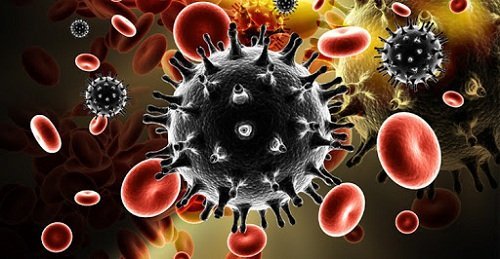
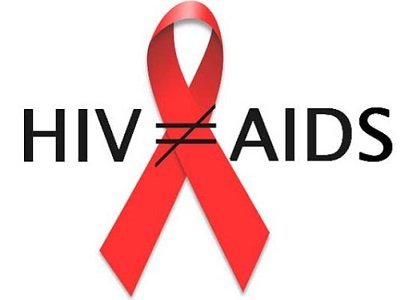
    The Human Immunodeficiency Virus (HIV) is a retrovirus responsible for the progressive degradation of the body’s immune system. It leads to the life-threatening Acquired Immuno-Deficiency Syndrome (AIDs), resulting in ailments like cancers, tuberculosis, and the development of other opportunistic infections.

    On the other hand, Hepatitis B is an infectious disease that results from the Hepatitis B Virus (HBV). If left untreated for an extended period, the ailment progresses. It advances to a complicated stage and develops into chronic Hepatitis B.

    In this article, let us compare and contrast the two diseases.

    Symptoms

    HIV Infection:

    • Prolonged lymph node and gland swelling
    • Sore muscles and joints
    • Extreme fatigue and dizziness
    • Recurring fevers and night sweat
    • Abrupt weight loss
    • Pink blotches inside nose, eyelids, and mouth
    • Rashes on or under the skin
    • Confusion and depression
    • Memory loss and other neurological disorders

    Chronic Hepatitis B:

    • Acute viral hepatitis
    • Jaundice
    • Chronic liver inflammation
    • Fulminant hepatic failure
    • Loss of appetite
    • Vomiting, nausea, and general ill-health
    • Body aches and mild fever
    • Skin rashes
    • Aplastic anemia

    Transmission

    Both Hepatitis B and HIV infections are Sexually Transmitted Diseases (STDs). Although the former is over 50 times more infectious than the latter, their modes of transmission are similar. Some of the are:

    • Unprotected copulation
    • Body fluid transfusions
    • Organ transplants
    • Sharing of personal items like towels, razors, toothbrushes
    • Placental transmission from affected mother to child
    • Re-use of contaminated syringes and needles
    • Breastfeeding by infected mother

    Working of the Virus

    HIV Infection: HIV immediately attacks the Helper T cells, which interact with the other immune cells to fight infections, on entry into the body. It breaks off a vital point of communication between the immune cells, making the body susceptible to numerous diseases. The body is then no longer able to detect and deal with the ailments promptly. It becomes weakened to a great extent, resulting in AIDS.

    Hepatitis B: On entry to the body, HBV makes the functional cells of the liver, the hepatocytes, their host. They replicate in these cells, creating more viral DNA and proteins. It leads to the host’s immune response causing hepatocellular damage and viral clearance. It begets interference in liver functions, resulting in severe liver damage.

    Treatment

    Treatment of both HIV infection and chronic Hepatitis B is possible using Tafero tablets. It blocks the function of the reverse transcriptase enzyme to slow down and reduce HIV replication. Additionally, it controls HBV infection to prevent its multiplication.
  • Advantages of Taking HIV Medications and Therapy Drugs Continuously

    Advantages of Taking HIV Medications and Therapy Drugs Continuously

    HIV, aka human immunodeficiency virus, causes AIDS, which is an autoimmune disease. HIV is a retrovirus. Once a person gets contracted by this virus, there is no permanent cure. HIV cannot be removed from the body, but it can be controlled with proper treatment and therapy. Uncontrolled HIV can lead to AIDS, which can put one’s life at risk as it can be transmitted sexually, through breastfeeding milk, from pregnant mothers to child, through syringes/blood.

    HIV treatment with antiretroviral therapy or ART, HIV growth in the body can be controlled. The spread cannot be stopped, but people can live a better life. Some of the benefits of HIV therapy and medication are:

    • Undetectable viral load: One of the things that HIV medications help with is controlling the viral load in the blood. Antiretroviral therapy helps in viral suppression, which does not allow the virus to multiply rapidly in the body. If the viral load is 200 units per millimeter or less, the doctors know that the medication is working. If the blood test cannot detect the virus in the blood, then that means the medication is working, and the viral load is low.
    • Prevent transmission: When someone has a low viral load, the chance of transmitting the virus to another person becomes less as well. Many researchers have said that having a low viral load prevents the transmission of the virus from one person to another sexually. Also, the viral spread can be lowered up to 1% or less from HIV-positive mothers to their child during pregnancy.
    • Avoid drug resistance: HIV can mutate just like any other if the medications are not taken daily. This leads to drug resistance, which in turn limits options of treating HIV effectively. That is why taking HIV medications daily is highly important. This prevents the virus from mutating and makes the treatment effective.

    Viropil is a drug that is used for HIV therapy and is as effective as an antiretroviral drug. HIV/AIDS cannot be cured completely, but keeping the virus under control will help people lead a better life and effectively minimize the risks. It also helps in lowering the risk of transmitting the virus to any other person.

  • What to know about HIV treatment?

    What to know about HIV treatment?

    HIV or Human Immunodeficiency Virus is one of the most dangerous virus known to mankind. There are very few successful methods to fight HIV, but few treatments can help you cope better with the infection. The whole HIV treatment procedure is known as antiretroviral therapy.

    To be clear, this therapy does not cure HIV but is more of a containment process. It helps keep the effects at a minimum and gives the patient a chance to lead a longer and healthier life. It also prevents them from spreading it to someone else.

    What is HIV?

    HIV is a virus that targets the patient’s immune system. It mainly kills the T-cells in your body, responsible for fighting against different viruses and diseases. When this goes on for a considerable period, it can lead to serious health complications and even cancer.

    There is a common misconception about HIV transmission. It cannot be transmitted through casual contact like touching or drinking the same water or using the same towel. The main mode of HIV transmission is through bodily fluids like breast milk, vaginal and rectal fluids, blood, and semen.

    Cure for HIV

    As mentioned already, there is no cure for HIV as of yet. The reason behind this is that the virus inserts itself into the affected person’s DNA. There is no medicine or treatment to eliminate a virus or disease that has inserted itself into a patient’s DNA. Despite the absence of a specific cure, some treatments can be taken to prolong the patient’s life and prevent the immune system from having a complete breakdown.

    Antiretroviral therapy is the most effective way as of now to keep HIV in check. This therapy is very vital for people because it stops HIV from converting into AIDS. If someone has AIDS, their life expectancy is as little as three years. But with the treatment mentioned above, their life expectancy can be made almost the same as a normal healthy person.

    Also, AIDS destroys the immune system, so the body won’t resist even the smallest infections.

    There are several medications used for antiretroviral therapy, and Viraday is one of the most popular ones. It helps the body to fight against HIV and prevents it from transforming into AIDS.

  • Stages of HIV

    Stages of HIV

    Introduction

    An immune system-weakening virus, HIV, attacks the cells of a person’s immune system. HIV is an abbreviation for Human Immunodeficiency Virus. The virus gradually attacks the CD4 cells of the immune system. CD4 cells are also called white blood cells (WBC). Those WBC play a key role in protecting the body against any disease or pathogens, or infections. CD4 cells, as a part of the immune system, are an indication of the immunity of one’s body.

    HIV attacks a person’s immune system, and the spread of infection can be determined by the strength of the immune system or the count of CD4 cells. There are three stages of infection:

    1. First Stage: The first stage is called acute HIV infection. At this stage, the infected person slowly shows the common symptoms of HIV, for example, headache, fatigue, rashes, sore throat, etc. You cannot be sure of an infection if you are in the first stage. The symptoms at the first stage are generally compared to flu. Regular medication and a healthy diet can help the person fight the virus and avoid further aggravation of the infection.
    2. Second Stage: This period is the asymptomatic stage or chronic stage called clinical latency. At this stage, HIV starts to attack and kill the CD4 cells of the immune system. A simple blood test shows the number of CD4 cells that define the strength of your immune system. You can pass the virus to other people through various mediums at this stage. Without proper treatment, the CD4 cells continuously decrease and weaken the immune system.
    3. Third Stage: This stage is called AIDS. AIDS is an abbreviation of Acquired Immunodeficiency Syndrome. The count of CD4 cells decreases to around 200, which is too small of an immune system to fight pathogens. At this stage, you can find obvious symptoms like fevers that last more than ten days, weight loss with no definite reason, yeast infections in your mouth, throat, vagina, etc. A person can stay alive for about three years, depending on other infections, without taking medication.

    Viropil: Antiretroviral Medicine

    Viropil tablets are a suggested medicine for treating HIV. It is a mixture of antiretroviral medicines that help boost the immune system that fights HIV. Viropil also contains the growth of HIV and reduces the risk of related infections. The tablet has a few side effects like fever, tiredness, rashes, and cough.

  • PEP: How to prevent HIV infection after possible exposure

    PEP: How to prevent HIV infection after possible exposure

    If you get exposed to HIV, then PEP can help control the virus from spreading and reduce the chances of getting HIV. The full form of PEP is Post Exposure Prophylaxis. It is a pill that should be taken as soon as you come in contact with HIV. The window to start taking the pill is within three days or 72 hours of HIV exposure. The faster you start the pill, the better the chances you have of not getting HIV.

    The pills contain antiretroviral medications that help with stopping the spread of HIV throughout the body. The PEP dosage is for at least 28 days, and the pill needs to be taken 1 to 2 times every day.

    What is PEP best for?

    PEP is the best option only during emergencies where other options such as condoms won’t work in preventing HIV. In situations such as having unprotected intercourse or sharing needles with someone who happens to have HIV, PEP needs to be taken within 72 hours to reduce the chances of getting HIV.

    PEP will only able to work if it is taken within the said time frame, so as soon as you get exposed to HIV, without wasting time, start on PEP pills for the next 28 days.

    When to use PEP

    PEP is not a one-time-only pill; it is more like a daily routine for at least four weeks, so make sure not to miss even a single dose because proper medication levels are needed to prevent the virus. It does not guarantee 100 percent protection from it, but it can be effective if taken on time. To be safe, even when consuming the pill, it is important to use protection during sexual intercourse and not share needles with others.

    If you start having rashes get a fever within 72 hours of taking the pill, contact your doctor because these can be signs of having the beginning stages of HIV.

    Side effects

    PEP’s side effects are not too serious or dangerous and can be treated. The symptoms include feeling tired and having stomach aches. If the side effects make you very uncomfortable, reach out to your doctor to find a solution.

    There can be situations where PEP does not work, even after taking it right and finishing the entire medication course. You may get feverish and have rashes, which are the beginning symptoms of HIV. Get yourself tested and start medications such as Tudofovir, which has the right combination of antiretroviral agents for treating HIV infections.

  • PrEP: Pre-exposure prevention of HIV

    PrEP: Pre-exposure prevention of HIV

    It is always better to take preventive measures than to face the issue itself. Such preventive measures are also available for HIV (Human Immunodeficiency Virus). PrEP (Pre-Exposure Prophylaxis) is a pill, if taken regularly, that can help in preventing HIV. It lowers the chances of getting the virus through sexual intercourse by 90 percent.

    Effectiveness

    As stated before, PrEP can help reduce the chances of contracting the virus by 90 percent if the pill is taken regularly. If protection is used during intercourse and daily pills, it increases the chances of staying safe. PrEP can even protect you from HIV from sharing needles.

    But it is important to keep in mind that for the pill to work best, you should diligently take it every day without missing it because if the pills are not taken daily, then the body may not have enough medication to block and fight off the virus. The pill does not protect you from other sexually transmitted diseases, so to be safe, make sure to use protection.

    When is PrEP at its best?

    PrEP is best for people who do not have HIV but have a high risk of contracting it. Get in touch with your doctor to find out when PrEP is the most effective. Sexually active people can take PrEP, and those who use syringes or are under some treatment that involves needles. If someone is at risk of getting HIV and is pregnant or breastfeeding or even trying to get pregnant, they should also start taking PrEP regularly to avoid the baby contracting HIV.

    Make sure to be completely honest about your situation when visiting a doctor regarding your health care. This will only help the doctors provide the right advice. Keep in mind that PrEP is for preventing HIV from happening; it won’t work on people who already have HIV or came in contact with someone with HIV.

    Side effects

    PrEP does not have any side effects that may cause serious problems. It is usually nausea, headaches, and appetite loss, which goes away once the body gets used to the medication. PrEP is a daily pill that is very safe to take, and most of the people who take it do not show any side effects.

    In case you do show some prolonging side effects, it is better to contact your doctor and find out the reason behind it.

    You can get PrEP from health clinics, doctor’s offices, or health departments. Even when you are consuming the pills, you will need to get tested for HIV every three months. If you test positive for HIV, then medications like Tafsure 25 will help in fighting the infection.

  • What is HIV and what causes this Disease?

    What is HIV and what causes this Disease?

    Human Immunodeficiency Virus (HIV) is a virus that attacks the immune system of the body, and if left untreated, it weakens the system. The cell that is attacked is CD4 cells, immune system cells, also known as T-cells.  


    Over time, HIV kills the CD4 cells and weakens the immune system to the extent that it cannot fight any other infection, disease, and condition. With treatment, the infected person can continue with their life. Without proper treatment, an infected person can develop AIDS (Acquired Immunodeficiency Syndrome). HIV can cause-effect and changes in the entire body.


    What causes it?

    It is a transmissible disease, and its first outbreak goes back to the 1920s. Initially, this virus was found in chimpanzees and later moved to the human population when they consumed chimpanzee meat.


    During the first outbreak, the virus started to mutate inside the human body and became HIV. It started in Africa, and then over several decades, the virus spread in many parts of the world. HIV may have entered the human population in the 1920s, but the first time it was discovered in a human blood sample was 1959. 


    Transmission

    The virus does not transfer through water, air, or casual contact. It specifically transfers from one body to another using bodily fluid. The bodily fluid includes breast milk, blood, rectal and vaginal fluids, and semen. HIV can also be transmitted through tissue or organ transplant or blood transfusion. This is why there is thorough HIV testing for every organ, blood, or tissue donor. 

    An infected person, currently under treatment, with an undetectable viral load, may not transmit HIV to others.  


    Conclusion 

    Even though there is no specific treatment that may help eliminate HIV from the body, it attaches itself to the DNA. But, some medications help with managing HIV. Medical treatment requires antiretroviral therapy, and Viropil has the best combination of antiretroviral medicines.

  • Analyzing HIV and what leads to AIDS

    Analyzing HIV and what leads to AIDS

    You may already have a rough idea about what HIV is and how deadly it can be. Let us understand HIV and its consequences in-depth to increase our awareness and have a proper treatment plan ready if someone is affected by the virus. 


    HIV stands for Human Immunodeficiency Virus. This virus is very complex, and it destroys the Cell structure of our body’s components gradually. This wear and tear of cells result in our immune system’s weakening, which makes us very vulnerable to contract different diseases and infections. Thus, it is very necessary to get proper medical treatment for HIV to live a happy and healthy life in the future. There is no vaccine developed to cure HIV, but many medical associations recommend undergoing the Antiretroviral treatment, also called ART. This treatment can benefit a lot of healthy adults if it is started early. I would also recommend the dosage of the Viraday tablet. It has helped many HIV patients strengthen their immune systems and lessen the pain caused by various infections due to HIV. 


    HIV affects the immune system of an individual drastically. So, if this deadly virus is left untreated, it can multiply and lead to AIDS. AIDS stands for Acquired Immunodeficiency Syndrome. AIDS is generally the last stage of HIV. The expected life expectancy of an average AIDS patient is three years. So, make sure that if you show any signs or symptoms of HIV, get tested as soon as possible. 


    SymptomsDepending on the patient’s gender, age, and medical background, he/she can show many different symptoms in the cycle of HIV to AIDS. Some of the most common symptoms shown by patients are as follows: Weight loss, fever, night sweats, weakness and fatigue, swelling of joints and other glands, and infections.


     Prevention: HIV does not transmit via touch or contact. HIV is transmitted through blood and other bodily fluids. Taking proper preventive measures by observing basic hygiene practices is very sensible. For instance, when you go to a health care center, make sure that the syringes and needles used on you are brand new and disinfected. This ensures a safer and better medication. Also, spread awareness about HIV and AIDS among the masses whenever you can. Your small piece of advice can be very helpful for a person in the long run.

  • A Clear and Accurate View of HIV and AIDS

    A Clear and Accurate View of HIV and AIDS

    HIV stands for Human Immunodeficiency Virus, which weakens the immune system of a person. Our body consists of different components, and the most basic structural component is called a Cell. There are different types of cells present in a body, and they carry out different activities. One such cell type is the CD4 cell. The CD4 cells are present on the layer of an immune cell type, T cell. 


    HIV attacks these CD4 cells, which are responsible for sustaining the immunity of a person. HIV kills many CD4 cells over time, which causes a person to get endangered to different health issues. 


    HIV is not transmitted through air or normal contact with an infected person. It is transmitted via blood and bodily fluids. If a person does not positively respond to the medical treatment, he/she might get affected by Acquired Immunodeficiency Syndrome, also called AIDS. Because of AIDS, the immunity system becomes drastically weak and fails to fight against other diseases and infections. This massive downfall of the body’s immunity shortens the life expectancy by a huge margin after testing AIDS positive.


    SymptomsHIV progresses throughout the body for some years or decades. The first stage of symptoms can be felt after one month of contracting an HIV infection. The symptoms can be categorized according to the period of contraction and the medical history of the person. Some of the common symptoms include diarrhea, fatigue, pneumonia, vomiting, etc.


    PreventionMany medical associations and laboratories are developing a vaccine for HIV, but they have not been successful so far. We can still take steps to ensure that we prevent HIV from infecting us. 


    1] Avoid using already injected needles: – As mentioned earlier, HIV can be transferred via blood or other fluids, so it is better to avoid using products that may have already come in contact with such fluids before.


    2] Look for PrEP: – A person who feels that he might have contracted HIV should consider taking PrEP (pre-exposure prophylaxis). It is a dosage of two drugs in pill form and can reduce the risk of contracting HIV.


    Treatment: As there is no vaccine available at present, antiretroviral therapy is used to halt the progress of HIV. However, you can use the Tudofovir dosage to alleviate your symptoms and lessen the pain caused by the virus. 

  • A Study of HIV and AIDS Infections

    A Study of HIV and AIDS Infections

    HIV, which stands for Human Immunodeficiency Virus, is a deadly virus that attacks the cells present in a body and completely shatters the immune system if left untreated. Studies have shown that if HIV is left untreated, it can completely take over the patient’s immune system in 8 to 10 years and make him/her very vulnerable to many other diseases.

    HIV is transmitted via blood or other bodily fluids. It destroys a cell type and makes it redundant. Furthermore, it makes copies of these redundant cell types and hampers the human body’s general functioning. This leads to weakening the immune system, and the person becomes vulnerable to contracting many other diseases and infections. Thus, it is crucial to undergo proper treatment as soon as you start showing any signs or symptoms.

    Medical associations and laboratories all over the world are working on developing a vaccine for eradicating HIV. As there is no vaccination available, patients are recommended to undergo the antiretroviral treatment, also known as ART. I would advise the patients to experience the antiretroviral treatment as soon as possible as ART reduces the levels of HIV in the bloodstream. Low HIV levels ensure that the infected person cannot pass on the virus to other people. Also, starting a proper dosage of the Viropil tablet helps strengthen the immune system and reduce the impact of the infection on the body.

    Signs and SymptomsAs stated earlier, HIV infects the cellular system of a component and damages it over a long period. As per the patient’s age, gender, and medical history, the signs and symptoms may vary. Some of the common signs and symptoms of HIV are abdominal pain, dry cough, weakness, fatigue, fever, diarrhea, vomiting, delirium, different infections, skin rashes, and weight loss.

    AIDS is the last stage of HIV infection, and it stands for Acquired Immunodeficiency Syndrome. AIDS can be fatal if it is left untreated. Due to the advancement in medical science and awareness about the infection, very few people contract AIDS these days as most of the patients start the antiretroviral treatment soon as they detect HIV infection. Proper medication and a positive outlook can help an AIDS or HIV patient make drastic recovery and enjoy long and healthy lives.