Author: Gandhi Medicos

  • Diet Recommendations for Kidney Cancer Patients

    What is Kidney Cancer Diet and Aprazer’s Medicine Cabozer 60mg Tablet:

    Kidney cancer can significantly impact dietary choices, affecting energy levels, immune function, and overall health. While diet alone cannot cure cancer, it plays a crucial role in supporting treatment and improving well-being. In this blog, we will discuss the kidney cancer diet and its medicine. Here are some dietary guidelines for individuals facing kidney cancer:

    Emphasize Nutrient-Rich Foods | Kidney Cancer Diet

    • Opt for Lean Proteins: Choose lean meats such as poultry, fish, eggs, and plant-based sources like legumes and tofu. These options offer vital nutrients without excessive saturated fats.
    • Colorful Array of Fruits and Vegetables: Prioritize a diverse range of fruits and vegetables rich in antioxidants, vitamins, and minerals. Berries, leafy greens, carrots, and bell peppers are excellent choices to ensure a broad spectrum of nutrients.
    • Incorporate Whole Grains: Integrate whole grains like brown rice, quinoa, and whole wheat products into your diet. These grains provide essential fiber and nutrients crucial for overall health.
    • Integrate Healthy Fats: Add in sources of beneficial fats like avocados, nuts, seeds, and olive oil to your diet.
    • Drink Plenty of Water: Ensure you stay sufficiently hydrated by consuming an ample amount of water throughout the day. Proper hydration supports kidney function and promotes overall health.
    • Limit Sugary Drinks: Minimize consumption of sugary beverages like soda and opt for water, herbal teas, or infused water instead.
    • Considerations for Kidney Health
    • Limit Sodium: Excessive sodium intake can strain the kidneys. Reduce consumption of processed foods, canned soups, and salty snacks.
    • Control Phosphorus and Potassium: If advised by a healthcare professional, monitor phosphorus and potassium intake. Foods like bananas, oranges, dairy, and nuts are high in these minerals.

    Kidney Cancer Diet – Eating Challenges During Treatment

    • Nausea and Appetite Changes: Some cancer treatments may cause nausea or changes in appetite. Consuming small, frequent meals and bland foods like crackers or toast might help manage these symptoms.
    • Maintain Adequate Calories: It’s essential to maintain a healthy weight and consume enough calories to support your body during treatment. High-calorie, nutrient-dense foods like nut butters, dried fruits, and smoothies can be beneficial.

    Consultation with a Healthcare Professional:

    Individual nutritional needs can vary based on treatment, stage of cancer, and overall health. It’s crucial to consult a registered dietitian or healthcare professional to create a personalized dietary plan tailored to your specific needs and preferences

    Trending medicines for kidney Cancer Treatment:

    Cabozer 60mg Tablet:

    Cabozer 60mg Tablet, composed of Cabozantinib (40mg), stands as a potent tyrosine kinase inhibitor employed in treating liver, kidney, and thyroid cancers. It operates by impeding the abnormal protein activity fostering the proliferation of cancerous cells.

    Understanding its Usage and Dosage:

    •  Dosage: The optimal outcome is achieved by consuming Cabozer 60mg Tablet at a fixed time daily, preferably on an empty stomach, as prescribed by the doctor.
    • Dosing: The dosage varies based on the specific condition being treated and should be strictly adhered to as per medical guidance. Altering the dosage without consultation may lead to adverse effects.

    Side Effects and Precautions:

    • Common Side Effects: Fatigue, nausea, altered taste, diarrhea, and diminished appetite are frequent, generally manageable side effects.
    • Monitoring: Regular monitoring of blood pressure is advised due to possible hypertension risk associated with this medication.
    • Warning Signs: Symptoms like rash, swelling, or redness in extremities warrant immediate medical attention.
    • Precautions: Those with hypertension, liver or renal ailments, or heart diseases should consult a doctor before using Cabozer 60mg Tablet. Alcohol, tobacco use, pregnancy, or nursing should be avoided during the medication course due to possible risks.

    Indications and Benefits:

    Treatment of Liver, Kidney, and Thyroid Cancers:

    • Liver Cancer: Early-stage liver cancer may be asymptomatic, but later stages manifest through weight loss, abdominal discomfort, and jaundice. Cabozer 60mg Tablet hinders cancer cell proliferation and spread, urging patients to abstain from alcohol and tobacco for improved recovery.
    • Kidney Cancer: Symptoms include blood in urine, unexplained weight loss, and lower back discomfort, all addressed by Cabozer 60mg Tablet’s inhibition of cancer cell growth.
    • Thyroid Cancer: Targeting thyroid cells, this medication interrupts cancer cell oxygen supply, halting disease progression. Patients should discuss possible side effects and benefits with their doctor due to its potent nature.

    Important Tips for Usage:

     Consistent Usage: Taking the tablet daily at the same time is crucial for its effectiveness, whether with or without meals.

    Side Effect Management: Persistent side effects should be reported to the doctor immediately.

    Blood Pressure Monitoring: Regular monitoring is advised, with specific warning signs indicating high blood pressure necessitating prompt medical attention.

    Pregnancy and Nursing: Avoid during pregnancy or breastfeeding, employing reliable contraception during medication and for a month after cessation.

    Conclusion

    While there isn’t a specific “kidney cancer diet,” adopting a well-balanced, nutrient-dense eating pattern can support overall health and well-being during kidney cancer treatment. Prioritizing whole, unprocessed foods, staying hydrated, and addressing specific dietary concerns under the guidance of a healthcare professional can significantly contribute to maintaining strength and vitality throughout the journey of battling kidney cancer.

    Always remember that maintaining a positive attitude towards food and nourishing your body with the right nutrients can assist in managing the challenges that come with kidney cancer treatment.

    Cabozer 60mg Tablet, a vital treatment for liver, kidney, and thyroid cancers, demands strict adherence to prescribed dosages and precautions. Managing its side effects and being vigilant about warning signs ensures safe and effective usage, offering promising outcomes in cancer treatment.
  • Know More About Triple Negative Breast Cancer?

    Understanding Triple Negative Breast Cancer

    Breast cancer stands as one of the most widespread cancer types impacting women globally. Among its variations, Triple Negative Breast Cancer (TNBC) stands out as a particularly aggressive and challenging subtype. This article aims to delve into the intricacies of TNBC, shedding light on its unique characteristics, treatment options, and ongoing research developments.

    What Is Triple Negative Breast Cancer?

    TNBC is a subtype of breast cancer characterized by the absence of three specific receptors commonly found in other breast cancer types: estrogen receptors (ER), progesterone receptors (PR), and human epidermal growth factor receptor 2 (HER2). This absence of these receptors renders TNBC unresponsive to conventional hormonal therapies and targeted treatments designed for other breast cancer types.

    Understanding the Significance of Receptor Absence

    The absence of these receptors in TNBC poses significant challenges in treatment. ER and PR receptors, when present, enable targeted therapies to inhibit their action, effectively slowing cancer growth. Meanwhile, HER2-positive breast cancers can be targeted with drugs that specifically block the HER2 protein.

    Factors of Triple Negative Breast Cancer

    While research continues to explore the exact causes of TNBC, certain risk factors have been identified. These may include BRCA1 gene mutations, younger age at diagnosis, African-American ethnicity, and family history of breast cancer.

    Diagnosis and Staging

    Diagnosing TNBC involves standard procedures such as mammograms, ultrasounds, MRIs, and biopsies. The staging of TNBC determines the extent of the cancer and guides treatment decisions.

    Treatment Approaches

    Surgery

    Surgery remains a primary treatment option for TNBC. Lumpectomy or mastectomy may be recommended depending on the stage and extent of cancer.

    Chemotherapy

    Given the lack of targeted therapies, chemotherapy plays a pivotal role in treating TNBC. It aims to destroy cancer cells through medications that inhibit their growth and spread.

    Immunotherapy

    Recent advancements have explored the potential of immunotherapy in treating TNBC. This approach harnesses the body’s immune system to target and attack cancer cells.

    Ongoing Research and Clinical Trials

    The landscape of TNBC treatment is continuously evolving with ongoing research and clinical trials. Scientists and healthcare professionals are exploring novel therapies and treatment combinations to improve outcomes for TNBC patients.

    Coping Strategies and Support

    Coping with a TNBC diagnosis involves emotional and psychological challenges. Seeking support from support groups, counseling services, and healthcare providers can significantly aid in navigating this journey.

    Medicines for Breast Cancer Treatment

    Kixta 125mg Capsule: 

    Kixta 125mg Capsule is a groundbreaking treatment for a specific type of breast cancer. It’s designed to tackle estrogen receptor-positive, human epidermal growth factor receptor 2-negative breast cancer that has spread.

    This medication teams up with other treatments by targeting pathways crucial for cancer cell growth. It stops cyclin-dependent kinase 4 and 6, which are vital for the progress of cancer cells relying on estrogen. By doing this, it slows down their growth and stops them from spreading further.

    Usually taken orally at 125mg, it’s important to take this medicine with food as directed by your healthcare provider. Following the prescribed schedule is key for it to work effectively.

    Kixta 125mg Capsule marks a significant step forward in treating this specific type of breast cancer. It offers hope for patients, potentially improving their chances of survival and quality of life.

    Like many medications, Kixta 125mg Capsule might cause side effects. These can range from mild to severe and include things like fatigue, hair loss, rash, stomach issues, and decreased blood cell counts. Mouth inflammation is also a possible side effect.

    The primary goal of Kixta 125mg Capsule is to treat estrogen receptor-positive, human epidermal growth factor receptor 2-negative breast cancer that has spread. It often works together with other treatments to manage symptoms and slow down the cancer’s growth.

    Know more: Kixta 125mg Capsule

     Conclusion

    Triple-negative breast Cancer remains a complex and aggressive subtype of breast cancer. Its unique characteristics necessitate specialized treatment approaches, often relying on conventional chemotherapy due to the absence of targeted receptors. Ongoing research and clinical trials offer hope for advancements in TNBC treatment, providing optimism for improved outcomes in the future.


  • How Mycofit S 250 mg Tablet Preventing Organ Rejection after Transplants?

    Introduction of Mycofit S 250mg Tablet:

    Introducing Mycofit S 250 mg Tablet, an essential medication categorized as an immunosuppressant. It’s specifically designed to complement other medications post-organ transplant, ensuring the body doesn’t reject the newly implanted organ. This tablet operates by modulating the body’s immune response, preventing it from attacking the transplanted organ.

    The dosage of Mycofit S 250 mg Tablet varies according to the transplant type. Adherence to your doctor’s instructions is crucial. Consistent intake is vital for optimal benefits, even if you start feeling better. Interrupting the course might heighten the risk of organ rejection. The duration of treatment will be as long as necessary to safeguard against rejection.

    Some common side effects include nausea, vomiting, diarrhea, stomach discomfort, headaches, elevated blood pressure, and fluctuations in white blood cell count. As it suppresses the immune system, susceptibility to infections increases, and there’s a higher risk of certain cancers. It’s important to discuss side effects with your doctor to identify any serious symptoms requiring immediate medical attention.

    Due to the risk of birth defects and miscarriages, this medication isn’t recommended if pregnant, planning pregnancy, or breastfeeding. Prior consultation with a doctor is advised, especially if experiencing signs of infection, unexpected bleeding, or any prior digestive issues. Inform your doctor about all medications you’re taking, as interactions may impact its efficacy. Regular tests are necessary to monitor changes in blood cell count. Any unexplained bruising, bleeding, throat issues, mouth ulcers, or fever should be reported promptly.

    Mycofit S 250 mg Tablet plays a pivotal role in preventing organ rejection following a transplant. By diminishing the immune response, it mitigates the body’s tendency to perceive the new organ as a threat. It’s often combined with other medications to effectively suppress the immune system, aiding in the acceptance of the transplanted organ.

    Always adhere to the prescribed dose and timing recommended by your physician. Swallow the tablet whole, without breaking or crushing it, preferably at a consistent time daily.

    Working as an immunosuppressant, Mycofit S 250 mg Tablet curtails the body’s natural immune response, thus averting rejection of the transplanted organ.

    Uses and Benefits of Mycofit S 250 mg Tablet

    This medication serves a pivotal role in preventing organ rejection after transplants. It’s essential to follow your doctor’s instructions regarding dosage, which varies depending on the type of transplant. The tablet can be taken with or without food, but it’s advised to swallow it whole, without crushing or breaking it. Consistent adherence to the prescribed regimen is crucial, even if feeling well, as discontinuation increases the risk of organ rejection.

    Side Effects of Mycofit S 250 mg Tablet

    Common side effects associated with Mycofit S 250 mg Tablet include nausea, vomiting, diarrhea, abdominal pain, headaches, and fluctuations in blood pressure and white blood cell count. Since it suppresses the immune system, individuals might be more susceptible to infections and have an increased risk of certain cancers. It’s important to discuss side effects with your doctor, especially symptoms that may require immediate medical attention.

    Mycofit-S 250mg Tablet Common Side Effects:

    Gastrointestinal:

    – Nausea

    – Vomiting

    – Diarrhea

    – Abdominal pain

    Neurological:

    – Headache

    Cardiovascular:

    – High blood pressure

    Hematological:

    – Decreased white blood cell count (neutrophils)

    – Anemia (low number of red blood cells)

    Infectious:

    – Bacterial infection

    – Fungal infection

    – Pneumonia

    Metabolic:

    – Increased uric acid level in blood

    – Electrolyte imbalance

    Psychological:

    – Anxiety

    Respiratory:

    – Breathlessness

    Renal:

    – Increased creatinine level in blood

    Dermatological:

    – Acne

    Musculoskeletal:

    – Muscle pain

    Safety Warnings for Specific Conditions

    The medication poses risks during pregnancy, causing birth defects or miscarriages. Hence, it’s advised to avoid Mycofit-S Tablet if pregnant, planning pregnancy, or breastfeeding. Prior consultation with a doctor is recommended if there are signs of infection, unexpected bruising or bleeding, or a history of digestive system problems. Furthermore, informing your doctor about concurrent medications is crucial due to interactions affecting the medication’s efficacy.

    While Mycofit S 250 mg Tablet is generally safe for driving and alcohol consumption, caution is advised for patients with severe kidney disease. Patients with liver disease may not require a dose adjustment, but consulting a doctor is advisable. If a dose is missed, take it as soon as possible; however, if it’s close to the next scheduled dose, avoid doubling up.

    This comprehensive guide elucidates the uses, benefits, side effects, and safety measures associated with Mycofit S 250 mg Tablet, underscoring the importance of adhering to prescribed guidelines and consulting healthcare professionals for personalized guidance and information.


  • Understanding the Connection: Breast Cancer and Letrozole 2.5mg Tablets

    Breast Cancer and Its Medicine Letrozole 2.5mg Tablets Explained

    Breast cancer is a form of cancer that emerges in the cells within the breast tissue. It predominantly impacts women, although men can also experience this ailment, albeit less frequently. This disease initiates when cells in the breast start multiplying without restraint, culminating in a tumor. Typically, the presence of a lump in the breast or alterations in its appearance detected through a physical exam or mammogram can indicate its existence. Letrozole 2.5mg Tablets are a medication used in the treatment of certain types of breast cancer, working to hinder the growth of tumors by suppressing estrogen production in the body.

    There are various types of breast cancer, and they can differ based on the specific cells in the breast that are affected. The most common type begins in the ducts that carry milk to the nipple (ductal carcinoma), while others start in the glands that produce milk (lobular carcinoma). Some breast cancers can be more aggressive and spread to other parts of the body, while others grow slowly and are less likely to spread.

    Several risk factors contribute to the development of breast cancer, including genetics, age, family history, hormonal influences, lifestyle factors like smoking or alcohol consumption, and certain medical conditions. However, having one or more risk factors doesn’t guarantee that someone will develop breast cancer, as many diagnosed cases occur in individuals with no known risk factors.

    Early detection through regular breast exams, mammograms, and screenings significantly increases the chances of successful treatment. Treatment options for breast cancer vary based on the type and stage of cancer but commonly include surgery, chemotherapy, radiation therapy, hormone therapy, targeted therapy, or a combination of these approaches. The goal is to remove the cancerous cells, prevent recurrence, and preserve as much of the breast’s appearance and function as possible.

    Awareness campaigns and education about breast cancer symptoms, risk factors, and preventive measures play a crucial role in promoting early detection and improving outcomes. Research and ongoing advancements in medical science continue to refine treatment methods and offer hope for better outcomes and quality of life for individuals diagnosed with breast cancer.

    Breast Cancer Medicine:

    Letrozole 2.5mg Tablets:

    Letrozole 2.5mg Tablets  are a multifaceted medication that effectively addresses breast cancer in post-menopausal women, either as a standalone treatment or in conjunction with other therapies like surgery or radiation. Its scope extends to curbing the spread of advanced breast cancer to other body parts. Additionally, Letrozole 2.5mg Tablets aids in treating infertility issues, offering flexibility in administration with or without food, although maintaining a consistent schedule is recommended for optimal benefits. The dosage and frequency vary based on individual needs and prescribed duration.

    While its efficacy in battling breast cancer symptoms like lumps, nipple discharge, or breast changes is notable,

    Letrozole 2.5mg Tablets operates by modifying hormone production critical for the growth and spread of breast cancer. This medication’s common side effects include hot flashes, fatigue, increased sweating, elevated cholesterol levels, bone and joint discomfort, dizziness, edema, and flushing. Prior medical conditions like liver or kidney diseases, or osteoporosis, should be disclosed before initiating treatment.

    Common Side Effects of Letrozole 2.5mg Tablets:

    • Flushing (a sensation of warmth in the face, ears, neck, and trunk)
    • Edema (swelling)
    • Joint pain
    • Dizziness
    • Bone pain
    • Hot flashes
    • Increased sweating
    • Hypercholesterolemia (elevated cholesterol levels)
    • Fatigue

    Letrozole 2.5mg Tablets interaction with other medications and its effectiveness alteration underscore the importance of informing your doctor about ongoing prescriptions. Caution is advised for pregnant or breastfeeding individuals due to potential risks. Monitoring via blood tests for vitamin D levels and bone density might be necessary throughout treatment.

  • Why Taffic Tablets and Viropil Tablets are Highly Demanded Medicines for HIV?

    About HIV & The Best Medication for HIV

    Human Immunodeficiency Virus (HIV) is a virus that attacks the immune system, specifically targeting CD4 cells, which are crucial in fighting off infections. It is transmitted through certain body fluids, including blood, semen, vaginal fluids, and breast milk. Unprotected sex, sharing needles, and transmission from mother to child during childbirth or breastfeeding are common modes of transmission. In this article, we will discuss about best medication for HIV.

    HIV progresses in stages. The initial stage, acute HIV infection, may exhibit flu like symptoms. Without treatment, HIV can develop into the more severe stage known as AIDS (Acquired Immunodeficiency Syndrome). AIDS is characterized by a severely weakened immune system, making the body vulnerable to opportunistic infections and certain cancers.

    While there is no cure for HIV, antiretroviral therapy (ART) helps control the virus, allowing those infected to lead long and healthy lives. It’s crucial to get tested regularly, practice safe sex, use clean needles, and access appropriate medical care to prevent transmission and manage the condition effectively. Education, awareness, and destigmatization are vital in combating HIV and supporting those affected.

    Common Symptoms of HIV:

    1. Acute Stage:

    • Fever
    • Fatigue
    • Swollen lymph nodes
    • Sore throat
    • Rash
    • Muscle aches and joint pain

    2. Chronic Stage (without treatment):

    • Persistent fever
    • Night sweats
    • Fatigue
    • Rapid weight loss
    • Diarrhea
    • Prolonged swelling of lymph nodes

    3. Advanced Stage (AIDS):

    • Severe and frequent infections (opportunistic infections)
    • Persistent coughing and shortness of breath
    • Recurring fever, chills, and sweats
    • Rapid weight loss
    • Extreme fatigue
    • Memory loss, neurological disorders

    It’s important to note that symptoms can vary widely among individuals, and some may not experience any symptoms for years despite being infected. Testing is the only way to confirm HIV infection accurately. If you suspect you’ve been exposed to HIV or are experiencing symptoms, it’s crucial to seek medical advice and get tested promptly. Early detection and treatment significantly improve outcomes and quality of life for those living with HIV.

    What is the Best Medication for HIV?

    Traffic Tablet Uses, Benefits, and Side Effects:

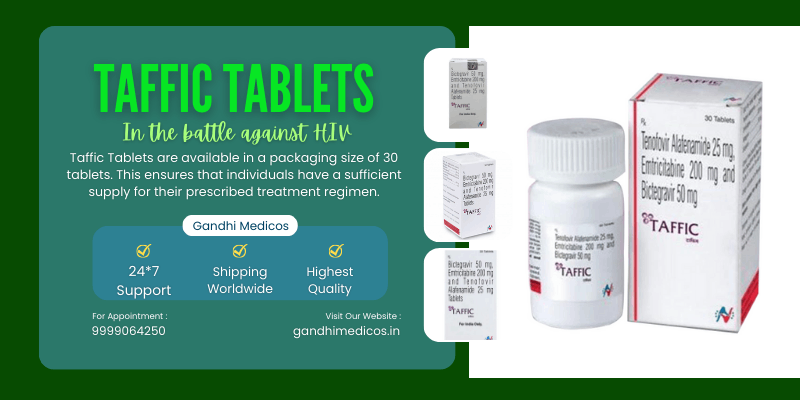
    Taffic Tablet is a combination medication used to manage HIV (human immunodeficiency virus) infection, boosting the immune system against AIDS (acquired immunodeficiency syndrome). Comprising Bictegravir, Emtricitabine, and Tenofovir Alafenamide, it curbs HIV growth, reducing complications and improving an individual’s lifespan. Taking it consistently at the same time daily maximizes its effectiveness. Missing doses may hinder recovery, so completing the full course as directed is crucial.
    Viropil tablet of HIV treatment
    Common side effects include nausea, diarrhea, and headaches, which usually diminish over time. However, persistent or severe symptoms should be reported to a doctor. This medication might induce lethargy or weakness, advising caution while driving. Staying hydrated can help manage side effects.

    Consult a doctor before starting Taffic Tablet, especially if pregnant, breastfeeding, or with any health conditions. Regular blood tests may be recommended to monitor health parameters and drug interactions.

    Taffic Tablet doesn’t cure HIV/AIDS or prevent infection after exposure. It’s essential to follow the prescribed regimen alongside other antiretroviral medications. Adhering to the dosage and schedule significantly enhances its efficacy and minimizes the chance of HIV resistance. Using this medicine doesn’t prevent HIV transmission to others.

    The medicine operates by inhibiting HIV replication through different mechanisms. Bictegravir prevents replication, while Emtricitabine and Tenofovir Alafenamide hinder viral enzyme action and DNA synthesis.

    Warnings include interactions with alcohol, caution during pregnancy due to possible fetal harm, and its likely passage into breast milk, posing risks to the baby during breastfeeding. It may also affect alertness and isn’t advisable for driving. Patients with severe kidney or liver issues should use it cautiously, requiring dosage adjustments.In case of a missed dose, take it promptly unless close to the next scheduled dose.

    Viropil Tablet Uses, Benefits, and Side Effects:

    Viropil Tablet is a blend of antiretroviral medications utilized in treating HIV (human immunodeficiency virus) infection, fortifying the immune system against AIDS (acquired immunodeficiency syndrome). It impedes HIV growth, lessening related complications and extending an individual’s lifespan. This medication can be taken with or without food, but adherence to a consistent schedule enhances its effectiveness. Skipping doses can hamper recovery, so completing the entire treatment course is essential unless advised otherwise by your doctor.

    Common side effects include headaches, nasal congestion, diarrhea, nausea, weakness, fatigue, cough, and rash. While these are usually transient, persistent or severe symptoms should be reported to a doctor. Viropil Tablet might induce lethargy, recommending caution while driving. Maintaining hydration helps manage side effects.

    Consult your doctor before starting treatment, especially if pregnant, breastfeeding, or with any underlying health conditions. Regular blood tests might be suggested to monitor health parameters. If HIV positive, avoiding breastfeeding and sharing personal items like razors or toothbrushes is advised to prevent transmission. Seek guidance on safe sex methods to prevent HIV transmission during intercourse.

    Viropil Tablet curbs HIV multiplication, enhancing the immune system’s functionality. It’s not a cure for HIV/AIDS, nor does it prevent transmission after accidental exposure to risk. Proper adherence to prescribed dosages and timing maximizes its efficacy and reduces the likelihood of HIV developing resistance to antiretroviral medications.

    This medication operates by inhibiting the action of the reverse transcriptase enzyme responsible for HIV production.

    Warnings include interactions with alcohol, caution during pregnancy due to fetal risks, uncertain guidance regarding breastfeeding while using this medicine, and unknown effects on driving ability. Patients with severe kidney or liver conditions should use it cautiously, necessitating dosage adjustments.

    About HIV & The Best Medication for HIV

    Human Immunodeficiency Virus (HIV) is a virus that attacks. Don’t take double doses to compensate for a missed one.

  • Cabozantinib Tablets: Kidney Cancer Treatment

    How Cabozantinib Tablets are Helpful for Kidney Cancer Treatment?

    Cabozantinib Tablets have emerged as a promising treatment option for kidney cancer. In cases where kidney cells grow uncontrollably, forming tumors, Cabozantinib Tablet has shown efficacy in combating this disease. As the kidneys play a pivotal role in filtering waste from the blood to produce urine, the onset of cancer in this organ disrupts this essential function. Cabozantinib’s targeted approach addresses these disruptions, offering hope in managing and halting the progression of kidney cancer.

    There are different types of kidney cancer, with renal cell carcinoma being the most common. Symptoms may not show in the early stages, but as the cancer progresses, signs like blood in the urine, back pain, weight loss, and fatigue may appear. Treatment options often include surgery, targeted therapy, immunotherapy, or radiation, depending on the stage and type of cancer. Early detection and treatment are key to improving outcomes for individuals with kidney cancer.

    In this article, we’ll explore three trending medications for kidney cancer. These medications play a crucial role in addressing the complexities of kidney cancer treatment. They aim to target specific pathways or mechanisms involved in the growth and spread of cancer cells, contributing significantly to improving treatment outcomes for individuals diagnosed with kidney cancer.

    Symptoms of Kidney Cancer

    • Blood in the urine (hematuria)
    • Back pain that persists
    • Unexplained weight loss
    • Persistent fatigue
    • Intermittent fever
    • Loss of appetite
    • Anemia (low red blood cell count)
    • Swelling in the legs or ankles

    5 Highly Demanded Medicines for Kidney Cancer Treatment:

    Cabozer 60mg Tablet:

    Cabozer 60mg Tablet (Cabozantinib Tablet), containing Cabozantinib, belongs to the class of medications called tyrosine kinase inhibitors, commonly used in the treatment of liver, kidney, and thyroid cancers.

    For optimal results, it’s recommended to take Cabozantinib Tablet consistently at the same time each day on an empty stomach, as prescribed by your doctor. Dosage and frequency will be determined by your doctor based on your specific condition, and it’s important to strictly adhere to their instructions. Incorrect dosage or overuse can lead to harmful side effects. Patience is crucial as it might take weeks or months before experiencing the benefits, so it’s essential not to discontinue the medication unless advised by your doctor.

    Common side effects of Cabozantinib Tablet include fatigue, nausea, changes in appetite, altered taste perception, and diarrhea. Due to the risk of hypertension, your doctor might recommend regular blood pressure monitoring while using this medication.

    Individuals with hypertension, liver or kidney disease, or heart conditions should consult their doctor before using Cabozer 60mg Tablet. It’s crucial to inform your healthcare provider about all medications you’re taking, as this medication may interact with various drugs. Pregnancy and breastfeeding should be avoided while using this medication, and both men and women should use reliable contraception methods to prevent conception.

    Cabozer 40mg Tablet:

    Cabozer 40mg Tablet (Cabozantinib Tablet), containing Cabozantinib, falls under the category of tyrosine kinase inhibitors, commonly prescribed for liver, kidney, and thyroid cancers.

    For optimal results, it’s advised to take Cabozantinib Tablet consistently on an empty stomach at the same time daily. Your doctor will determine the appropriate dosage and frequency based on your condition, so it’s crucial to follow their instructions carefully. Incorrect usage or exceeding the recommended dose could lead to harmful side effects. It might take several weeks or months before experiencing the benefits, so it’s essential not to discontinue the medication unless advised by your doctor.

    Common adverse effects of Cabozantinib Tablet include fatigue, nausea, changes in appetite, altered taste perception, and diarrhea. Due to the risk of hypertension, your doctor may recommend regular blood pressure monitoring while on this medication. Watch out for warning signs like rash, soreness, swelling, or redness in the hands and feet, and seek medical attention if these symptoms persist.

    Individuals with hypertension, liver or kidney disease, or heart conditions should consult their doctor before using Cabozantinib Tablet. It’s crucial to inform your healthcare provider about all medications you’re taking, as there might be interactions with this drug. Pregnancy and breastfeeding should be avoided while using this medication, and both men and women should use reliable contraception methods to prevent conception.

  • Lung Cancer Awareness Month 2023: It’s Important and Medication

    Lung Cancer Awareness Month 2023

    November marks Lung Cancer Awareness Month, dedicated to raising awareness about the prevalence, prevention, and treatment of this disease. Lung cancer remains one of the most common and deadliest cancers globally, affecting individuals regardless of age, gender, or lifestyle.

    The campaign highlights the value of early diagnosis through screenings and exhorts people to have regular checkups, especially those who are at a higher risk because they smoke or are exposed to certain environmental conditions. Teaching people the warning signs and symptoms of lung cancer is essential for saving lives and encouraging a preventative approach to health.

    This month’s advocacy campaigns seek to dispel misconceptions about lung cancer, lessen stigma, and draw attention to developments in the field’s understanding of the disease and its treatments. Additionally, patient and family support networks are expanded, offering vital practical and emotional support.

    Lung Cancer Awareness Month aims to spark a global movement toward improved prevention strategies, increased funding for research, and eventually a world where lung cancer is no longer a leading cause of mortality through conversations, sharing stories of survival, and encouraging healthy lifestyle choices.

    Lung Cancer: What Is It?

    Unchecked cell proliferation in the lung tissues is a defining feature of lung cancer, a serious health threat. Although it’s frequently associated with smoking, it can also happen to non-smokers as a result of pollution exposure or a genetic susceptibility. Breathing difficulties, chest pain, and a chronic cough are some of the symptoms that may go undiagnosed until the illness worsens.

    The campaign urges people to get regular checkups and emphasizes the importance of early diagnosis through screenings, especially for those who are at a higher risk due to smoking or exposure to specific environmental factors. It is crucial to educate people about the symptoms and warning signs of lung cancer to save lives and promote preventative healthcare.

    The advocacy initiatives this month aim to reduce stigma, debunk myths around lung cancer, and highlight advancements in medical knowledge about the illness and its treatments. Furthermore, networks of support for patients and their families are extended, providing essential emotional and practical assistance.

    Through discussions, the sharing of survivor stories, and the promotion of healthy lifestyle choices, Lung Cancer Awareness Month seeks to ignite a global movement toward better prevention strategies, increased funding for research, and ultimately a world where lung cancer is no longer a leading cause of mortality.


    Lung Cancer Medicines:

    Carboplatin 450mg Injection: Carboplatin 450mg is a medication manufactured by Pfizer Ltd, containing a dose of 450mg of Carboplatin. It comes in the form of an injection, packaged as 45 ml in 1 vial, and requires a prescription for use. Carboplatin, the active ingredient, belongs to the class of chemotherapy drugs and is utilized in the treatment of various cancers, including ovarian, lung, and other types of cancer.

    This medication is administered intravenously and is stored below 30°C. It’s a critical component in cancer care, often employed alongside other treatments or in specific chemotherapy regimens. As with any potent medication, its usage and dosage should be strictly under medical supervision, considering individual health conditions and possible side effects. Carbokast 150mg Injection:  Carbokast, manufactured by Aprazer Healthcare Pvt Ltd, contains 150mg of Carboplatin as its active ingredient. Packaged in 45 ml vials, this injection requires a prescription for use and is stored below 30°C. Carboplatin, a chemotherapy medication, is widely employed in the treatment of various cancers, including ovarian and lung cancer.

    Administered intravenously, Carbokast plays a crucial role in cancer therapy, often utilized either as a standalone treatment or in combination with other medications as part of specific chemotherapy regimens. Given its potency and possible side effects, usage and dosage should be carefully monitored by healthcare professionals, tailored to individual patient needs and health conditions. Its availability under different brand names offers patients options while ensuring access to this important component of cancer care.

  • Understanding Kixta 125mg Capsule: Breast Cancer Treatment

    Kixta 125mg Capsule: Breast Cancer Treatment

    Kixta 125mg Capsule, containing Palbociclib as its active salt. This medicine is a groundbreaking medication designed to combat specific types of breast cancer. Developed by Zydus Healthcare Limited, this capsule serves as a vital element in the treatment of estrogen receptor-positive, human epidermal growth factor receptor 2-negative breast cancer that has spread to other parts of the body.

    Operating in conjunction with hormonal anticancer therapies, Kixta 125mg works by targeting key pathways involved in cancer cell proliferation. By inhibiting cyclin-dependent kinase 4 and 6, it halts the growth and multiplication of cancerous cells, particularly those reliant on estrogen for their progression. This mechanism of action effectively hampers the cancer cell cycle, thereby impeding its spread and curbing the disease’s progression.

    The dosage, generally 125mg, is administered orally and must be taken with food at consistent intervals as directed by a healthcare professional. Adhering to prescribed doses is crucial for optimal effectiveness.

    Kixta 125mg Capsule is a big step forward in treating breast cancer. It brings hope and better results for patients dealing with this tough illness. By stopping cancer cells from growing, it’s a key player in fighting this specific type of breast cancer. This medicine has the potential to improve survival rates and make life better for those affected.

    Side Effects of Kixta 125mg Capsule:

    Kixta 125mg Capsule may lead to various side effects that individuals should be aware of while undergoing treatment. These side effects can range from mild to severe and may include fatigue, hair loss, rash, vomiting, diarrhea, and nausea. Moreover, individuals may also experience decreased appetite, weakness, fever, and infections. Additionally, there could be a decrease in blood cell counts, both red cells and white cells, which might lead to anemia and a weakened immune system. Stomatitis, characterized by mouth inflammation, is also among the possible side effects of this medication.

    Possible Side Effects include:

    • Fever
    • Weakness
    • Anemia (low number of red blood cells)
    • Stomatitis (Inflammation of the mouth)
    • Infection
    • Decreased appetite
    • Nausea
    • Diarrhea
    • Vomiting
    • Rash
    • Hair loss
    • Fatigue
    • Decreased white blood cell count
    • Decreased blood cells (red cells, white cells, and platelets)

    Uses of Kixta 125mg Capsule:

    The primary use of Kixta 125mg Capsule is in treating a specific type of breast cancer known as estrogen receptor-positive, human epidermal growth factor receptor 2-negative breast cancer. It’s prescribed for patients whose breast cancer has spread to other parts of the body. Kixta 125mg Capsule is often given alongside hormonal anticancer therapies to effectively combat the growth and spread of cancer cells. This medication helps in relieving symptoms associated with breast cancer, such as breast lumps, changes in breast texture or shape, and bloody discharge from the nipples. It works by inhibiting certain pathways that contribute to the proliferation of cancer cells, ultimately slowing down their growth and preventing further spread within the body.

    What is Breast Cancer?

    Breast cancer, a prevalent form of cancer among women, develops when cells in the breast begin to grow abnormally, forming a malignant tumor. It can also occur in men but is less common. Estrogen receptor-positive breast cancer relies on estrogen to grow, while human epidermal growth factor receptor 2-negative breast cancer lacks a specific protein. Symptoms include breast lumps, changes in breast size or shape, nipple discharge, or skin changes.

    Early detection through self-exams, mammograms, and screenings is critical for successful treatment. The approach varies depending on the cancer’s stage, type, and individual health factors. Advancements in research have led to targeted therapies like Palbociclib (found in Kixta 125mg Capsule), offering more tailored and effective treatment options. Awareness, early detection, and innovative treatments play pivotal roles in improving survival rates and patient outcomes in breast cancer cases.

    Safety Advice for Kixta 125mg Capsule:

    Safety precautions for Kixta 125mg Capsule are crucial for optimal usage. Avoid alcohol consumption while taking this medication, as its interaction with alcohol is not well understood. If pregnant or breastfeeding, consult a doctor before using, as it may pose risks to the developing baby. Driving should be approached cautiously, especially if experiencing fatigue, a common side effect. Individuals with liver issues should use Kixta 125mg Capsule with caution and may require dosage adjustments, while those with kidney problems can generally use it safely without dose adjustments.
    If any concerning symptoms arise or persist, promptly discuss them with your doctor for appropriate guidance and management. Following prescribed doses and adhering to safety guidelines ensures the effective and safe utilization of this medication in breast cancer treatment.

    Conclusion

    In conclusion, Kixta 125mg Capsule stands as a significant breakthrough in the treatment of estrogen receptor-positive, human epidermal growth factor receptor 2-negative breast cancer. Its targeted approach in halting cancer cell growth offers hope for improved outcomes and enhanced quality of life for those battling this challenging disease. By addressing the specific pathways involved in cancer progression, this medication marks a pivotal advancement in combating this form of breast cancer. However, adherence to safety precautions and regular communication with healthcare providers remain essential for its safe and effective use. With its potential to positively impact survival rates and alleviate symptoms, Kixta 125mg Capsule signifies a promising stride forward in the fight against breast cancer, offering renewed hope and better prospects for patients navigating this complex journey.

  • Understanding Enzyl 80 Capsule: A Breakthrough in Prostate Cancer Treatment

    Comprehensive Guide to Enzyl 80 Capsule: Prostate Cancer Medication Demystified

    Enzyl 80 Capsule, composed of Enzalutamide, is a medication primarily prescribed for the treatment of prostate gland cancer. Manufactured by Sun Pharmaceutical Industries Ltd, each capsule contains 80mg of Enzalutamide and is available in packs of 4×14 Capsules. It functions by inhibiting the effects of male hormones, particularly testosterone, effectively arresting the growth of cancer cells within the prostate gland. This oral medication is to be taken with or without food, but strict adherence to the prescribed dosage and schedule is crucial to avoid severe side effects. Common side effects may include headaches, hot flashes, weakness, high blood pressure, and fatigue. Additionally, regular blood tests are recommended during treatment to monitor blood cells and liver function.

    Enzyl 80 Capsule also renders the skin sensitive to sunlight, necessitating precautions when outdoors. It’s vital to inform your doctor of any medical conditions such as diabetes, seizures, or liver/kidney problems before use, as interactions with other medications may occur. Notably, it’s contraindicated during pregnancy and breastfeeding, underscoring the importance of using effective contraception during treatment to mitigate potential risks to the baby.

    Side Effects of Enzyl 80 Capsule:

    While Enzyl 80 Capsule is effective in treating prostate cancer, it may lead to several side effects. These include common occurrences like headaches, hot flashes, weakness, high blood pressure, and fatigue. Additionally, it might cause yellowing of the skin, loss of appetite, shortness of breath, abdominal pain, dark urine, and skin rashes. Patients should remain vigilant for these effects and promptly consult their doctor if any persist or worsen.

    Uses of Enzyl 80 Capsule:

    The uses of Enzyl 80 Capsule extend primarily to treating prostate gland cancer. It achieves this by reducing testosterone levels, thereby hindering the growth and progression of cancerous cells in the prostate.

    What is Prostate Cancer?

    Do you know what prostate cancer is? Prostate cancer is a prevalent form of cancer in men, often developing slowly and initially showing no symptoms. This cancer originates in the prostate gland, a small organ beneath the bladder, responsible for producing seminal fluid. Symptoms, when present, might include difficulty in urination, blood in semen, erectile dysfunction, and discomfort in the pelvic region. However, these signs may also indicate other prostate conditions. Screening through PSA (prostate-specific antigen) tests aids in early detection.

    Treatment options for prostate cancer vary based on the cancer’s stage and aggressiveness. They include active surveillance, surgery, radiation therapy, hormone therapy, chemotherapy, and immunotherapy. The approach might involve a single treatment or a combination, determined by the cancer’s extent and the patient’s overall health. Prostate cancer treatments aim to manage the disease, alleviate symptoms, and, ideally, eradicate cancer cells to prevent further spread. Regular screenings and early detection significantly improve prognosis and treatment outcomes.

    Safety Advice for Enzyl 80 Capsule

    Enzyl 80 Capsule comes with crucial safety cautions. It’s advised to avoid alcohol consumption while using this medication. For pregnant and breastfeeding individuals, it’s deemed unsafe without consulting a doctor due to possible risks to the baby. Additionally, Enzyl 80 Capsule might impact driving abilities and should be used cautiously by individuals with severe kidney or liver conditions, requiring potential dosage adjustments.

    Conclusion

    In conclusion, Enzyl 80 Capsule stands as a vital medication in combating prostate gland cancer by impeding cancer cell growth through testosterone reduction. However, cautious adherence to prescribed dosages, regular medical monitoring, and awareness of potential side effects are crucial during its usage. Always consult with a healthcare professional for guidance tailored to individual health conditions and needs.

  • Understanding Mycofit S 360 Tablet: An Overview of Uses and Precautions

    Mycofit S 360 Tablet – Benefits and Possible Side Effects

    Mycofit S 360 Tablet, containing the active ingredient Mycophenolate Sodium at a strength of 360mg, is a pivotal medication manufactured by Intas Pharmaceuticals Ltd. These tablets, available in packs of 6×Mycofit S 360 Tablet, made by Intas Pharmaceuticals Ltd, contain 360mg of Mycophenolate Sodium. It’s essential for preventing the rejection of transplanted organs like kidneys, hearts, or livers. This medicine works by calming down the body’s immune system to protect these new organs.

    You need a prescription to get Mycofit S 360 Tablet, and it’s best kept below 30°C for storage. The tablets are easy to take and come in packs of 6×10. They’re really important for people who’ve had transplants because they help stop the body from attacking the new organ.

    Remember, using this medicine should be carefully managed. It’s about finding the right balance between preventing rejection and handling any side effects. Doctors keep a close eye on how much you take to make sure it’s working well. Mycofit S 360 Tablet plays a big role in helping transplanted organs stay healthy inside the body.

    Understand the Side Effects of Mycofit S 360 Tablet:

    Mycofit S 360 Tablet, while crucial in preventing organ rejection post-transplantation, can bring about various side effects. Common side effects include

    • Muscle pain
    • Acne
    • Anemia (low number of red blood cells)
    • Increased creatinine level in blood
    • Breathlessness
    • Anxiety
    • Electrolyte imbalance
    • Increased uric acid level in blood
    • Pneumonia
    • Fungal infection
    • Bacterial infection
    • Decreased white blood cell count (neutrophils)
    • High blood pressure
    • Headache
    • Abdominal pain
    • Diarrhea
    • Vomiting
    • Nausea

    These side effects need careful watching and quick medical help if noticed. This helps balance preventing organ rejection and handling health problems.

    Safety advice associated with Mycofit S 360 Tablet:

    Mycofit S 360 Tablet comes with specific safety considerations. It’s generally safe to consume alcohol while taking this medication, as it doesn’t lead to harmful side effects. However, caution is advised during pregnancy due to possible risks to the developing baby, although in critical situations, its use might be considered after consulting a doctor. Breastfeeding individuals should avoid this medication as it may cause harm to the baby. Driving ability typically remains unaffected by Mycofit S 360 Tablet. For individuals with severe kidney disease, cautious use is recommended, with possible dosage adjustments under a doctor’s guidance. Interestingly, this medication appears safe for individuals with liver disease, with limited data suggesting no need for significant dose adjustments, although consulting a doctor is advisable for proper evaluation.

    Conclusion

    In conclusion, Mycofit S 360 Tablet plays a critical role in preventing organ rejection following transplants. While it effectively suppresses the immune system to protect transplanted organs, it’s essential to heed the safety advice associated with its use. The medication showcases varying levels of safety in different scenarios: it generally doesn’t impact driving ability and can be consumed with alcohol without significant side effects.

    However, caution is urged during pregnancy and breastfeeding due to potential risks to the developing baby. Adjustments and careful monitoring might be necessary for individuals with severe kidney disease, while those with liver issues might require less dosage adjustment. Ultimately, consulting a healthcare professional remains pivotal to navigate the balance between reaping the benefits of Mycofit S 360 Tablet and minimizing potential risks, ensuring the best possible outcomes for patients post-transplantation.