Author: Gandhi Medicos

  • Aging and the Coronavirus

    Aging and the Coronavirus

    The immune systems are compromised, as we get older. The coronavirus does not choose whom to infect. However, it is clear that the people who are most affected are those with a median age of 56. These are the cases that require some sort of hospitalization.

    About half of the patients falling under this category happen to be men. This is according to the statistics of one hospital situated in Wuhan. There was a case study conducted on 13 patients in Beijing. The infections include a two-year-old and a fifteen year old. It is important to note that many of the individuals who have been infected are the middle aged or young and they are generally quite healthy so to speak.  There are also cases of patients who are over 50.

    Adults who have a co-occurring condition have a higher risk of infection and death. The pre-existing conditions can mean things like obesity, cardiovascular disease, or even immune disorders. This makes the adult weaker and more susceptible to illness. The respiratory tract of most kids has not been affected by pollution and smoke and that is why it is stronger.

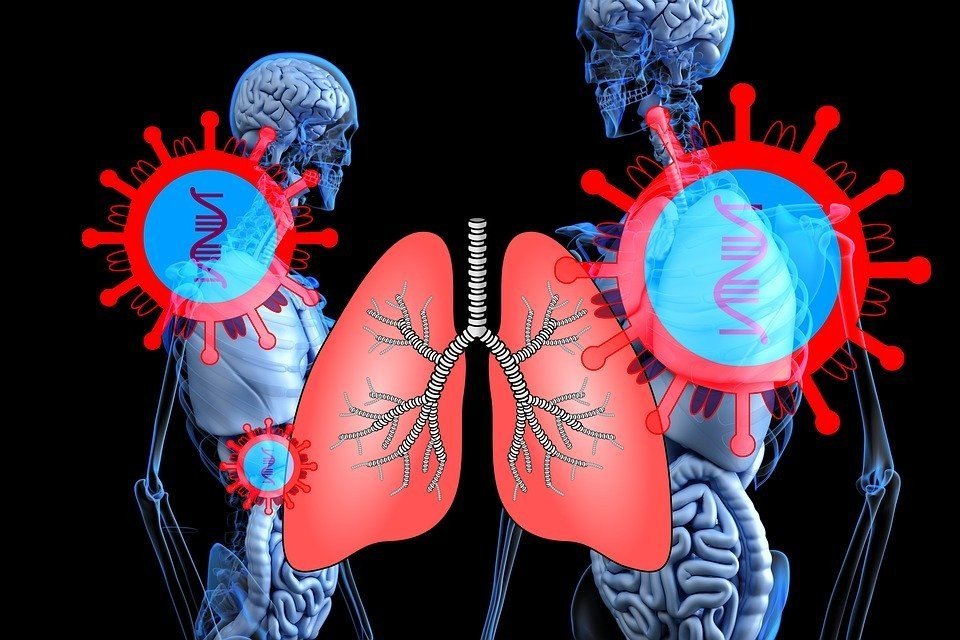
    For adults, their immune systems are already susceptible to different immune responses and this leads to the development of ARDS or acute respiratory syndrome. The complicated immune cell imbalance winds out inflammation within the lungs into an overdrive. This makes the alveoli and air sacs to fill up.  It is possible for the red cells to come into the alveoli to correct oxygen.  When air sacs are flooded, then they do not work and the patient is no longer capable of breathing. It is this reason that around 40 percent of people die every year because of ARDS.
  • Researching the cure for COVID-19

    Researching the cure for COVID-19

    A lot of information available in the public domain about the COVID-19 (novel coronavirus) is based on the information available about similar coronaviruses. Coronavirus is generally found in animals like bats, cats and camels. The virus affecting human beings has not been frequent in history except the MERS that started from the camels and SARS that started from bats.

    Human to Human transmission mode is not very clear, but it is vastly believed to be from respiratory droplets from an infected person’s cough or sneeze that may get inhaled by a healthy person. It is unclear if the transfer through touch and subsequent contact with nose, eye or mouth may cause the infection. Respiratory viruses are harder to be isolated and quarantined and are thought to be most contagious when they are most symptomatic.

    Researches are being carried out in state of the art laboratories around the world to find cure for the virus. Also, with newer cases cropping up in various European and African countries as well, diagnostic equipment is also being updated to reduce the time delay in the identification of prospective patients. Newer and better quarantine measures are being developed to increase the patients’ chances for immunity against the virus and curbing it from spreading further.

    China has been at the forefront of the research. In record time, they build hospitals to house thousands of infected patients with better isolation methods. Thousands of people are getting screened at various hospitals, quarantine facilities and airports to isolate the infected people. The Center for Disaster Control and Prevention in the United States has issued guidelines for health care professionals to better equip themselves and their laboratories to carry out research in finding a cure for the novel coronavirus.

  • Prevention of Coronavirus: How Can We Be Safe?

    Prevention of Coronavirus: How Can We Be Safe?

    The famous adage says “Prevention is better than cure”. The same is true for the epidemic that has rocked China and the world, the novel coronavirus. Even, after the first case was reported close to 2 months ago in Wuhan, China and the virus was declared a global health emergency by the World Health Organization (WHO), no cure has till now been created and tested on human beings. This leads to an important question, Can we not do anything to survive this virus? The answer is Yes. Even without a cure, it is possible to prevent this virus from affecting your body. The World Health Organization has enlisted certain precautionary measures for the people to undertake to prevent getting affected by the virus. These general recommendations are made considering the available evidence and past experience of facing the same kind of epidemic.

    • A general precaution is to practice general hygiene measures when visiting live animal markets, animal products or wet markets. These include washing hands with soap and potable water after direct contact with animals and avoid unnecessary touching of mouth, eyes and nose.
    • Avoid contact with stray animals living in the market and strictly avoid contact with sick animals and spoiled animal products. Attention should be taken while handling animal wastes and other by-products.
    • Raw meat, milk and animal organs should be handled with extreme care and mixing with other food items should be avoided. Uncooked animal meat should be avoided.

    In addition to the general recommendations, people at high risk of the virus should also exercise the following precautionary measures:

    • As little information is known about the cure of the virus, patients with virus symptoms should be considered high-risk patients and should be isolated and quarantined by the concerned authorities. People around infected patients should exercise restraint in contact with the patient.
    • People working in slaughterhouses, animal rearing farms and markets should always use personal protective equipment like gloves and masks. These people should avoid possibly infected clothing material and other personal stuff from exposure to their family members.
  • Symptoms of the New Epidemic: Novel Coronavirus

    Symptoms of the New Epidemic: Novel Coronavirus

    As opposed to common knowledge, coronavirus is not in itself the disease that has spread fear in the minds of people across Asia, especially China that has become the epicenter of the epidemic. Coronavirus is a group of viruses that predominantly affects the human respiratory system. There have been previous instances when Coronavirus has affected human beings in the form of MERS-CoV and SARS-CoV along with several other minor respiratory ailments.

    The current epidemic also called the novel coronavirus has never been reported to have affected humans at this massive scale. Since a lot of fake information has surfaced on the internet about the disease, it essential to understand that reliable information from credible sources must only be believed. World Health Organization (WHO) and other premier research institutions have made public the list of symptoms of the Novel Coronavirus. On seeing any of the below-mentioned symptoms, it is advisable to isolate the person, allowing minimum contact and to visit a doctor in due time for the necessary tests. People who have recently been to China or have been in contact with someone who had been to China have a high risk of contracting the infection.

    Common signs of novel coronavirus infection include cough, fever, shortness of breath and other breathing difficulties. These symptoms may be visible during a period of 2-14 days. This virus may cause pneumonia or other respiratory complications in patients that have a weak immune system. In severe cases, organ failure may occur. The patients admitted to a hospital have more chances of surviving as they can get support for their lungs and other organs as well as body fluids. The patients that were isolated and quarantined at the right time helped in curbing the further spread of the virus to other people and also enhanced their chances for better treatment. It is essential to keep a close watch on our own health and also the health of the people around us and bring to their notice these indications.

  • Treatment for Novel Coronavirus COVID-19

    Treatment for Novel Coronavirus COVID-19

    Ever since the coronavirus hit the residents of Wuhan, the capital city of Hubei Province in China, it has been the subject of research in all of the world’s premier medical research institutions. As there was a lot of cloudiness, on the origin of this virus and its transmission from animals to human beings, it became increasingly difficult to perform studies on this virus.

    There is no specific antiviral treatment for the virus as of now, but patients are being isolated and quarantined to contain the spread of the virus. Because the time for the manifestation of this virus in a human body is very little, researchers find it difficult to work on patient bodies and work on improving and testing medicines. The clue to a medicine being worked out for the virus depends on how this virus has started infecting human beings after being dormant in the body of its previous host.

    As more information is getting poured in for making a cure and hospitals are working to stabilize the current patients by supporting their lungs and other vital organs, a lot of the onus is on the testing techniques that are being utilized to isolate the infected patients from those that are not infected. The Center for Disease Control and Prevention (CDC) in the United States has worked out a testing kit called “Centers for Disease Control and Prevention (CDC) 2019-Novel Coronavirus (2019-nCoV) Real-Time Reverse Transcriptase (RT) -PCR Diagnostic Panel”.

    This test kit is used on patients that meet the criteria of the testing set by the CDC and have been observed with coronavirus symptoms. It takes the upper and lower respiratory specimens for analyzing. These test kits are shipped to laboratories (identified and certified by the CDC) around the globe to expedite the testing process and enhance the efficiency, reliability and robustness of the testing procedure.

  • The Rapid Spread Of The Coronavirus On A Global Scale

    The Rapid Spread Of The Coronavirus On A Global Scale

    [vc_row][vc_column][vc_column_text text_larger=”no”]The coronavirus infections are something that the world is watching very closely and there are worries about how fast it has spread in Wuhan. Most of the infections that have been reported outside China are from people who have been to China recently. This has led to the cancellation of flights to China and the evacuation of different nationals by governments all over the world.

    Once people arrive from China, they are quarantined for a given period and screened for the virus. More precaution is taken if one exhibits flu-like symptoms.

    The people who are at greater risk include pregnant and lactating mothers, the elderly, and children. However, this is a virus that has killed even people perceived to be strong and young so far.

    Where have deaths occurred so far?

    Most of the deaths that have been reported so far are in China, especially within the province of Hubei. However, the infection has spread to other Asian nations, North America, Australia, Middle East, and Europe.

    The novel strain of the coronavirus rose from a Wuhan city in a seafood market. The infection was not caught early enough which lead to the widespread infections and deaths that we are witnessing today.

    There are thousands of infection reports and over 1100 deaths so far which goes to show how serious the disease is. This has happened despite the rapid measures that China has put in place to take care of the coronavirus patients.

    What does the WHO think?

    There have been speculations that with lesser-reported cases of the disease in China, it could be abating. However, the world health organization has offered warnings that it is still very early to state that the infections may cease soon. The COVID-19, as they call it is unpredictable at the moment and impact on the rest of the world is yet to be determined. This is because of the incubation period that could be mistaken for other infections.

    The WHO issues the warning when the first case was confined in London, the Capital of UK. This in a way shows that there could be more cases reported in the unforeseeable future.

    Effect on world economies

    So far, there are more than 44,600 infections and over 1100 deaths confirmed. Most deaths are in China’s Hubei province where the virus is believed to have originated.

    Warnings have been issued that the virus is indeed a grave threat and it could have greater consequences than anything the world has witnessed in the recent past.

    A lot of events and meetings have been cancelled so far following the outbreak of the novel coronavirus in China. This includes mobile world congress and sports events that have been suspended indefinitely. The fact that most flights to other parts of the world have been cancelled could have dire consequences for the world economy mostly because of the strong economic ties that the entire world has with China.

    There are worries that the disease could be just starting outside China. There are also worries about the kind of impact that the spread of the disease could have on developing economies and especially in poor countries.[/vc_column_text][/vc_column][/vc_row]

  • Things Everyone Needs To Know about Coronavirus

    Things Everyone Needs To Know about Coronavirus

    The WHO or World Health Organization now recognizes the coronavirus as a health emergency that the world needs to take seriously. This infection has claimed over 1100 lives so far in China. The outbreak started in Wuhan, a central city in China. This is what led to the closure of around 29 urban locations.

    The coronaviruses that affect the human race cannot be developed properly. This is in contrast to others like rhinovirus. This means that measuring the effect it has on public health and world economies is tough.

    Treatment
    Since there is no treatment available for the virus, one needs to take care of them and use the prescribed OTCs. If you are infected, you are advised to:
    • Avoid overexertion and get adequate rest
    • Drink lots of water
    • Stay away from smoke zones and avoid smoking
    • Seek treatment for any of the symptoms that you may be having including pain and fever
    • Make use of vaporizers or a humidifier

    Deadliness
    The death toll from coronavirus infections has risen higher than those reported in the SARS outbreak. The SARS outbreak killed about 800 people and this started in China as well. The coronavirus has exceeded the number of deaths reported with other outbreaks and there is a chance that even more deaths will be reported following the presence of disease in other parts of the word.

    Spread of the virus
    Research is already underway to establish more important information about the corona virus. However, it is clear that person-to-person contamination is one of the quickest ways to catch the illness. Health workers in China are at high risk and so far, many have been infected with the virus. The infections make use of droplets secreted from the patient’s respiratory system.

    The virus can be easily spread through:
    • Sneezing or coughing while the nose or mouth is not covered. This disperses infected droplets into the surrounding air leading to infection
    • Touching an individual that is already infected
    • Touching objects or surfaces that are infected and then touching your mouth, eyes, or nose
    • Contact with infected feces

    In most cases, the coronaviruses are common during fall and winter season, even though other times of the year are also affected. It is possible to contract many diseases in a lifespan and youngsters are more vulnerable to such infections. What makes the coronavirus infectious dangerous is the fact that they are mutative in nature. If you are infected, it is advisable to remain at home and until you get better so as not to contact others. General hygiene measures can significantly reduce the risk of infections.The Novel coronavirus detected in China is deadly because it mostly affects animals. The death toll rises every day. More infection cases are being reported globally and efforts are being made to stop the spread while offering urgent medical attention to the people infected so far.

  • What are the symptoms of the Coronavirus and how it can be prevented?

    What are the symptoms of the Coronavirus and how it can be prevented?

    Coronavirus is one of the deadliest viruses that have brought havoc in China. More than 600 people have died because of this virus. It has become absolutely necessary to understand its symptoms.

    Symptoms of Coronavirus

    There are various symptoms of the Coronavirus which have been found in humans who are suffering from this virus. These symptoms are-

    1. Cough
    2. Common cold
    3. Fever
    4. Problem in breathing
    5. Runny nose
    6. Sneezing
    7. Sore throat
    8. Fatigue

    The symptoms differ from person to person depending on the severity of the virus spread. This virus cannot be prevented easily. It is highly contagious. No medicine for the cure of the virus is found yet. It is spreading widely and very fast to many countries. To avoid the transmission it is better to take care of yourself.

    1. Drink about 3-4 liters of water regularly.
    2. Avoid smoking.
    3. Take a rest.
    4. Avoid going to smoky areas.
    5. Take some medications in case of fever.

    Prevention

    There is not any medication for the Nobel Corona virus so it is better to prevent yourself. You can prevent yourself by not getting in contact with the person who is suffering from this virus.

    1. Wash your hands at least 2-3 times a day. Wash your hands for about twenty seconds with soap after going to the washroom.
    2. Wash your hands before eating and after sneezing or coughing.
    3. If in any case, you cannot find soap or water, then, you can wash your hands with a sanitizer.
    4. If your hands are dirty, wash your hands with soap and water.
    5. Don’t touch your nose, face, and eyes with dirty hands.
    6. If you are sick, take rest and try staying at home.
    7. Do not make contact with sick people.
    8. Cover your mouth with your hand and wash it properly after that.
    9. If you are using a tissue to cover your mouth while sneezing then, throw that tissue in the dustbin.

    These are some regular and simple habits that can help you to take care of yourself and prevents you from getting infected with such viruses. Take general hygiene precautions while you are visiting any animal. If you touch any animal then, do wash your hands with soap. Avoid touching the nose and eyes of animals with your hands. Try to avoid making contact with sick animals. Do not make any contact with street animals like cats, dogs, etc. Try to avoid eating raw meat. Take care of your hygiene in your home. Eat healthy and stay healthy. Getting sick increases the chances of getting infected. Eat healthy food and take a proper diet.

    Treatment

    There is no treatment for the novel Coronavirus yet. People who are infected with such viruses must take some help to reduce the symptoms. People who are in doubt that they may have been infected with the coronavirus should immediately contact a doctor.

  • What are Coronavirus and Its Types? How it Can Spread?

    What are Coronavirus and Its Types? How it Can Spread?

    What is the Coronavirus?

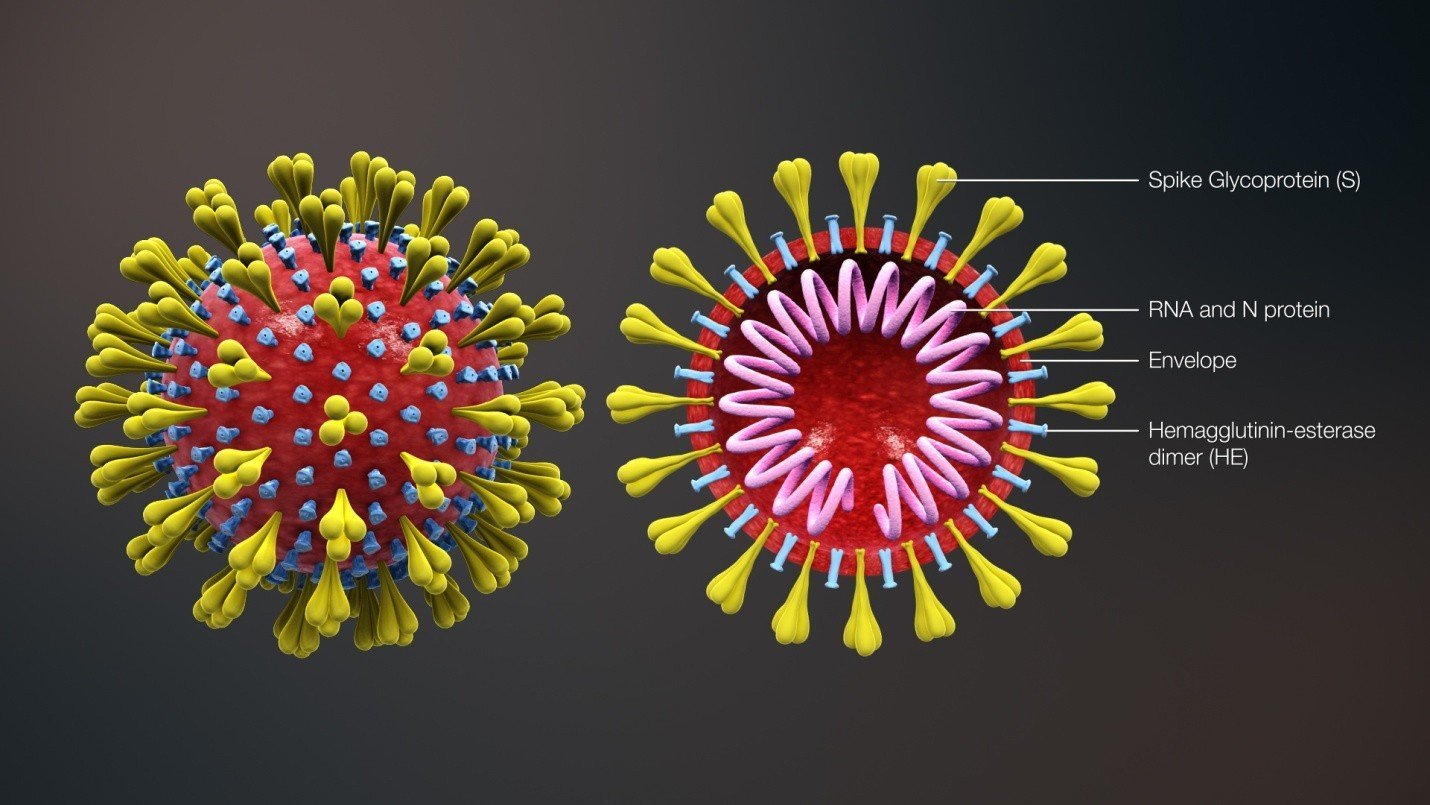
    Coronavirus affects the respiratory system of humans. People usually suffer from the common cold, pneumonia, fever, etc. It also has an effect on the gut. This virus was found in 1937 in birds and in 1960 in humans. Over so many years the virus has infected many birds, mice, snakes, pigs, and cattle.

    This virus has now spread in China immensely and now is infecting other countries as well. This virus usually occurs in humans in winters. The name of the Coronavirus was derived on the basis of crown-like projections. The Latin meaning of Corona is ‘crown’.

    Types of Coronaviruses

    There are different types of human Coronavirus. These types differ in the severity of illness and how much they can spread.

    1. NL63
    2. 229E
    3. HKU1
    4. OC43

    Some more dangerous types of Coronavirus include MERS Corona virus and the SARS Coronavirus. The most dangerous type of Corona virus which has currently spread in China does not have an official name. The scientists usually denote it as the Novel Corona virus.

    How Coronavirus gets transmitted?

    Great and deep research is conducted to know how the Corona virus spreads from one person to another. This virus can be transmitted in the following ways-

    1. If a person is infected with this virus and he coughs or sneezes without covering his or her mouth, then, the droplets can reach to another person through the air. This will spread the virus.
    2. Shaking hands or maintaining touching contact with a person who has Corona virus can spread the virus from one person to another.
    3. Corona virus can also spread from one person to another by contact with faeces.
    4. Making contact with an object which has this virus and then touching your nose or face can spread the virus.

    This virus is usually spread among young people. To prevent the Corona virus you should stay at home and rest if you are experiencing any kind of symptoms. Try to cover your mouth while sneezing. If you are suffering from common cold, then it’s better to cover your face. Maintain a hygienic environment at home.

    The Coronavirus can spread fast, especially when people are already sick. It is generally spread by maintaining close contact with other persons. It is just similar to influenza and can be spread easily through sneezing or coughing. While sneezing the droplets gets dispersed in the air and that air is inhaled by other persons.

    Some facts about the Coronavirus

    1. SARS Coronavirus has spread to other countries through China. It has killed almost 640 people.
    2. There are about seven Coronaviruses which are known to affect humans.
    3. Corona virus can spread to many animal species along with humans.
    4. No cure has been found yet for the human Coronavirus that is being spread in China.

    So these were some facts about the Coronavirus. You should not keep in touch with anyone affected by this virus.