Author: Gandhi Medicos

  • Dasakast (Dasatinib) – A Vital Medicine in Oncology

    Dasakast (Dasatinib) – A Vital Medicine in Oncology

    Introduction

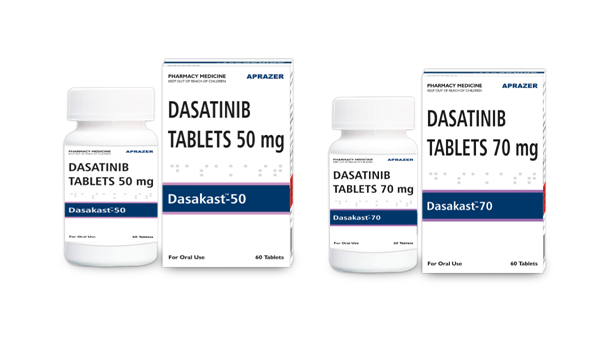
    Dasakast (Dasatinib) is a type of drug that is used to treat cancer, especially leukemia. Dasakast (Dasatinib) prevents the atypical protein from sending any signals to cancer cells to multiply. It helps to slow down and reduce the multiplying process of the cancer cells.

    Uses of the medicine

    Dasakast (Dasatinib) is a medicine that can be either taken with an empty stomach or after a meal. Still, it is always recommended to take the medicine at the same time of the day to increase the drug’s effectiveness. It is usually taken as a tablet that should just be swallowed without being crunched or chewed. This is a drug that should be taken with a prescription by a doctor only, and you should follow the doctor’s instructions carefully. It can prove to be dangerous if taken without a doctor’s knowledge or not following the given instructions. It is necessary to follow the given dosage. Taking a double dosage is bad for your health.  If you missed taking a dosage anytime, make sure to notify your doctor.

    Side effects

    Like most tablets, Dasakast (Dasatinib) also has some side effects on the human body when consumed. You don’t need any special medical attention to treat these symptoms, as the side effects will reduce when your body gets used to it or when you stop taking the medication after doctors’ approval. Some of the common side effects caused by the medication are anemia, abdominal pain, fatigue, breathing problems, fever, low blood platelets, nausea, rash, headache, vomiting, and musculoskeletal pain.

    Precautions

    Pregnant women are advised not to take this medication. It is also dangerous for the baby if the mother takes this medication during breastfeeding.
  • Cancer Drug Imatikast (Imatinib) Uses, Side Effects, and Precautions

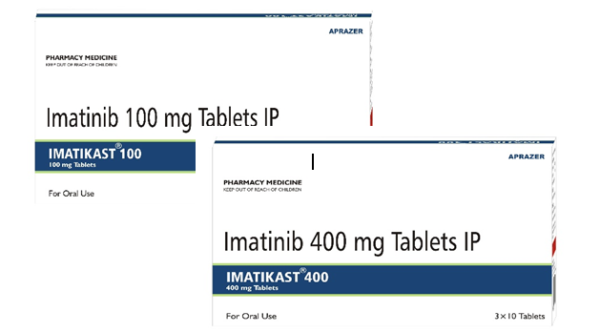
    Cancer Drug Imatikast (Imatinib) Uses, Side Effects, and Precautions

    Imatikast (Imatinib) is a medicine used to treat several types of cancer, such as chronic myeloid leukemia, acute lymphoblastic leukemia, gastrointestinal stromal tumors, and myeloproliferative diseases. This drug is used with chemotherapy. It helps to prevent the growth of cancer cells.

    Side Effects:

    This medicine produces quite a few side effects. But the doctor will prescribe you this medicine only when he believes that this medicine will benefit you beyond the side effects. Some side effects are to be monitored carefully. If one faces diarrhea, muscle cramps, nausea, upset stomach blurred vision, or dizziness, and these side effects worsen with time, report it to your doctor immediately.

    One may face other side effects. If they are mild, it is nothing to worry about, but one must consult the doctor if it becomes serious or unbearable. The other side effects can be:

    • Sudden weight gain
    • Easy bruising
    • Swelling of abdomen, ankles, feet or hands
    • Swelling near the eyes
    • Bloody or black stool
    • Vomit looking like coffee grounds
    • Uncontrolled vomiting
    • Loss of appetite
    • Stomach ache
    • Dark urine
    • Yellowing of skin or eyes

    According to your doctor’s suggestion, to reduce the chances of side effects, drink a lot of fluids or otherwise. Emergency side effects, which you need to inform the doctor without any delay are:

    • Painful urination
    • Pink or blood in the urine
    • Back pain
    • Flank pain
    • Muscle weakness and spasms

    Precautions

    Before any medication, inform your doctor about any other previous or current health problems or ongoing medications. This medicine may cause an allergic reaction to your ongoing medications. So, it is important to put all the information on the table. This medication can also make you feel dizzy. Avoid driving or doing any work that requires your focus. Limit the intake of alcohol. Do not consume the medicine with alcohol.

    This medicine can worsen infections. So, avoid being around anyone suffering from infections that can spread like the flu, chickenpox, and so on. Consult your doctor immediately if you have been exposed to any kind of infection.

  • Abirakast (Abiraterone Acetate) Drug for Cancer /Tumor

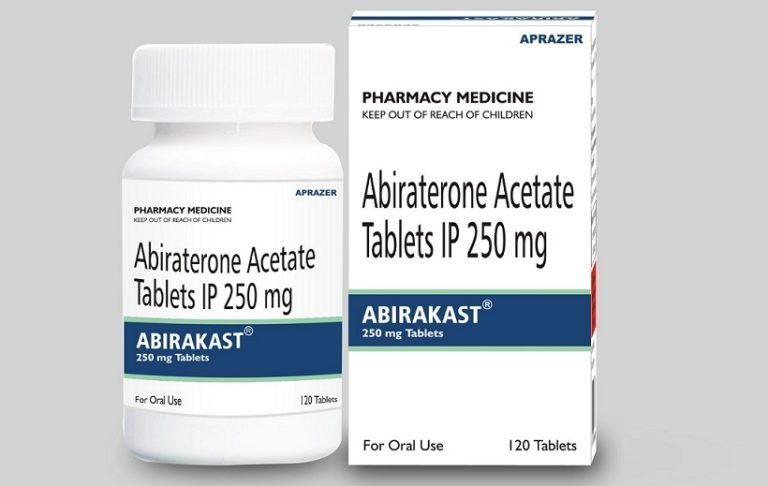
    Abirakast (Abiraterone Acetate) Drug for Cancer /Tumor

    Introduction

    Abirakast (Abiraterone acetate) is a type of hormone therapy. This medicine is used to treat prostate cancer.

    How to use the medicine?

    Abirakast (Abiraterone acetate) should only be taken after being prescribed by your doctor. It is highly recommended by health professionals to take these tablets on an empty stomach. It is recommended to take the medication at the same time of the day to increase the effectiveness of the medicine. It is very important to consume 10 mg prednisone every time you take Abirakast (Abiraterone acetate) tablets. The dose of intake of this tablet should only be decided by your doctor, and you must strictly follow your doctor’s instructions.

    Side effects

    Like most medicines, Abirakast (Abiraterone acetate) also has some side effects associated with it. Still, on the bright side, all the symptoms will reduce steadily and vanish at last after the therapy is over. All the side effects associated with Abirakast (Abiraterone acetate) are manageable, as you can minimize the side effects. A few of the side effects that can occur during the therapy period are as follows:

    Side effects common for patients: fluid retention, Increased triglycerides, Increased liver enzymes.

    Side effects less common for patients: joint swelling or discomfort, diarrhea, cough, increased ALT, muscle aches/discomfort, decreased levels of phosphorus in your blood (hypophosphatemia), urinary tract infections.

    Unusual Symptoms: lightheadedness or dizziness, significant headache, black or tarry stool, extreme fatigue, unusual elevation in blood pressure, a yellow coloring of your skin or eyes.

    If you notice any of these unusual symptoms, it is necessary to report this to your doctor. People taking this medicine should let know their doctor about any other medications that they are currently taking, just to make sure everything will be fine.

  • The Stages And Symptoms Of Hepatitis C Along With Its Treatment And Possible Side Effects

    The Stages And Symptoms Of Hepatitis C Along With Its Treatment And Possible Side Effects

    The Various Stages of Hepatitis C 

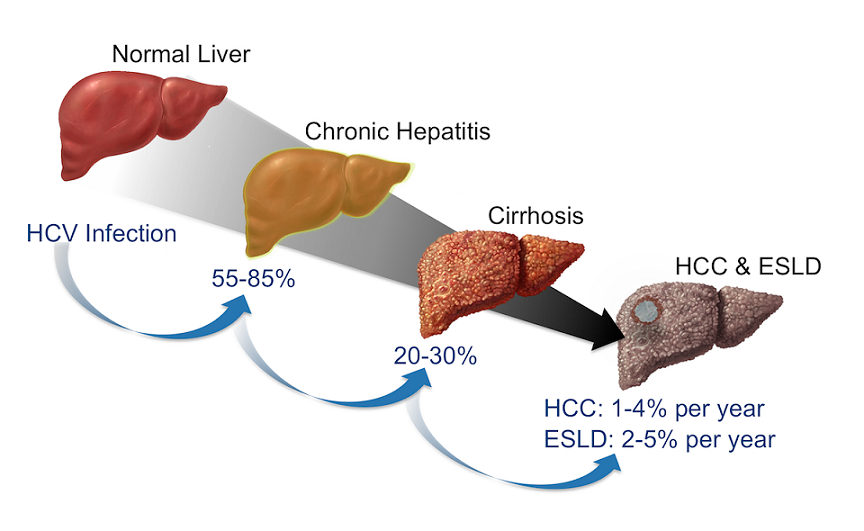
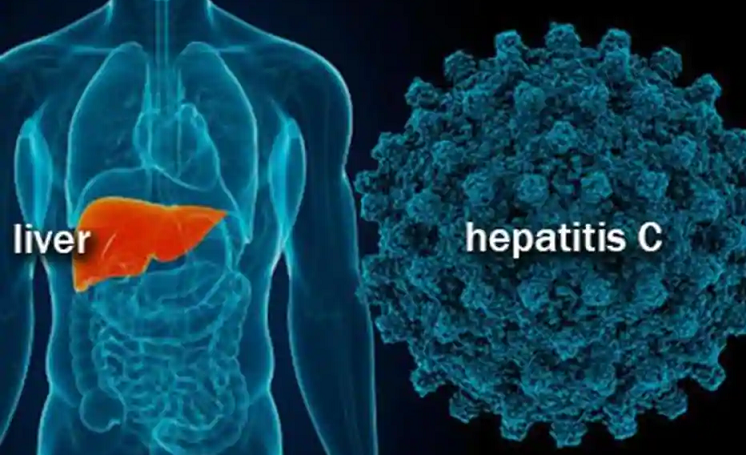
    The Hepatitis C Virus (HCV) is the main cause of Hepatitis C, which when undetected can lead to lung cancer. Hepatitis C has various stages with different treatments for each. The first stage is Acute Hep C, it is an acute phase of 6 months during which our immune system fights with HCV, as a result, HCV may or may not be retained in our system. After our immune system fails Acute Hep C changes into Chronic Hep C where the liver cells die and inflammation of liver starts. About 20% of patients develop cirrhosis where the liver loses the ability to function, and this can result in lung cancer. The end-stage occurs when the liver is severely damaged and can no longer function properly.

    Symptoms of Hepatitis C 

    All the stages have different symptoms, which are given below

    • Fatigue
    • Jaundice
    • Nausea
    • Loss of appetite
    • Abdominal swelling
    • Upset stomach
    • Joint and muscle pain
    • Dark and yellow urine
    • Bleeding and bruising easily

    Treatment and Side Effects

    The Acute Hepatitis C is not medicated as the immune systems try to fight back and about 20-30% people save themselves from Chronic Hep C. WHO recommends therapy with Direct Acting Antivirals (DAA) which can cure people in just 12-24 weeks, although treatment for every person is different and the treatment is changing quickly. Some of the pills are Daclatasvir (Daklinza), Elbasvir-grazoprevir (Zepatier), Ledipasvir-sofosbuvir (Harvoni), Glecaprevir and pibrentasvir (Mavyret), and Ombitasvir, paritaprevir, dasabuvir (Viekira Pak). However, these medications have some side effects:

    • Dizziness
    • Chest pain
    • Confusion
    • Diarrhea
    • Headache
    • Memory problems
    • Shortness of breath
    • Weakness
    • Fainting
    • Fatigue
    • Arthritis
    • Depression
    • Low blood cells count

    Hepatitis C can be stopped if we have a strong immune system that can win against this deadly virus. The symptoms are not visible at the early times, so it’s best to keep a close tab and eat healthily to build strong immunity.


  • What is Hepatitis C? How did it Came into Being and its Geographical Distribution?

    What is Hepatitis C? How did it Came into Being and its Geographical Distribution?

    Introduction

    Hepatitis C is a disease that affects the liver badly and if ignored can even lead to liver failure. Its main cause is the hepatitis C virus (HCV). There are many ways through which one can catch hold of this Virus. It is mostly caused due to exposure to blood, which means that one can catch this virus if he or she is exposed to the blood of a carrier of HCV, e.g., usage of the same syringes, same shaving blade, getting tattoos by unhygienic equipment, and many more.  


    The History of Hepatitis C 

    During the 1960s only two kinds of Hepatitis were known, A and B. The existence of HCV came to be noticed in the year 1975 by Feinstone et al. who found some cases which didn’t come under the first two Hepatitis. It was observed that unlike A and B, Hepatitis is C transmitted through very small agents, and finally, in 1989, a man named Houghten and his colleagues successfully cloned the genome of HCV and developed diagnostic tests. It was found out that Hepatitis C resulted in Acute and Chronic Hepatitis or Liver Cancer.


    The Geographical Distribution 

    Hepatitis C is globally prevalent and is a leading cause of death. In 2016, approx. 3,99,000 died and WHO estimated that 71 million people have this virus. According to WHO the most affected regions are Eastern Mediterranean Region and European Region. There is no county free of HCV and work is still going on to find a cure for this deadly disease. Brazil, Egypt, Australia, and Georgia have been highlighted in many summits for their innovative work in the elimination of HCV and it is worth the appreciation, because soon some countries may get free of HCV and save millions of lives. 


  • Risk factors and prevention of Hepatitis C

    Risk factors and prevention of Hepatitis C

    As you all know that Hepatitis C is a blood-borne disease. It easily gets transmitted through blood to blood contact.

    Who can get affected with Hepatitis C?

    1. If your blood comes in contact with the affected person’s blood may be in the hospital or while blood transfusion or organ transplant.
    2. Being injected with drugs
    3. The child of the pregnant affected women also gets Hepatitis C
    4. If you get tattooed in an unhygienic place
    5. If you have undergone hemodialysis
    6. Having sex with many partners or if you have an STD

    Prevention of Hepatitis C

    As of now, there is no vaccine for Hepatitis C. However, efforts are made to find a vaccine for Hepatitis C.

    Since Hepatitis C is transmitted through blood-to-contact, unaffected people should make sure of their safety and keep in mind the following:

    1. Avoid having sex with multiple partners
    2. If one is affected by an STD, he or she should go and take a proper treatment first.
    3. Avoid usage of an unsterile needle for the intake of drugs. Make sure that you don’t share the needles with anyone.
    4. Healthcare professionals need to be careful while dealing with needles. They should take proper precautions.
    5. While getting a tattoo, do not make use of unsterile needles and see to it that the environment around you is clean.

    Facts about Hepatitis C

    1. The CDC calls Hepatitis C as a silent epidemic.
    2. There is no vaccine for Hepatitis C
    3. Even if the liver transplant is made, the patient cannot be sure to be cured of hepatitis C. He is further given medication.
    4. Nearly 20-25% of the affected people with acute Hepatitis C get cured without any treatment.
    5. Many liver transplants happen due to Hepatitis C
    6. A person affected with Hepatitis C doesn’t need to also have HIV.

    If you ever find out that you are affected with hepatitis C, then approach the doctor. All must take these precautions in their day to day life to prevent this disease.

    I hope, this article helped create awareness on the prevention of hepatitis C.

    Source links,

    Source: https://liverfoundation.org/for-patients/about-the-liver/diseases-of-the-liver/hepatitis-c/diagnosing-hepatitis-c/#how-can-i-prevent-getting-hepatitis-c

    Source: https://www.mayoclinic.org/diseases-conditions/hepatitis-c/symptoms-causes/syc-20354278


  • What is Hepatitis C? Symptoms and Treatment

    What is Hepatitis C? Symptoms and Treatment

    Hepatitis C is a disease in which the liver is infected due to HCV (Hepatitis C Virus). It is transmitted to a person if the affected person’s blood comes in contact with the blood of an unaffected person.

    It’s a chronic disease wherein the liver of the affected person is damaged. Liver damage involves the failure of the liver, liver cancer, and cirrhosis. If this is diagnosed earlier the liver infection can be prevented. Otherwise, it can lead to death.

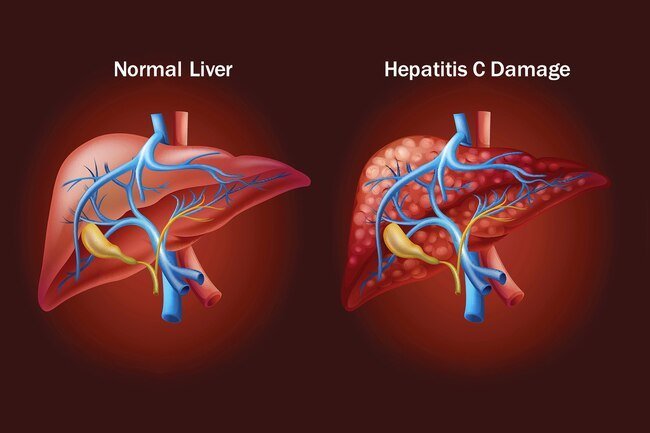
    Hepatitis C is caused when the HCV virus attacks the liver cell and causes dysfunction and swelling of the liver. In the long run, the liver gets completely damaged.

    Signs and symptoms

    There are two stages, first is the acute stage, where there may not be any symptoms and second is the chronic stage where the health is in severe condition.

    It’s hard to find out hepatitis C in an acute stage as there are no sure symptoms. Hence, most of the time patients don’t get a proper diagnosis at the initial stage.

    Here, are the symptoms of Hepatitis C:

    1. Fever
    2. Sensation of vomiting
    3. Tiredness
    4. Dark urine
    5. Loss of appetite
    6. Abdominal pain
    7. Pale stools
    8. Pain in the joints
    9. Liver failure
    10. Liver cancer

    Treatments

    1. Treating with antiviral medicines

    One of the treatments involves antiviral medication mainly provided to remove viruses from the patient’s body. There should be no HCV, at least for 12 weeks after the treatment.

    The recent development in this medication has resulted in reduced side-effects. Also, reduction in the treatment times.

    1. Liver transplantation

    If Hepatitis C has reached the chronic stage, where the liver is damaged, the only left option is liver transplantation. After this the patient is given antiviral medication, to make sure the virus is completely reduced.

    1. Vaccines

    There is no particular vaccine to treat hepatitis C. But, you would be advised to take vaccines for hepatitis A and hepatitis B viruses. These viruses are also known to cause liver inflammation and worsen the condition of the hepatitis C patient.


  • Hepatitis C Know The Causes And The Effects

    Hepatitis C Know The Causes And The Effects

    Hepatitis C is an infectious disease that is induced by the HCV or the Hepatitis C virus and this disease mainly affects the liver. The virus spreads through body fluids or physical contact. Many of those affected, don’t even know about it due to a lack of symptoms.

    THE CAUSE:

    Hepatitis C is mainly spread through contact. You can get exposed to the virus through:

    * Multiple usages of injection needles in different people.

    * Having sexual intercourse without the usage of proper protection.

    * A mother while giving birth may pass it onto a child.

    * Unsanitized body piercing equipment might transfer the virus.

    Though kissing, hugging, breastfeeding, and other such activities are not the cause of spreading the virus.

    THE EFFECT:

    * During the early stages, no symptoms occur, but, as time goes by, the situation worsens and eventually leads to cirrhosis.

    * The kidneys of the person suffering from Hepatitis C might fail.

    * A patient of this disease might bleed easily.

    * There are also cases of intense itching in the patients with Hepatitis C.

    * The veins on the skin become spider-like if one is contacted with this disease.

    * A patient can also experience blood loss through vomiting due to internal bleeding in the lower esophagus.

    * Patients could also experience problems like memory glitches and lapses and may have reduced brain functioning.

    * One might also suffer from building up of fluids in the abdominal cavity called ascites or in the legs, termed as edema.

    Take care of your hygiene and turn to a healthy and clean way of living. This would save you from many of the infectious diseases like Hepatitis C.

  • One Medicine That Beats Kidney, Liver And Thyroid Cancer At The Very Stage Of Chemotherapy

    One Medicine That Beats Kidney, Liver And Thyroid Cancer At The Very Stage Of Chemotherapy

    Introduction to kidney, liver and thyroid cancer

    Medical professionals have been trying for so long to find medicines to beat different types of cancer, while some cancers are treatable, others are very deathly. The cure for kidney, liver, and thyroid cancer has fortunately been found. When the healthy cells of one or both the kidneys grow a lump (tumor), it is called kidney cancer. It begins at the tiny tubes in the kidney known as renal tubes. The liver is the home of many types of cancer, such as hepatocellular carcinoma, intrahepatic cholangiocarcinoma, and hepatoblastoma. On the other hand, thyroid cancer occurs in the cells of the thyroid which is a gland located at the base of our neck. It causes pain and swelling in the neck portion. The rate of this cancer seems to be increasing.

    First known Medication and its side effects

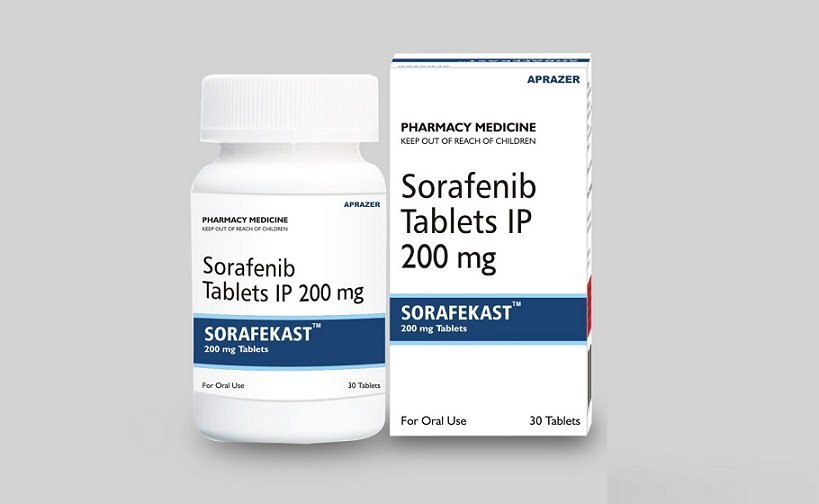
    One medication has been tested positive in treating these 3 cancers, SORAFENIB 200 (other brand medicine: SORAFEKAST) The first brand of this medication was NEXAVAR. It was approved by the US in December 2005 and in Europe in July 2006. Some of its side effects are:

    • Weight loss
    • Vomiting
    • Diarrhea
    • Dry skin
    • Hair loss
    • Change in taste
    • Loss of appetite

    New successful brands

    Apart from the original brand, other brands started entering the market to provide this medicine at a much lower price. SORAFEKAST is one such brand. SORAFEKAST is prescribed by a lot of doctors and is available at a much lower price. SORAFEKAST is equally effective as the original version and has shown excellent results in the past. It is highly recommended, and you can take it after being prescribed by your doctor. It is easily available near you.


  • Hepatitis C – How The Treatment Works

    Hepatitis C – How The Treatment Works

    Hepatitis C can be cured in the initial stages, but, for people with people acute Hepatitis C, there’s no cure or treatment yet that have been discovered.

    Chemicals such as interferon, peginterferon, and ribavirin used to be the main relief from the ailment. But, their drawback was that they had varied side-effects like fatigue, skin rashes, a certain amount of anxiety, causing depression, nausea, anemia, diarrhea, and also these medicines gave rise to flu-like symptoms.

    Now, new cures for Hepatitis C have been found and developed in the present years. New medicines are available now which are considered more beneficial and have lesser side-effects. Some of these medicines along with their dosage period include:

    * Daclatasvir (Daklinza): 12 weeks.

    * Sofosbuvir – velpatasvir (Epclusa): 12 weeks.

    * Ledipasvir-sofosbuvir (Harvoni): 8-12 weeks.

    * Glecaprevir and pibrentasvir (Mavyret): 8 weeks.

    * Ribavirin (Copegus, Moderiba, Rebetol, Ribasphere, Virazole): 24 to 48 weeks or longer.

    * Sofosbuvir (Sovaldi) with interferon and ribavirin: 12 to 24 weeks.

    * Elbasvir-grazoprevir (Zepatier): treats almost 97% of the users.

    * Ombitasvir-paritaprevir- ritonavir (Technivie)

    * Ombitasvir-paritaprevir-dasabuvir-ritonavir (Viekira Pack): 12 to 24 weeks.

    * Sofosbuvir-velpatasvir-voxilaprevir (Vosevi)

    Though it is to be noted that not everyone suffering from Hepatitis C needs a treatment procedure. There are people with an immune system strong enough to get rid of the infection from the body. In this case, your doctor might check regularly your liver functioning by conducting blood tests. Living with a disease such as Hepatitis C is one of the toughest challenges a person can experience but, there are ways to control the virus and live a normal and marvelous life.