Author: Gandhi Medicos

  • What are the Early Signs of Kidney Cancer?

    What are the Early Signs of Kidney Cancer?

    Lenvima 4mg – Signs and Symptoms

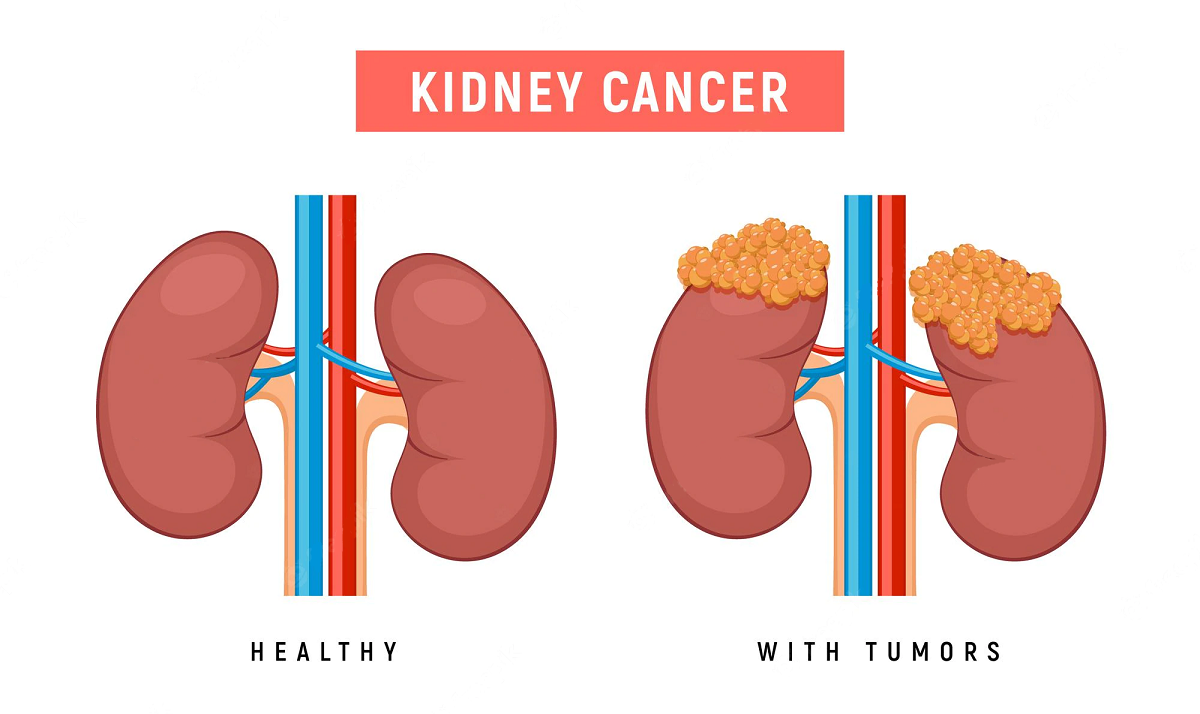
    Kidney cancer, also known as renal cell carcinoma, is a huge and deadly disease that causes the cells in the kidney to grow cancerous. This abnormal growth of the abnormal cells in the kidney will land you in the situation of kidney cancer. All the types of kidney cancer would first appear in the tiny tubules lining the kidney. In many cases, kidney cancer would be detected before they affect much of the body. But if it is not detected early and spreads out in the whole kidney or to other parts of the body, it will be fatal and might even cause death or near-to-death experiences.

    This type of cancer mostly appears in people over 40 years of age, but it is not restricted to it as there can be similar cases with people below the 40 years age mark. Most of the people who got affected by renal cell carcinoma were above the age of 40 years.

    Risk Factors

    There are many risk factors relating to kidney cancer. They are-

    • Smoking cigarettes and other substances puts you at a higher risk of coming in contact with the kidney cancer problem. People who smoke will have higher chances of having renal cancer than compared to that of non-smokers.
    • Men have a higher possibility of catching the renal cancer problem as compared to that to women. Because men are more in the number and are obese than women.
    • People who are excessively fat and obese or with higher sugar level problems are prone to have the disease and illness of kidney cancer in the near times.
    • Being on dialysis for quite a long term can also be a factor that might cause cancer of the kidney. People are on dialysis because of the failure of their kidneys.
    • People who have a genetic problem, people who had their old family members, or their ancestors who suffered from this illness can also be the reason for you catching the same. It is mostly the siblings; one sibling might pass on the same to another sibling.
    • People say that you should not be angry more frequently as it would lead to a rise in your blood pressure and health illness and diseases. Kidney cancer is also one of the things because of your high blood pressure problem.

    There are various early signs, if you watch them carefully and take necessary actions then you could prevent kidney cancer from developing more in your body. These early symptoms are-

    • Blood coming out while you are urinating
    • Pain in the lower back, mostly on just one side and not in the whole back, plus this pain is not due to any injury caused to you in recent times.
    • Feeling nauseous plus tired, along with laziness most of the time.
    • Loss in the daily appetite, unable to eat even what you used to eat comfortably.
    • Coming in contact with fever is not caused by infection or any other thing, and the fever is not going away even for a minimal amount of time.

    There are various treatments for solving the problem of this kidney disease. Out of all those, the best ones are the medications being offered. Lenvima 4mg (Lenvatinib) medicine is widely known and used to treat kidney cancer conditions in patients. Lenvima 4mg (Lenvatinib) is a medicine to be taken orally as directed by your concerned doctor.

    Lenvima 4mg medicine is one of the most used and has been proven effective in at least the earlier stage of kidney cancer. The other name or substitute of the medicine is the Lenvima 4mg which is quite effective in a similar manner against kidney cancer.

     

  • How Awareness Controls HIV Transmission

    How Awareness Controls HIV Transmission

    Axentri 150mg: Uses and Side Effects

    What is HIV?

    Human Immunodeficiency Virus is the virus variant that affects cells that assist the body in fighting infection, rendering a person more prone to other infections and disorders. It is communicated via contact with particular bodily secretions of an HIV-infected person; the most familiar carrier is unprotected sex or sharing injection equipment.

    If HIV is left untreated, it might progress into Acquired Immunodeficiency Syndrome – AIDS. The body once infected with HIV acquires it for a lifetime, and no effective HIV remedy exists. As a result, if you’ve been diagnosed with HIV, you’ll live with it for the rest of your life.

    In today’s high-technology era, there are a variety of tools available for the prevention of HIV.

    An HIV-infected person must undergo several actions to prevent HIV transmission to healthy ones. These actions are mentioned below :

      1. Have protected sex


    Avoid vaginal or anal sex. Going for oral sex is safer than vaginal or anal sex.

    HIV transmission generally happens via contact with the body fluids (semen in men and vaginal fluid in women). Oral sex does not involve such contact, hence involves no risk of HIV transmission.

    If thinking of going for vaginal or anal sex, don’t forget to use the contraceptive methods used by men or women. Use these methods the right way every single time you use them.

    1. Be cautious while injecting drugs. 

    The best way to avoid HIV transmission is to go for medications rather than injections. Always use clean and sterilized needles while injecting drugs. Avoid sharing syringes, needles, or other equipment used for injecting drugs.

    1. Protect others if you are an HIV-infected person

    Seek proper medical care and start consuming HIV medicines after consulting the doctor.

    Viral load in the blood can be reduced by consuming HIV medicines. The viral load cannot be reduced to zero; however, the same can be reduced to such a low level that HIV might not get detected again.

    1. Prevent HIV transmission during birth

    Early diagnosis of HIV is essential to avoid transmission to the offspring during pregnancy. Not even the pregnant woman even her partner must get themselves tested to avoid transmission.

    After delivery, the transmission can be prevented by avoiding breastfeeding since HIV is present in breast milk. Always take medicines on time and per the prescribed schedule to avoid further transmission.

    1. Post-exposure Prophylaxis – PEP

    This method is generally preferred after knowing the exposure to the HIV-infected person. PEP treatment is advised in an emergency and must begin within a few hours (generally 72 hours ) of exposure to the virus.

    1. Pre-exposure Prophylaxis – PrEP

    As discussed above, PrEP is the preferred treatment to avoid exposure to the virus, such as during drug consumption, sharing needles, and other possible reasons.

    Axentri 150 mg is the prescribed medication for an HIV-infected person. Remember, there is no cure for HIV; however, proper medication would decrease the viral load in the blood, leaving it undetected.

    Axentri 150 mg assists in minimizing the risk of having HIV-related problems and extends your longevity. Axentri 150 mg is advised in conjunction with other HIV drugs. The doctor would tell you about the dosage pattern and the schedule too. Follow the directions strictly to avoid further transmission.

    Consuming all these drugs regularly at the proper times considerably boosts their effectiveness and minimizes the possibility of HIV growing resistant to them. It is vital not to skip doses and maintain consuming them until the doctor is satisfied.

    Consumption of Axentri 150 mg might lead to several side effects such as rashes, weakness, anemia, nausea, stomach pain, and insomnia.

  • Types of Blood Cancers and their Treatment

    Types of Blood Cancers and their Treatment

    Ibrutinib Capsules for Leukemia and Multiple Myeloma

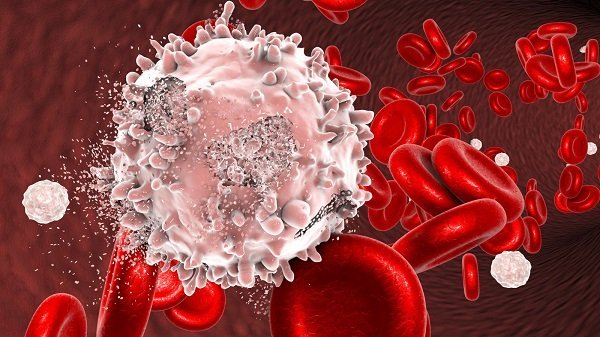
    Hematologic tumors begin in the bone marrow, producing blood, which is the case with most blood cancers. When aberrant blood cells begin to develop uncontrollably, they disrupt the function of blood cells that fight infection and lead to the development of new blood cells.

    What are the types of blood cancers?

    The common forms of blood cancers or bone marrows are discussed below:

    1. LEUKEMIA

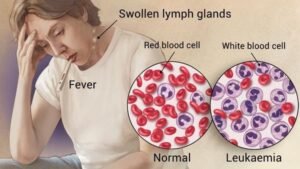
    The type of blood cancer that starts in the bloodstream spreads to the bone marrow and comes up when the body produces excessive aberrant WBCs, interfering with the bone marrow’s ability to produce RBCs and platelets

    1. Non-Hodgkin Lymphoma

    The lymphatic system (from lymphocytes) is responsible for the origination of this variant of blood cancer. Lymphocytes are a variant of WBCs that aids the body in fighting infections.

    1. Hodgkin Lymphoma

    The type of blood cancer that arises from lymphocytes in the lymphatic system. The Reed-Sternberg cell, present in Hodgkin lymphoma, is a type of aberrant lymphocyte.

    1. Multiple Myeloma

    This is a variant that starts in the plasma cells of the blood.

    Now, Let’s discuss the forms of blood cancers or bone marrows that are less common:

    1. Myelodysplastic Syndromes
      Damage to blood-forming cells in the bone marrow can cause these uncommon disorders.
    2. Myeloproliferative neoplasms
      The leading cause behind these uncommon disorders is the same as mentioned above.

    Rare blood malignancies develop during the generation of excessive WBCs, RBCs, or platelets. Essential thrombocythemia, polycythemia vera, and myelofibrosis are the three primary subtypes.

    1. Amyloidosis
      This condition, defined by the accumulation of amyloid (an aberrant protein), is not cancer. It is, nevertheless, closely linked to multiple myeloma.
    2. Waldenstrom macroglobulinemia
      The origination of this variant takes place in B-cells via non-Hodgkin Lymphoma.
    3. Aplastic anemia
      When crucial stem cells are destroyed, this rare illness develops, and the only way to treat it is by transplanting bone marrow.

    What causes blood cancer?

    Modifications in the DNA of blood cells are the root cause of all blood malignancies. Various risk factors differ depending on the variant of blood cancer.

    The cells start to misbehave due to this. These are not genetic faults that might be handed over to offspring since they arise during a person’s lifespan.

    Origination of blood cancer

    Trillions of microscopic building units called cells make up your body. Every aspect of your body, including your blood, comprises cells.

    Your body’s cells die and are replaced all of the time. This is the process by which your body develops and heals. Cells typically split in a controllable environment to produce new cells as needed.

    DNA is a molecule in all living cells that regulates how they grow, function, and die. If some disruption occurs within the DNA of a blood cell, it may fail to form or function properly, die when it should, or split and proliferate too quickly. Blood cancer may result as a result of this.

    Atypical blood cells can continue to grow in blood cancer. They could be malfunctioning and preventing healthy blood cells from performing their functions. This can prevent your blood from functioning normally, such as fighting infections and repairing your body.

    Medication for Cancer – Iburunat 140mg  capsule (Ibrutinib)

    Ibrutinib uses

    Ibrutinib is used for treating the people:

    1. Having MCL – Mantle Cell Lymphoma, a variant of cancer that originates in the cells comprising the human body’s immune system.
    2. Having CLL – Chronic Lymphatic Leukemia, a variant of cancer originating in the WBCs comprising the blood.
    3. Having WM – Waldenstrom’s Macroglobulinemia, a variant of dilatory cancer that originates in the WBCs fighting infections in the human body.

    Ibrutinib assists in preventing cancer cells from spreading. However, consuming Ibrutinib might lead to side effects such as constipation, improper sleep patterns, lack of appetite, rashes, itchiness, Nausea, anxiety, blurred vision etc. Ibrutinib is the best medicine.

  • What are the Warning Signs of Prostate Cancer?

    What are the Warning Signs of Prostate Cancer?

    Abirapro 250 mg

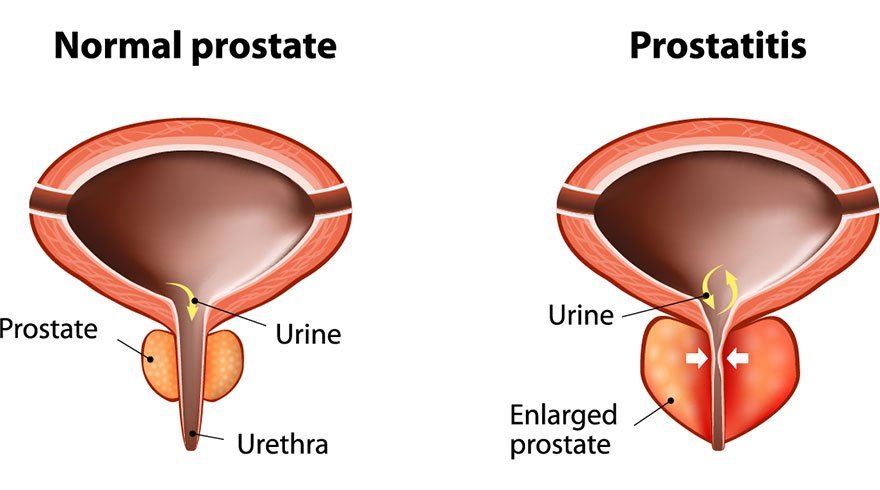
    One of the commonest types of cancer in men is prostate cancer. The prostate is a type of small gland present part of the male reproductive system. Often there is rarely any symptom that can be noticed in the early phase of cancer. However, few signs can signal that something is wrong and serious in the prostate. Also, the warning signs may differ from one man to another for prostate-specific androgen, and digital rectal tests are important.

    Prostate cancer can be treated easily if detected at an early stage. Effective drugs like abirapro 250 mg should be taken as prescribed by the doctor. Even in the case of noncancerous prostate conditions such as prostate enlargement, medical attention is required as delay in this type of serious condition can worsen your case.

    Following are the five potential warning symptoms of prostate cancer.


    • Blood in semen or urine
    • Burning painful sensation during ejaculation and urination
    • Erectile dysfunction (quite sudden)
    • Frequent urination, which happens mostly at night
    • Facing difficulty in starting or stopping urination

    Some other early symptoms of prostate cancer consist of a weak flow of urine and painful experience around the prostate when sitting. If cancer starts spreading beyond prostate glands, the person will also experience swollen lower body parts, bone or hip pain, weight loss, and abnormal urinary or bowel habits. In such cases, abiraterone 250 mg is prescribed by physicians to delay the warning signs and prevent the cancerous condition from worsening.

    Are there any risk factors for prostate cancer that has to be considered? 

    Researchers of cancer have detected several risk factors in men, increasing their chance of developing this type of cancer in prostate glands. However, you need to keep in mind that if you are experiencing any one or two risk factors, it doesn’t mean that you’ve got this disease. It is important to get all screenings for prostate cancer. If you have prostate cancer, you need to take highly effective medicines like abirapro 250 mg (abiraterone acetate).

    Age

    It has been found that prostate cancer is a serious disease that occurs in elderly men, and the majority of cancer cases occur in men who are older than sixty-five. The likelihood of people having prostate cancer increases after the age of fifty. There are very few cases of men in the age of 30s to suffer from prostate cancer.

    Race/ethnicity

    As per the American Cancer Society reports, the Caribbean and American men have higher risk factors for developing prostate cancer than other factors. On the other hand, Hispanic and Asian American men have low rates of prostate cancer compared to non-Hispanic races.

    Family history

    Although prostate cancer can occur without a family history, men whose brother or father has been diagnosed and treated with prostate cancer have a higher risk of developing prostate cancer.

    What should you do if you are diagnosed with prostate cancer? 

    If you observe any of the above warning signs of prostate cancer or have the risk factors, consult with your physician. Timely medical intervention and medication like abirapro 250 mg are important.

    Treatment of prostate cancer

    Doctors are aware of abiraterone acetate uses (abirapro 250 mg), so they prescribe this medication to men with prostate cancer. Prostate cancer may not show signs in the early phase, and so cancerous cells multiply and spread around the glands. abirapro 250 mg work by delaying the symptoms and preventing the multiplication of cancerous cells.

    abirapro 250 mg

  • Is Gastrointestinal Stromal Tumor Curable?

    Is Gastrointestinal Stromal Tumor Curable?

    Sunitinib Capsule

    Cancer is an extremely dangerous disease that is caused due to development of abnormal cells which continue to multiply inside the body and destroy the normal body tissues. It can spread to other parts of the body through blood or lymph. There are many types of cancer. One of such is the Gastrointestinal Stromal Tumor. According to the data presented by WHO, many cancer deaths are caused by not getting enough physical activity, low consumption of fruits and vegetables, tobacco, and alcohol.

    Gastrointestinal Stromal Tumor

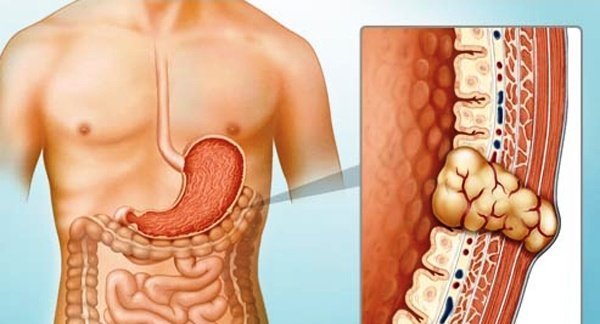
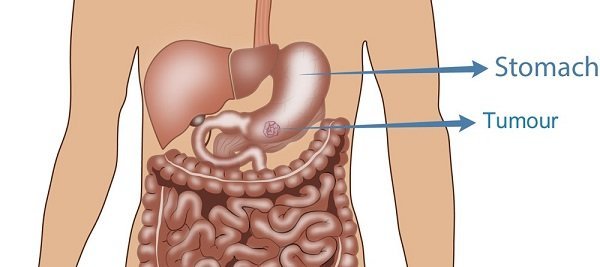
    Gastrointestinal Stromal Tumor is a type of cancer, and it is the most common primary mesenchymal tumor of the digestive system of the gastrointestinal tract. These tumors mostly occur in older adults, with a median age of about 60-65 years, and are equal in men and women.

    This tumor is rare but can be managed well if treated with an experienced and good team of doctors. Before getting cured, the patient should know their treatment plan. The treatment options and healthcare depend on numerous factors such as type, stage of the tumor, side effects possible, medical history of a patient, and patient’s current health. The best treatment is chosen also looking at the features of the tumor present like genetic function, size, the number of cells divided, location, and whether it has spread or not.

    The different types of treatments for such tumors are mentioned below:

    • Surgery

    It is the removal of the tumor, and some healthy tissues present around it during the operation. A doctor specializing in treating cancers and tumors through surgeries is known as Surgical Oncologist. Surgery is performed only if some limited amount of tumor is present inside the body and its location is traceable. For localized tumors, surgery should be performed at the earliest to prevent further damage. It is difficult to cure if the tumor is present in various locations.

    • Therapies Using Medication

    The medicated treatments kill the tumor cells present inside the human body. These medications may be given through mouth, as a pill or a capsule, or through the bloodstream, by an intravenous tube placed through a vein. Medical oncologists are the specialized doctor for such kinds of treatments, and the advisory of such doctors gives the medicines. The medications used for curing through the treatment are continually evaluated, and a check is always on there on the medicine and the patient. The patient should always talk with their doctor to know their medication plans and scenarios before getting an overview of the treatment.

    • Targeted Therapy

    Such therapy treatment targets some particular genes, cells, tissues, or their environment to block the growth and spread of cancer cells and limit the damage to some extent to the other healthy cells of the body.

    • Chemotherapy

    It involves using drugs to kill cancer cells and prevent them from growing and dividing among healthy cells. But standard chemotherapy is not suitable for Gastrointestinal Stromal tumors, and this technique should be avoided.

    • Radiation Therapy 

    This therapy uses high x-ray energy to destroy cancer cells. The specialized doctor in this field is called a radiation oncologist. The radiation given from a machine outside the body is called external beam radiation therapy. When the radiation is given using implants, it is internal radiation therapy or brachytherapy.

    Most important medicine- Sunitinib capsule

    Sunitinib capsule is a drug used to cure gastrointestinal stromal tumors, with proper medical advisories about the medicine from the doctor. Sunitinib capsule is a kind of targeted therapy where medicine is given to kill cancer cells through pills/capsules. According to one’s lifestyle, this medicine can be taken with or without food as advised by the doctor. Sunitinib capsule helps in the stages when cancer comes up again and again. It stops the growth of wrong cells and stops the growth within the blood vessels. Sunitinib capsule (Sunitinib Malate) can be proved effective against this tumor.

    Conclusion

    There are so many treatments to cure Gastrointestinal Stromal tumors, like how Sunitinib 50mg capsule uses its capabilities to fight against the illness. Still, in some critical conditions, even these treatments do not work. Such a scenario is terminal, and one may never recover from the disease. One might have to give their health priority from the beginning of their lives so that they do not face any such deadly or incurable diseases when they grow up. No one wants to live their life on hospital support. Everyone should be made aware and live a healthy lifestyle.

  • What are the Symptoms and Causes of Hepatitis C?

    What are the Symptoms and Causes of Hepatitis C?

    Symptoms of Hepatitis C

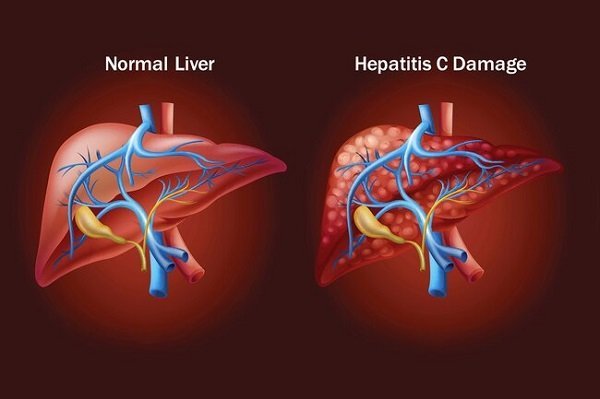
    Hepatitis C is a kind of contagious liver disease that can lead to liver failure, cirrhosis, and even liver cancer. Early diagnosis and treatment of hep C can help to prevent liver cancer. However, if this disease is left untreated, it can prove fatal. Hepatitis C is caused by the hepatitis C virus known as HCV. This virus causes inflammation, dysfunction, swelling, and damage to liver cells. As per sources hepatitis C is a common viral infection that affects people in the United States mostly, and approximately 2.4 million people are suffering from this disease, with most of them having no idea that HCV infects them.

    How is hepatitis C treated? 

    Hepatitis C virus can be transmitted from sharing needles or other equipment in a medical setting or through the blood to blood contact. It can be of short-term infection- an acute and long-lasting disease called chronic hepatitis C. Symptoms for acut

    hepatitis can last up to 6 months, and around 50% of the time, acute hepatitis C infection converts into a chronic infection. Although there are no medicines to prevent causing hepatitis C infection, there are effective medications like ledifos that can help cure hep C and reduce the risk of this infection.

    Ledifos tablet uses are greatly known in the medical field as it helps stop cancerous cells from multiplying and progressing to the advanced chronic stage. With modern treatments, hep C can be cured in most cases.

    Causes of hepatitis C

    HCV causes hepatitis C, and people may transmit this virus when they come in contact directly with contaminated blood. Following are the risk factors that can develop hepatitis C :

    • Using injectable drugs
    • Received organ transplant or transfusion before 1992
    • Exposure to healthcare equipment or needles
    • Babies who are born to mothers who are infected with hepatitis C.
    • Having sexual intercourse without taking barrier protection which can increase the chance of coming in contact with blood
    • Getting tattoos from an unregulated provider
    • Getting invasive healthcare techniques like injections. Research says that syringes must be cleaned, and sterile syringes should be used.
    • Sharing personal items like razors, toothbrushes, etc with others

    Symptoms of hepatitis c

    Hepatitis C can start from a mild fever or illness that lasts for a few weeks and can develop into a chronic and severe infection later. At the acute stage, people don’t show any symptoms of hepatitis C and remain unaware that they are affected by HCV and transmit the virus to others.

    Acute stage 

    Acute hepatitis is a stage where there are no symptoms of hepatitis C. This is why people don’t receive any diagnosis. Acute symptoms of hepatitis C are similar to viral infection and can include the following signs-

    • Dark urine
    • Fatigue
    • Fever
    • Nausea
    • Abdominal pain
    • Jaundice
    • Loss of appetite
    • Joint pain

    According to research, people with acute hepatitis C can clear the virus from their body without developing a chronic infection or other treatment.

    Chronic stage 

    If your body can’t clear this virus, acute hepatitis C develops into a chronic one. The chronic stage of hepatitis C shows no symptoms or can show general symptoms of hepatitis C like depression or chronic fatigue. It can be detected when the person goes for a routine blood test. Early treatment and diagnosis with regular medicines like sofosbuvir tablets 400 mg can prevent damage to the liver. If chronic hepatitis C is left untreated, it can cause liver scarring or cirrhosis, chronic liver disease, and liver cancer, so you can also opt for Ledifos buy online to get timely treatment for hepatitis C.


  • What is the Survival Rate of Non-Small Cell Lung Cancer?

    What is the Survival Rate of Non-Small Cell Lung Cancer?

    Non-Small Cell Lung Cancer

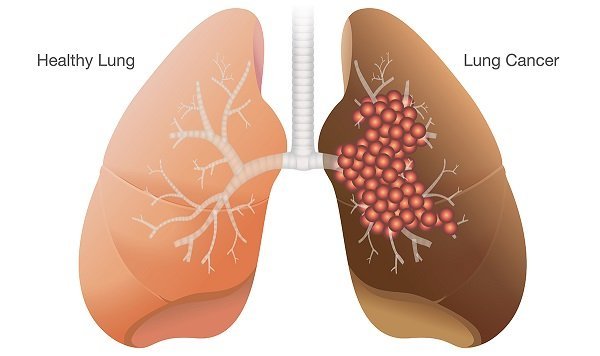
    Non-small cell lung cancer is also known as non-small cell lung carcinoma. The non-small cell means how cancer cells look under a microscope. When the cells appear small, they are known as small cell lung cancer or SCLC. As per research, non-small cell lung cancer or NSCLC, doesn’t spread rapidly like SCLC and therefore has a much better survival rate. Most people in the early phase of NSCLC can survive at least five years; however, the survival rate will be low if the cancer spreads to your tissues during diagnosis.

    What is the five-year rate of survival for NSCLC? 

    Five-year survival rate means a certain percentage of individuals infected with any cancer can stay alive for five years after diagnosis and treatment. Therefore, a five-year survival rate measures the deadlines for particular cancer. The average survival rate for non-small cell lung cancer cells is much higher than the survival rate of SCLC. As per some research, the five-year survival rate for NSCLC is relatively 25%. Several factors decide the survival rate for NSCLC-

    • Age
    • Overall health conditions
    • Extent of cancer
    • NSCLC subtype

    If the cancer is only limited to the lungs, then the 5-year survival rate for NSCLC is 63%. If cancer spreads to your body’s nearby tissues, then the survival rate is 35%, and if it gets spreads to maximum distant tissues, then the 5-year survival rate is 7%. With the advancement of drugs like Erlocip 100 and technology, the 5year survival rate for lung cancers has increased to 22.1 % from 11.5% between 1985-2013.

    Is there any treatable option for NSCLC?

    NSCLC can be treatable if treatment methods start before cancer spreads to other parts of the body. If it remains limited to only a small portion of your lungs, it is treatable with the help of surgery. The advanced stage of cancer needs additional advanced treatment methods. Following are the treatment methods for Non-small cell lung cancer that can improve the survival rate –


    • Laser therapy
    • Surgery
    • Radiation therapy
    • Photodynamic therapy
    • Immunotherapy
    • Chemotherapy
    • Electrocautery

    New treatment methods and radiosensitizers are in clinical trials now to improve the survival rate of Non-small cell lung cancer.

    Is non-small cancer lung cell slow-growing?

    As compared to SCLC, NSCLC is slow-growing and has a positive outlook. Several factors influence the speed of cancer progression among people. Timely detection of cancer and early treatment methods and taking effective medicines like erlotinib 100 mg regularly on recommendation of your healthcare provider help slow the rate of the quick progression of cancer to other parts of the lungs and tissues. If you leave NSCLC untreated, it will spread to other body parts and result in a low survival rate.

    Takeaway

    Non-small cell cancer lung cells are common lung cancer. It has a positive outlook if the cancer is detected before it starts spreading to your lungs and tissues. About ⅔ of people diagnosed with early phase cancer can survive for a minimum of five years. Advanced Non-small cell cancer is known to have a low rate of survival.

    If cancer spreads to the nearby tissues, then your chance of survival will drop to one in three, and if cancer spreads to other distant tissues, the chance of survival drops to one in ten. The treatment methods of Non-small cell lung cancer are improving with each passing day, and rates will rise in the upcoming future. Medicines like Erlotinib are helping to increase the survival rate over time.

    Non-Small Cell Lung Cancer

  • What is the Prognosis of Chronic Lymphocytic Leukemia (CLL)?

    What is the Prognosis of Chronic Lymphocytic Leukemia (CLL)?

    Chronic Lymphocytic Leukemia

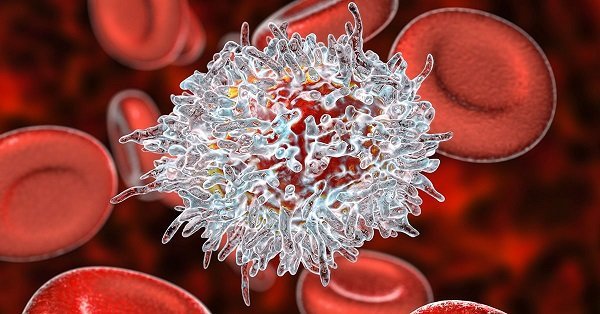
    CLL(Chronic lymphocytic leukemia) is cancer that adversely affects the bone marrow and blood. Bone marrow is a spongy and soft substance located within the bones that produces many blood cells. This cancer is mainly caused due to genetic mutation that takes place in the DNA of those cells which produces blood. The main cause of such mutations is not determined.

    A person’s bone marrow suffering from CLL produces ample Lymphocyte, which is a kind of white blood cell. Still, they can’t function effectively, which results in further problems by interfering with the production of other blood cells. Some symptoms of CLL are-

    • Weight loss
    • Large lymph nodes
    • Fever
    • Abdominal fullness
    • Frequent causing of infection
    • Night sweat
    • Tiredness

    What is the Survival Rate/Prognosis for CLL? 

    The survival rate for CLL is higher than other types of cancer. The survival rate of five years CLL affected patients are 83%. In other words, 83% of people dealing with this condition remain alive five years after diagnosis. But for the people beyond the age of 75, the five-year survival rate to drop less than 70%.

    Symptoms, disease risk, and age factors help determine treatment options. The doctor monitors CLL’s early stages and starts treatment as the situation progresses. Treatment may not start if early-stage cancer with low risk is detected by imaging tests, blood tests, and bone marrow biopsy. Patients in the advanced chronic lymphocytic leukemia stage with higher risk can improve their survival rate through different treatments. Treatments include combining chemotherapy drugs for killing cancerous cells. A bone marrow stem cell transplant is another treatment plan that helps stimulate the production of healthy blood cells.

    Outlook for Chronic Lymphocytic Leukemia

    Doctors detect the stage of cancer and see how patients respond to the treatment and specific genetic and cellular markers. They perform a diagnosis and stage the diseases in two systems: Binet and Rai. A B, C system is used in the Binet staging system. The Rai staging is common in the US that states five stages from 0-4. Stage 0 is s low-risk stage, the 1-2 stage has intermediate risk, while the 3-4 stage is a high-risk one. The more will be the risk, the more quickly the chronic lymphocytic leukemia will advance. Survival rates are more positive in young patients who have good health conditions, have favorable cellular markers, and have FCR combination chemotherapy.

    Treatment options for CLL

    Doctors recommend effective medication such as ibrutinib capsules (ibrunat 140 mg) and Nitib 140 mg, which treat CLL. Patients who have this cancer can get treated quickly with the consistent use of such medications.

    Why are Ibrutinib Capsules Prescribed? 

    There are many ibrutin uses, and it helps in the following treatment:

    • Treatment of MCL or mantle cell lymphoma, fast-growing cancer that develops in a person’s immune system cells.
    • Treatment of CLL Or chronic lymphocytic leukemia, which is a type of cancer that starts in white blood cells, and SLL, small lymphocytic lymphoma, which is a type of cancer that starts in lymph nodes.
    • Treatment of MZL or marginal zone lymphoma that, is a slow-growing cancer and develops in white blood cells, which protects your body against infection.

    Ibrutinib capsules belongs to a class of medicine known as kinase inhibitors which block the action of an abnormal and abrupt protein that lets cancerous cells multiply. Ibrutinib capsules helps in preventing the cancer cells to spread to the entire body.

     chronic lymphocytic leukemia

  • What is the Survival Rate of Gastrointestinal Stromal Tumors?

    What is the Survival Rate of Gastrointestinal Stromal Tumors?

    Gastrointestinal Stromal Tumors

    GIST are curable in the first stage. However, there’s a risk factor of recurrence. The five-year survival rate of patients suffering from GIST is around 83%; however, it may vary in factors and stage of GIST. This statistic is based on the people who have been diagnosed between the years 2010-2016.

    Nowadays, new therapies are developing with a personalized approach to offering effective treatment. GIST or Gastrointestinal stromal tumor is a type of cancer that develops in the GI or gastrointestinal tract.

    The outlook that people have towards GIST and survival rates can vary from one person to another. It mostly depends on the cancer stage on diagnosis and if the cancerous cells are dividing and growing rapidly. The overall outlook of people about GIST is improving as the targeted therapies of the new generation are introduced.

    The gastrointestinal stromal tumor survival rate

    There are three stages of GIST cancer, and the following are the statistics showing the survival rate of people who were diagnosed with GIST between 2010-2016

    • Localized 

    The survival rate in this stage is 93% since the cancer is known to remain in the organ from where it has begun.

    • Regional spread 

    The survival rate in this stage is 80%, as cancer is detected in the nearby tissue region.

    • Metastatic 

    The survival rate in this phase is 55%, and in this stage, cancer starts spreading to other parts of the body.

    As reflected in statistics, these survival rates can be better as more cancer treatments and effective medicines like Sunitinib Malate are developing and advancing for gastrointestinal stromal tumor at rapid rates.

    Outlook

    Doctors take the following factors into account for the diagnosis of gastrointestinal stromal tumor-

    • Location and size of the primary tumor.
    • If surgery can remove the tumor safely.
    • The rate at which cancerous cells are advancing.
    • Age of patient and health condition.

    GIST is a common disease usually in people beyond 40 years of age. However, teens, adults, and children can also be diagnosed with GIST.

    Whether GIST is curable or non-curable? 

    GIST is curable with positive survival rates if an early-stage tumor is only present that can be removed surgically without affecting the vital organs. Here a minimally invasive laparoscopic surgery is done. Many people make a complete recovery without the requirement to do further treatment. A surgery is enough to cure gastrointestinal stromal tumor that includes a tumor of less than two centimeters. However, cases will be recurring if tumors are bigger than 2cm in size. Cases will certainly be recurring for tumors that have a size of 10cm. Although the physician declares that you’re cured or cancer-free, you need to do consistent follow-up tests for monitoring recurrence.

    Some tumors can’t be removed surgically either because they have spread to other body parts or large. But the cancer is treatable and curable if targeted drugs like Sunicine are used to treat gastrointestinal stromal tumor. TKIs or tyrosine kinase inhibitors help shrink tumors, relieve symptoms, and slow the spread of cancer.

    Sunitinib – Description and Side effects

    A prescribed medicine that helps treat and cure gastrointestinal stromal tumors, neuroendocrine tumors, and renal cell carcinoma is Sunitinib. It belongs to a class of drugs referred to as Tyrosine Kinase Inhibitor.

    Sunitinib malate side effects

    Some common side effects of Sunitinib are-

    • Breathing difficulties
    • Fever
    • Loss of appetite
    • Skin pain
    • Swelling of lips, face, throat, tongue
    • Tiredness
    • Itching
    • Dark urine
    • Numbness, pain, redness
    • Unusual bleeding
    • Nosebleed
    • Red or purple spots
    • Jaundice
    • Decreased urination

    Consult a doctor immediately if you notice any of the above symptoms.

    Gastrointestinal Stromal Tumor

  • Hepatitis B Guide: Causes, Symptoms, and Treatment Options

    Hepatitis B Guide: Causes, Symptoms, and Treatment Options

    Hepatitis B Virus

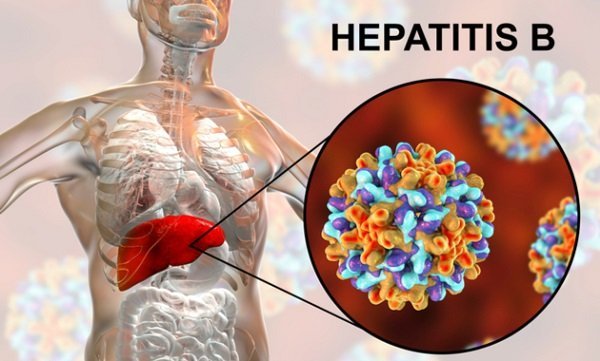
    Hepatitis is liver inflammation, and the hepatitis B virus leads to hepatitis B. The virus spreads when a person comes in contact with infected blood. Following are the ways which can transmit hepatitis B

    • Tattooing or piercing with contaminated equipment
    • Sharing needles with intravenous users of the drug
    • Coming in direct contact with an infected person’s blood
    • Having unprotected sexual intercourse with an infected individual
    • Sharing personal items like razors with an infected individual
    • Childbirth/ pregnancy when the virus gets passed on to the newborn from the mother.

    Hepatitis B virus can lead to either temporary infection or chronic long-term hepatitis. People infected with the hepatitis B virus may not notice any symptoms initially. The risk of hepatitis B virus can be dramatically reduced by Immunizing with the hepatitis B vaccine and effective medicine like Entekor 0.5 mg. 

    Infected people developing symptoms due to initial viral infection can have acute hepatitis, and many of them get cleared of this virus from their blood and liver. However, a minority of them who develops long-term infection suffer from chronic hepatitis B. In the case of chronic hepatitis B, symptoms disappear but later come back. Such people having chronic hepatitis B have the risk of passing the virus to others and remaining infectious. Some people don’t develop any disease symptoms and cannot get rid of this infection from their bodies. They are known as carriers and may pass this infection to others.

    Symptoms of hepatitis B

    Acute hepatitis B 

    Acute hepatitis B symptoms include the following

    • Fatigue
    • Loss of appetite
    • Fever
    • Itching
    • Vomiting
    • Abdominal pain
    • Headache
    • Sleep disturbance
    • Nausea

    Chronic hepatitis B

    These signs and symptoms can be followed by a disease named jaundice, in which the affected person observes yellowing of skin, eyes, and darkening of urine. Most people recover from acute hepatitis. But one out of ten adults may get chronic hepatitis in which people remain infected by the virus and develop chronic liver disease, so there remains a risk to pass the virus to others. Following are the symptoms of chronic hepatitis-

    • Aching joints
    • Fatigue
    • Ill feeling
    • Jaundice
    • Low appetite

    A minority of people with chronic hepatitis can also get liver cirrhosis, a scarring of the liver that causes poor functionality of the liver. Such people can have symptoms of serious and advanced liver infection along with the following symptoms-

    • Swelling in legs
    • Jaundice
    • Accumulation of fluid inside the abdomen
    • Gastrointestinal bleeding

    People having hepatitis B and developing liver cirrhosis have a great risk of developing liver cancer.

    Diagnosis

    Blood tests help confirm the diagnosis of hepatitis B. Performing these tests helps detect hepatitis B in the bloodstream. The blood tests detect antibodies which are proteins produced by the immune system to attack the hepatitis B virus. People mostly recover from acute hepatitis infection within three months.

    Treatment

    There isn’t any permanent cure/treatment for acute hepatitis B. Treatment helps to reduce the level of virus present in the body and eases inflammation which causes hepatitis B symptoms. A small number of people with acute hepatitis B need hospitalization and develop liver failure, leading to liver transplants and even death. Doctors use antiviral medicines to treat chronic hepatitis B. Some antiviral drugs like entecavir are highly effective in treating chronic hepatitis B and entecavir 0.5 mg uses are wide to reduce the viral load in blood. Entecavir 0.5 mg price may differ based on different brands.

    Hepatitis B virus