Author: Gandhi Medicos

  • What are the Different Stages of HIV Infection?

    What are the Different Stages of HIV Infection?

    Human Immunodeficiency Virus

    HIV infection symptoms will vary considerably from person to person and therefore do not appear for months or years in some people.

    If HIV infection is not treated with medicines like dolutegravir 50 mg, it will advance through the phases described below. Viral replication causes greater and more harm to the body’s immune system without antiretroviral treatment for HIV.

    However, you can keep the infection under control and prevent it from spreading further with the proper medication like Dolutegravir. The sooner you begin treatment after testing positive, the better your chances of success. Below are four primary stages of HIV Infection:

    1. Acute HIV Infection Stage

    Early signs of HIV can cause nausea and vomiting. Around 1-4 weeks after you get Human Immunodeficiency Virus, you will feel sick. Many of these symptoms don’t last very long (a week or two). Some individuals face just a few symptoms, while others experience none at all.

    Symptoms can be:

    • There was a fever (a rise in temperature)
    • Sore Throat
    • Lots of pain in your head, stomach, and your joints.

    You have infectious cells associated with HIV all over your body. They occur because your body is fighting with HIV. This is called seroconversion, and it happens when your body makes antibodies to fight the virus, like HIV antibodies. It can take up to only a few months for this process to occur.

    Having these signs by itself does not mean that you have Human Immunodeficiency Virus, but they are signs you might get if you are infected. Consult your healthcare professionals or go to the hospital and take a test to determine if you have HIV or not. You should always see your doctor if you’re worried about it or believe that you’ve been at risk for having HIV, even though you don’t feel sick and don’t have any signs. They can then set up a time for you to get checked out.

    An Human Immunodeficiency Virus (HIV) test does not always make an appearance at this preliminary phase. You might have to test once again later to make absolutely sure that your results are correct. Your doctor or nurse will talk to you about when your test will be and answer any questions you possess. If you’re concerned about HIV, don’t wait to consult with a healthcare professional.

    In the early stages of the infection, your bloodstream has a high concentration of Human Immunodeficiency Virus (HIV), making you more likely to transmit the virus to others. The best way to maintain yourself and your partner safe while having sex is to use contraceptives, specifically when you suspect that you’ve been infected with HIV.

    2. Asymptomatic Stage Of HIV

    The asymptomatic stage of HIV infection has no visible, noticeable symptoms, as the name implies. This stage can continue for several years (in general, 8 to 10 years), and many individuals are unaware that they are infected until they have an Human Immunodeficiency Virus (HIV) test. Even if a person appears to be in good health, HIV continues to damage their immune system and affect other parts.

    3. Symptomatic Stage Of HIV

    An infected person’s immune system becomes significantly damaged by the third stage of Human Immunodeficiency Virus infection. They’re more susceptible to get major illnesses or diseases that perhaps the body might normally be capable of fighting off at this time. Opportunistic infections are the term for these infections.

    Amongst some of the signs and symptoms are:


    • Loss of Weight.
    • Diarrhea for a long time.
    • Sweats at night
    • Fever/Sickness.
    • Coughing for a long time
    • Problems with the mouth and skin
    • Infections occur often.
    • A severe sickness or disease

    4. The Final Stage [AIDS]

    AIDS is the most advanced, most dangerous, and final stage of Human Immunodeficiency Virus (HIV) infection. The body cannot fight against opportunistic infections since HIV has severely impaired your immune system. If a person’s CD4 count is less than 200 cells/mm3 or whether they have specific opportunistic diseases, they will be diagnosed with AIDS.

    Once individuals are diagnosed with AIDS, they will have a higher viral load and are extremely susceptible to transmitting HIV to others. People with AIDS have a three-year survival rate if they do not receive any therapy, treatment, or medication.

    Naivex (Dolotegravir) is a pharmaceutical drug which is used in combination with other drugs to cure HIV infection.
     

  • Medication to Treat Chronic Hepatitis C

    Medication to Treat Chronic Hepatitis C

    Chronic Hepatitis C

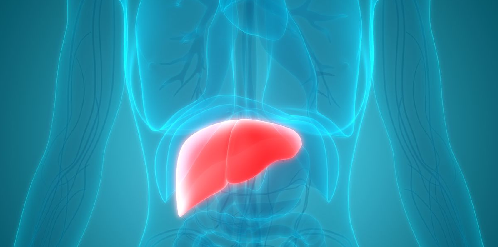
    Hepatitis is a condition that causes inflammation of the liver due to viral infection. The Hepatitis C Virus (HCV) causes Hepatitis C, which spreads through contaminated blood. Hepatitis C can both be acute and chronic, depending on its severity. Chronic Hepatitis C can lead to chronic conditions if left untreated, like liver necrosis, liver cirrhosis, liver cancer, and even death.

    Acute Hepatitis is a short-term disease in which generally the virus gets clear on its own by the body, but most people will develop a chronic infection.

    Whereas Chronic Hepatitis can last for years or maybe lifelong and can grow more fatal if untreated.

    Needles are the biggest risk factors for the transmission of chronic Hepatitis C. Therefore, the people who use syringes in day-to-day life are at higher risk to get chronic diseases like the people who inject illicit drugs for abuse, get tattooed, etc. Other risk factors can be having HIV, being born to a mother who had Hepatitis C infection, etc.

    Hepatitis C is also known as “a silent virus” as decades can pass by, and it can remain in your body without causing symptoms. Due to the lack of symptoms, approximately 75%-85% of HCV infections cases become chronic. Although the acute phase doesn’t show any symptoms when they appear, they can be fever, abdominal pain, nausea, vomiting, loss of appetite, dark urine, clay-colored stool, jaundice, joint pain.

    The treatment of this Chronic disease includes antiviral medications according to the severity of the disease, if the infection has become lethal, the last choice can be a liver transplant.

    Ledifos Tablet is currently a very well-suited medication for the treatment of chronic Hepatitis C. It contains Ledipasvir (90mg) + Sofobusvir (400mg). The combination of Ledipasvir and Sofosbuvir is due to the synergistic effect. Both these drugs inhibit the virus Hepatitis C and restrict them from causing more damage to the liver. Ledipasvir absorbs within 4 hours and 30 minutes after entering the system. The binding affinity of 99.8% binds efficiently with HCV cells without any fuss. It begins its activities by specifically restricting the multiplication of viral cells by inhibiting NS5A protein.

    Once these activities are done, and the viral load is suppressed, more than 50% of the drug is expelled from the body in 47 hours. Both of them have exactly the same mechanism of action and work synergistically together against the Hepatitis C Virus. Although Sofosbuvir differs in some aspects, absorption time is less up to 30 minutes to 2 hours with 60%-65% of binding affinity with HCV cells. Sofosbuvir inhibits NS5B protein, and its excretion time is somewhere up to 40 minutes to 27 hours for 50% of the drug. Although Ledifos tablet has a favorable safety profile, it has minimal side effects but can still show side effects like fatigue, headache, weakness. Other severe side effects which require immediate medical attention are bradycardia and hepatitis B viral reactivation.

    Although there is no vaccine for chronic hepatitis C, the treatment has improved to a really good level, providing the patients with relief. The awareness of the disease will also help inhibit the chronic phase and further fatal conditions to the liver.

  • Small Cell vs Non-Small Cell Lung Cancer

    Small Cell vs Non-Small Cell Lung Cancer

    Erlonat Tablet 100 mg (Erlotinib) for Lung Cancer

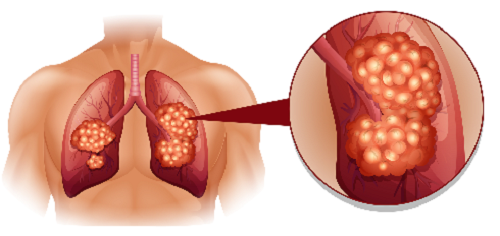
    Lung cancer is divided into two types: Small Cell and Non-Small Cell.

    Small cell lung cancer is a disorder in which malignant (cancer) cells develop in lung tissues. Small cell lung cancer is divided into two categories. These two categories of cells contain a wide range of cell types. Each type of cancer cell grows and spreads uniquely. The many varieties of small cell lung cancer are called after the different types of cells seen in the tumor and how they appear under a microscope.

    • Small cell carcinoma (oat cell cancer).
    • Combined small cell carcinoma

    After a diagnosis of small cell lung cancer, tests are performed to see if cancer cells have spread throughout the chest or to other areas of the body. Small cell lung cancer is diagnosed using some of the same techniques used to stage the illness. Staging is the procedure for determining whether cancer has migrated from the chest to other body regions. MRI of the brain, CT scan, PET scan, Bone scan.

    Small cell lung cancer is classified into the following stages:

    • Limited-Stage Lung Cancer with Small Cells

    Cancer in the limited stage has migrated to the space between the lungs or the lymph nodes above the collarbone from where it began in the lung.

    • Small Cell Lung Cancer in the Advanced Stage

    Cancer has gone beyond the lung, the space between the lungs, or the lymph nodes above the collarbone to other parts of the body at the widespread stage.

    • After treatment, small cell lung cancer might recur (come back).

    Cancer may return in the chest, central nervous system, or other body areas.

    Non-Small Cell Lung Cancer

    NSCLC (non–small cell lung cancer) accounts for over 85% of all lung cancers. NSCLC is classified histologically into adenocarcinoma, squamous cell carcinoma (SCC), and large cell carcinoma. Patients with NSCLC should get a comprehensive staging workup to determine the degree of their disease, as stage influences therapy options. Treatment options include surgery, chemotherapy, endoscopic stents, radiation therapy, targeted treatments, and immunotherapy.

    Major differences between Small and Non-Small lung cancer:

    • Under a microscope, malignant cells in a person with small cell cancer seem small and spherical whereas, non-small cell lung cancer cells are bigger.
    • Small cell lung cancer is, on average, more aggressive than non-small cell lung cancer. Small cell lung cancer spreads more rapidly than non-small lung cancer.
    • Small cell lung cancer symptoms and non-small cell lung cancer symptoms are similar. The symptoms include a persistent cough, hoarse throat, shortness of breath and wheezing, chest pain and discomfort, loss of appetite, swelling in the veins of the face and neck, etc. Symptoms may not develop until cancer has progressed to a later stage.
    • Small cell lung cancer has 2 stages of diagnosis: the limited stage and the extensive stage. Non-small cell lung cancer has 4 stages of diagnosis: stages 1, 2, 3 and 4.
    • Treatments for small cell lung cancer mainly include chemotherapy, radiation therapy, surgery. Whereas treatment for non-small cell lung cancer includes surgery, chemotherapy, immunotherapy, targeted treatments, radiation therapy, and endoscopic stents.

    Erlonat tablet 100mg is used to treat non-small cell lung cancer that has progressed to other body parts or is locally advanced. Erlonat tablet should be consumed one hour before or two hours after a meal. Diarrhea is a possible side effect.

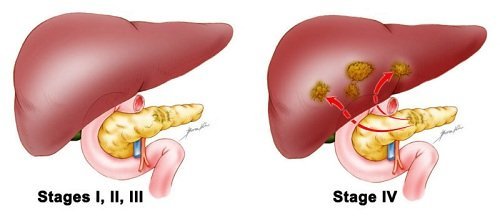
    Erlonat tablet (Erlotinib ), often known by the brand name Tarceva, is a type of targeted cancer medication. Erlonat tablet is used in conjunction with the chemotherapeutic drug gemcitabine to treat non-small cell lung cancer (NSCLC) that has spread (advanced) and advanced pancreatic cancer.

  • What are the 5 Common Warning Signs of Prostate Cancer?

    What are the 5 Common Warning Signs of Prostate Cancer?

    Warning Signs of Prostate Cancer

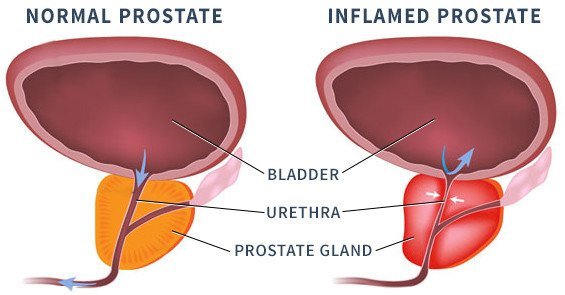
    Cancer has one of the leading factors of untimely death in the world. It needs to be addressed as soon as possible as this is a noncontagious, deadly disease. Prostate cancer is a very common cancer faced by my men. The symptoms of prostate cancer surface at a later stage, making it worse. But certain signs and symptoms indicate that something is wrong within the prostate.

    5 common symptoms experienced in prostate cancer are as follows: –

    1. Feeling extreme pain during sex(ejaculation) and urination
    2. Urge for frequent urination during the night
    3. Having pain and difficulty starting urination
    4. Experiencing erectile dysfunction
    5. Presence of blood in urine and semen.

    There are a few more symptoms I would like to include. People with prostate cancer can experience weak urine flow and pain when sitting in the prostate area. If cancer has spread far beyond the prostate area, one would have swelling and pain in the hip area, irregular bowel movement, and huge weight loss without trying to lose weight.

    What should be done if any of the above symptoms persist?

    If any symptoms persist, you should contact a physician very soon. You don’t need to have cancer if you show any symptoms, but any other prostate condition needs medical attention. Like any other type of cancer, this can also be treated effectively if detected early.

    Medication for prostate cancer

    Claude 50 is a good medication for prostate cancer. It contains bicalutamide, which is an anti-cancerous drug. It inhibits the male hormones (androgens) such as testosterone to inhibit the growth of oncogenic cells. Bicalutamide 50 mg medication is only for men and should not be prescribed to women and children.

    Administration of bicalutamide 

    Bicalutamide 50 mg medicine is to be taken only after consulting a physician.

    The medication is to be taken by mouth with food or without the doctor’s direction. Bicalutamide 50 mg medicine is directed to be taken mostly once a day. This medicine is to be taken regularly every day without any failure. To remember, one should try to take medicine at the a fixed time daily. The dose must be fixed by a doctor, and increasing any dose by oneself might turn fatal. Over usage of this drug is to be avoided, leading to serious side effects. The skin and lungs can absorb this drug. Pregnant women should not handle or smell this drug. A newborn baby can also have serious consequences if left near the drugs.

    Side effects of this drug

    Like any other drug, this drug also has certain side effects, but one should always keep in mind that the benefits of Bicalutamide 50 mg medication are higher than the side effects, so it’s prescribed.

    Headache, sleeplessness, hot flashes, breast pain and swelling, nausea, diarrhea, stomach pain, weight loss, dizziness, and drowsiness are some of the side effects of this drug. If any side effects are observed, one should consult their doctors if any dosage can be altered.

    Precautions to be taken before consumption of this drug

    Before consuming calutide 50mg or bicalutamide 50 mg, one should go for an allergy test and let the doctor know if they have any previous allergies. The doctors check the medical history like diabetes, hepatitis, and cardiovascular disease (CVD) before prescribing this drug. The users of alcohol or drugs like marijuana should abstain as this drug already makes the patient feel drowsy and dizzy. This medication also makes the patient sensitive to the sun. One should also not drive any vehicle after intake of this medicine.

  • Types of Blood Cancer – Leukemia & Lymphoma

    Types of Blood Cancer – Leukemia & Lymphoma

    Blood cancer is a serious medical condition that affects the red blood cells and the bone marrow. The launch of blood cancer will change the normal functioning of these cells and affect the human body. There are three versions of the blood cells, platelets help in the proper clotting of blood at the time of the injuries, white blood cells help in infection preventives, and finally, the red blood cells help take oxygen to the tissues of the body. So once the versions of these blood cells get injured and do not work the way they should be working, it has a serious implication for the body. The use of ibrutinib is recommended for treating blood cancer.

    Analyzing the types of blood cancer

    The two main versions of blood cancer are:

    • Leukemia
    • Lymphoma

    Leukemia

    Individuals facing this condition produce many white blood cells. However, the extra cells that have been created do not serve the purpose of fighting infections. So based on the type of blood cells that get affected, the following are the versions of Leukemia:

    • Acute Lymphocytic Leukemia: Here, the lymphocytes serve as the starting point for this version of Leukemia. Here, the disease progresses can be too quick if the right treatment is not received at proper time.
    • Acute Myeloid Leukemia: Here, the starting point is the myeloid cells that usually grow into other functioning cells like red blood cells or platelets. However, this version of Leukemia will reduce all the blood cells of the body. It is a quickly growing version of Leukemia.
    • Chronic Lymphocytic Leukemia: It is one of the commonly seen Leukemia versions among adults. It is slow growth, and the body will show no major symptoms in the initial years until they get older.

    Lymphoma

    It is a version of cancer that mainly affects the body’s lymphatic system. The lymph system is a major network containing lymph nodes and the spleen. Here the starting point for this type of cancer is in the white blood cells, whose main function is to prevent the onset of infections in the body. The different versions of Lymphoma are:

    • Hodgkin’s Lymphoma: Here, the starting point of the cancer is in the B cells. These B cells are also called B lymphocytes. These are the cells that help the body create the proteins that will be helpful for the body to keep off infections and fight the foreign germs that enter the body. So people experiencing this cancer were observed to have large lymphocytic cells in the body.
    • Non-Hodgkin’s Lymphoma: Here, cancer can start in the B cells or the T cells. It is more common in individuals than Hodgkin’s s leukoma.

    It is often seen that individuals who have a weaker type of immune system are more vulnerable to exposure to Lymphoma. People aged 15-30 and more than 50 were observed to get exposed to this cancer.

    Treatment methods for the blood cancer

    • Chemotherapy: It is one of the main treatments of cancer.
    • Radiation therapy: Use targeted X-rays or other high-energy beams to destroy the leukemia cells.
    • Use of Nitib 140 mg for the treatment of blood cancer
    • Use of bone marrow transplant which is observed as an attempt to re-launch the healthy version of the stem cells and the replacement of the unhealthy versions of the bone marrow
    • Clinical trials help in discovering new types of treatment for fighting cancer.
  • What percentage of Prostate Cancer is Castration-Resistant?

    What percentage of Prostate Cancer is Castration-Resistant?

    Abiraterone 250 mg

    Prostate cancer is the most common type of cancer that initiates in the prostate gland cells, which is found only in males. The prostate gland is a tiny walnut-shaped gland that produce seminal fluid that helps in the locomotion and nourishment of the sperms.

    CRPC i.e. Castration-resistant prostate cancer, is a developed form of prostate cancer. The cancer is no longer entirely responding to medications that down testosterone, with CRPC. It certainly shows the indications of growth, such as increasing prostate-specific antigen even with low testosterone levels. Among prostate cancer patients, almost 10% to 20% are castration-resistant, and among them, 16 percent of the patients do not show evidence for cancer stretching out at the time of diagnosis of castration resistance.

    Abiraterone acetate can help to treat metastatic castration-resistant. Abiraterone acetate tablets advance survival for metastatic castration-resistant prostate cancer (mCRPC) patients before and even after chemotherapy. It has a favorable impact on patients’ health-related aspects of life and anguish.

    Abiraterone acetate tablets 250 mg

    Abiraterone 250 mg is a medication used for the treatment of prostate cancer. Precisely it is used concurrently with corticosteroids for mCRPC (metastatic castration-resistant prostate cancer) and mCSPC (metastatic high-risk castration sensitive prostate cancer). It is a steroidal compound having antiandrogen activity.

    Abiraterone impedes the enzymatic action of steroid 17 alpha-monooxygenase that catalyzes the steroid intermediates 17 alpha-hydroxylation, which is involved in testosterone synthesis. It simply works by avoiding the production of androgen i.e. male hormone, which is certainly done by hindering the CYP17 enzyme. This is how it helps to slow down the advancement of prostate cancer. The price of Abiraterone 250 mg is Rs. 28500/bottle.

    Administration of Abiraterone tablets

    Dosing may be diverse as per the patient’s condition. This is an oral dosage form medication. It must be taken as directed by the physician. Consume the medication via the mouth on an empty stomach at least two hours after or one hour before a meal. This tablet should be taken once a day. Consuming Abiraterone 250 mg with food can thoroughly increase the amount of this drug in the body and advance the risk of side effects. Do not break, chew or crush the tablet and swallow it as a whole. Do not miss a dose and take medication on time. Do not overdose with the medication.

    Side effects of Abiraterone 250 mg

    Most of the patients consuming Abiraterone  250mg may experience some common side effects. The side effects of Abiraterone acetate are always predictable based on the onset, duration, and severity of the tablet. These side effects are often reversible and may go away as the therapy progresses. These side effects may be relatively manageable. There are various alternatives to prevent or minimize Abiraterone’s side effects.

    Some common side effects are as follows:

    • Fluid retention
    • Intensified liver enzymes (AST)
    • Increased triglycerides

    Some less common side effects:

    • Discomfort
    • Muscle aches
    • Joint swelling
    • Diarrhea
    • Cough
    • Urinary tract infection
    • Peripheral Edema means swelling of feet and hands
    • Hypokalemia
    • Increased ALT

    Contact the physician immediately if any of the following side effects are experienced

    • Chest pain or irregularity in heart rate
    • Difficulty in breathing
    • Higher Fever and chills
    • Dizziness
    • Significant headache
    • Severe fatigue
    • Increase in blood pressure
    • Unusual bruising or bleeding
    • Yellowing of eyes or skin
    • Change in stools

    Precautions to be taken while consuming Abiraterone 250 mg

    • Tell the doctor about any medications before starting this medication if any medications are going on.
    • This medication strictly should not be taken by pregnant women without the proper consultation of a physician. While the ongoing treatment of this drug, getting pregnant or breastfeeding should be avoided.
    • The risk of QT prolongation may increase if the patient has certain medical conditions. So consult the doctor.
    • Men should use a condom or other birth control method during treatment as excretion of abiraterone acetate in semen is not known. Therefore, proper precautions should be taken.
  • Are People with HIV at Higher Risk for Heart failure?

    Are People with HIV at Higher Risk for Heart failure?

    HIV is a human immunodeficiency virus and can lead to Acquired immunodeficiency syndrome (AIDS) that attacks the body’s immune system and weakens the victim to fight against the infections.

    The cardiovascular influence for the patients with HIV prolongs to end-stage situations like heart failure or cardiac arrest. A recent study has found that the patients who are HIV positive are at a higher risk of heart failure as compared to the people who are not victims of this virus. According to this study findings, the maximum number of patients with HIV are prone to develop cardiac failure compared to the community without human immunodeficiency virus. Though HIV-positive patients are getting intensive care and medical attention, if by chance some misleading happens while checking the regular recovery and the risk factor of developing heart failure increases, it would be fatal. The Maraviroc is a medication generally given to HIV patients who have already obtained HIV treatment earlier.

    Maraviroc

    Maraviroc is an antiretroviral medication in the CCR5 receptor antagonist class used to treat human immunodeficiency virus. It is used in combination with other drugs in the therapy of HIV.

    Maraviroc would not prevent or cure AIDS or HIV infection; instead, it will help resist the reproduction of HIV and hence slow down the destruction of immune response. This will certainly assist in delaying the development of situations that generally occur from HIV or AIDS disease. This drug will not safeguard the patient from spreading AIDS to other patients. Though people receiving this medication will not lose much of their body’s immunity, they may persist in having some of the issues related to AIDS. This medicine is only allowed for dispensing if with a proper prescription.

    Mechanism of action of Maraviroc

    Maraviroc acts as an entry inhibitor. The maraviroc is CCT5’s negative allosteric modulator found on the distinct human cells. CCR5 is a chemokine receptor which is an essential co-receptor for maximum strains of HIV and mandatory for the entrance operation of the virus into the host cell. The drug blocks the gp120 HIV protein from correlating with the receptor by binding to CCR5. Thus, the virus cannot enter human host cells.

    Administration and dosage of Maraviroc

    This medication is available in both solution and tablet form. The dose of this medication differs according to the patient’s condition and the strength of the drug, which is prescribed properly by the respective physicians. Do not miss the dose.

    This medicine can be taken with or without food. If a tablet dosage form is consumed, then swallow it as a whole, do not crush, break or chew it and if liquid dosage forms, then the proper oral dose should be taken.

    Side effects of Maraviroc

    Along with the beneficial results, side effects can also be caused by a drug. According to the severity of the side effects, immediate medical attention is needed.

    The most common side effects of Maraviroc are as follows:

    • Hurting or burning of the skin
    • Body pain and aches
    • Headache
    • Loss of voice
    • Chills
    • Dizziness while getting up abruptly from a sitting or lying posture
    • Tenderness or pain around the cheekbones and eyes
    • Sneezing
    • Breathing issues
    • Runny nose and cough stimulating mucus
    • Fatigue and tiredness
    • Improper bowel movement
    • Loss or increase in appetite

    Some of the less common side effects of maraviroc are as follows:

    • Jaw, arm, or back pain
    • Itchy eyes that may feel dry or burning
    • Heaviness and chest pain
    • Dark colored urine or blood in the urine
    • Change in stools
    • Drowsiness
    • Rash and itchiness
    • Loss of taste
    • Anxiety
    • Seizures
    • Irritability
    • Heartburn
    • Weight gain or loss
    • Warts in the genital region

    Some side effects generally do not require medical attention and may go away with the treatment; however, seek proper medical attention if it lasts. And always consume the medicines only with proper prescription by the physician.


  • How to Manage Low Platelet Count due to ITP or HCV Infection?

    How to Manage Low Platelet Count due to ITP or HCV Infection?

    Trombopag 25mg/ 50 mg

    The decrease in the number of platelets due to the effect of the hepatitis c virus remains a great problem among individuals. There can be many problems introduced due to the effect of the virus. There can be the rise of many other diseases that can accompany the infection. In the patients that possessed a chronic form of the virus, there is an decrease in the count of the platelets. Thrombopoietin refers to a growth factor formed in the liver, and now it binds itself to the receptors present in the platelets. When there is a decrease in the count of the platelets, it leads to a rise in the level of the growth factor and kick starts the rise in platelets formation by the megakaryocytes. This condition can become serious when the liver patients reach a chronic stage.

    How can this situation be managed amid the HCV infection?

    In some cases, the patients that possessed a lower platelet count could not receive the treatment properly due to the introduction of the growth factor. So when the platelet counts go to a minimum, there is a high risk for the patient under the therapy via antivirals. Hence the treatment is likely to be interrupted at this stage. Once the count of the platelets goes down, there is a high probability that the patient will develop a chance of thrombocytopenia.

    The decrease in the platelet could be because it could be related to an advanced version of a disease. In such cases, even the retroviral therapies lead to a decrease in the number of platelets. Hence there are high chances for the ineffectiveness of the therapies in such situations. So the treatment might not be offered to them due to the rise in the risks. However, the solution for the problem has been brought in the form of Eltrombopag Olamine (trombopag) that has helped maintain the rise in the count of the platelets. Hence, receiving treatment effectively will benefit the patients for sure.

    Analyzing the benefits of the new drugs

    Trombopag 25 mg refers to a drug introduced to cure the low number of platelets observed in the patients due to the impact of the hepatitis c virus. These drugs help so that anti-retroviral therapies can also be offered to the patients along with the administration of these drugs. Hence it is a win situation since it can help the patients to receive better treatment and maintain the platelet count.

    How to administer the drug?

    Trombopag are taken in oral form. They are taken daily with water. However, the drug should be consumed only as per the doctor’s directions. It is better to consume the drug before consuming meals or milk products. The drug must be taken cautiously if the patient has experienced previous allergic reactions. It is better to take proper advice from the doctor before consuming the drug.

    Trombopag 50 mg also serves the same purpose and can help in raising the count of the platelet for the patients that were unable to receive an effective form of treatment. The side effects of the drug were not serious, as per the observations from the doctor. Commonly seen were nausea and rashes in the skin along with a slow loss of hair.

  • Erlotinib for Pancreatic and Lung Cancer: A first-line Treatment

    Erlotinib for Pancreatic and Lung Cancer: A first-line Treatment

    Erlotinib 150 mg (Erlotinib Tablet)

    The pancreas drips enzymes that help in digestion and secretes hormones required to regulate sugar metabolism. Pancreatic cancer initiates in the pancreatic tissues, but the most predominant type of pancreatic cancer begins in the cell linings of the duct carrying digestive enzymes. Lung Cancer begins at any part of the lungs. There are two major types of lung cancer: small cell lung cancer and non-small cell lung cancer that usually includes causes such as exposure to particular toxins, smoking, and ancestry history. Pancreatic metastases appear in the near end-stage of small cell lung cancer. Though it is rare, the major hazards of these lesions are obstructive jaundice and acute pancreatitis. For treating this pancreatic and lung cancer, Erlotinib 150 mg is used.

    The Erlotinib 150 mg is helpful and safe for non-smoker patients to treat advanced Adenocarcinoma.

    Erlotinib 150 mg is a specific tyrosine kinase inhibitor specified for Non-Small Cell lung cancer (NSCLC) and Pancreatic cancer medication. Erlotinib contains erlotinib hydrochloride, and it is a film-coated tablet. It is prescribed for the first-line therapy of sufferers with locally progressive or metastatic NSCLC (Non-Small Cell lung cancer) with EGFR (Epidermal Growth Factor Receptor) triggering mutations or for the patients with stable ailment after first-line chemotherapy. The Erlotinib price in India.

    Victims with locally developed and metastatic non-small lung cancer can take this drug with a combination of gemcitabine as a first-time therapy but only as per the proper prescription.

    Usage and Dosage of Erlotinib 150 mg

    Erlonat 150 mg or Erlotinib 150 mg is an oral dosage form, it must be consumed by the mouth because it is aimed at having a systematic effect, circulating to the various parts of the body through the bloodstream.

    For better effects, it is suggested to be taken at the same time every day, and it can be taken with or without food. Do not try to crush or halve the tablet before swallowing nor chew it swallow it as a whole. Take the medication as directed by the doctor.

    Medication should be kept going until the ailment advancement, or incompatible toxicity occurs.

    Side effects of Erlotinib tablets

    Dry skin, joint and muscle pain, dry eyes or irritation in the eyes or redness, diarrhea (sometimes severe conditions) may occur.

    Just keep in mind that your doctor has prescribed this medication by judging the benefits greater than the risk factor of side effects. Several patients dealing with this medication usually do not have severe side effects.

    Serious side effects of Erlotinib tablets

    Some of the serious side effects of the Erlocip 150 mg includes the following:

    • Kidney or Renal problems- change in volume of urine.
    • Signs of liver disease include nausea, loss of appetite, yellowing of skin/urine/eyes, vomiting, and stomach ache.
    • Shortness of breath
    • Chest or left arm pain
    • Weakness
    • Seizures
    • Signs of dehydration include dizziness, muscle cramps, etc.
    • Black stools, easy bleeding, eye pain, optical changes.

    Precautions while using Erlotinib tablets

    • Pregnant women should avoid Erlotinib 150 mg, and this drug is not suggested while they are breastfeeding.
    • Before consuming this drug, be sure you are not having any liver or kidney problems, eyes, stomach bleeding, or any lung or breathing issue.
    • If the patient is often smoking cigarettes, they are advised to stop smoking as smoking cigarettes shows reduced drug exposure.
    • This Erlotinib 150 mg should not be used in combination with platinum-based chemotherapy.
    • Patients are advised to quickly contact their doctor if any signs or symptoms such as redness in the eye, light sensitivity, eye pain, blurred vision, or visual changes are noticed.

    As Erlotinib 150 mg comes with certain usefulness and side effects, it should never be used without consulting a doctor or pharmacist.

  • Hepbest 25mg: A Drug for Long Term Hepatitis B

    Hepbest 25mg: A Drug for Long Term Hepatitis B

    HepBest 25mg (Tenofovir Alafenamide)

    Hepatitis B is a life-threatening liver infection caused by the hepatitis B virus (HBV). The virus causes damage and inflammation in the liver. The hepatitis B infection may continue for more than six months in some patients, which means the infection becomes chronic. Having a chronic HBV might increase the chance of liver failure, liver cancer, or cirrhosis (a disorder in which permanent scars are formed on the liver). Largely, adult patients recover completely even if their symptoms and signs are serious. While children and infants are more potential to develop long-lasting or chronic Hepatitis B infections.

    Hepatitis is a vaccine-avoidable liver infection. It can be transmitted via semen, blood, or other body fluids from an infected to a healthy person. The best way to stave off hepatitis B is by getting vaccinated. But now, a tablet named hepbest is used as a medication for chronic Hepatitis B.

    Hepbest 25mg

    Hepbest 25mg is an antiviral medicine used to treat hepatitis B infected patients, either adults or adolescents 12 years or older, weighing at least 35 kg. The hepbest 25mg includes tenofovir alafenamide, which is the antiviral medicament in the hepbest. Tenofovir alafenamide is an HBV (hepatitis B virus) nucleotide reverse transcriptase inhibitor to treat chronic hepatitis B infection in grown-ups or adults with compensated liver infection.

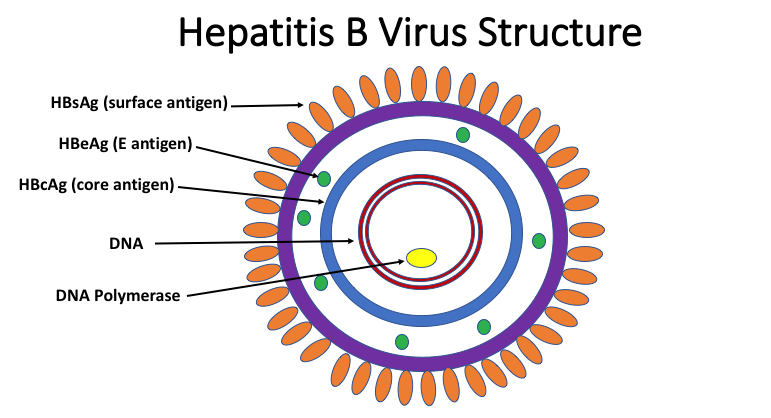
    The hepbest tablets inhibit the virus from propagating and hence control the infection. It interferes with the regular functioning of the enzyme DNA polymerase in Hepatitis B and reverses transcriptase in HIV that is crucial for the viruses for reproduction.

    The hepbest 25mg Mylan price is almost Rs. 1,099/ box comprising 30 tablets.

    Usage and dosage of Hepbest 25mg

    Always take the prescribed dose of hepbest 25mg as directed by your physician. It is an oral dosage form. Do not break, crush or chew the tablet and swallow the tablet as a whole with plenty of water. Some patients may take this medication by mouth with food prescribed by doctors as the adsorption of medicine in the body increases. The dosage may vary according to the patient’s condition and response to the medication. Before taking medicine, inform your doctor about your condition, all the prescribed or non-prescribed, or any herbal drugs you take daily for better diagnosis. For effective results, take your medication on time. Do not take less dose or overdose yourself than the prescribed dose.

    Side effects of Hepbest 25mg

    Most side effects do not need medical attention and vanish as the body adapts to the medicine. Some of the common side effects of hepbest tablets are as follows-

    • Diarrhea
    • Rashes
    • Itchiness
    • Bloating
    • Tiredness
    • Dizziness
    • Headache
    • Nausea
    • Stomach pain
    • Joint pain
    • Vomiting

    Among all the above-mentioned side effects, the most common is a headache, so to overcome this side effect, drink plenty of water. To overcome rashes, apply moisturizer daily to hydrate and soothe the skin and avoid hot water bathing.

    Precautions to be taken while taking Hepbest 25mg

    • A pregnant woman should not take this medicine without a proper prescription by a doctor.
    • Hepbest 25mg should be used with care by breastfeeding women and should not be consumed unless and until it’s very necessary with proper consultation of a doctor.
    • Alcohol consumption should be avoided while taking this medication.
    • If the patient has a severe kidney disorder, consult your doctor before consuming the medicine.
    • Do not take the medicine if you notice any severe allergic reactions to the medicine. Consult the doctor directly.
    • Do the HIV test if you are unsure whether you have it because alone this medicine can worsen the HIV infection. Therefore, a combination drug therapy is used for it.

    Lastly, consult your doctor or pharmacist before taking any medicine.