Author: Gandhi Medicos

  • Prostate Cancer: Symptoms, Causes, Types and Treatment

    Prostate Cancer: Symptoms, Causes, Types and Treatment

    Cancer refers to the unusual and abrupt growth of cell mass that starts to spread or metastasize to other body parts.

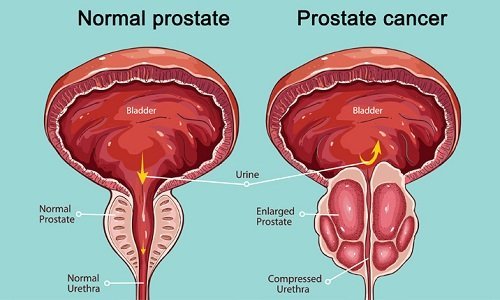
    For prostate cancer, this tumor develops in the prostate region. It forms just below the urinary bladder and in front of the rectum, occurring only in males as they have the walnut-shaped prostate gland.

    Symptoms of Prostate Cancer:

    In the early stages, this cancer shows no indications. However, as the ailment progresses, specific symptoms show up. They can include:

    • Frequent urination
    • Hematuria- urine in blood
    • Skeletal pain, primarily in the vertebrae, ribs, and pelvis
    • Nocturia- increased urination at night time
    • Fatigue and drowsiness
    • Anemia
    • Dysuria- pain during urination
    • Fecal incontinence

    Causes and Risk Factors:

    Prostate cancer may develop due to a variety of reasons. Some of them are:

    • Genetic Disposition: If an individual has a particular gene variant associated with prostate cancer, he becomes susceptible to developing the disease. Those with first-degree relatives, like fathers or brothers, suffering from the ailment have a higher chance of getting it. As such, it can pass on from one generation to the next.
    • High blood and testosterone levels: Men suffering from high blood pressure linked to lack of exercise or other associated disorders or having an elevated level of the male hormone testosterone in the blood are at risk of developing prostate cancer.
    • Obesity: Obesity is a primary factor that increases the death rate associated with prostate cancer by over 34%.
    • Age: Those in their advanced ages, predominately over 45 years, are more likely to suffer from the ailment.
    • Genetic Mutations: Abnormal changes in genes like hereditary prostate cancer gene 1 (HPC1), vitamin D receptor, and androgen receptor can lead to prostate cancer. TMPRSS2-ERG or TMPRSS2-ETV1/4 promote the growth of cancer cells, accelerating prostate cancer.
    • Infections: Infectious diseases like prostatitis and specific Sexually Transmitted Diseases (STDs) like syphilis, Chlamydia, and gonorrhea may enhance the possibility of getting prostate cancer.

    Types of Prostate Cancer:

    Predominantly, all prostate cancers are adenocarcinomas. They develop from the gland cells secreting the prostate fluid. In addition to it, its other types are:

    • Sarcomas
    • Neuroendocrine tumors
    • Small cell carcinoma
    • Transitional cell carcinoma

    Treatment:

    Enzalutamide is a non-steroidal antiandrogen (NSAA) drug that stops the effects of androgen, ceasing the growth and spread of cancer cells. Doctors use it in combination with castration to treat metastatic castration-resistant prostate cancer (mCRPC), metastatic castration-sensitive prostate cancer (mCSPC), and non-metastatic castration-resistant prostate cancer.
  • Prostate Cancer- A Treatable Health Condition among Men

    Prostate Cancer- A Treatable Health Condition among Men

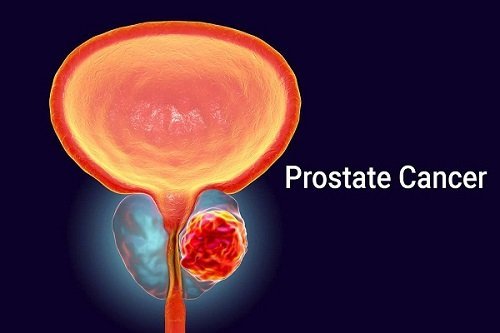
    The uncontrolled division of the cells causes cancer. Prostate cancer is the uncontrolled division and corresponding growth of prostate cells of the human body. Almost all types of prostate cancer fall under the category of adenocarcinomas- cancers that develop from the gland cells.

    Sarcomas, small cell carcinoma, neuroendocrine tumors, and transitional cell carcinoma are other types of prostate cancer. However, these are rare types of prostate cancer. Prostate cancer is most likely to develop slowly, though some cancers grow faster. Autopsy reports have shown that many men, both young and old, who died due to other reasons, had prostate cancer that neither they nor their doctors knew about.

    Risk factors for Prostate Cancer

    As one gets older, the risk of prostate cancer also increases. Prostate cancer is primarily seen in men above 50 years of age. If a person has a family history of prostate cancer, he may likely suffer from the same. A family history of breast cancer is an adequate factor for vulnerability to prostate cancer. Obesity may also lead to prostate cancer. Cancer becomes more aggressive in obese people and is more likely to return in them.

    Complications 

    Like other types of cancer, prostate cancer can lead to metastasis or the spreading of cancerous cells to other parts of the body. It can spread to the bladder, bloodstream, lymphatic system, bones, or tissues. Once prostate cancer spreads to the bones, it is likely to cause the bones to break. Moreover, it can also cause urinary incontinence and erectile dysfunction.

    Precautions against Prostate Cancer

    Though there are treatments for prostate cancer, it is better to be safe than sorry. Therefore, a few precautions can be taken to reduce the risk of prostate cancer.

    • Switch to fruits and vegetable-rich diet
    • Switch to healthy food over supplements
    • Regular Exercise
    • Maintain a healthy weight
    • Seeking medical advice about the increased risk of prostate cancer

    Medications

    Abiraterone acetate is a hormone therapy used for patients with advanced stages of prostate cancer, which has spread to other body parts. Abiraterone works by preventing the body from producing testosterone. It is a second-line therapy used when the patient has stopped responding to different types of hormone therapy. It is also sometimes prescribed for patients as the first treatment for prostate cancer. However, Abiraterone is not a cure for prostate cancer. Instead, it is a medication.

  • Cancer – A Curable Disease with the right Diagnosis and Medical Intervention

    Cancer – A Curable Disease with the right Diagnosis and Medical Intervention

    Cancer is used to denote the group of diseases that affect various parts of the body. It is caused by uncontrolled cell division and their spreading to other parts of the body. Since the disease revolves around cells, which are basic human body units, it can start from anywhere.

    Formation of Cancer

    Every cell has a specific function to perform and a period until it has to complete the process. After some time, the cell is instructed to die and give way to new and improved cells. Sometimes, the order is broken, and the message may not reach the cells. Then the cells will keep multiplying without dying, creating bumps on the body known as tumors. These tumors can be cancerous and non-cancerous.

    Cancerous tumors spread from the infected organ to other parts of the body and form tumors there. These tumors are called malignant tumors. In contrast, benign tumors are those tumors that are non-cancerous. They will not grow back after removing them through surgery, unlike malignant tumors. However, some benign tumors cannot be removed through surgeries like the benign tumor of the brain.

    There are over hundreds of cancers, each named after the tissue or organ they affect.

    However, there are a few broad categories into which cancers are classified: carcinoma, which are cancers formed on the inner and outer surface of the body; sarcoma, which targets the soft tissues and bones; leukemia; lymphoma; multiple myeloma; melanoma; and brain and spinal tumors.

    Sources of Cancer

    Cancer can be attributed to genetic changes in the body. It could be caused due to errors in a cell’s ability to divide, damages to the DNA due to external factors like UV radiation and chemicals from smoking, and inheritance from parents with a history of cancer.

    Young people are less likely to contract cancer as the body eliminates the cells with faulty DNA before becoming cancerous. However, this ability of the body slows down once a person gets older. Therefore, it is adults and older people who are at a greater risk of contracting cancer.

    Medication for Cancer

    Lenvakast is an anti-cancer drug prescribed against diseases like Differentiated Thyroid Cancer and Renal Cell Carcinoma. It is either prescribed to be used alone or with other prescription drugs for diseases like kidney cancer. The dosage varies according to the disease it is used against. However, the dosage can be reduced as instructed by the doctor if the side effects become severe.

  • Hepatitis C- Symptoms, Complications, Risk Factors, Transmission and Treatment

    Hepatitis C- Symptoms, Complications, Risk Factors, Transmission and Treatment

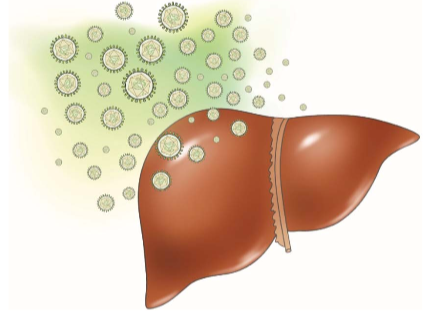
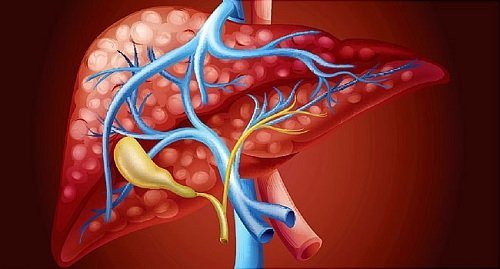
    Hepatitis C is a viral and transmissible disease caused by the Hepatitis C Virus (HCV). Chronic hepatitis refers to the advanced stages of the ailment if it is left untreated for extended periods.

    Symptoms of Chronic Hepatitis C:

    Although Hepatitis C shows little to no indications in the initial stages, a few symptoms appear as the disease progresses. Some of them include:

    • Continual bleeding
    • Yellow discoloration of the eyes and skin
    • Red or purple spots on the skin
    • Itchy skin and red palms
    • Fatigue, nausea, and dizziness
    • Loss of appetite
    • Dark color of urine
    • Light-colored stool
    • Fever and weakness
    • Easy bruising
    • Jaundice
    • Abdominal swelling and pain
    • Abrupt weight loss
    • Confusion, incoherent speech, and headache

    Complications due to Chronic Hepatitis C

    Untreated Hepatitis C can lead to a barrage of complications that may even turn lethal for the affected individual. They include:

    • High pressure in the blood veins of the liver (portal hypertension)
    • Spleen enlargement (splenomegaly)
    • Fluid collection in the stomach (ascites)
    • Multi-organ failure
    • Liver cancer or failure
    • Internal bleeding
    • Anemia
    • Cirrhosis
    • Loss of bone strength and weight
    • Type 2 diabetes
    • Blood discharge from mouth or rectum
    • Disproportionate swelling of the abdomen and legs
    • Toxin buildup in the brain (hepatic encephalopathy)

    Risk Factors of Chronic Hepatitis C

    It is a fact that Hepatitis C reaches a chronic state if untreated for a long time. Nevertheless, specific factors can make one susceptible to developing the ailment and lead to a worsened condition. A few of them are:

    • Excessive intake of alcohol and injection drug use
    • An undue and unwarranted buildup of fat in the liver
    • Obesity
    • Coronary artery diseases
    • Liver inflammation
    • Steroid treatments
    • Excessive buildup of copper and iron in the blood
    • Genetic disposition
    • Autoimmune disorders
    • Continued exposure to radiation

    Transmission of Chronic Hepatitis C:

    Chronic Hepatitis C can be transmitted from one individual to another through body fluids. Hence, its communication can be through the following methods:

    • Blood transfusions
    • Organ transplants
    • Shared personal items like toothbrush, razer, cutlery, and so on with the affected individual
    • Unprotected sexual intercourse
    • Passing of body fluid through kissing, used needles, etc.
    • Transmission from mother to child through the placenta

    Treatment:

    Doctors use a combination of 100 mg of Velpatasvir and 400 mg of Sofosbuvir, called Velpatasvir and Sofosbuvir, for the treatment of chronic Hepatitis C. It slows down the process of multiplication of the virus and stops it from spreading to other parts of the body.

  • Symptoms and Risk Factors of Renal Cell Carcinoma, Neuroendocrine Tumor, Meningioma and Gastrointestinal Stromal Tumor

    Symptoms and Risk Factors of Renal Cell Carcinoma, Neuroendocrine Tumor, Meningioma and Gastrointestinal Stromal Tumor

    Cancer is a genetic anomaly resulting in the unrestrained and abnormal growth of cell mass. This cell growth has the potential to spread to and invade the other parts of the body.

    In this article, let us discuss the symptoms and risk factors of four different types of cancer.

    Renal Cell Carcinoma

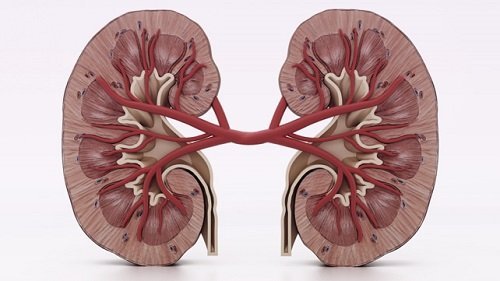
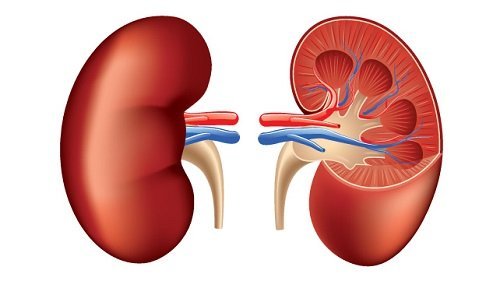
    Renal Cell Carcinoma (RCC) is the most common type of kidney of cancer, originating in the kidney, in the proximal convoluted tubule lining.

    Symptoms: 

    • Haematuria- blood in the urine
    • Pain on the side of the body, generally between the ribs and the hips
    • An increase in abdominal mass or bloating
    • Malaise- a general feeling of unwellness
    • Anemia
    • Hypertension
    • Hypercalcemia- elevated calcium level in blood
    • Recurrent fevers and chronic fatigue

    Risk Factors:

    • Obesity
    • High blood pressure
    • Exposure to certain chemicals like lead, cadmium, petrochemicals, chlorinated solvents, Polycyclic Aromatic Hydrocarbon (PAH)
    • Extended use of non-steroidal anti-inflammatory drugs (NSAIDs)
    • Genetic disposition to the ailment
    • Hyperparathyroidism-jaw tumor syndrome, sickle disease, Birt–Hogg–Dube syndrome, etc.

    Neuroendocrine Tumor

    Neuroendocrine tumors (NETs) are cancerous cell growths arising from the endocrine gland and nervous system cells. They originate in the intestine and are called carcinoid tumors and in the lungs, pancreas, and other parts of the body.

    Although there are different types of NETs, their overall symptoms are similar.

    Symptoms: 

    • Diarrhea
    • Congestive Heart Failure (CHF)
    • Flushing
    • Abdominal cramp
    • Bronchospasm- muscle tightening in the windpipe
    • Tachycardia- abnormally rapid heart rate
    • Breathing difficulties
    • Weakness, nausea, and weight loss
    • Neuralgia- severe irritation

    Risk Factors:

    • Excessive alcohol consumption
    • Exposure to radiation like during chemotherapy and radiofrequency ablation
    • Imbalanced diet and nutrient deficiency

    Meningioma

    Also known as a meningeal tumor, meningioma is a slow-growing cancerous cell growth forming from the meninges in the brain and spinal cord.

    Symptoms:

    • Seizures
    • Incoherent speech
    • Confusion
    • Dementia
    • Vision problems
    • Loss of bladder control

    Risk Factors:

    • Exposure to ionizing radiation
    • Genetic disposition
    • Neurofibromatosis type 2

    Gastrointestinal Stromal Tumor

    As the name suggests, gastrointestinal stromal tumors (GISTs) are a type of cancer that originates in the gastrointestinal tract.

    Symptoms:

    • Swallowing troubles
    • Metastases
    • Gastrointestinal bleeding
    • Abdominal pain

    Risk Factors:

    • Age
    • Gender- females are more susceptible
    • Genetic disposition

     Although the above four are different types of cancer, there is a generic medication for treatment. Sunitinib can cure renal cell carcinoma, neuroendocrine tumor, meningioma, and gastrointestinal stromal tumor. It works by interfering with a protein responsible for cell division and blocking the two processes that permit cancer cell growth.

  • HIV vs HBV- Symptoms, Transmission, Working, and Treatment

    HIV vs HBV- Symptoms, Transmission, Working, and Treatment

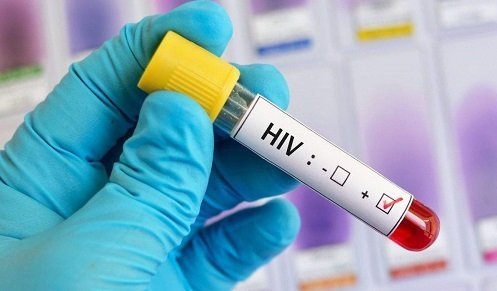
    The Human Immunodeficiency Virus (HIV) is a retrovirus responsible for the progressive degradation of the body’s immune system. It leads to the life-threatening Acquired Immuno-Deficiency Syndrome (AIDs), resulting in ailments like cancers, tuberculosis, and the development of other opportunistic infections.

    On the other hand, Hepatitis B is an infectious disease that results from the Hepatitis B Virus (HBV). If left untreated for an extended period, the ailment progresses. It advances to a complicated stage and develops into chronic Hepatitis B.

    In this article, let us compare and contrast the two diseases.

    Symptoms

    HIV Infection:

    • Prolonged lymph node and gland swelling
    • Sore muscles and joints
    • Extreme fatigue and dizziness
    • Recurring fevers and night sweat
    • Abrupt weight loss
    • Pink blotches inside nose, eyelids, and mouth
    • Rashes on or under the skin
    • Confusion and depression
    • Memory loss and other neurological disorders

    Chronic Hepatitis B:

    • Acute viral hepatitis
    • Jaundice
    • Chronic liver inflammation
    • Fulminant hepatic failure
    • Loss of appetite
    • Vomiting, nausea, and general ill-health
    • Body aches and mild fever
    • Skin rashes
    • Aplastic anemia

    Transmission

    Both Hepatitis B and HIV infections are Sexually Transmitted Diseases (STDs). Although the former is over 50 times more infectious than the latter, their modes of transmission are similar. Some of the are:

    • Unprotected copulation
    • Body fluid transfusions
    • Organ transplants
    • Sharing of personal items like towels, razors, toothbrushes
    • Placental transmission from affected mother to child
    • Re-use of contaminated syringes and needles
    • Breastfeeding by infected mother

    Working of the Virus

    HIV Infection: HIV immediately attacks the Helper T cells, which interact with the other immune cells to fight infections, on entry into the body. It breaks off a vital point of communication between the immune cells, making the body susceptible to numerous diseases. The body is then no longer able to detect and deal with the ailments promptly. It becomes weakened to a great extent, resulting in AIDS.

    Hepatitis B: On entry to the body, HBV makes the functional cells of the liver, the hepatocytes, their host. They replicate in these cells, creating more viral DNA and proteins. It leads to the host’s immune response causing hepatocellular damage and viral clearance. It begets interference in liver functions, resulting in severe liver damage.

    Treatment

    Treatment of both HIV infection and chronic Hepatitis B is possible using Tafero tablets. It blocks the function of the reverse transcriptase enzyme to slow down and reduce HIV replication. Additionally, it controls HBV infection to prevent its multiplication.

  • Renal Cell Carcinoma- Causes, Diagnosis, Treatment and Medication

    Renal Cell Carcinoma- Causes, Diagnosis, Treatment and Medication

    Renal Cell Carcinoma, commonly known as kidney cancer or RCC, occurs when the uncontrolled division of cells crowds the linings of the tubules leading to the kidney. It is a fast-spreading type of cancer that can spread to other organs like the lungs and other surrounding organs.

    What causes RCC?

    There is uncertainty within medical circles about the exact cause of RCC. It can be found in almost anyone but is more commonly found in men aged above 50. Some of the most common sources of RCC include a family history of RCC, dialysis treatment, obesity, smoking, polycystic kidney disease that causes cysts or growth in the kidney, and use of medications to fight other conditions like arthritis.

    Patients with RCC do not exhibit symptoms initially. However, with the progression of the disease, patients may exhibit symptoms like excessive pain on the sides, weight loss, fatigue, vision problems, blood in urine, a lump in the abdomen, and excessive hair growth in women.

    Diagnosis for RCC

    After an analysis of the patient’s medical history and symptoms, if the doctor believes that the patient might have RCC, and then some tests are conducted, which include the following:

    • Complete Blood Count, where a blood sample is collected from the patient and sent to the laboratory for further analysis.
    • CT Scan where the kidney is scanned and the doctor checks for any abnormal growth.
    • Abdominal and Kidney Ultrasounds, where the image of the kidney is produced with sound waves to detect any abnormal growth or tumors in the kidney.
    • Urine Test where the patient’s urine samples are collected and tested for the presence of cancerous cells.
    • Biopsy or the removal of a small part of the kidney tissue is sent to the pathology lab for further testing to determine the presence of cancerous cells.

    If confirmed in these tests that a patient has RCC, further tests known as staging tests are conducted to determine how extensive the spread of the infection is. These include a chest X-Ray, PET scan, and bone scan.

    Treatment for RCC

    RCC can be treated through conventional cancer treatment methods like surgery, chemotherapy, and radiation, biologic and targeted therapy. Anti-cancer drugs like Sutekast have become a staple in cancer medication. Sutekast is a salt that inhibits the motion of receptor tyrosine kinases. Activating these receptors means cutting down tumor vascularisation and enhancing cancer cell apoptosis, which leads to reduced tumors. Sutekast intake must be done for four weeks with a 15 schedule or according to the doctor’s prescription. This is because the drug is used to treat other diseases like pancreatic neuroendocrine tumors and gastrointestinal stromal tumors.

  • Risk Factors of GIST: Genetic Mutations that cause GI Tumors

    Risk Factors of GIST: Genetic Mutations that cause GI Tumors

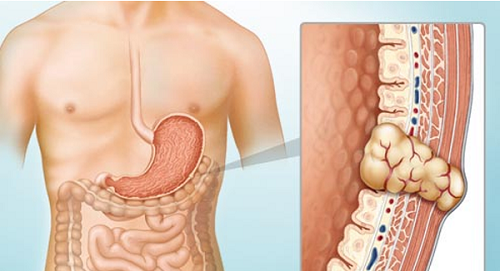
    A gastrointestinal stromal tumor, aka GIST, is a gastrointestinal tumor or soft tissue tumor. This GI tumor occurs in the stomach lining or the small intestine. However, in many cases, these tumors can occur in other parts of the digestive system. These tumors take place when the cellular growth goes uncontrolled. The tumors can grow into other organs as well, like the liver. They start from the nerve cells called ICC or interstitial cells of Cajal that act as specialized precursor cells for GIST.

    There are several treatments like targeted therapy using drugs, surgery, etc., that help treat GIST. Here are some reasons why GIST can be a problem:

    Age: One of the biggest risk factors is the patient’s age. GIST is rare in people under the age of 40. This tumor is most found in people who are between 50-80 years old.

    Genes: One of the biggest factors behind GIST is a genetic mutation. Some people tend to be born with a certain genetic mutation that causes tumors like GIST. The probable genetic mutation that causes GIST are:

    • SDH genes: Mutation of SDH genes or succinate dehydrogenase genes increases people’s risk of getting GIST. The mutations are usually in SDHC and SDHB genes.
    • Abnormal KIT gene: This abnormal familial GIST gene is passed down from the parents to their children. This gene is also one of the reasons why children may have GIST as well. Also, these genes can cause multiple GIST outbreaks throughout life.
    • NF1 gene: People with a defected NF1 gene are born with VRD. These genes are also familial, which means they are inherited from parents to kids. These defective genes are one of the major reasons why someone may have GIST in their lifetime.

    These genes cause anomalies in protein formation. This leads to uncontrollable growth of the cells, which then turns into a GI tumor. When the tumor starts metastasizing, it is removed surgically. There are several drugs out there that are used to stop the growth in patients suffering from GIST. Sutekast is one such drug that doctors prescribe to GIST patients.

  • What Are Various Risk Factors Of Contracting Hepatitis C From An Infected Person?

    What Are Various Risk Factors Of Contracting Hepatitis C From An Infected Person?

    The hepatitis C virus causes hepatitis C. Hepatitis C is a liver disease that can be chronic and acute. Many people hardly show any symptoms and get treated on their own, but it can lead to severe illnesses in many. The hepatitis C virus is not highly transmissible as it can spread only through blood. However, there is always a certain risk factor for those living with a hepatitis C- positive person.

    Here are some risk factors that should be kept in mind:

    Medium risk factors: Medium risk factors are the factors that can transmit the virus to another person, but the chances are low. This includes:

    • Pregnancy: There is a low risk of mothers transmitting the virus to their unborn child.
    • Hygiene and grooming supplies: From razors to nail clippers to sanitary napkins, these come into the low-risk category of spreading the virus.
    • Unprotected sex: The risk level is low, but there is always a possibility. People should avoid having sex while menstruating.

    High-risk factors: High-risk factors are the ones that stand to be the most probable way to get infected by the virus from an infected person’s blood. They include:

    • Blood transfusion: When infected blood is transfused to a healthy person, the chances of contracting the virus are very high.
    • Tattoo needles: When the tattoo needles are not sterilized properly, the infection chances increase immensely.
    • Drug needles: When the syringes and tourniquets are shared while using drugs among people, the infection risk goes up.

    Anything that poses as a medium to transmit an infected person’s blood to another can be counted as a high-risk factor in this infection. However, a few things do not cause infection to a healthy person, like coughing, kissing, sneezing, sharing utensils, breastfeeding, casual contact, etc.

    Timely treatment of this virus is one of the best ways to ensure that the infection is not severe. One of the drugs that help with controlling the infection and treating it is Hepcinat Plus. Patients should consult with their doctor to get the dosages prescribed.

  • What are treatment types that Oncologists for Prostate Cancer suggest?

    What are treatment types that Oncologists for Prostate Cancer suggest?

    Cases of prostate cancer have risen rapidly in the last few years. However, doctors and scientists have found various types of treatments that are effective in treating it. When the cancer is in its initial stages, the surgeons tend to treat cancer with local treatments. But when cancer spreads to other organs near the prostate, the doctors tend to go for systemic treatments. The decisions of treatments in any cancer type are made by the radiology oncologists, oncologists, and surgeons.

    The types of treatments for prostate cancer are discussed below:

    Local treatments

    Local treatments are used when the cancer is specifically located in a single organ. When cancer is at its early stage, it tends to only be in the prostate gland. This type of cancer can be completely removed using radiation therapy and surgery.

    The types of local treatments include:

    • Surgery: In surgery, the prostate gland along with the lymph nodes are removed surgically. There are different surgical procedures like robotic prostatectomy, radial prostatectomy, TURP, bilateral orchiectomy, etc.
    • Focal therapies: These therapies are targeted to the tumor cells without damaging the rest of the prostate. These are effective for low and intermediate-risk prostate. Cryoablation and HIFU are two focal therapy types.
    • Radiation therapy:This therapy type is for destroying cancerous cells by using radiation. External beam radiation therapy is done by targeting the x-rays to the cancer cells from the external source. Proton therapy is also an external radiation type but uses proton rays. Internal radiation therapy uses radioactive material inserted in the prostate to destroy cancer cells.

    Systemic treatments

    Systemic treatments are done when cancer moves to other surrounding organs and parts of the prostate as well. With this, medication is mostly used to treat cancer. The medication is either injected into the prostate or is taken orally. Several types of systemic treatments like hormonal therapy, radiopharmaceuticals, targeted therapy, chemotherapy, etc.

    Several treatments are used these days to treat this type of cancer. Medications are used in both initial-stage and late-stage cancers. One of the medications that are prescribed for treating prostate cancer is abiraterone.