Author: Gandhi Medicos

  • Ledihep treatment for Hepatitis C

    Ledihep treatment for Hepatitis C

    Introduction

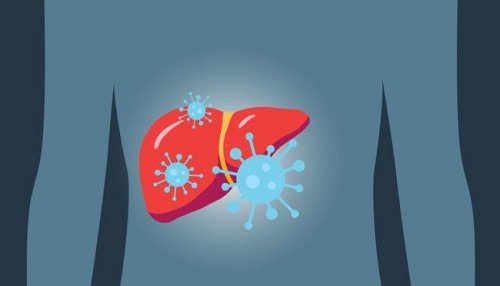
    Hepatitis C is a liver infection caused by HCV (hepatitis C virus). In a few cases, the virus also attacks the digestive system, nervous system, or immunity issues. The disease turns out to be deadly when it advances to cirrhosis or liver cancer. But these life-threatening situations due to HCV is rare. There are five stages of hepatitis C:

    1.  Incubation period:This is the period between the first exposure to the virus to the start of the infection. It would last for 14 to 80 days, 45 days on average.
    2.  Acute hepatitis C:This is the starting stage of the infection. It lasts for up to six months. The virus either leaves the body on its own, or the patient would get treated.
    3.  Chronic hepatitis C:The later stage, which lasts for more than six months, is the chronic stage. At this period, the virus can damage the liver and cause other serious illnesses like liver cancer or cirrhosis.
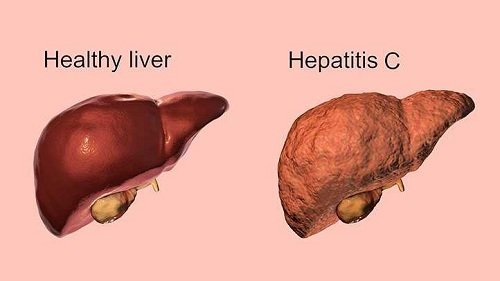
    4.  Cirrhosis:This is a serious liver disease that kills healthy liver cells and leaves scar tissues. This stage is attained after 20-30 years of exposure or earlier if the person consumes alcohol or is HIV positive. Cirrhosis is an inflammation in the liver that can lead to a lot of suffering.
    5.  Liver cancer:Cirrhosis mostly leads to liver cancer. Liver cancer does not show any symptoms, but the doctors ensure that a cirrhosis patient is tested regularly for cancer.

    Transmission and Symptoms of Hepatitis C

    The virus is spread through bodily fluids or blood.

    1. The virus spreads through sharing needles or razors.
    2. The virus enters the body through sexual contact with an infected person.
    3. Mother to child.
    4. Sharing personal items like razors, nail clippers, toothbrushes.
    5. Tattoo or piercings with unhygienic equipment.

    However, breastfeeding, sneezing, kissing, mosquito bites, or sharing utensils does not spread the virus.

    The symptoms of hepatitis C are:

    1. Gallstones
    2. Severe itching
    3. Muscle loss
    4. Memory and concentration issues (encephalopathy)
    5. Blood vomiting

    Ledihep Tablets

    Ledihep is an integration of two antiviral medicines. Ledihep is used for treating HCV. The tablets are prescribed when the patient is in the chronic stage. The medicine helps in reducing the hepatitis C virus and stop the spread of infection. The medicine helps the patient recover faster by controlling the spread of the virus.

    There are negligible side effects of the tablet, such as tiredness and headaches. Doctors suggest the patient consumes plenty of fluids and a healthy diet to prevent or reduce the side effects.
  • Stages of HIV

    Stages of HIV

    Introduction

    An immune system-weakening virus, HIV, attacks the cells of a person’s immune system. HIV is an abbreviation for Human Immunodeficiency Virus. The virus gradually attacks the CD4 cells of the immune system. CD4 cells are also called white blood cells (WBC). Those WBC play a key role in protecting the body against any disease or pathogens, or infections. CD4 cells, as a part of the immune system, are an indication of the immunity of one’s body.

    HIV attacks a person’s immune system, and the spread of infection can be determined by the strength of the immune system or the count of CD4 cells. There are three stages of infection:

    1. First Stage: The first stage is called acute HIV infection. At this stage, the infected person slowly shows the common symptoms of HIV, for example, headache, fatigue, rashes, sore throat, etc. You cannot be sure of an infection if you are in the first stage. The symptoms at the first stage are generally compared to flu. Regular medication and a healthy diet can help the person fight the virus and avoid further aggravation of the infection.
    2. Second Stage: This period is the asymptomatic stage or chronic stage called clinical latency. At this stage, HIV starts to attack and kill the CD4 cells of the immune system. A simple blood test shows the number of CD4 cells that define the strength of your immune system. You can pass the virus to other people through various mediums at this stage. Without proper treatment, the CD4 cells continuously decrease and weaken the immune system.
    3. Third Stage: This stage is called AIDS. AIDS is an abbreviation of Acquired Immunodeficiency Syndrome. The count of CD4 cells decreases to around 200, which is too small of an immune system to fight pathogens. At this stage, you can find obvious symptoms like fevers that last more than ten days, weight loss with no definite reason, yeast infections in your mouth, throat, vagina, etc. A person can stay alive for about three years, depending on other infections, without taking medication.

    Viropil: Antiretroviral Medicine

    Viropil tablets are a suggested medicine for treating HIV. It is a mixture of antiretroviral medicines that help boost the immune system that fights HIV. Viropil also contains the growth of HIV and reduces the risk of related infections. The tablet has a few side effects like fever, tiredness, rashes, and cough.

  • What to know about Hepatitis C?

    What to know about Hepatitis C?

    Hepatitis C is one of the hardest diseases to diagnose. It severely affects the liver and can cause an extreme amount of damage. However, there are hardly any symptoms at the initial stage, which causes most people to remain oblivious to its presence.

    There are multiple variations of this disease, but all of them pose nearly the same danger. The only difference between them is how they respond to different treatments and medications. This is not a contagious disease, and it spreads from one person to another, only through blood and other bodily fluids.

    Effects of Hepatitis C

    Hepatitis C is hard to diagnose because of the sparse symptoms. Moreover, it affects different people in different ways. A few stages of the infection vary from person to person, depending on their immune system and physiology. The different stages of hepatitis C are:

    • The incubation period is the window between the infection and the start of the disease. This again is different for different people. It can be as less as 14 days and as high as 80 days. According to a survey, the average period of incubation is 45 days.
    • After the incubation period, there is a 6-month illness known as acute hepatitis C. This is a short-term illness, and most people who suffer from it do not need to worry about anything as the body will get rid of the virus on its own.
    • Those who do not get the acute infection are infected with chronic hepatitis C. This is the case in almost 85% of people. In this scenario, the illness transforms into something that lasts for much longer than six months and can lead to some serious health complications in the future.
    • One of the most adverse effects of chronic hepatitis C is liver cirrhosis. It takes almost 20 to 30 years for complete liver failure, but the process can happen faster if the patient consumes alcohol or has HIV.
    • Another major impact of liver cirrhosis is liver cancer, which is fatal for anyone. It is hard to diagnose, and you will need to get regular tests to identify it.

    Medications for Hepatitis C

    There are several drugs and medications to keep the complications of Hepatitis C at bay. One of the more popular ones is Hepcinat Plus, which is used for chronic hepatitis C infections. Its main function is to remove the hepatitis virus from the body and the bloodstream over some time.

  • PEP: How to prevent HIV infection after possible exposure

    PEP: How to prevent HIV infection after possible exposure

    If you get exposed to HIV, then PEP can help control the virus from spreading and reduce the chances of getting HIV. The full form of PEP is Post Exposure Prophylaxis. It is a pill that should be taken as soon as you come in contact with HIV. The window to start taking the pill is within three days or 72 hours of HIV exposure. The faster you start the pill, the better the chances you have of not getting HIV.

    The pills contain antiretroviral medications that help with stopping the spread of HIV throughout the body. The PEP dosage is for at least 28 days, and the pill needs to be taken 1 to 2 times every day.

    What is PEP best for?

    PEP is the best option only during emergencies where other options such as condoms won’t work in preventing HIV. In situations such as having unprotected intercourse or sharing needles with someone who happens to have HIV, PEP needs to be taken within 72 hours to reduce the chances of getting HIV.

    PEP will only able to work if it is taken within the said time frame, so as soon as you get exposed to HIV, without wasting time, start on PEP pills for the next 28 days.

    When to use PEP

    PEP is not a one-time-only pill; it is more like a daily routine for at least four weeks, so make sure not to miss even a single dose because proper medication levels are needed to prevent the virus. It does not guarantee 100 percent protection from it, but it can be effective if taken on time. To be safe, even when consuming the pill, it is important to use protection during sexual intercourse and not share needles with others.

    If you start having rashes get a fever within 72 hours of taking the pill, contact your doctor because these can be signs of having the beginning stages of HIV.

    Side effects

    PEP’s side effects are not too serious or dangerous and can be treated. The symptoms include feeling tired and having stomach aches. If the side effects make you very uncomfortable, reach out to your doctor to find a solution.

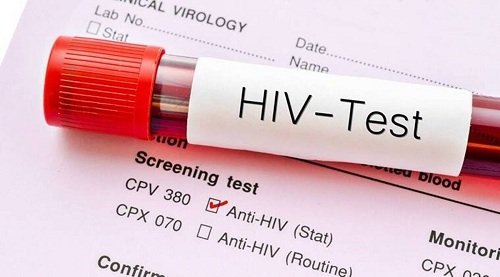
    There can be situations where PEP does not work, even after taking it right and finishing the entire medication course. You may get feverish and have rashes, which are the beginning symptoms of HIV. Get yourself tested and start medications such as Tudofovir, which has the right combination of antiretroviral agents for treating HIV infections.

  • What are the common treatments for Thyroid Cancer?

    What are the common treatments for Thyroid Cancer?

    The thyroid is a small gland that is present in the throat and is butterfly-shaped. This gland is crucial in thyroxine production, which optimizes the body’s metabolism. Just like any other organ of the body, the thyroid is cancer-prone. Due to various reasons and carcinogens, thyroid cancer is something that oncologists are well aware of. On a positive note, thyroid cancer is treatable and can be managed and handled if diagnosed early. There are various ways thyroid cancer can be treated, depending on the stage of cancer, the growth, and the type of thyroid cancer someone has. Some of the most common thyroid cancer treatments are listed below.


    Thyroidectomy

    Depending on the tumor’s growth and thyroid cancer stage, thyroid removal is one of the treatment procedures. The thyroidectomy is the process in which the entire thyroid gland is removed surgically. In some cases, only half of the thyroid gland is removed, called a lobectomy. Also, the lymph nodes around the thyroid gland are removed, keeping in mind the tumor and cancerous cells’ spread.


    RAI ablation

    Radioactive iodine ablation is a process in which the excess cancerous cells and the parts of tumors spread to nearby tissue are removed. Any thyroid cell that is still there after a thyroidectomy are removed through ablation. In this procedure, the iodine is absorbed by the thyroid and cancer cells, then removed through radiotherapy. 


    Thyroid hormone therapy

    This therapy is usually accompanied by thyroidectomy and RAI ablation. In this therapy, the person is given thyroid hormone pills. These pills are meant to stop the action of TSH, which is a thyroid-stimulating hormone released by the pituitary gland. TSH is meant to stimulate thyroid production by thyroid cells, but this thyroid production can also lead to cancer cells’ growth. Therefore, this thyroid hormone therapy is useful in reducing TSH levels and thereby limiting the growth of cancer cells.


    Other treatments

    Usually, surgical removal of the thyroid gland is done in the advanced stages of cancer, where the entire gland is removed due to cancerous growth. But in the case of early stages, radiation therapy, chemotherapy, and targeted therapy are used. In chemotherapy, medicines are given to stop cancer growth. In radiation therapy, x-ray radiations are used to target cancer cells. For thyroid cancer treatments, Lenvakast 4 mg is also used as an oral medicine. 

  • PrEP: Pre-exposure prevention of HIV

    PrEP: Pre-exposure prevention of HIV

    It is always better to take preventive measures than to face the issue itself. Such preventive measures are also available for HIV (Human Immunodeficiency Virus). PrEP (Pre-Exposure Prophylaxis) is a pill, if taken regularly, that can help in preventing HIV. It lowers the chances of getting the virus through sexual intercourse by 90 percent.

    Effectiveness

    As stated before, PrEP can help reduce the chances of contracting the virus by 90 percent if the pill is taken regularly. If protection is used during intercourse and daily pills, it increases the chances of staying safe. PrEP can even protect you from HIV from sharing needles.

    But it is important to keep in mind that for the pill to work best, you should diligently take it every day without missing it because if the pills are not taken daily, then the body may not have enough medication to block and fight off the virus. The pill does not protect you from other sexually transmitted diseases, so to be safe, make sure to use protection.

    When is PrEP at its best?

    PrEP is best for people who do not have HIV but have a high risk of contracting it. Get in touch with your doctor to find out when PrEP is the most effective. Sexually active people can take PrEP, and those who use syringes or are under some treatment that involves needles. If someone is at risk of getting HIV and is pregnant or breastfeeding or even trying to get pregnant, they should also start taking PrEP regularly to avoid the baby contracting HIV.

    Make sure to be completely honest about your situation when visiting a doctor regarding your health care. This will only help the doctors provide the right advice. Keep in mind that PrEP is for preventing HIV from happening; it won’t work on people who already have HIV or came in contact with someone with HIV.

    Side effects

    PrEP does not have any side effects that may cause serious problems. It is usually nausea, headaches, and appetite loss, which goes away once the body gets used to the medication. PrEP is a daily pill that is very safe to take, and most of the people who take it do not show any side effects.

    In case you do show some prolonging side effects, it is better to contact your doctor and find out the reason behind it.

    You can get PrEP from health clinics, doctor’s offices, or health departments. Even when you are consuming the pills, you will need to get tested for HIV every three months. If you test positive for HIV, then medications like Tafsure 25 will help in fighting the infection.

  • Kidney Cancer and its Treatments

    Kidney Cancer and its Treatments

    A comprehensive guide to the disease

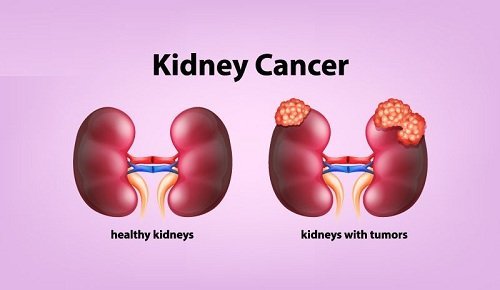
    Renal cancer affects either the urethra or kidney. The cancer cells activate malignant cells in a specific organ like the kidney from where it can spread to the urethra. It has various types. The most common form of kidney cancer is renal cell carcinoma.

    Key indicators increasing chances of getting Kidney Cancer

    1. The age group of 45 to 75 years
    2. Transmission of the cancer-carrying gene in DNA due to family history
    3. Cigarette smoking
    4. Adiposity
    5. High blood pressure
    6. Kidney diseases or infections, dialysis or kidney-related treatment or transplant, etc.
    7. Consuming huge quantities of red meat, pork, beef, etc.

    Possible symptoms leading to Kidney Cancer

    1. Discoloration of urine
    2. Abdominal discomfort or related aches
    3. Swelling or expansion on the belly or side
    4. Swelling in the knees or limbs
    5. Swollen scrotum
    6. Poor appetite
    7. Rapid weight loss
    8. Tiredness, aches, etc.
    9. Night sweats

    Kidney Cancer Treatment

    There are many ways to reduce the risks of kidney cancer and successfully cure it. Some of them are listed below:

    1. The primary cure is surgery. The whole kidney, or just a specific part based on the tumor’s size and location, can be eliminated. Surgery typically involves the removal of lymph nodes or any related issues that hold cancer cells.
    2. Procedures for the destruction of cancer cells are also used.
    3. Immunotherapy is a medication that helps combat cancer cells in the immune system.

    Targeted therapy: Lenvakast 4mg

    Medicine is given aimed at destroying cancer cells. This is known as targeted therapy. This can minimize or delay the kidney tumor from developing and causing excess damage. An example of this is Lenvakast 4 mg (Lenvatinib). Lenvatinib is an inhibitor of kinases. It functions by inhibiting the activity of certain enzymes (kinases) and kinase activities involved in tumor-supplying blood vessel development and tumor and cancer cell growth and spread. It attacks the malignant cells, thus ensuring treatment. Make sure to consult your doctor. While taking it, ensure all precautions. All in all, Lenvatinib or Lenvakast 4mg works like magic on the cancerous cells and helps you resume a healthy life.

  • How Lenvakast 10 mg (Lenvatinib) can help cure Thyroid Cancer

    How Lenvakast 10 mg (Lenvatinib) can help cure Thyroid Cancer

    What is Thyroid Cancer?

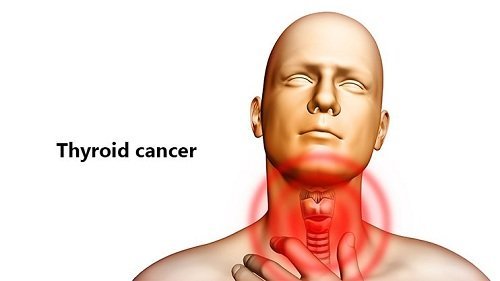
    Thyroid cancer involves malignant cancerous cells attacking the thyroid gland. The thyroid gland is typically a small, butterfly-shaped gland in one’s neck that produces hormones. These hormones help regulate the temperature of your body, heart rate, development, and weight.

    Typically, cancer is detected when it progresses to other organs or tissues.

    What to look for regarding Thyroid Cancer

    Look for the following signs and symptoms:

    1. Any lumps or swelling on your neck
    2. Excessive coughing
    3. Any voice changes
    4. Swallowing or respiratory problems
    5. Pressure in neck or throat, etc.

    Treatment of differentiated Thyroid Cancer

    Often, thyroid cancer progresses into differentiated thyroid cancer. Treatment using radioactive iron, which usually works on thyroid cancer, does not work on differentiated thyroid cancer. Lenvakast 10mg (Lenvatinib) is used on its own to treat differentiated thyroid cancer.

    How can Lenvakast 10 mg (Lenvatinib) help in the treatment of Thyroid Cancer?

    Lenvatinib, the active agent in Lenvakast, is an ‘inhibitor of tyrosine kinase.’ This implies that it puts a limit on the action of enzymes. Present in cancer cells in some receptors, many mechanisms, including cell division and the growth of new blood vessels, are triggered by way of these enzymes.

    Application of Lenvakast 10 mg (Lenvatinib)

    Lenvatinib can prevent survival by blocking these enzymes, thereby cutting off blood flow, substantially decreasing the scale of multiplication and growth of the cancer cells. Cutting off the blood to these malignant cancerous cells in the thyroid gland helps prevent the effects of differentiated thyroid cancer.

    Effectiveness of Lenvakast 10 mg (Lenvatinib)

    Many studies have shown the effectiveness of Lenvakast 10mg (Lenvatinib) in curing differentiated thyroid cancer. The drug helps increase the duration that people live and reduces the cancerous thyroid cells’ risk of worsening their condition.

    However, there are some side effects to taking this medicine. High blood pressure, excessive weight loss, fatigue, excess protein presence in the urine, frequent vomiting, speech disorders, inflammation in the intestines, stomachaches, and headaches are the most frequent side effects. Furthermore, this drug must not be given to breastfeeding women. So, consult a doctor about the dosage and frequency of the medicine.

    Therefore, by blocking any new blood transport channels to the cancerous cells, Lenvakast 10mg (Lenvatinib) reduces and eliminates the cancerous cells.

  • What is Hepatitis C, and what are the common Symptoms?

    What is Hepatitis C, and what are the common Symptoms?

    Hepatitis C develops from the hepatitis C virus. On entering the body, the virus attacks the liver, which leads to inflammation and infection. The other types of hepatitis, A, and B, have vaccines, but hepatitis C does not have any vaccine. Though researchers and doctors are trying their best to develop one. And because there is no vaccine, this condition is quite contagious.

    There are two phases of this condition acute and chronic hepatitis C. When it comes to showing symptoms, acute hepatitis C shows symptoms quite early, whereas chronic hepatitis C symptoms take time to develop. The symptoms of chronic, are sometimes not even identifiable at first.

    Research and surveys show that most hepatitis C patients don’t even show any symptoms, but the rest do face some symptoms.

    Hepatitis C symptoms

    The symptoms are as follows:

    – Dark urine

    – Abdominal discomfort or pain

    – Fever

    – Joint pain

    – Loss of appetite

    – Jaundice

    These symptoms usually take 6 to 7 weeks to fully develop and become apparent.

    Transmissibility

    Hepatitis C is a contagious disease that spreads through blood-to-blood contact. It is not transmissible through any casual contact. But even if it is contagious, since blood-to-blood contact is the only way of transmission, it is not that contagious compared to other infections and viruses.

    The transmission of the virus can take place through one of these situations:

    – Sharing needles

    – Sharing razors or toothbrushes

    – Blood transfusion

    – Since the birth (mother had hepatitis C during pregnancy)

    – Organ transplant

    Hepatitis C tests

    Hepatitis C cannot be identified only through symptoms. Doctors will also like to know if there was any exposure to hepatitis C through any of the situations mentioned above. To check if the virus or any infection is present in the body, the doctor will do some blood tests. These tests will tell the genotype and the amount of the virus present in the blood. Such information will help in determining the medical treatment that will be most effective for the patient.

    Apart from these, some more liver-related tests will be done to check if there is any liver damage and if there is any sign of excessive toxins in the blood due to failure in the liver’s functioning.

    Treatment

    Many patients with hepatitis C do not require medical assistance, as their immune system is capable enough to fight the injection until it clears off. In such situations, the doctors will do regular checkups to ensure that the liver is functioning properly.

    Other than this, for people whose immune system is unable to fight the infection, medications are given based on the virus’s genotype. Ledikast is one such medication containing antiviral agents that effectively fight off the hepatitis C virus and the infection.

  • Thyroid Cancer: What is the Thyroid Gland and what are common Cancer Types?

    Thyroid Cancer: What is the Thyroid Gland and what are common Cancer Types?

    There are a variety of cancers, and one such cancer is of the thyroid. Thyroid cancer is due to cancerous growth and tumor in the thyroid gland. In today’s medical world, various treatments and procedures help remove the cancerous tumors, or in advanced cases, the thyroid is removed altogether. There are various types of thyroid cancers; let’s put some light on the cancer types and why cancer is caused in the thyroid.

    What is the thyroid?

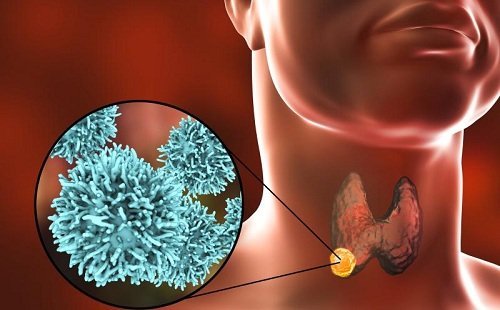
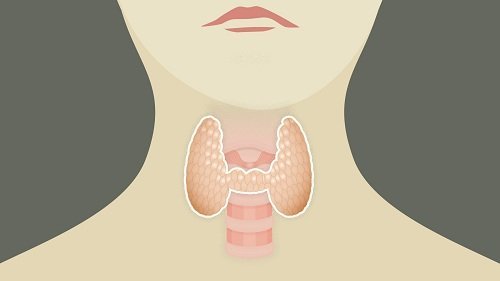
    The thyroid gland is a gland that is of butterfly shape situated below the Adam’s apple and larynx, on the front side of the neck. The thyroid gland is part of the endocrine gland system and is responsible for hormone regulation in the body. It produces the thyroxine hormone by absorbing the iodine from the blood. The thyroxine is responsible for metabolism in the body. The shape of the thyroid is bi-lobed, which is joined by an isthmus. It is quite small, and when a tumor develops, it can be felt.

    Cells of thyroid

    When the cells of the thyroid gland start growing, it can form a tumor or nodules. Now, these modules can be cancerous or benign. In the case of benign, these tumors will not spread and will not cause cancer. But in the case of cancerous cells, the tumors become malignant and will start spreading. There are two types of cells in the thyroid that can cause cancer:

    1. Follicular cells: these cells are responsible for thyroxine production.
    2. C-cells: these cells are responsible for calcitonin production, which regulates calcium levels.

    Types of cancer

    Various cancer types can grow in the thyroid gland:

    • Papillary cancer: in this, cancer growth is from follicular cells. This cancer grows slowly but can spread into lymph nodes. This is the most common cancer type.
    • Follicular cancer: this cancer also grows through follicular cells, but they are not common. They do not spread to lymph nodes.
    • Medullary thyroid cancer: the MTC is a cancer of C-cells and is due to genetic tendency. In 25 percent of cases, medullary thyroid cancer is familial and can be stopped if diagnosed early.
    • Anaplastic thyroid cancer: this cancer type is rare and is known to grow the fastest. It is ill differentiated and can grow from benign tumors as well. It grows so fast that treating it can be quite difficult.

    Thyroid cancer is treatable these days, as there are various types of treatments and procedures. The thyroid cancer can be treated surgically and can be treated through medication like lenvakast 10 mg.