Author: Gandhi Medicos

  • Hepatic Encephalopathy Brain Damage Due to Hepatitis

    Hepatic Encephalopathy Brain Damage Due to Hepatitis

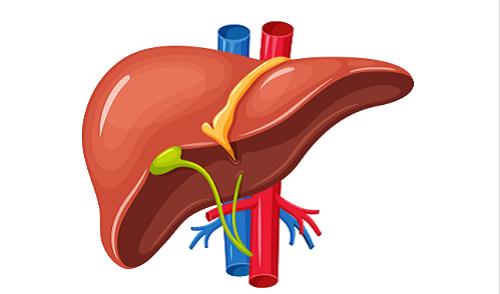
    Hepatic encephalopathy is a condition in which, due to any liver disease, the brain’s functioning capabilities start to deteriorate. Just because the liver is unable to function properly and is unable to remove toxins from the blood, the amount of toxin in the blood keeps increasing and over time causes brain damage.

    People may have acute or chronic Hepatic encephalopathy, and if the condition worsens, there is a possibility that the diseased may slip into a coma or become unresponsive. Many times Hepatic encephalopathy can act as a symptom of terminal liver failure. The chronic condition may be permanent or a recurring situation with multiple episodes over a lifetime.

    Timely medical treatment is required to reduce the chances of experiencing any severe symptoms.

    Symptoms

    The symptoms directly depend on the severity of the Hepatic encephalopathy and the underlying reason that caused the liver to damage.

    For moderate Hepatic encephalopathy:

    – Confusion

    – Difficulty in thinking

    – Poor concentration

    – Hand movements

    – Forgetfulness

    – Personality change

    – Sweet or musty breath

    For severe Hepatic encephalopathy:

    – Seizures

    – Fatigue

    – Drowsiness

    – Shaky hands

    – Anxiety

    – Severe personality change

    – Slow movements

    – Confusion

    If someone shows the symptoms of severe Hepatic encephalopathy, it is advisable to take medical assistance immediately.

    Causes

    The exact factor that causes the disease is still unknown, but it gets triggered when there are many toxins present in the bloodstream. The buildup of toxins happens due to failure in liver functionality. The toxins that need to be removed after breaking down protein do not get filtered and mix with the blood, which, after a certain extent, starts damaging organs.

    Some conditions that trigger Hepatic encephalopathy are:

    – Kidney problems

    – Intake of excessive protein

    – Dehydration

    – Pneumonia

    – Hypoxia

    Conclusion

    Options for treatment of Hepatic encephalopathy depend on the cause and severity of the underlying condition. Less protein intake and proper functioning of the liver can help with the condition. Hepakast sachet is a medication that helps maintain the liver’s functioning ability, which helps with the Hepatic encephalopathy condition.
  • What is HIV and what causes this Disease?

    What is HIV and what causes this Disease?

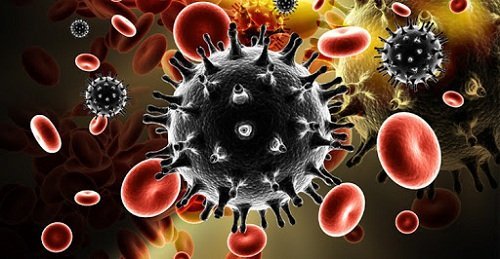
    Human Immunodeficiency Virus (HIV) is a virus that attacks the immune system of the body, and if left untreated, it weakens the system. The cell that is attacked is CD4 cells, immune system cells, also known as T-cells.  


    Over time, HIV kills the CD4 cells and weakens the immune system to the extent that it cannot fight any other infection, disease, and condition. With treatment, the infected person can continue with their life. Without proper treatment, an infected person can develop AIDS (Acquired Immunodeficiency Syndrome). HIV can cause-effect and changes in the entire body.


    What causes it?

    It is a transmissible disease, and its first outbreak goes back to the 1920s. Initially, this virus was found in chimpanzees and later moved to the human population when they consumed chimpanzee meat.


    During the first outbreak, the virus started to mutate inside the human body and became HIV. It started in Africa, and then over several decades, the virus spread in many parts of the world. HIV may have entered the human population in the 1920s, but the first time it was discovered in a human blood sample was 1959. 


    Transmission

    The virus does not transfer through water, air, or casual contact. It specifically transfers from one body to another using bodily fluid. The bodily fluid includes breast milk, blood, rectal and vaginal fluids, and semen. HIV can also be transmitted through tissue or organ transplant or blood transfusion. This is why there is thorough HIV testing for every organ, blood, or tissue donor. 

    An infected person, currently under treatment, with an undetectable viral load, may not transmit HIV to others.  


    Conclusion 

    Even though there is no specific treatment that may help eliminate HIV from the body, it attaches itself to the DNA. But, some medications help with managing HIV. Medical treatment requires antiretroviral therapy, and Viropil has the best combination of antiretroviral medicines.

  • Everything you need to know about Hepatitis B

    Everything you need to know about Hepatitis B

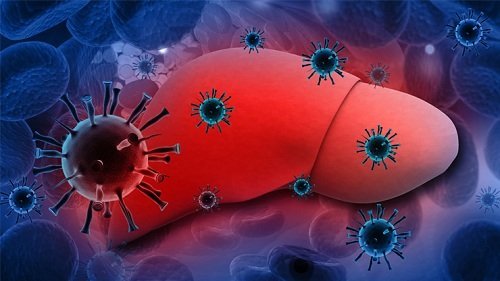
    The organ that gets affected in hepatitis B is the liver. The virus causes a liver infection that is also transmissible to other people. It usually is difficult to know if a person has this infection as it does not show any symptoms for 2 to 3 months.

    After that, the most common symptoms are:

    – Rash

    – Loss of appetite

    – Vomiting and/or nausea

    – Dark urine

    – Yellowing of the skin and eyes

    – Abdominal and/or joint pain or discomfort

    Most infected people can recover from it if it is acute hepatitis B without any medical assistance. But if the virus stays in the blood for about six months and more, then acute hepatitis B becomes chronic hepatitis B, which is more of a permanent infection. If this chronic infection is left untreated, it may cause some serious damage to the liver and cause some serious conditions.

    Transmission

    The primary way through which hepatitis B gets transmitted is through sexual intercourse. So sexually active people have higher chances of contracting the disease. Other than this, people can also get the disease through casual household contact. And this is possible because the virus can stay alive for several days, even outside the host’s body. Sharing the same nail files, razors and toothbrushes, unsterilized tattooing needles or syringes can also transmit hepatitis B.

    Prevention

    The best way to prevent any transmission is to engage in protected sexual intercourse. Also, avoid sharing personal items and other household tools such as toothbrushes, needles, nail clippers, dental floss, and other hygiene products. Get tattoos and piercing done from trusted and hygienic shops.

    Conclusion

    Only blood tests can tell if someone has hepatitis B or not. Once acute hepatitis B infection gets cured, the person becomes immune to hepatitis B. For treating chronic hepatitis B, treatments need to have antiviral medicines in it. Entekor 0.5 is a medicine that treats hepatitis B and the right combination of anti-viral drugs in it.

  • Overview of Cancers of Kidney, Liver and Thyroid

    Overview of Cancers of Kidney, Liver and Thyroid

    Cancers are one of the most abhorrent diseases in the history of mankind. Fighting such a disease takes a lot of strength and hope. Cancers can even occur in the kidney, liver, and thyroid gland. 

    The Thyroid Carcinoma usually occurs in our neck region, in the Thyroid Gland spreads to other parts of our body such as the liver and kidney. Just like every other cancer, this cancer also develops by DNA mutation, which leads to abnormal growth of cells.


    Causes

    (I) Obesity: Obesity has been known to cause many kinds of cancers. Maintaining a healthy body weight is a must because when a person is obese or overweight, he is more susceptible to various diseases, including cancer.


    (II) Family History: If thyroid or Liver or Kidney cancer runs in your family blood, then you are more likely to have it.


    (III) Alcohol Consumption: Alcohol consumption in excess amounts can cause permanent damage to the Liver and Kidney. 


    (IV) Radiation Therapy: Having undergone too much radiation therapies in the past also leads to DNA mutation in the cells, ultimately causes cancer.


    Symptoms

    (I) Swelling of the thyroid gland in the neck region along with pain. This happens due to cancer in the Thyroid gland. The patient might face difficulty in swallowing, and his voice becomes more hoarse.


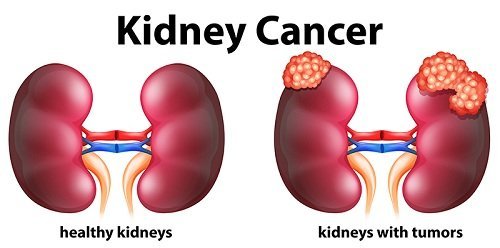
    (II) In Kidney cancer, there is blood in the urine. The patient experiences pain in the abdomen region and swelling. High blood pressure is also common. 


    (III) Liver cancer usually includes symptoms like pain in the abdomen, yellowing of the skin and white portions in the eye, vomiting, and fatigue. People suffering from liver cirrhosis can have severe conditions if they develop this cancer. The best way to keep your liver healthy is to avoid alcohol as much as possible.


    Treatment

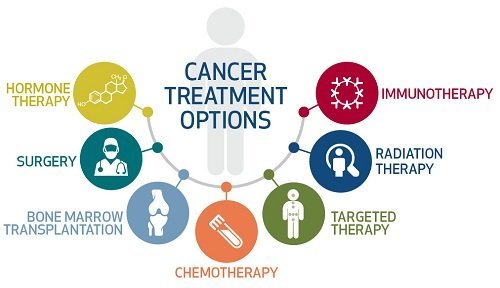
    Treatment of cancers involves transplant, radiation therapy, and, last but not least, certain medications. SORANIB is a drug that helps with the same. This medicine is not prescribed to individuals under eighteen years of age. Its uses are:


    (I) Treatment of Hepatocellular carcinoma that affects liver cells. 

    (II) Treatment of Renal Cell Cancer that affects the kidneys.

    (III) Treatment of thyroid cancer.


    Likewise, every drug, soranib also has some side effects, which are:


    (I) Pain in the abdominal region and stomach.

    (II) Bleeding Gums and loss of appetite.

    (III) Nausea, vomiting, and difficulty in breathing.

  • How Lenalidomide can help with Cancer Treatment?

    How Lenalidomide can help with Cancer Treatment?

    Cancer is a growing issue in today’s world, where cancer patients are increasing day by day. While the government has been actively involved in finding a cure for various types of cancers, there is some progress in the medical field that scientists have found. It is not easy to bear the cost of cancer treatment, but there are some available treatments and medicines which might fit your budget.

    The immediate step after cancer detection is to stop the growth of cancer cells. To do so, the doctors advise certain types of medicines that will halt the growth of those cells. Lenalidomide is one of those medicines that can stop the growth of cancer cells or slow it down. After cancer develops in the body, it rapidly spreads to other parts of the body. So, it is quite harmful, but the patient can be saved before the disease turns harmful if it is controlled. So, here are a few points to describe the steps for Lenalidomide use.

    Features of Lenalidomide:

    • This medicine is given along with others. The collaboration between medicines helps in stopping cancer. As far as the dosage is concerned, the medicine has to be orally ingested. After it is orally ingested, it goes into the bloodstream and does its work.
    • The medicine is on the World Health Organization list, which contains essential medicines globally. The medicine has its side effects, but when taken under control and a doctor’s supervision, it is quite useful.
    • The medicine is not suitable for certain types of cancer treatment because it has side effects that might result in death. The side effects from using the medicine are diarrhea, fever, sleep troubles, joint pain, and a few more.
    • The way the medicine works on the body might differ from person to person. But, in general, it has shown a positive response in stopping cancer from spreading.
    • In patients with anemia and blood or bone marrow malfunction, Lenalidomide can work wonders. This is because studies have shown that the medicine has helped decrease the need for blood transfusions.

    So if the question is why Lenalidomide, above lies the answer. Out of the few medicines we have for stopping cancer, Lenalidomide is one of the basic ones that work.

  • Causes, Symptoms, and treatment of Blood Cancer

    Causes, Symptoms, and treatment of Blood Cancer

    Cancer is one of the deadliest diseases in the world and has called tremendous fatalities over recent years. Cancer is a disease caused due to the uncontrolled and the unorganized growth of cells throughout the body. Cancer can affect different components of your body. Blood cancer is one of the many types of cancer. Blood cancer affects the growth and subdivision of cells in your bloodstream. Blood cancer originates in the body’s bone marrow, which is a vital source for producing blood. Blood cancer is categorized into three different types:

    1] Lymphoma: This type of blood cancer affects the lymphatic system, responsible for disposing of toxins and other waste materials out of the body. Lymphocytes are a type of white blood cells that fight against different infections. Uncontrolled and intolerant growth of these lymphocytes creates cancerous lymphoma cells.

    2] Leukemia: Leukemia is a type of blood cancer where there is an excessive and unnecessary blood cells growth in the bone marrow. This causes a problematic chain reaction, which results in poor functioning of the bone marrow in producing red blood cells and platelets.

    3] Myeloma: Myeloma is a type of blood cancer that affects the bone marrow’s white blood cells. White blood cells maintain the immunity of a person. Myeloma decreases the immunity of a person.

    Cause and Symptoms

    At present, the clear cause of Blood cancer is unknown. As blood cancer is categorized into different types and damages different human body components, these are some common causes related to every type of blood cancer: – Growing age, infections, family history, and weak immunity.

    Blood cancer is a deadly disease that affects the body’s bone marrow, lymphatic system, and bloodstream. Symptoms may differ with the type of blood cancer. We have still managed to point out some common symptoms suffered by patients: Weakness and fatigue, fevers, headaches, gum bleeding, breathing issues, anorexia, recurring infections, delirium, and abdominal pain.


    TreatmentBlood cancer specialists and doctors work on completely eradicating cancer from the body. As blood cancer affects different body components, the treatment procedure is different for every type of blood cancer. Chemotherapy and bone marrow transplantation are the most highly used treatment methods. Consuming the Veenat 400 tablet also helps in increasing immunity and alleviating the pain caused by the disease. 

  • Analyzing HIV and what leads to AIDS

    Analyzing HIV and what leads to AIDS

    You may already have a rough idea about what HIV is and how deadly it can be. Let us understand HIV and its consequences in-depth to increase our awareness and have a proper treatment plan ready if someone is affected by the virus. 


    HIV stands for Human Immunodeficiency Virus. This virus is very complex, and it destroys the Cell structure of our body’s components gradually. This wear and tear of cells result in our immune system’s weakening, which makes us very vulnerable to contract different diseases and infections. Thus, it is very necessary to get proper medical treatment for HIV to live a happy and healthy life in the future. There is no vaccine developed to cure HIV, but many medical associations recommend undergoing the Antiretroviral treatment, also called ART. This treatment can benefit a lot of healthy adults if it is started early. I would also recommend the dosage of the Viraday tablet. It has helped many HIV patients strengthen their immune systems and lessen the pain caused by various infections due to HIV. 


    HIV affects the immune system of an individual drastically. So, if this deadly virus is left untreated, it can multiply and lead to AIDS. AIDS stands for Acquired Immunodeficiency Syndrome. AIDS is generally the last stage of HIV. The expected life expectancy of an average AIDS patient is three years. So, make sure that if you show any signs or symptoms of HIV, get tested as soon as possible. 


    SymptomsDepending on the patient’s gender, age, and medical background, he/she can show many different symptoms in the cycle of HIV to AIDS. Some of the most common symptoms shown by patients are as follows: Weight loss, fever, night sweats, weakness and fatigue, swelling of joints and other glands, and infections.


     Prevention: HIV does not transmit via touch or contact. HIV is transmitted through blood and other bodily fluids. Taking proper preventive measures by observing basic hygiene practices is very sensible. For instance, when you go to a health care center, make sure that the syringes and needles used on you are brand new and disinfected. This ensures a safer and better medication. Also, spread awareness about HIV and AIDS among the masses whenever you can. Your small piece of advice can be very helpful for a person in the long run.

  • A Clear and Accurate View of HIV and AIDS

    A Clear and Accurate View of HIV and AIDS

    HIV stands for Human Immunodeficiency Virus, which weakens the immune system of a person. Our body consists of different components, and the most basic structural component is called a Cell. There are different types of cells present in a body, and they carry out different activities. One such cell type is the CD4 cell. The CD4 cells are present on the layer of an immune cell type, T cell. 


    HIV attacks these CD4 cells, which are responsible for sustaining the immunity of a person. HIV kills many CD4 cells over time, which causes a person to get endangered to different health issues. 


    HIV is not transmitted through air or normal contact with an infected person. It is transmitted via blood and bodily fluids. If a person does not positively respond to the medical treatment, he/she might get affected by Acquired Immunodeficiency Syndrome, also called AIDS. Because of AIDS, the immunity system becomes drastically weak and fails to fight against other diseases and infections. This massive downfall of the body’s immunity shortens the life expectancy by a huge margin after testing AIDS positive.


    SymptomsHIV progresses throughout the body for some years or decades. The first stage of symptoms can be felt after one month of contracting an HIV infection. The symptoms can be categorized according to the period of contraction and the medical history of the person. Some of the common symptoms include diarrhea, fatigue, pneumonia, vomiting, etc.


    PreventionMany medical associations and laboratories are developing a vaccine for HIV, but they have not been successful so far. We can still take steps to ensure that we prevent HIV from infecting us. 


    1] Avoid using already injected needles: – As mentioned earlier, HIV can be transferred via blood or other fluids, so it is better to avoid using products that may have already come in contact with such fluids before.


    2] Look for PrEP: – A person who feels that he might have contracted HIV should consider taking PrEP (pre-exposure prophylaxis). It is a dosage of two drugs in pill form and can reduce the risk of contracting HIV.


    Treatment: As there is no vaccine available at present, antiretroviral therapy is used to halt the progress of HIV. However, you can use the Tudofovir dosage to alleviate your symptoms and lessen the pain caused by the virus. 

  • A Study of HIV and AIDS Infections

    A Study of HIV and AIDS Infections

    HIV, which stands for Human Immunodeficiency Virus, is a deadly virus that attacks the cells present in a body and completely shatters the immune system if left untreated. Studies have shown that if HIV is left untreated, it can completely take over the patient’s immune system in 8 to 10 years and make him/her very vulnerable to many other diseases.

    HIV is transmitted via blood or other bodily fluids. It destroys a cell type and makes it redundant. Furthermore, it makes copies of these redundant cell types and hampers the human body’s general functioning. This leads to weakening the immune system, and the person becomes vulnerable to contracting many other diseases and infections. Thus, it is crucial to undergo proper treatment as soon as you start showing any signs or symptoms.

    Medical associations and laboratories all over the world are working on developing a vaccine for eradicating HIV. As there is no vaccination available, patients are recommended to undergo the antiretroviral treatment, also known as ART. I would advise the patients to experience the antiretroviral treatment as soon as possible as ART reduces the levels of HIV in the bloodstream. Low HIV levels ensure that the infected person cannot pass on the virus to other people. Also, starting a proper dosage of the Viropil tablet helps strengthen the immune system and reduce the impact of the infection on the body.

    Signs and SymptomsAs stated earlier, HIV infects the cellular system of a component and damages it over a long period. As per the patient’s age, gender, and medical history, the signs and symptoms may vary. Some of the common signs and symptoms of HIV are abdominal pain, dry cough, weakness, fatigue, fever, diarrhea, vomiting, delirium, different infections, skin rashes, and weight loss.

    AIDS is the last stage of HIV infection, and it stands for Acquired Immunodeficiency Syndrome. AIDS can be fatal if it is left untreated. Due to the advancement in medical science and awareness about the infection, very few people contract AIDS these days as most of the patients start the antiretroviral treatment soon as they detect HIV infection. Proper medication and a positive outlook can help an AIDS or HIV patient make drastic recovery and enjoy long and healthy lives.

  • A Comprehensive Overview of Hepatitis B

    A Comprehensive Overview of Hepatitis B

    Hepatitis B is a liver infection caused by the Hepatitis B virus (HBV), which does some serious damage to the patient’s liver. Like the Hepatitis C virus, Hepatitis B infection can be chronic, which means that it can last within a person’s body for more than six months. Chronic Hepatitis C virus, if left untreated, can lead to serious liver infections and even liver cancer.


    If dealt with properly, Hepatitis B infection is not very deadly or fatal. There are many cases in which some patients have fully recovered despite having severe signs and symptoms. Like infants or children, patients with a weak immune system are likely to develop a chronic Hepatitis B infection.


    Symptoms: Hepatitis B is transmitted via the HBV virus, and therefore the signs and symptoms may differ according to the patient’s age, gender, immunity levels, and medical history. Signs and symptoms of the Hepatitis B virus are not severe. Some of the symptoms can be detected two months after getting the infection, and in the case of infants and children, the symptoms may not be visible at all. Some of the common symptoms include: – Abdominal pain, dark yellow urine, nausea, weakness, losing appetite, and yellowing of the skin.


    Precautions and treatment


    1] Hepatitis B is a virus that infects the liver, and if dealt with proper treatment and urgency, it can be cured. Adults contract this virus via blood and other bodily fluids, so see that you do not inject already used syringes and needles.


    2] Due to the health care associations’ efforts and the increasing awareness about hygiene, a vaccine for Hepatitis B was developed in the early 1980s. Ensure that when you are planning to travel to an area where there are many patients of Hepatitis B, consult a local doctor, and get vaccinated for the virus. The vaccine is given three times in 6 months.


     3] If you work at a hospital, make sure that you always keep sanitizing yourself. The virus does not transmit via contact, but it is better to take the utmost care always.


    4] If you are showing any signs or symptoms of the virus, I would recommend you to consult a doctor immediately and start a systematic dosage of the Tenof pills, which reduces the multiplication of the virus.